


Kuroiler Chicks for Sale in Kenya
If you are looking for Kuroiler chicks for sale in Kenya, Chickbee Farming is your trusted supplier of healthy, vaccinated, and fast-growing Kuroiler chickens. We supply quality day-old Kuroiler chicks, one-week-old chicks, one-month-old birds, growers, and mature breeding stock to farmers across Kenya. Whether you are starting a small backyard poultry project or expanding a commercial poultry farm, our Kuroiler chickens are bred to deliver excellent growth, high egg production, and outstanding adaptability to Kenyan farming conditions.
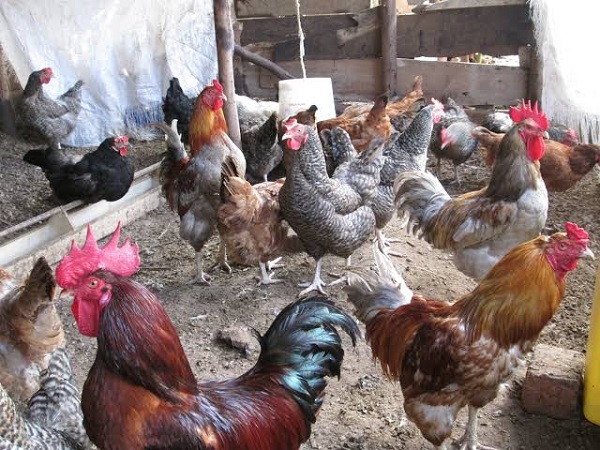
Kuroiler chickens have become one of the most popular improved poultry breeds because they combine the best characteristics of indigenous and commercial chickens. They grow faster than ordinary kienyeji chickens, produce quality meat, lay more eggs, and thrive under both free-range and semi-intensive production systems. Their ability to convert feed efficiently makes them an excellent choice for farmers who want to maximize profits while keeping production costs manageable.
At Chickbee Farming, every chick is raised under strict health and biosecurity standards to ensure you receive active, healthy, and well-vaccinated birds. We also provide professional poultry farming advice to help both new and experienced farmers succeed.
If you are comparing different improved breeds before making a purchase, you may also explore our Sasso Chicks for Sale in Kenya page to understand the differences between Sasso and Kuroiler chickens and choose the breed that best suits your farming goals.
Why Choose Kuroiler Chicks?
Kuroiler chickens were developed to provide farmers with a hardy, dual-purpose breed capable of producing both quality meat and a high number of eggs. They are suitable for commercial poultry farms as well as small-scale farmers who want birds that can survive under different management systems.
Some of the key benefits of raising Kuroiler chickens include:
- Faster growth than ordinary indigenous chickens.
- Excellent meat quality with the traditional kienyeji taste.
- High egg production under proper management.
- Strong disease resistance when vaccinated correctly.
- Excellent adaptability to free-range, semi-intensive, and intensive systems.
- Good feed conversion, reducing production costs.
- Strong market demand throughout Kenya.
These qualities have made Kuroiler one of the fastest-growing poultry breeds among Kenyan farmers.
Why Buy Kuroiler Chicks from Chickbee Farming?
Choosing the right poultry supplier is just as important as choosing the right breed. Healthy chicks establish the foundation for a profitable poultry enterprise.
When you purchase from Chickbee Farming, you benefit from:
Healthy and Vaccinated Chicks
All our Kuroiler chicks are carefully managed from hatching and follow recommended vaccination programmes to promote healthy growth and reduce disease risks.
Strong and Active Birds
We only supply active, healthy chicks with:
- Bright eyes.
- Strong legs.
- Uniform body size.
- Clean vents.
- Good feather development.
- Excellent appetite.
Professional Poultry Support
We do more than sell chicks. Our team provides guidance on:
- Brooding.
- Feeding.
- Housing.
- Vaccination.
- Biosecurity.
- Marketing.
This support helps farmers achieve better survival rates and higher profitability.
Kuroiler Chicks Price in Kenya
The price of Kuroiler chicks depends on their age, vaccination status, and the cost of raising them before sale. Older birds generally cost more because they have already consumed feed, received vaccinations, and passed through the brooding stage.
Kuroiler Chicks Price Table
| Age | Estimated Price Per Bird (KSh) | Recommended For |
|---|---|---|
| Day-Old Kuroiler Chicks | 120–150 | Experienced Farmers |
| 1 Week Old | 150–200 | Beginners |
| 2 Weeks Old | 200–280 | Small-Scale Farmers |
| 3 Weeks Old | 250–350 | Commercial Farmers |
| 1 Month Old | 300–450 | Farmers Who Want Lower Mortality |
| 2 Months Old | 500–700 | Grow-Out Projects |
| 3 Months Old | 700–900 | Meat Production |
| 4 Months Old | 900–1,200 | Egg & Meat Production |
| 5 Months and Above | 1,200–1,700 | Breeding Stock |
Note: Prices may vary depending on order quantity, location, season, and availability. Contact Chickbee Farming for the latest prices and bulk order discounts.
for orders book here
Which Age of Kuroiler Chicks Should You Buy?
Selecting the right age depends on your farming experience, available facilities, and production goals.
Day-Old Kuroiler Chicks
Day-old chicks are the most affordable option and are suitable for experienced farmers with proper brooding facilities. They require close attention to temperature, feeding, and disease prevention during the first few weeks of life.
One to Three Weeks Old
These chicks have already overcome the most delicate stage of life and are ideal for farmers who want to reduce brooding challenges while still benefiting from relatively low purchase costs.
One-Month-Old Kuroiler Chicks
One-month-old birds are stronger, well-feathered, and easier to manage. They are an excellent choice for beginner farmers because mortality rates are generally lower than with day-old chicks.
Kuroiler Chickens for Meat and Egg Production
One of the biggest advantages of Kuroiler chickens is their dual-purpose nature.
Meat Production
Kuroiler chickens grow much faster than ordinary indigenous breeds while maintaining the firm texture and rich flavour preferred by many Kenyan consumers. Hotels, restaurants, butcheries, and households often pay premium prices for well-raised Kuroiler birds.
Egg Production
Kuroiler hens also produce significantly more eggs than traditional local chickens when provided with balanced nutrition, clean water, and proper management. This allows farmers to earn regular income from egg sales while still maintaining breeding stock.
Housing Requirements for Kuroiler Chicks
Providing suitable housing is essential for healthy growth and good productivity.
A well-designed poultry house should offer:
- Proper ventilation.
- Dry bedding.
- Protection from predators.
- Adequate floor space.
- Clean feeding and drinking areas.
- Good drainage.
- Easy access for cleaning and management.
Overcrowding should always be avoided because it increases stress, disease transmission, and competition for feed.
Feeding Kuroiler Chicks for Faster Growth
Nutrition is one of the most important factors affecting the growth and profitability of Kuroiler chickens.
A balanced feeding programme should include:
| Age | Recommended Feed |
|---|---|
| 0–8 Weeks | Chick Mash |
| 9–18 Weeks | Growers Mash |
| 19 Weeks and Above | Layers Mash (for hens) |
Providing the correct feed at each growth stage helps birds develop strong muscles, healthy bones, and a robust immune system.
Many of the feeding principles that apply to Kuroiler chickens are similar to those used for Sasso birds. Our comprehensive Sasso Feeding Guide in Kenya explains how balanced nutrition, proper feed management, and clean drinking water improve growth rates and reduce feed wastage—practices that are equally valuable when raising Kuroiler chickens.
Likewise, if you’re planning a commercial poultry project and comparing improved dual-purpose breeds, our Sasso Chicken Farming in Kenya guide offers practical insights into housing, biosecurity, and farm management that complement successful Kuroiler production.
Kuroiler Chicken Farming in Kenya
Kuroiler chicken farming in Kenya has become increasingly popular among farmers because the breed offers a balance between growth rate, meat quality, egg production, and adaptability. Unlike highly specialized commercial breeds, Kuroilers can perform well under different farming systems, making them suitable for both beginners and experienced poultry farmers.
A successful Kuroiler farming project requires more than simply buying chicks. Farmers need proper planning, good housing, quality feeding, disease prevention, and a reliable market. When these factors are managed correctly, Kuroiler chickens can provide a steady source of income.
Before starting your project, calculate your expected expenses, including chicks, feed, housing, vaccination, and labour. This helps you determine the right flock size and avoid financial challenges during production.
For farmers comparing different improved chicken breeds, our Cost of Raising 100 Sasso Chickens in Kenya guide provides useful information on budgeting, feed expenses, and profitability calculations that can also help you plan a successful Kuroiler farming project.
Kuroiler Chicken Management Practices
Proper management determines whether your poultry project will succeed or fail. Even high-quality chicks require good care to achieve their full growth potential.
Brooding Kuroiler Chicks
The first few weeks are the most important stage in a chicken’s life. Young chicks require warmth, proper feeding, and close monitoring.
Important brooding requirements include:
- Maintaining the correct temperature.
- Providing clean water immediately after arrival.
- Using quality chick mash.
- Preventing overcrowding.
- Keeping the brooder dry and clean.
- Monitoring chick behaviour.
Healthy chicks should be active, spread evenly, and show good appetite. Chicks that crowd together may be cold, while those moving away from heat may be experiencing excessive temperatures.
Kuroiler Vaccination and Disease Prevention
Disease control is one of the most important parts of profitable Kuroiler farming.
Common poultry health problems can reduce growth, increase mortality, and cause financial losses if not prevented.
A good vaccination and health programme should include:
- Newcastle disease vaccination.
- Gumboro vaccination.
- Fowl pox vaccination.
- Deworming.
- Vitamin supplementation when necessary.
- Regular cleaning and disinfection.
Farmers should also practice strong biosecurity by:
- Limiting unnecessary visitors.
- Cleaning equipment regularly.
- Separating sick birds.
- Controlling rodents.
- Avoiding mixing birds from different sources without quarantine.
Prevention is always cheaper and more effective than treating a disease outbreak.
Kuroiler Free-Range Farming
One reason farmers prefer Kuroiler chickens is their ability to perform well under free-range conditions.
When allowed to forage, Kuroilers can supplement their diet with:
- Insects.
- Grass.
- Seeds.
- Small organisms.
- Kitchen vegetable waste.
However, free-range farming does not mean birds should depend entirely on natural feeds. Supplementary feeding is still necessary to maintain good growth and egg production.
A semi-intensive system is often recommended because it combines:
- Controlled feeding.
- Protection from predators.
- Disease monitoring.
- Natural foraging.
This system allows farmers to reduce some costs while maintaining productivity.
How Profitable Is Kuroiler Chicken Farming in Kenya?
Kuroiler farming can be profitable because of the breed’s multiple income opportunities.
Farmers can earn income through:
- Selling mature birds for meat.
- Selling eggs.
- Selling breeding stock.
- Selling chicks.
- Supplying restaurants and households.
Profitability depends on:
- Feed costs.
- Mortality rate.
- Selling price.
- Management practices.
- Market availability.
Farmers who reduce feed wastage, maintain healthy birds, and sell directly to consumers often achieve better returns compared to farmers relying only on middlemen.
Estimated Kuroiler Farming Budget for Beginners
A small farmer starting with 100 Kuroiler chicks should budget for:
| Item | Estimated Cost |
|---|---|
| 100 Kuroiler Chicks | KSh 12,000 – 45,000 |
| Feed | KSh 45,000 – 90,000 |
| Vaccination and Medication | KSh 5,000 – 10,000 |
| Feeders and Drinkers | KSh 5,000 – 10,000 |
| Housing Setup | KSh 25,000 – 60,000 |
| Bedding and Miscellaneous Costs | KSh 3,000 – 6,000 |
The final cost depends on whether the farmer already has housing and equipment.
Starting small allows farmers to gain experience before expanding into larger commercial production.
For professional cages setup and supply of chicks reach us today on
Common Mistakes Kuroiler Farmers Should Avoid
Buying Cheap but Poor-Quality Chicks
Low-quality chicks often lead to:
- Slow growth.
- High mortality.
- Increased medication costs.
- Poor production results.
Always buy from a reliable supplier offering healthy and vaccinated Kuroiler chicks.
Ignoring Feed Quality
Feed directly affects growth, egg production, and profitability.
Avoid:
- Expired feeds.
- Poor-quality feeds.
- Sudden feed changes.
- Excessive feed wastage.
Provide the correct ration according to the bird’s age.
Poor Record Keeping
Successful farmers track their poultry performance.
Important records include:
- Number of chicks purchased.
- Feed consumption.
- Vaccinations.
- Deaths.
- Expenses.
- Sales.
Records help identify profitable practices and areas requiring improvement.
Frequently Asked Questions About Kuroiler Chicks
How much does a Kuroiler chick cost in Kenya?
The price depends on the age of the bird. Day-old Kuroiler chicks are usually cheaper, while older birds cost more because of feeding and vaccination expenses already invested.
Are Kuroiler chickens better than indigenous chickens?
Kuroilers generally grow faster and produce more eggs than ordinary indigenous chickens while maintaining good meat quality and adaptability.
How long do Kuroiler chickens take to mature?
With proper feeding and management, Kuroiler chickens can reach market size within a few months. Growth depends on genetics, nutrition, and farming conditions.
Can Kuroilers be raised on free range?
Yes. Kuroilers are well suited for free-range and semi-intensive farming systems, provided they receive supplementary feeding and proper health management.
Which is better between Sasso and Kuroiler chickens?
Both are excellent improved breeds. Kuroiler chickens are popular for their adaptability, meat production, and egg potential, while Sasso chickens are known for their excellent meat quality and dual-purpose performance.
Farmers can compare both breeds depending on their target market, available resources, and production goals.
Order Quality Kuroiler Chicks From Chickbee Farming
Starting with quality chicks is the foundation of successful poultry farming.
At Chickbee Farming, we supply healthy Kuroiler chicks for sale in Kenya for farmers looking to start or expand their poultry businesses.
Our services include:
- Healthy Kuroiler chicks.
- Vaccinated birds.
- Bulk supply for commercial farmers.
- Poultry farming guidance.
- Support on feeding and management.
Whether you are starting with a small flock or planning a large poultry enterprise, we help you choose the right birds for your farming goals.
Contact Chickbee Farming Today
Final Thoughts
Kuroiler chicken farming in Kenya provides an excellent opportunity for farmers looking for a productive and profitable poultry venture. The breed offers faster growth, good egg production, quality meat, and strong adaptability, making it suitable for different farming systems.
However, success depends on proper management from the first day. Buying healthy chicks, providing balanced nutrition, maintaining good hygiene, following vaccination schedules, and developing a reliable market are the keys to building a successful Kuroiler poultry business.
If you are ready to start your poultry project, choose quality Kuroiler chicks for sale in Kenya from a trusted supplier and begin your journey toward a profitable poultry enterprise.