


Cost of Raising 100 Sasso Chickens in Kenya | Budget & Profit Guide
Cost of Raising 100 Sasso Chickens in Kenya
Understanding the cost of raising 100 Sasso chickens in Kenya is essential before starting a poultry farming business. Many farmers are attracted to Sasso chickens because they grow faster than ordinary indigenous chickens, produce high-quality meat, and can also lay a good number of eggs. However, profitability depends on careful planning, proper feeding, good management, and controlling production costs.
One of the biggest mistakes new poultry farmers make is underestimating the amount of capital required. While buying chicks is the first expense, feed, housing, vaccination, equipment, labour, and transport all contribute to the total investment. Creating a realistic budget before purchasing chicks helps you avoid cash shortages and ensures your birds receive proper care from day one.
If you are still looking for quality birds, compare our Sasso Chicks for Sale in Kenya to choose healthy, vaccinated chicks suitable for both small-scale and commercial poultry farming. If you are unsure which age offers the best value, read our Best Age to Buy Sasso Chicks in Kenya guide before making your investment.
Is Sasso Chicken Farming Profitable in Kenya?
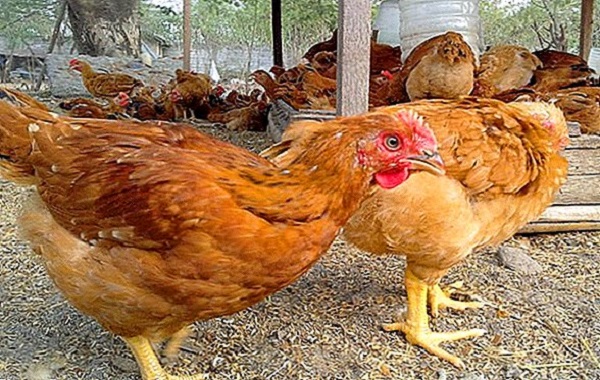
Yes. Sasso chicken farming can be highly profitable because demand for quality chicken meat continues to grow across Kenya. Hotels, restaurants, butcheries, supermarkets, institutions, and households increasingly prefer improved indigenous chicken because of its firm meat texture and excellent flavour.
Compared to ordinary kienyeji chickens, Sasso birds:
- Grow much faster.
- Reach market weight earlier.
- Produce larger carcasses.
- Adapt well to free-range and semi-intensive systems.
- Offer additional income through egg production.
With proper management, farmers can recover their investment within a few months while creating a sustainable poultry business.
What Determines the Cost of Raising Sasso Chickens?
The total production cost depends on several factors, including:
- Number of birds.
- Age of chicks purchased.
- Feed prices.
- Housing quality.
- Vaccination programme.
- Labour costs.
- Farm location.
- Mortality rate.
- Market prices.
Buying healthy chicks from a trusted supplier often reduces future losses and veterinary expenses.
Estimated Cost of Buying 100 Sasso Chicks
The purchase price varies depending on the age of the birds. Older chicks cost more because they have already consumed feed, received vaccinations, and passed through the most delicate brooding stage.
| Age of Chicks | Estimated Price Per Chick (KSh) | Total for 100 Chicks (KSh) |
|---|---|---|
| Day-Old | 120–150 | 12,000–15,000 |
| 1 Week Old | 150–200 | 15,000–20,000 |
| 2 Weeks Old | 200–280 | 20,000–28,000 |
| 3 Weeks Old | 250–350 | 25,000–35,000 |
| 1 Month Old | 300–450 | 30,000–45,000 |
Although day-old chicks are cheaper, they require proper brooding and close management. Beginners often prefer older chicks because they have stronger immunity and lower mortality.
Housing Costs for 100 Sasso Chickens
A good poultry house protects birds from predators, harsh weather, and diseases. Proper housing also improves ventilation, reduces stress, and supports faster growth.
Typical housing expenses may include:
| Item | Estimated Cost (KSh) |
|---|---|
| Poultry House Construction | 25,000–60,000* |
| Wood Shavings or Bedding | 2,000–4,000 |
| Feeders | 3,000–6,000 |
| Drinkers | 2,500–5,000 |
| Brooder Equipment | 4,000–10,000 |
| Heat Source (Bulbs/Gas) | 2,000–5,000 |
*Construction costs depend on the materials used and whether you are building a permanent or temporary poultry house.
Building a durable poultry house is a long-term investment that can be used for multiple production cycles.
Note. with good brooding success is granted thus running a profitable business with poor brooding you incare death rates unhealthy birds to farm smart read on our guide today on professional chick brooding
Feed Costs – The Largest Expense
Feed is the biggest operating cost in Sasso farming, often accounting for 60–70% of total production expenses. Poor feeding not only slows growth but also increases the time required to reach market weight, reducing overall profitability.
For this reason, every farmer should have a structured feeding programme before bringing chicks home.
A proper Sasso Feeding Guide in Kenya helps farmers understand the correct feed types, feeding stages, and daily nutritional requirements, improving feed conversion and reducing wastage.
Estimated Feed Consumption for 100 Sasso Chickens
The amount of feed required depends on age, management, and production goals. The table below provides an approximate guide for planning purposes.
| Growth Stage | Feed Type | Estimated Feed Required (100 Birds) |
|---|---|---|
| 0–8 Weeks | Chick Mash | 350–450 kg |
| 9–18 Weeks | Growers Mash | 700–900 kg |
| Layers (Hens) | Layers Mash | Depends on flock size and laying period |
Buying feed in bulk from reputable suppliers can reduce the cost per kilogram and ensure a consistent feed supply throughout the production cycle.
Vaccination and Health Management Costs
Disease prevention is much cheaper than treating sick birds. Healthy Sasso chickens grow faster, consume feed more efficiently, and experience lower mortality.
Budget for:
- Vaccines.
- Deworming.
- Vitamins.
- Disinfectants.
- Biosecurity supplies.
- Occasional veterinary consultation.
| Health Item | Estimated Cost (KSh) |
|---|---|
| Vaccines | 2,000–4,000 |
| Vitamins & Supplements | 1,500–3,000 |
| Disinfectants | 1,000–2,000 |
| Miscellaneous Medication | 1,500–3,000 |
Maintaining a clean poultry house, providing clean drinking water, and following a proper vaccination programme significantly reduce disease risks.
Equipment You Should Budget For
Besides housing and feed, farmers should invest in quality poultry equipment.
Essential equipment includes:
- Feeders.
- Drinkers.
- Brooder guards.
- Thermometer.
- Water storage containers.
- Cleaning brushes.
- Disinfectant sprayers.
- Storage containers for feed.
Good-quality equipment lasts for many production cycles and reduces maintenance costs over time.
For commercial feeders and drinkers visit our sale page, get a durable and long lasting feeders,drinkers E.I bell drinkers,make orders with us
Planning Before You Invest
Starting with a realistic budget allows farmers to make informed decisions about flock size, feeding programmes, and marketing strategies.
Before purchasing chicks, ask yourself:
- Do I have enough housing?
- Can I afford feed until the birds reach market age?
- Is clean water available every day?
- Have I prepared for vaccination and disease prevention?
- Do I already have buyers for my birds?
Answering these questions before investing helps reduce financial risks and improves the chances of running a successful poultry enterprise.
Cost of Raising 100 Sasso Chickens in Kenya: Complete Budget, Feed Cost and Profit Guide
Total Estimated Investment for Raising 100 Sasso Chickens
After considering chick purchase, housing, feed, equipment, and health management, farmers can estimate the total capital required to raise 100 Sasso chickens.
The exact amount varies depending on whether you already have a poultry house, the age of chicks purchased, and your feeding system.
Estimated Budget for 100 Sasso Chickens
| Expense Item | Estimated Cost (KSh) |
|---|---|
| Purchase of 100 Sasso Chicks | 12,000 – 45,000 |
| Poultry House Setup | 25,000 – 60,000 |
| Feeders and Drinkers | 5,500 – 11,000 |
| Brooding Equipment | 4,000 – 10,000 |
| Feed Costs | 45,000 – 90,000 |
| Vaccination and Medication | 5,000 – 10,000 |
| Bedding and Miscellaneous Expenses | 3,000 – 6,000 |
| Estimated Total Investment | 99,500 – 232,000 |
Farmers who already have housing and equipment may spend significantly less because they only need to budget for chicks, feed, and daily management costs.
Expected Income From 100 Sasso Chickens
The selling price of Sasso chickens depends on:
- Bird weight.
- Age.
- Location.
- Market demand.
- Customer type.
Sasso chickens often attract better prices than ordinary broilers because many customers prefer their traditional chicken taste and firmer meat texture.
Estimated selling prices:
| Bird Age | Possible Selling Price Per Bird |
|---|---|
| 3 Months | KSh 600 – 1,000 |
| 4 Months | KSh 700 – 1,300 |
| Mature Birds | KSh 1,200 – 1,800+ |
Prices vary depending on market conditions and location.
Example Profit Calculation for 100 Sasso Chickens
A simple example can help farmers understand the possible returns.
Income
Assume:
100 Sasso chickens sold at an average price of KSh 1,000 each.
100 × 1,000 = KSh 100,000
Expenses
Estimated production expenses:
- Chicks: KSh 15,000
- Feed: KSh 55,000
- Vaccines and medication: KSh 5,000
- Bedding and miscellaneous costs: KSh 5,000
Total production cost: KSh 80,000
Possible Gross Profit
Income: KSh 100,000
Minus expenses: KSh 80,000
Estimated gross profit: KSh 20,000
Actual profits can be higher or lower depending on feed prices, mortality rate, selling price, and management efficiency.
How to Increase Profitability in Sasso Farming
Successful Sasso farmers focus on reducing unnecessary expenses while maintaining good bird performance.
1. Buy Quality Chicks
Starting with weak chicks increases mortality, medication costs, and management challenges.
Purchase chicks from reliable suppliers who provide:
- Healthy birds.
- Proper vaccination.
- Correct breed identification.
- Farming support.
Quality chicks provide a stronger foundation for profitable production.
2. Maintain Proper Feeding
Feed management directly affects profitability.
To improve feed efficiency:
- Provide the correct feed for each growth stage.
- Avoid feed wastage.
- Store feed properly.
- Monitor daily consumption.
- Provide enough feeders to reduce competition.
Following a proper Sasso Feeding Guide in Kenya helps farmers achieve better growth while controlling feed costs.
3. Reduce Mortality Through Good Management
Every bird lost represents lost income and wasted investment.
Reduce losses by:
- Vaccinating on schedule.
- Maintaining cleanliness.
- Controlling visitors in poultry houses.
- Providing clean water.
- Removing sick birds quickly.
Good biosecurity is one of the cheapest ways to protect your poultry investment.
4. Identify Your Market Before Production
Many farmers produce chickens successfully but struggle to sell because they do not plan their market early.
Potential Sasso chicken buyers include:
- Restaurants.
- Hotels.
- Butcheries.
- Local households.
- Institutions.
- Events and catering businesses.
Building customer relationships before birds reach market age helps farmers sell faster and avoid price reductions.
Common Mistakes That Reduce Sasso Farming Profits
Buying Too Many Chicks Without Planning
Start with a manageable number and expand gradually as you gain experience.
Ignoring Feed Costs
Some farmers calculate only chick prices and forget that feed is the biggest expense.
Poor Record Keeping
Always record:
- Number of chicks purchased.
- Feed consumed.
- Medication costs.
- Deaths.
- Sales income.
Records help identify where money is being lost and improve future decisions.
Selling Too Early
Selling birds before they reach profitable weights may reduce returns. Monitor growth and market demand before deciding the best selling time.
Is Sasso Farming Better Than Broiler Farming?
Both systems can be profitable, but they target different markets.
| Sasso Chickens | Broiler Chickens |
|---|---|
| Traditional chicken taste | Fastest growth |
| Higher customer preference in some markets | Short production cycle |
| Suitable for free-range farming | Requires intensive management |
| Can provide eggs and meat | Mainly meat production |
Farmers should choose based on their target customers, available resources, and farming goals.
Frequently Asked Questions About Sasso Farming Costs
How much money do I need to start with 100 Sasso chickens?
The amount depends on whether you already have housing and equipment. A small project may start with around KSh 50,000–100,000, while a fully equipped setup requires more capital.
How much feed does 100 Sasso chickens need?
Feed requirements depend on age and management. Generally, farmers should budget for several hundred kilograms of feed from chick stage until market age.
Are Sasso chickens profitable in Kenya?
Yes. Sasso chickens can be profitable because of their growth rate, meat quality, and demand among consumers who prefer improved kienyeji chicken.
Which is better: buying day-old or one-month-old Sasso chicks?
Day-old chicks are cheaper but require more management. One-month-old chicks cost more but reduce brooding challenges and are easier for beginners.
Order Quality Sasso Chicks From Chickbee Farming
A profitable Sasso chicken project begins with healthy chicks from a reliable supplier.
At Chickbee Farming, we provide quality Sasso chicks suitable for farmers starting small poultry projects and commercial farms.
We support farmers with:
- Quality Sasso chicks.
- Poultry management guidance.
- Feeding recommendations.
- Practical farming advice.
Before starting your project, check our Sasso Chicks for Sale in Kenya page and choose the right age group for your farming goals.
Contact Chickbee Farming Today
Final Thoughts
Raising 100 Sasso chickens in Kenya can be a profitable poultry venture when farmers plan their investment carefully. Success depends on starting with quality chicks, providing proper nutrition, controlling disease, and having a ready market.
By understanding the complete cost of production before starting, farmers can avoid common mistakes and build a sustainable Sasso chicken farming business.
With proper management and good planning, Sasso chickens can provide reliable income while meeting the growing demand for quality improved kienyeji chicken in Kenya.