


Sasso Chicken Farming in Kenya
Sasso Chicken Farming in Kenya
Sasso chicken farming in Kenya has become one of the fastest-growing poultry enterprises due to the increasing demand for quality chicken meat and eggs. Farmers across the country are shifting from traditional indigenous chicken breeds to Sasso because of their faster growth, excellent feed conversion, adaptability to Kenyan climatic conditions, and strong market demand.
Unlike commercial broilers that are primarily raised for meat, Sasso chickens are a dual-purpose breed suitable for both meat and egg production. They are highly valued for producing firm, tasty meat that resembles traditional kienyeji chicken while growing significantly faster. This combination makes Sasso chickens an excellent investment for farmers looking to maximize profits.
Whether you are starting a small backyard flock or establishing a commercial poultry farm, success begins with proper planning, quality chicks, balanced feeding, and effective management.
If you are ready to begin your poultry project, explore our Sasso Chicks for Sale in Kenya page to compare available age groups and purchase healthy, vaccinated chicks from a trusted supplier.
What Are Sasso Chickens?
Sasso is an improved dual-purpose chicken breed originally developed for efficient meat production while maintaining excellent adaptability and productivity.
Today, Sasso chickens are widely raised because they:
- Grow faster than ordinary indigenous chickens.
- Produce premium-quality meat.
- Lay more eggs than local breeds.
- Adapt well to free-range and semi-intensive systems.
- Have strong survival rates under proper management.
These characteristics make Sasso an ideal choice for both beginner and experienced poultry farmers.
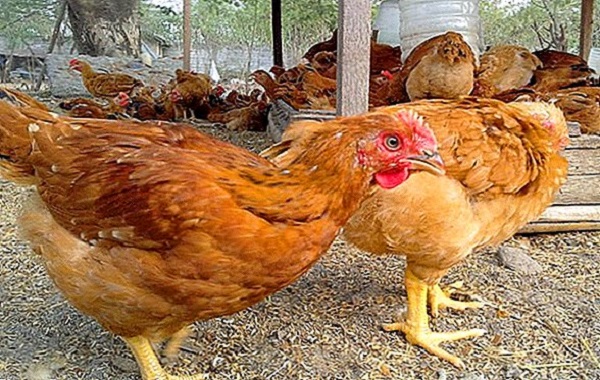
Why Sasso Chicken Farming Is Growing in Kenya
The poultry industry in Kenya continues to expand due to increasing demand for affordable animal protein. Consumers are willing to pay premium prices for birds that have the flavour and texture of traditional chicken while reaching market size much faster.
Hotels, restaurants, butcheries, supermarkets, institutions, and households increasingly prefer Sasso chickens because they combine the best characteristics of indigenous and commercial poultry.
This growing demand has created an excellent opportunity for farmers to establish profitable Sasso chicken enterprises.
Benefits of Sasso Chicken Farming
1. Faster Growth Rate
Sasso chickens mature much faster than ordinary kienyeji chickens.
With proper feeding and management, birds can reach market weight within approximately 12 to 16 weeks, allowing farmers to recover their investment sooner.
2. High Market Demand
Consumers appreciate Sasso meat because it has:
- Better texture.
- Rich flavour.
- Lower fat content than broilers.
- Good carcass weight.
This allows farmers to target premium markets and achieve attractive selling prices.
3. Dual-Purpose Production
Unlike broilers that are mainly raised for meat, Sasso chickens provide two income streams.
Farmers can earn from:
- Selling mature birds.
- Selling eggs.
- Breeding stock.
- Fertile eggs for incubation.
This flexibility reduces business risk and increases profitability.
4. Excellent Adaptability
Sasso chickens perform well under different production systems, including:
- Intensive farming.
- Semi-intensive farming.
- Free-range production.
Their ability to forage makes them suitable for farmers looking to reduce feeding costs while maintaining good productivity.
Choosing the Right Sasso Chicks
The success of your poultry project begins with purchasing healthy chicks.
Before placing an order, inspect the birds carefully.
Healthy Sasso chicks should have:
- Bright, clear eyes.
- Clean nostrils.
- Smooth feathers.
- Strong legs.
- Active behaviour.
- Uniform body size.
- Clean vent area.
Avoid purchasing weak or inactive chicks, as they are more likely to experience health problems and slower growth.
If you are unsure which age is best, read our Best Age to Buy Sasso Chicks in Kenya guide, which compares the advantages of day-old, one-week-old, and one-month-old birds.
Housing Requirements for Sasso Chickens
A good poultry house protects birds from predators, harsh weather, and disease while providing a comfortable environment for growth.
A well-designed poultry house should provide:
Proper Ventilation
Fresh air helps remove moisture and harmful gases while reducing respiratory diseases.
Adequate Space
Overcrowding causes:
- Stress.
- Feather pecking.
- Poor growth.
- Increased disease transmission.
Provide enough floor space for every bird according to its age.
Dry Litter
Wood shavings or other suitable bedding materials should remain clean and dry.
Wet litter encourages bacteria, parasites, and respiratory diseases.
Replace damp bedding regularly.
Good Lighting
Young chicks require adequate lighting during brooding to encourage feeding and drinking.
As birds mature, natural lighting combined with proper management helps maintain healthy growth.
Feeding Sasso Chickens
Nutrition plays the biggest role in determining growth rate and profitability.
A proper feeding programme should provide:
- Energy.
- Protein.
- Vitamins.
- Minerals.
- Clean drinking water.
Generally:
| Age | Recommended Feed |
|---|---|
| 0–8 Weeks | Chick Mash |
| 9–18 Weeks | Growers Mash |
| 19 Weeks and Above | Layers Mash (for hens) |
Farmers who follow a structured feeding programme achieve faster growth and better feed conversion.
For detailed feeding schedules, feed quantities, and nutrition tips, read our complete Sasso Feeding Guide in Kenya, which explains each feeding stage from day-old chicks to mature birds.
Water Management
Clean drinking water should always be available.
Water supports:
- Digestion.
- Body temperature regulation.
- Nutrient absorption.
- Healthy growth.
Dirty or contaminated water can quickly spread disease throughout the flock.
Clean drinkers daily and refill them with fresh water several times a day, especially during hot weather.
Vaccination and Disease Prevention
Disease prevention is far less expensive than treatment.
A good health programme should include:
- Vaccination.
- Regular cleaning.
- Proper biosecurity.
- Deworming.
- Vitamin supplementation when necessary.
Healthy birds grow faster, consume feed efficiently, and generate better returns.
Good management from the first day significantly reduces mortality and improves overall farm performance.
Biosecurity Practices Every Sasso Farmer Should Follow
One of the biggest reasons poultry farmers lose money is disease outbreaks that could have been prevented through proper biosecurity. Biosecurity simply means putting measures in place to stop diseases from entering or spreading within your poultry farm.
A good biosecurity programme should include:
- Restricting unnecessary visitors to the poultry house.
- Disinfecting footwear before entering poultry units.
- Cleaning feeders and drinkers every day.
- Replacing wet litter immediately.
- Isolating sick birds from the healthy flock.
- Vaccinating birds according to the recommended schedule.
- Keeping rodents and wild birds away from the poultry house.
- Disposing of dead birds safely through burial or incineration.
Maintaining a clean environment reduces disease pressure, improves growth performance, and lowers veterinary costs.
Free-Range vs Semi-Intensive Sasso Farming
Sasso chickens perform well under different management systems. The best choice depends on your available land, budget, and production goals.
Free-Range System
Under a free-range system, birds spend part of the day outdoors searching for insects, grass, seeds, and other natural feed sources.
Advantages
- Lower feeding costs.
- Improved bird welfare.
- Premium market prices due to the traditional taste.
- Lower infrastructure costs.
Challenges
- Slower growth compared to controlled systems.
- Greater exposure to predators.
- Higher risk of parasites if pasture is poorly managed.
- Birds may require more time to reach market weight.
Semi-Intensive System
This is one of the most popular systems for Sasso farming in Kenya. Birds are housed securely but are allowed controlled access to outdoor runs.
Advantages
- Better feed efficiency.
- Faster growth.
- Easier disease management.
- Reduced predator attacks.
- Improved flock monitoring.
Many successful farmers prefer the semi-intensive system because it balances productivity with lower production costs.
Marketing Your Sasso Chickens
Before starting your poultry project, identify where you will sell your birds. Waiting until the chickens are ready for market often forces farmers to accept lower prices.
Potential buyers include:
- Hotels.
- Restaurants.
- Supermarkets.
- Local butcheries.
- Schools and institutions.
- Individual households.
- Open-air markets.
- Poultry traders.
Marketing through social media platforms such as Facebook, WhatsApp Business, TikTok, and your website can also help you attract customers before your birds are ready for sale.
Building long-term relationships with regular buyers provides a more stable income and reduces marketing challenges.
Is Sasso Chicken Farming Profitable in Kenya?
Yes. Sasso chicken farming remains one of the most profitable poultry enterprises in Kenya when managed professionally.
Profitability depends on several factors, including:
- Purchasing healthy chicks.
- Proper housing.
- Balanced feeding.
- Effective disease prevention.
- Good record keeping.
- Access to reliable markets.
Farmers who manage these areas well often achieve better growth rates, lower mortality, and higher returns on investment.
If you are planning your poultry budget, our guide on the Cost of Raising 100 Sasso Chickens in Kenya explains the estimated startup costs, feed expenses, and expected returns to help you make informed financial decisions.
Common Mistakes New Sasso Farmers Should Avoid
Many beginners make mistakes that reduce productivity and profitability.
Buying Chicks From Unverified Suppliers
Always buy healthy, vaccinated birds from reputable poultry farms.
Poor-quality chicks often experience higher mortality and slower growth.
Poor Feeding Practices
Using low-quality feed or changing feed types abruptly can reduce growth performance.
Provide the correct ration at every stage of development and ensure birds always have access to clean drinking water.
Overcrowding
Keeping too many birds in a small space increases stress, disease transmission, and competition for feed.
Provide adequate floor space and proper ventilation.
Ignoring Biosecurity
Allowing unrestricted visitors, failing to disinfect equipment, or neglecting routine cleaning increases the risk of disease outbreaks.
Good biosecurity is one of the most cost-effective investments on any poultry farm.
Lack of Record Keeping
Keep detailed records of:
- Chicks purchased.
- Feed consumption.
- Vaccinations.
- Medication.
- Mortality.
- Sales.
- Expenses.
- Profits.
Good records help identify problems early and improve decision-making for future production cycles.
Frequently Asked Questions
How long do Sasso chickens take to mature?
Under proper feeding and management, many Sasso chickens reach market weight within 12 to 16 weeks, although this varies depending on production goals.
Are Sasso chickens suitable for free-range farming?
Yes. Sasso chickens adapt very well to free-range and semi-intensive systems while still maintaining good growth rates when supplemented with quality feed.
How many eggs do Sasso hens produce?
Production varies depending on management, nutrition, and genetics, but Sasso hens generally lay significantly more eggs than ordinary indigenous chickens.
What is the best age to buy Sasso chicks?
The best age depends on your experience. Beginners often benefit from buying older, well-brooded chicks, while experienced farmers may prefer day-old chicks because of the lower purchase cost. Learn more in our Best Age to Buy Sasso Chicks in Kenya guide.
Where can I buy quality Sasso chicks in Kenya?
Purchase chicks from trusted suppliers that provide healthy, vaccinated birds along with professional poultry farming advice and after-sales support.
Why Choose Chickbee Farming?
At Chickbee Farming, we are committed to helping poultry farmers succeed by supplying healthy, high-quality Sasso chicks and practical farming support.
When you buy from us, you benefit from:
- Healthy, active, and vaccinated Sasso chicks.
- Competitive prices.
- Professional poultry farming advice.
- Reliable customer support.
- Bulk orders for commercial farmers.
- Nationwide delivery arrangements across Kenya.
Whether you are starting with 20 chicks or building a large commercial poultry enterprise, our team is ready to help you achieve your farming goals.
Order Healthy Sasso Chicks Today
Final Thoughts
Sasso chicken farming in Kenya offers an excellent opportunity for farmers looking to build a profitable and sustainable poultry business. The breed combines fast growth, high-quality meat, good egg production, and adaptability to Kenyan farming conditions, making it suitable for both beginners and experienced poultry keepers.
Success begins with buying healthy chicks, providing balanced nutrition, maintaining proper housing, following a vaccination programme, and implementing strong biosecurity measures. Consistent management and careful record keeping will help you maximise productivity and increase profits over the long term.
By combining the practical guidance in this article with our detailed resources on Sasso Chicks for Sale in Kenya, Best Age to Buy Sasso Chicks in Kenya, Sasso Feeding Guide in Kenya, and Cost of Raising 100 Sasso Chickens in Kenya, you will be well equipped to establish and grow a successful Sasso poultry enterprise.