


Sasso Chicks for Sale in Kenya
Are you looking for Sasso chicks for sale in Kenya for meat production, free-range farming, or a profitable improved kienyeji poultry project? Sasso chickens are among the most popular improved chicken breeds because they combine fast growth, excellent meat quality, good adaptability, and better survival compared to many commercial breeds.
Sasso chickens are a dual-purpose breed suitable for farmers who want both quality meat and reasonable egg production. Unlike fast-growing broilers that mature within a short period, Sasso birds develop a firmer texture and traditional chicken flavour, making them attractive to consumers who prefer premium kienyeji-style chicken.
Before purchasing Sasso chicks, farmers should understand the Sasso chicks price in Kenya, factors affecting the cost, and how to manage the birds for maximum returns.
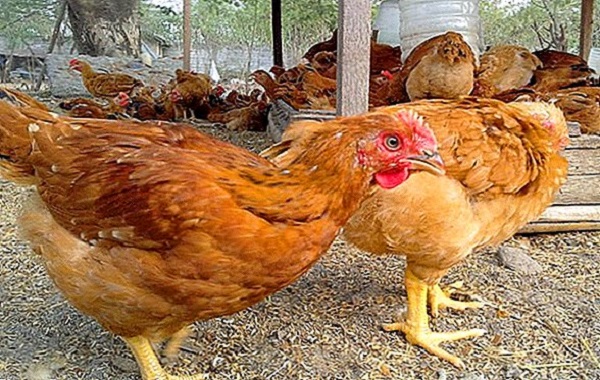
Sasso Chicken Breed Overview
Sasso is an improved chicken breed developed for farmers who want better productivity while maintaining the qualities preferred in indigenous chicken markets.
The breed is known for:
- Fast growth compared to ordinary kienyeji chickens.
- Excellent meat quality.
- Strong adaptability to different environments.
- Good disease tolerance when properly managed.
- Ability to perform under free-range and semi-intensive systems.
Sasso chickens are suitable for small-scale farmers, commercial poultry keepers, hotels, restaurants, and consumers looking for quality chicken meat.
Why Farmers Choose Sasso Chicks in Kenya
1. Excellent Meat Quality
One of the biggest advantages of Sasso chickens is their meat quality. The birds produce firm, flavourful meat that is preferred by many customers who value traditional chicken taste.
This gives farmers an opportunity to target premium markets where consumers are willing to pay more for quality chicken.
2. Faster Growth Than Local Kienyeji
Traditional indigenous chickens often take many months to reach market size. Sasso chickens grow faster, allowing farmers to sell birds earlier and improve cash flow.
Under good management, Sasso birds can reach market size within approximately 12–16 weeks depending on feeding, genetics, and farming system.
3. Suitable for Free-Range Farming
Sasso chickens adapt well to free-range and semi-intensive farming systems. They can supplement commercial feed with natural foraging, making them suitable for farmers who want lower input production.
4. Dual-Purpose Benefits
Unlike specialized meat breeds, Sasso provides both:
- Quality meat production.
- Additional egg production.
This makes the breed attractive for farmers looking for multiple income streams.
Sasso Chicks Price in Kenya
The price of Sasso chicks depends on:
- Age of the chicks.
- Vaccination status.
- Supplier location.
- Quantity ordered.
- Delivery costs.
Below is an estimated market price guide:
| Age of Sasso Chick | Estimated Price (KSh) |
|---|---|
| Day Old Sasso Chick | 120 – 150 |
| 1 Week Old Sasso Chick | 150 – 200 |
| 2 Weeks Old Sasso Chick | 200 – 280 |
| 3 Weeks Old Sasso Chick | 250 – 350 |
| 1 Month Old Sasso Chick | 300 – 450 |
Prices may change depending on availability, season, and supplier. Some Kenyan suppliers list Sasso day-old chicks around KSh 110–130 and one-month-old chicks around KSh 300.
Buying Day Old vs One Month Old Sasso Chicks
Farmers can choose between buying young chicks or older birds depending on their experience and available facilities.
Day Old Sasso Chicks
Advantages:
- Lower purchase cost.
- Complete control over feeding and management.
- Suitable for experienced poultry farmers.
Challenges:
- Require proper brooding.
- Need careful temperature control.
- More sensitive during the first weeks.
One Month Old Sasso Chicks
Advantages:
- Stronger immunity.
- Lower brooding challenges.
- Faster transition to free-range systems.
Challenges:
- Higher purchase cost.
- Less control over early management.
For beginners, one-month-old chicks can be a good option because they have already passed through the most sensitive brooding stage.
Sasso Chick Feeding Guide for Faster Growth
Proper nutrition plays a major role in determining the growth rate, health, and profitability of Sasso chickens. Although Sasso birds are hardy and can adapt well to free-range systems, providing balanced feed helps them reach their full genetic potential.
A good feeding program should provide adequate protein, energy, vitamins, and minerals at every stage of growth.
| Age | Feed Type | Purpose |
|---|---|---|
| 0–8 Weeks | Chick Mash | Supports early growth, immunity, and bone development |
| 9–18 Weeks | Growers Mash | Encourages body development and healthy weight gain |
| 19 Weeks and Above | Layers Mash (for hens) | Supports egg production and reproductive health |
Always provide clean drinking water alongside feed. Water shortages can reduce feed intake, slow growth, and increase stress among birds.
Farmers who are also keeping other meat birds should understand the importance of proper nutrition. A structured broiler feeding guide in Kenya provides useful principles on feed management, growth monitoring, and improving feed efficiency.
Sasso Growth Rate and Market Weight
One of the reasons Sasso chickens are popular among Kenyan farmers is their balanced growth rate. They grow faster than ordinary indigenous chickens while maintaining the preferred traditional chicken characteristics.
Under proper management:
| Age | Expected Development |
|---|---|
| 1 Month | Strong young birds with improved feather development |
| 2 Months | Noticeable body growth and increased activity |
| 3 Months | Suitable for many meat markets |
| 4 Months+ | Larger birds preferred by premium buyers |
Actual growth depends on:
- Feed quality.
- Housing conditions.
- Disease control.
- Genetics.
- Farming system.
Farmers targeting commercial markets should monitor weight regularly to determine the best selling period.
Sasso Chicken Housing Requirements
Although Sasso chickens are adaptable, proper housing improves survival rates and productivity.
A good Sasso chicken house should provide:
Good Ventilation
Fresh air helps reduce respiratory problems and keeps birds comfortable.
Protection From Weather
The house should protect chickens from:
- Heavy rain.
- Strong winds.
- Extreme cold.
- Direct heat.
Clean Dry Bedding
Wet litter encourages disease development. Replace dirty bedding regularly and maintain a clean environment.
Enough Space
Overcrowding causes:
- Stress.
- Competition for feed.
- Increased disease spread.
- Uneven growth.
Allow enough space depending on the age and number of birds.
Sasso Chicken Vaccination Program
Although Sasso chickens are known for their strength, vaccination remains important for preventing losses.
A basic vaccination program may include:
| Age | Vaccine | Purpose |
|---|---|---|
| Day Old | Marek’s Vaccine | Early disease protection |
| 1 Week | Newcastle Vaccine | Protection against Newcastle disease |
| 2 Weeks | Gumboro Vaccine | Supports immunity development |
| 3–4 Weeks | Booster Vaccines | Strengthens protection |
Farmers should consult poultry experts because vaccination programs may vary depending on disease risks in different areas.
Starting with healthy vaccinated chicks is important. Before buying, farmers should learn how to choose healthy chicks in Kenya or improved chicken breeds to ensure they invest in quality birds.
Is Sasso Chicken Farming Profitable in Kenya?
Yes, Sasso chicken farming can be profitable when managed correctly. The breed has gained popularity because of increasing demand for quality chicken meat from:
- Homes.
- Hotels.
- Restaurants.
- Institutions.
- Local chicken markets.
Profitability depends on:
- Cost of chicks.
- Feed expenses.
- Mortality rate.
- Selling price.
- Market access.
- Farming skills.
Farmers who control production costs and maintain healthy birds can achieve good returns.
Common Mistakes When Keeping Sasso Chickens
1. Poor Feeding Management
Some farmers allow birds to depend only on free-range feeding. While Sasso chickens can forage, supplementary feeding is necessary for faster growth.
2. Ignoring Vaccination
Hardy breeds can still become sick. Preventive vaccination reduces disease risks.
3. Buying Poor Quality Chicks
Starting with weak chicks affects the entire production cycle.
Always purchase from reliable suppliers who provide healthy, active birds.
4. Poor Housing Conditions
Exposure to harsh weather and overcrowding reduces performance.
Read our detailed article on common chick brooding mistakes and how to avoid them,this article will equip you with required skills on how to handle chicks and become a successful poultry farmer
Frequently Asked Questions About Sasso Chicks
How much is a Sasso chick in Kenya?
A Sasso chick costs approximately KSh 120–150 for day-old chicks, while older chicks cost more depending on age, vaccination, and supplier.
How long does a Sasso chicken take to mature?
Sasso chickens can reach market size between 12 and 16 weeks depending on feeding, management, and the target market.
Are Sasso chickens better than indigenous chickens?
Yes, Sasso chickens generally grow faster while maintaining qualities similar to traditional chicken meat, making them attractive for commercial farmers.
Can Sasso chickens be kept on free range?
Yes. Sasso chickens adapt well to free-range and semi-intensive farming systems.
Where can I buy Sasso chicks in Kenya?
Farmers should purchase from trusted poultry suppliers who provide healthy chicks, proper guidance, and reliable support.
Order Quality Sasso Chicks From Chickbee Farming
Choosing the right breed is the first step toward successful poultry farming. At Chickbee Farming, we supply healthy Sasso chicks for sale in Kenya suitable for farmers looking for improved kienyeji birds with excellent growth and meat quality.
Whether you are starting a small backyard poultry project or expanding a commercial farm, we provide quality chicks and professional support to help you achieve better results.
We also guide farmers on proper feeding, housing, and management practices to improve flock performance.
Contact Chickbee Farming Today
Chickbee Farming – Your Trusted Supplier of Quality Sasso Chicks and Improved Poultry Breeds in Kenya.