


Sasso Feeding Guide in Kenya
Sasso Feeding Guide in Kenya
Following a proper Sasso feeding guide in Kenya is one of the most important factors in raising healthy, fast-growing, and productive chickens. While Sasso chickens are known for their hardiness and ability to perform well under different farming systems, they can only achieve their full genetic potential when they receive balanced nutrition from the first day of life.
Many poultry farmers make the mistake of focusing only on buying quality chicks while overlooking the importance of a structured feeding program. Even healthy birds with excellent genetics will grow slowly, produce fewer eggs, or reach a lower market weight if they do not receive the right nutrients at the right stage.
Whether you are raising Sasso chickens for meat, egg production, breeding, or a mixed-purpose enterprise, understanding their nutritional requirements will help you reduce production costs and maximize profits.
Before planning your feeding program, ensure you start with healthy, vaccinated birds. Our Sasso Chicks for Sale in Kenya page explains the available age groups, pricing, and how to choose quality chicks for your poultry project. If you are still deciding which age is most suitable, our guide on the Best Age to Buy Sasso Chicks in Kenya explains the advantages of purchasing day-old, two-week-old, or one-month-old chicks.
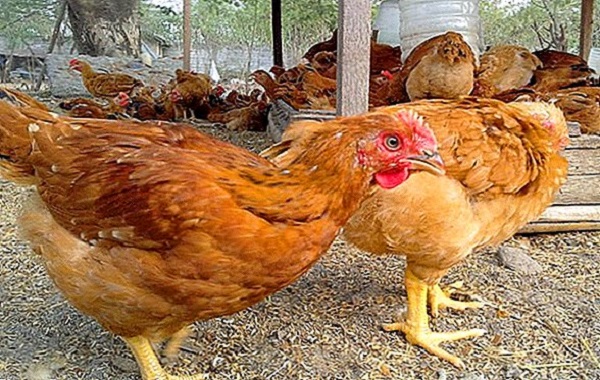
Why Proper Feeding Is Important for Sasso Chickens
Feed accounts for approximately 60–70% of the total cost of poultry production, making it the largest investment in any Sasso farming project. A well-balanced feeding program not only improves growth but also reduces feed wastage, strengthens immunity, and increases profitability.
Proper feeding helps to:
- Promote faster and uniform growth.
- Strengthen the immune system.
- Improve feed conversion efficiency.
- Reduce mortality rates.
- Produce healthier birds.
- Increase meat yield.
- Support good egg production in mature hens.
- Improve overall farm profitability.
Poor-quality feed or inconsistent feeding schedules often result in slow growth, poor feather development, weak bones, and higher disease risks.
Nutritional Requirements of Sasso Chickens
Like all poultry breeds, Sasso chickens require a balanced diet containing essential nutrients for healthy development.
Protein
Protein supports muscle growth, feather development, and tissue repair. Young chicks require higher protein levels than mature birds because they are growing rapidly.
Good protein sources include:
- Soybean meal.
- Fish meal.
- Sunflower seed cake.
- Cottonseed cake.
- Commercial chick mash.
Energy
Energy allows birds to remain active and supports body growth.
Common energy sources include:
- Maize.
- Wheat.
- Sorghum.
- Millet.
A shortage of energy reduces growth, while excessive energy can lead to unnecessary fat accumulation.
Vitamins and Minerals
Vitamins and minerals strengthen bones, improve immunity, and support normal body functions.
Important minerals include:
- Calcium.
- Phosphorus.
- Sodium.
Essential vitamins include:
- Vitamin A.
- Vitamin D.
- Vitamin E.
- Vitamin K.
- B-complex vitamins.
Commercial poultry feeds are usually formulated to provide the correct balance of these nutrients.
Sasso Feeding Schedule by Age
The nutritional requirements of Sasso chickens change as they grow. Feeding the correct ration at each stage ensures healthy development and efficient feed utilization.
Stage 1: Day-Old to 8 Weeks
Recommended Feed
Chick Mash
This feed contains high protein levels to support rapid body development during the first weeks of life.
Benefits include:
- Strong bone formation.
- Healthy feather growth.
- Better immunity.
- Faster body development.
Provide fresh chick mash throughout the day and ensure chicks always have access to clean drinking water.
Stage 2: 9–18 Weeks
Recommended Feed
Growers Mash
As birds become larger, their nutritional requirements change. Growers mash supports continued body growth while preparing pullets for maturity.
Advantages include:
- Steady weight gain.
- Strong muscle development.
- Reduced unnecessary fat accumulation.
- Improved skeletal development.
Avoid switching feeds abruptly. Introduce the new ration gradually over several days to reduce stress.
Stage 3: 19 Weeks and Above
Recommended Feed
Layers Mash (for hens)
Once laying begins, hens require additional calcium and minerals to support strong eggshell formation and consistent egg production.
Benefits include:
- Improved egg production.
- Strong eggshell quality.
- Better reproductive health.
- Continued body maintenance.
Cockerels raised for meat may continue on an appropriate grower or finisher ration depending on your production objectives.
Complete Sasso Feeding Program
| Age | Feed Type | Main Purpose |
|---|---|---|
| 0–8 Weeks | Chick Mash | Early growth and immunity |
| 9–18 Weeks | Growers Mash | Body development |
| 19 Weeks and Above | Layers Mash (hens) | Egg production and maintenance |
Maintaining this feeding schedule helps birds grow consistently while reducing nutritional deficiencies.
Estimated Daily Feed Intake
The amount of feed consumed increases as birds grow. Individual intake varies depending on breed performance, weather, housing, and management.
| Age | Approximate Feed Intake Per Bird Per Day |
|---|---|
| Day Old – 2 Weeks | 15–30 g |
| 3–4 Weeks | 35–50 g |
| 5–8 Weeks | 55–75 g |
| 9–18 Weeks | 80–110 g |
| Adult Layers | 110–130 g |
Monitor your flock regularly. Healthy birds should maintain a good appetite, steady weight gain, and uniform body condition.
Water Requirements
Water is just as important as feed. Chickens can survive longer without feed than without clean drinking water.
Fresh water should be available at all times because it:
- Supports digestion.
- Regulates body temperature.
- Improves feed utilization.
- Reduces dehydration.
- Supports healthy growth.
During hot weather, water consumption increases significantly. Check drinkers several times each day to ensure birds never run out of water.
Clean drinkers daily to reduce the spread of diseases and algae build-up.
Choosing the Best Commercial Feed
Kenya has several reputable poultry feed manufacturers that produce balanced rations suitable for Sasso chickens.
When purchasing feed, look for:
- Clearly labelled nutrient composition.
- Fresh manufacturing date.
- Proper packaging.
- Reputable manufacturer.
- Feed formulated for the correct growth stage.
Avoid buying damp, mouldy, or expired feed, as poor-quality feed can affect growth and bird health.
Good feeding practices begin with healthy chicks and quality nutrition. Combining proper feeding with good housing, vaccination, and daily management gives Sasso chickens the best opportunity to reach their full production potential.
Homemade Feed for Sasso Chickens
While commercial poultry feeds provide balanced nutrition, many farmers in Kenya choose to supplement or formulate their own feeds to reduce production costs. Homemade feed can be economical if the correct ingredients are used in the right proportions. Poorly mixed feed, however, can lead to nutritional deficiencies, slow growth, and lower egg production.
A balanced homemade ration should contain:
- Energy sources: Maize, wheat, sorghum, or millet.
- Protein sources: Soybean meal, fish meal, sunflower seed cake, cottonseed cake, or omena meal.
- Minerals: Limestone or dicalcium phosphate for calcium and phosphorus.
- Vitamin and mineral premix: Ensures birds receive essential micronutrients.
- Salt: In small quantities to support normal body functions.
If you are formulating feed at home, consult a poultry nutritionist or livestock extension officer to ensure the diet meets the nutritional requirements of Sasso chickens at each growth stage.
Feeding Sasso Chickens Under Free-Range Systems
One of the biggest advantages of Sasso chickens is their ability to perform well in free-range and semi-intensive production systems. Unlike commercial broilers, Sasso birds are active foragers and can obtain part of their nutrition from the environment.
Under free-range management, birds often consume:
- Grass and green leaves.
- Seeds and grains.
- Insects and termites.
- Earthworms.
- Kitchen vegetable scraps.
- Fallen fruits.
Although foraging reduces feed costs, it should never replace balanced poultry feed. Supplementary feeding remains essential to support healthy growth, strong immunity, and consistent egg production.
Farmers who combine quality commercial feed with controlled free-ranging often achieve the best balance between production costs and bird performance.
Feeding During Different Weather Conditions
Weather has a direct impact on feed intake and growth.
Hot Season
During hot weather, chickens eat less because high temperatures reduce their appetite.
To minimise heat stress:
- Feed birds early in the morning and late in the evening.
- Provide cool, clean drinking water throughout the day.
- Improve ventilation inside the poultry house.
- Avoid overcrowding.
Cold Season
During cold weather, birds consume more feed to maintain body temperature.
Farmers should:
- Increase energy intake where necessary.
- Keep litter dry.
- Prevent cold drafts.
- Ensure chicks remain warm during brooding.
Proper environmental management allows birds to convert feed into growth rather than using energy to cope with temperature stress.
Common Feeding Mistakes Farmers Should Avoid
Many poultry farmers lose money because of avoidable feeding errors.
1. Changing Feed Abruptly
Switching from chick mash to growers mash overnight can stress birds and reduce feed intake.
Introduce the new feed gradually over 5–7 days by mixing increasing amounts with the previous ration.
2. Buying Poor-Quality Feed
Cheap feed is not always economical. Low-quality feed may contain inadequate protein, mould, or poor-quality ingredients that reduce growth.
Always purchase feed from reputable suppliers.
3. Underfeeding Birds
Providing too little feed slows growth and increases competition among birds.
Monitor feeders regularly to ensure every bird has adequate access to feed.
4. Overfeeding
Excess feed often leads to wastage and unnecessary production costs. Use feeders that minimise spillage and provide only the required quantity.
5. Dirty Feeders and Drinkers
Feed contaminated by droppings, moisture, or mould can spread diseases.
Clean feeding equipment daily and replace spoiled feed immediately.
How to Reduce Feed Costs Without Affecting Growth
Feed is the largest expense in poultry farming, but there are practical ways to reduce costs while maintaining good performance.
Buy Feed in Bulk
Purchasing larger quantities often reduces the cost per kilogram, provided you have proper storage facilities.
Store Feed Correctly
Keep feed in a cool, dry, and well-ventilated store.
Protect it from:
- Moisture.
- Rodents.
- Insects.
- Direct sunlight.
Poor storage reduces feed quality and can lead to mould contamination.
Reduce Feed Wastage
Use suitable feeders that prevent birds from scratching feed onto the ground.
Adjust feeder height as birds grow so they can eat comfortably without excessive spillage.
Start With Healthy Chicks
Healthy chicks convert feed into body weight more efficiently than weak or unhealthy birds. Before purchasing, compare the available Sasso Chicks for Sale in Kenya and choose birds that are active, vaccinated, and sourced from a trusted poultry supplier.
If you are unsure which age offers the best value, our guide on the Best Age to Buy Sasso Chicks in Kenya explains the benefits of each age group and helps you choose birds that match your farming experience.
Expected Growth of Well-Fed Sasso Chickens
When Sasso chickens receive balanced nutrition, clean water, proper housing, and disease prevention, farmers can expect consistent growth throughout the production cycle.
General development milestones include:
| Age | Expected Progress |
|---|---|
| 1 Month | Active, fully feathered chicks with strong body development |
| 2 Months | Rapid muscle growth and increased body size |
| 3 Months | Suitable for many meat markets depending on management |
| 4–5 Months | Mature birds with excellent market value or breeding potential |
Growth rates vary depending on genetics, feed quality, health management, and environmental conditions.
Frequently Asked Questions
What is the best feed for Sasso chicks?
Chick mash is recommended from day-old to approximately eight weeks because it contains the protein and nutrients needed for rapid early growth.
When should I change from chick mash to growers mash?
Most farmers change to growers mash at around eight to nine weeks, introducing it gradually to avoid digestive stress.
Can Sasso chickens survive on free-range feeding alone?
No. While Sasso birds are excellent foragers, supplementary feeding is necessary to achieve good growth rates and maintain productivity.
How often should I feed Sasso chickens?
Provide feed daily and ensure birds have continuous access to clean drinking water. Younger chicks should have feed available throughout the day.
Why are my Sasso chickens growing slowly?
Slow growth may result from poor-quality feed, inadequate protein, disease, overcrowding, lack of clean water, or poor housing conditions.
Order Healthy Sasso Chicks From Chickbee Farming
Good nutrition starts with quality birds. At Chickbee Farming, we supply healthy, active, and well-managed Sasso chicks to farmers across Kenya.
Our team also provides practical guidance on feeding, housing, vaccination, and flock management to help you achieve better production and higher profits.
Whether you are starting with a small flock or expanding a commercial poultry enterprise, we are ready to support your success.
Contact Chickbee Farming Today
💬 Order via WhatsApp
Final Thoughts
A successful Sasso farming project depends on more than buying quality chicks. Consistent feeding, clean water, proper housing, vaccination, and good management all work together to produce healthy birds that grow efficiently and generate higher profits.
By following this Sasso Feeding Guide in Kenya, you can improve feed conversion, reduce unnecessary costs, and build a productive poultry enterprise that meets the growing demand for quality chicken meat and eggs across Kenya.