


Improved Kienyeji Chicken Feeding Guide in Kenya
Improved Kienyeji Chicken Feeding Guide in Kenya
A proper improved kienyeji chicken feeding guide in Kenya is essential for farmers who want faster growth, better egg production, reduced disease problems, and higher profits. Feeding is one of the biggest factors determining how well improved kienyeji chickens perform because even birds with excellent genetics cannot reach their full potential without proper nutrition.
Improved kienyeji chickens are among the most popular poultry breeds in Kenya because they combine the hardiness of indigenous chickens with improved growth rate, better egg production, and strong market demand. However, achieving good results requires feeding birds according to their age, production stage, and nutritional requirements.
Whether you are raising chicks for meat production, egg production, or breeding, providing the right feed at the right time helps your birds mature faster and remain healthy.
At Chickbee Farming, we help farmers establish profitable poultry projects by supplying healthy birds and offering practical poultry management advice. Farmers looking to start an improved kienyeji project can explore our KARI Improved Kienyeji Chickens for Sale in Kenya page for information on available chicks, prices, and ordering.
Farmers comparing different breeds can also learn more about our Kuroiler Chicks for Sale in Kenya, a popular dual-purpose breed known for good growth and egg production, or our Sasso Chicks for Sale in Kenya for farmers targeting faster meat production.
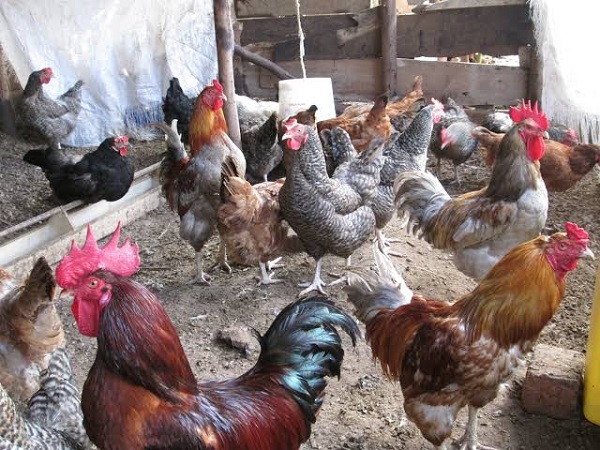
Why Proper Feeding Is Important for Improved Kienyeji Chickens
Feed represents one of the largest costs in poultry farming, but it is also the most important investment.
A balanced feeding programme helps birds achieve:
- Faster growth.
- Strong bones and muscles.
- Better immunity.
- Higher egg production.
- Improved hatchability.
- Better meat quality.
- Lower mortality rates.
- Higher profitability.
Poor feeding can result in:
- Slow growth.
- Small body size.
- Delayed egg laying.
- Weak immunity.
- Increased disease problems.
- Poor farm returns.
A good feeding strategy ensures every kilogram of feed contributes toward productive growth.
Nutritional Requirements of Improved Kienyeji Chickens
Improved kienyeji chickens require different nutrients throughout their growth cycle.
The main nutrients include:
Protein
Protein supports:
- Muscle development.
- Feather growth.
- Egg production.
- Tissue repair.
Young chicks require higher protein levels compared to mature birds.
Energy
Energy provides fuel for:
- Growth.
- Movement.
- Body maintenance.
- Egg production.
Insufficient energy causes slow growth and reduced productivity.
Calcium
Calcium is especially important for laying hens because it helps produce strong eggshells.
Low calcium levels may cause:
- Thin eggshells.
- Broken eggs.
- Reduced laying performance.
Vitamins and Minerals
Vitamins and minerals support:
- Strong immunity.
- Bone development.
- Reproduction.
- Disease resistance.
Improved Kienyeji Chicken Feeding Programme by Age
1. Day Old to 8 Weeks: Chick Mash Stage
The first eight weeks are the foundation of the bird’s entire life.
During this period, chicks require highly nutritious chick mash that supports rapid growth and development.
Recommended Feed:
Chick Mash
Benefits:
- Supports feather development.
- Builds strong bones.
- Improves immunity.
- Encourages uniform growth.
Feeding Tips:
- Provide feed several times per day for young chicks.
- Ensure feeders are always clean.
- Avoid overcrowding around feeders.
- Provide fresh water continuously.
During this stage, farmers should focus on preventing stress and disease because early problems can affect future productivity.
below are high recomendable feeding company
Pembe company
fugo unga company
2. 9 Weeks to 18 Weeks: Growers Mash Stage
After eight weeks, chicks transition into the growing stage.
At this stage, birds develop:
- Larger body size.
- Stronger muscles.
- Mature feathers.
- Reproductive organs.
Recommended Feed:
Growers Mash
Growers feed provides the nutrients required for steady development without causing excessive fat accumulation.
Important management practices:
- Maintain consistent feeding times.
- Provide enough feeder space.
- Monitor body condition.
- Continue vaccination and disease prevention.
3. 18 Weeks and Above: Layers Mash Stage
When hens approach laying age, their nutritional needs change.
Recommended Feed:
Layers Mash
Layers mash contains higher calcium levels required for:
- Eggshell formation.
- Continuous laying.
- Healthy reproductive function.
Signs hens are approaching laying age include:
- Larger combs and wattles.
- Increased body size.
- Nesting behaviour.
- Squatting response.
How Much Feed Do Improved Kienyeji Chickens Eat?
Feed consumption depends on age, weight, breed quality, and production system.
General estimates:
| Age | Approximate Feed Requirement |
|---|---|
| Day Old – 4 Weeks | Small frequent meals |
| 5–8 Weeks | Increasing daily consumption |
| 9–18 Weeks | Moderate grower feed intake |
| Adult Layers | Around 100–120g per bird daily |
Farmers should monitor feed intake because sudden increases or decreases may indicate health problems.
Homemade Feed vs Commercial Feed
Many Kenyan farmers ask whether homemade feeds are better than commercial feeds.
Both options can work when properly formulated.
Commercial Feed Advantages:
- Balanced nutrition.
- Convenient.
- Consistent quality.
- Reduced formulation mistakes.
Homemade Feed Advantages:
- Can reduce costs.
- Uses locally available ingredients.
- Allows farmers to control ingredients.
However, homemade feeds must be properly balanced to avoid nutritional deficiencies.
Common ingredients include:
- Maize.
- Wheat bran.
- Sunflower cake.
- Fish meal.
- Soybean meal.
- Minerals.
Importance of Clean Water in Feeding
Water is a critical part of poultry nutrition.
A chicken may survive days without feed, but lack of water quickly affects productivity.
Always provide:
- Clean drinking water.
- Fresh water daily.
- Properly cleaned drinkers.
Dirty water can introduce diseases and reduce growth.
Common Feeding Mistakes Farmers Should Avoid
Many poultry farmers experience poor performance because of feeding mistakes.
Avoid:
Feeding the Wrong Feed at the Wrong Age
Chicks, growers, and layers have different nutritional needs.
Poor Feed Storage
Feed exposed to moisture can develop mould and become harmful.
Sudden Feed Changes
Change feeds gradually to prevent digestive problems.
Lack of Clean Water
Water shortages immediately affect growth and egg production.
Overfeeding or Underfeeding
Both situations reduce profitability.
How Much Does It Cost to Feed Improved Kienyeji Chickens in Kenya?
Feed cost is one of the most important factors farmers consider before starting an improved kienyeji chicken project. Understanding feeding expenses helps farmers prepare accurate budgets, calculate profits, and avoid unexpected losses.
The total feeding cost depends on:
- Number of birds.
- Age of chickens.
- Feed quality.
- Farming system.
- Current market prices.
- Whether commercial or homemade feeds are used.
A farmer raising 100 improved kienyeji chickens should expect feed to be the largest expense throughout the production cycle. However, investing in quality feed results in faster growth, better survival rates, improved egg production, and higher returns.
Estimated Feed Consumption for Improved Kienyeji Chickens
The following table provides a general feeding guide:
| Age Period | Feed Type | Main Purpose |
|---|---|---|
| 0–8 Weeks | Chick Mash | Growth, immunity, feather development |
| 9–18 Weeks | Growers Mash | Body development and muscle growth |
| 18 Weeks+ | Layers Mash | Egg production and reproduction |
Farmers should remember that healthy birds with good feed conversion use nutrients more efficiently, reducing wastage and improving profitability.
How to Reduce Improved Kienyeji Chicken Feeding Costs
Feed is expensive, but farmers can reduce costs without affecting performance by following good management practices.
1. Buy Feed in Bulk
Buying larger quantities can reduce the cost per kilogram.
However:
- Store feed properly.
- Protect it from moisture.
- Avoid buying more than birds can consume before expiry.
2. Reduce Feed Wastage
A significant amount of money is lost through wasted feed.
To reduce wastage:
- Use appropriate feeders.
- Avoid filling feeders too much.
- Adjust feeder height as birds grow.
- Remove contaminated feed.
- Prevent rodents from accessing feed stores.
3. Consider Quality Homemade Feed
Some farmers reduce costs by mixing their own feed using locally available ingredients.
Common ingredients include:
- Maize.
- Wheat bran.
- Sunflower cake.
- Fish meal.
- Soybean meal.
- Limestone.
- Vitamin and mineral premixes.
However, homemade feed must be correctly formulated to provide all required nutrients.
Supplements That Improve Improved Kienyeji Chicken Growth
Supplements can support better performance when used correctly.
Useful supplements include:
Vitamins
Help improve:
- Immunity.
- Stress recovery.
- Growth.
- Egg production.
Minerals
Support:
- Bone strength.
- Eggshell quality.
- Reproduction.
Probiotics
Help maintain healthy digestion and improve nutrient absorption.
Calcium Supplements
Especially important for laying hens producing eggs regularly.
Feeding Improved Kienyeji Chickens for Maximum Egg Production
For farmers keeping hens mainly for eggs, nutrition becomes even more important.
To maximize laying:
- Provide quality layers mash.
- Maintain adequate calcium levels.
- Ensure unlimited clean water.
- Avoid sudden feed changes.
- Reduce stress.
- Maintain proper body weight.
A healthy hen with good nutrition can maintain consistent egg production for a longer period.
Farmers interested in improving egg output can also read our supportive guide on How Many Eggs Do Improved Kienyeji Chickens Lay?, which explains production expectations, laying age, and management practices.
Feeding Improved Kienyeji Chickens for Meat Production
Although improved kienyeji chickens are valued for both meat and eggs, some farmers raise them specifically for table meat.
To improve meat production:
- Provide enough protein during growth stages.
- Avoid overcrowding.
- Maintain clean housing.
- Select fast-growing birds.
- Monitor weight regularly.
Farmers targeting faster meat production can compare improved kienyeji birds with Sasso chickens, which are specially popular among farmers looking for rapid growth and quality meat production.
Signs Your Chickens Are Not Getting Enough Nutrition
Poor nutrition affects birds in many ways.
Warning signs include:
- Slow growth.
- Small body size.
- Weak legs.
- Poor feather development.
- Reduced egg production.
- Thin eggshells.
- Increased disease problems.
- Loss of body weight.
When these signs appear, farmers should review their feeding programme immediately.
Relationship Between Feeding and Disease Prevention
Good nutrition strengthens the immune system and helps birds resist diseases.
Poorly fed chickens are more vulnerable to:
- Newcastle Disease.
- Coccidiosis.
- Respiratory infections.
- Parasite problems.
- General weakness.
However, nutrition should always work together with:
- Proper vaccination.
- Good hygiene.
- Clean water.
- Strong poultry farm biosecurity.
Frequently Asked Questions
What is the best feed for improved kienyeji chicks?
Chick mash is the recommended feed for improved kienyeji chicks from day old up to approximately eight weeks. It provides nutrients required for early growth and immunity development.
When should improved kienyeji chickens change from chick mash to growers mash?
Most farmers transition birds from chick mash to growers mash at around 8 weeks of age, depending on bird development.
What feed makes improved kienyeji chickens grow faster?
A balanced diet containing adequate protein, energy, vitamins, and minerals supports faster and healthier growth.
How can I increase egg production in improved kienyeji chickens?
Provide quality layers mash, clean water, calcium supplements, proper lighting, good housing, and effective disease control.
Which is better for farmers: improved kienyeji, Sasso, or Kuroiler?
The best breed depends on your farming goal:
- Improved Kienyeji: Best for farmers seeking traditional meat quality, good egg production, and adaptability.
- Sasso: Suitable for farmers focused on faster growth and meat production.
- Kuroiler: A strong dual-purpose breed with good growth and egg production.
Why Choose Chickbee Farming?
At Chickbee Farming, we support farmers from chick selection to successful poultry production.
We provide:
✅ Healthy improved kienyeji chicks.
✅ Sasso chicks.
✅ Kuroiler chicks.
✅ Poultry farming advice.
✅ Poultry equipment supply.
✅ Poultry farm setup guidance.
Our goal is to help Kenyan farmers build profitable poultry enterprises through quality birds and reliable support.
Order Improved Kienyeji Chicks Today
Starting with healthy chicks is the first step toward successful poultry farming.order well looked and vaccinated chicks
Contact Chickbee Farming today for:
- Improved kienyeji chicks.
- Sasso chicks.
- Kuroiler chicks.
- Poultry farming guidance.
- Commercial poultry solutions.
Final Thoughts
A successful improved kienyeji chicken project starts with proper feeding. Following the correct feeding programme from chick stage to maturity helps farmers achieve faster growth, healthier birds, higher egg production, and better profits.
The key to success is combining quality feed with good housing, vaccination, biosecurity, and daily management.
For farmers looking for healthy improved kienyeji chicks and professional poultry support in Kenya, Chickbee Farming provides reliable solutions to help you build a profitable poultry business.