


Best Age to Buy Kuroiler Chicks in Kenya
Best Age to Buy Kuroiler Chicks in Kenya
Choosing the best age to buy Kuroiler chicks in Kenya is one of the most important decisions every poultry farmer must make before starting a Kuroiler chicken farming project. The age of chicks you purchase affects your investment cost, management requirements, mortality rate, growth speed, and overall profitability.
Kuroiler chickens are popular among Kenyan farmers because they are a hardy improved breed with excellent meat quality, good egg production, and strong adaptability to different farming systems. However, the success of your poultry project depends greatly on starting with healthy chicks and selecting an age that matches your farming experience and available resources.
Farmers with proper brooding facilities may prefer day-old Kuroiler chicks because they are cheaper, while beginners often choose older birds such as one-month-old Kuroiler chicks because they are stronger and require less intensive care.
If you are ready to purchase quality birds, explore our Kuroiler Chicks for Sale in Kenya page where we provide healthy and vaccinated Kuroiler chicks suitable for small-scale and commercial farmers.
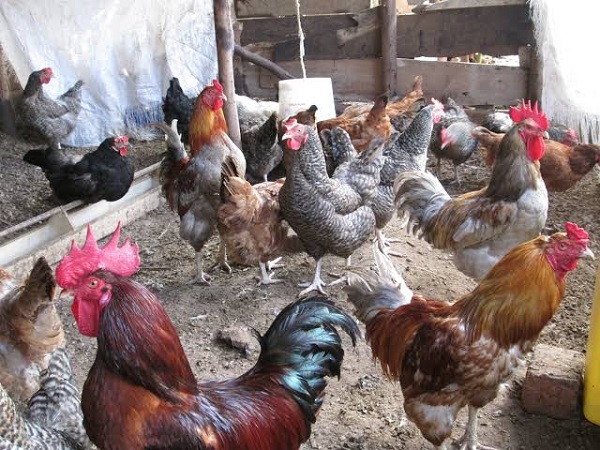
Why the Age of Kuroiler Chicks Matters
Many farmers focus only on the purchase price when buying chicks, but the age of the bird determines the amount of care, time, and money required before reaching maturity.
Choosing the correct age helps you:
- Reduce chick mortality.
- Control feeding costs.
- Reduce brooding challenges.
- Achieve faster growth.
- Improve farm profitability.
- Match your skills with the birds’ requirements.
For example, a day-old chick may cost less initially, but it requires additional investment in heating, electricity, equipment, and close monitoring. On the other hand, an older Kuroiler chick costs more but has already passed through the most sensitive early growth stage.
Day-Old Kuroiler Chicks (0–3 Days)
Day-old Kuroiler chicks are the most affordable option for farmers who want to start poultry farming with a lower initial purchase cost.
These chicks are ideal for:
- Experienced poultry farmers.
- Farmers with proper brooding equipment.
- Commercial farms with trained workers.
Advantages of Day-Old Kuroiler Chicks
- Lowest purchase price.
- Farmers can control feeding from the beginning.
- Easier to establish a uniform flock.
- Higher profit potential when managed correctly.
Challenges of Day-Old Chicks
Day-old chicks require careful attention because they cannot regulate their body temperature properly.
Farmers must provide:
- Proper brooding temperature.
- Quality chick mash.
- Clean drinking water.
- Vaccination programme.
- Good ventilation.
- Protection from cold weather.
Poor brooding management during the first weeks can result in slow growth and high mortality.
One-Week-Old Kuroiler Chicks
One-week-old Kuroiler chicks are a good option for farmers who want to avoid some of the challenges associated with the first days after hatching.
At this stage, chicks are stronger and have already adapted to feeding and environmental conditions.
Benefits of Buying One-Week-Old Chicks
- Lower risk compared to day-old chicks.
- Easier management.
- Reduced brooding pressure.
- Suitable for beginner farmers.
Although they cost slightly more than day-old chicks, many farmers consider the extra cost worthwhile because they save time and reduce early losses.
Two-Week-Old Kuroiler Chicks
Two-week-old Kuroiler chicks provide an excellent balance between affordability and reduced management challenges.
At two weeks:
- Feathers begin developing strongly.
- Birds become more active.
- Temperature requirements reduce.
- Mortality risk decreases when properly managed.
They are suitable for farmers who want younger birds but do not want to handle the most delicate brooding stage.
Three-Week-Old Kuroiler Chicks
Three-week-old Kuroiler chicks are increasingly popular among beginners because they are stronger, more resistant, and easier to manage.
Advantages include:
- Reduced heating requirements.
- Better survival rate.
- Easier feeding management.
- Faster adaptation to farm conditions.
Farmers who have limited brooding experience often find three-week-old chicks a good starting point.
One-Month-Old Kuroiler Chicks
One-month-old Kuroiler chicks are among the best choices for beginner farmers because they have already completed the most demanding early stage.
At one month, birds are:
- Fully feathered.
- More resistant to environmental changes.
- Easier to manage.
- Less dependent on artificial heat.
Benefits of Buying One-Month-Old Kuroiler Chicks
- Lower mortality risk.
- Less brooding equipment required.
- Faster transition into grower management.
- Suitable for farmers starting their first poultry project.
The disadvantage is that they are more expensive because the supplier has already invested in:
- Feed.
- Vaccination.
- Labour.
- Brooding.
- Disease prevention.
Kuroiler Chicks Price Comparison Table in Kenya
| Age of Kuroiler Chick | Estimated Price Per Chick (KSh) | Best For |
|---|---|---|
| Day-Old Kuroiler Chicks | 120 – 150 | Experienced farmers |
| 1 Week Old | 150 – 200 | Small farms and beginners |
| 2 Weeks Old | 200 – 280 | Farmers avoiding early brooding |
| 3 Weeks Old | 250 – 350 | Beginner and commercial farmers |
| 1 Month Old | 300 – 450 | Farmers wanting stronger chicks |
| 2 Months Old | 500 – 700 | Grow-out projects |
| 3 Months and Above | 700 – 1,000+ | Meat production and breeding |
Prices may vary depending on supplier, vaccination status, location, availability, and order quantity.
For bookings orders
Which Kuroiler Chick Age Is Best for Beginners?
For farmers starting poultry farming for the first time, one-month-old Kuroiler chicks are usually the easiest option because they require less specialised care compared to day-old chicks.
However, the best choice depends on:
- Your farming experience.
- Available housing.
- Budget.
- Availability of brooding equipment.
- Target production period.
Experienced farmers with proper facilities can achieve excellent results with day-old chicks, while beginners may benefit from purchasing older birds.
Relationship Between Kuroiler and Sasso Chicken Farming
Kuroiler and Sasso chickens are both popular improved dual-purpose breeds in Kenya. They share several management requirements, including proper feeding, vaccination, housing, and biosecurity.
Farmers comparing these breeds can also read our Sasso Chicks for Sale in Kenya guide to understand the characteristics, benefits, and production potential of another popular improved chicken breed.
Understanding different breeds helps farmers select birds that match their market goals, whether focusing on meat production, egg production, or dual-purpose farming.
Signs of Healthy Kuroiler Chicks Before Buying
Choosing the correct age is important, but the quality of the chicks you purchase is even more important. A healthy Kuroiler chick has a higher chance of surviving, growing faster, and providing better returns.
Before buying Kuroiler chicks, check for the following signs:
Active Movement
Healthy chicks should be:
- Alert and active.
- Moving around freely.
- Responding when approached.
- Showing good energy levels.
Weak, sleepy, or inactive chicks may indicate health problems.
Bright and Clear Eyes
The eyes should be:
- Bright.
- Open.
- Clear.
- Free from discharge.
Cloudy eyes or signs of infection may indicate poor health.
Clean Feathers and Vent Area
A healthy Kuroiler chick should have:
- Clean feathers.
- A clean vent area.
- No signs of diarrhoea.
- No dirt sticking around the body.
Dirty chicks may have digestive problems or poor management history.
Strong Legs and Good Body Structure
Quality chicks should have:
- Strong legs.
- Straight posture.
- Uniform body size.
- Good balance when standing.
Weak legs can affect growth and future productivity.
Vaccination Status When Buying Kuroiler Chicks
Always ask about the vaccination history before purchasing chicks.
A reliable supplier should provide information about:
- Vaccines already given.
- Date of vaccination.
- Recommended next vaccination.
- Feeding programme followed.
Vaccinated Kuroiler chicks have better protection against common poultry diseases and are more likely to perform well.
At Chickbee Farming, we focus on supplying healthy birds that are properly managed before reaching farmers.
Common Mistakes Farmers Make When Buying Kuroiler Chicks
Many poultry losses happen because farmers make poor decisions when purchasing chicks.
Choosing Price Over Quality
The cheapest chicks are not always the best option.
Poor-quality chicks may result in:
- High mortality.
- Slow growth.
- Increased medication expenses.
- Poor production performance.
Investing in healthy chicks from a trusted supplier gives better long-term returns.
Buying Chicks Without Preparing Housing
Before bringing chicks home, prepare:
- Poultry house.
- Feeders.
- Drinkers.
- Bedding.
- Brooding equipment (for younger chicks).
Proper preparation reduces stress and improves survival rates.
Buying More Chicks Than You Can Manage
Many beginners start with too many birds without considering:
- Feed costs.
- Available space.
- Labour requirements.
- Market demand.
Starting with a manageable flock allows you to gain experience before expanding.
Feeding Requirements After Buying Kuroiler Chicks
Regardless of the age you purchase, proper nutrition determines how fast your Kuroilers grow and how profitable your project becomes.
A good feeding programme should include:
| Age | Recommended Feed |
|---|---|
| 0–8 Weeks | Chick Mash |
| 9–18 Weeks | Growers Mash |
| 19 Weeks and Above | Layers Mash for hens |
Farmers should provide:
- Fresh feed daily.
- Clean drinking water.
- Mineral supplements where necessary.
- Proper feeding space.
Good nutrition improves:
- Weight gain.
- Egg production.
- Disease resistance.
- Feed efficiency.
For more detailed poultry nutrition practices, farmers can also refer to our Sasso Feeding Guide in Kenya, which explains feeding management principles that apply to many improved dual-purpose breeds.
Kuroiler Chicks Management After Purchase
The first few weeks after receiving your chicks determine their future performance.
Provide Proper Brooding Conditions
Young chicks need:
- Correct temperature.
- Dry bedding.
- Adequate lighting.
- Protection from cold and predators.
Chicks that experience cold stress often grow slowly and become more vulnerable to diseases.
Maintain Clean Water and Feeders
Dirty equipment can spread diseases quickly.
Farmers should:
- Wash drinkers daily.
- Remove spoiled feed.
- Clean the poultry house regularly.
- Replace wet bedding.
Clean management improves growth and reduces unnecessary expenses.
Kuroiler Chicken Farming Profit Potential
Kuroiler chickens are popular because they provide multiple income opportunities.
Farmers can earn from:
- Selling mature birds.
- Selling eggs.
- Breeding chicks.
- Supplying restaurants and households.
Profitability improves when farmers:
- Buy healthy chicks.
- Control feed wastage.
- Maintain low mortality.
- Sell directly to customers.
- Keep accurate farm records.
Kuroiler farming works well for both small-scale farmers and commercial poultry businesses.
Frequently Asked Questions About Buying Kuroiler Chicks
What is the best age to buy Kuroiler chicks in Kenya?
The best age depends on your experience and facilities. Beginners often prefer one-month-old Kuroiler chicks because they are stronger and easier to manage, while experienced farmers may choose day-old chicks to reduce purchase costs.
Are day-old Kuroiler chicks profitable?
Yes. Day-old chicks can provide excellent returns because they are cheaper to buy. However, they require proper brooding, feeding, and disease management.
Are one-month-old Kuroiler chicks better than day-old chicks?
For beginners, one-month-old chicks are often easier because they have passed the most delicate brooding stage. However, experienced farmers may achieve higher margins with day-old chicks.
How much does a Kuroiler chick cost in Kenya?
The price depends on age. Day-old chicks are usually the cheapest, while older birds cost more due to feeding, vaccination, and management expenses already invested.
Where can I buy healthy Kuroiler chicks in Kenya?
Farmers should buy from trusted poultry suppliers who provide healthy, vaccinated chicks and offer farming support.
You can order quality birds from our Kuroiler Chicks for Sale in Kenya page and get guidance on selecting the right age for your poultry project.
Order Quality Kuroiler Chicks From Chickbee Farming
Starting with the right chicks gives your poultry business a stronger foundation.
At Chickbee Farming, we supply:
✅ Healthy Kuroiler chicks
✅ Vaccinated birds
✅ Different age options
✅ Support for small and commercial farmers
✅ Guidance on poultry management
Whether you need day-old Kuroiler chicks, one-month-old chicks, or mature birds, we help you choose the best option depending on your farming goals.
Contact Chickbee Farming Today
Final Thoughts
Choosing the best age to buy Kuroiler chicks in Kenya depends on your budget, experience, and farming system. Day-old chicks are affordable and offer higher profit potential for experienced farmers, while older chicks provide convenience and lower management challenges for beginners.
Regardless of the age you choose, success depends on purchasing healthy chicks, providing proper nutrition, maintaining good housing, and following effective disease prevention practices.
A well-planned Kuroiler poultry project can provide reliable income through meat production, egg production, and breeding opportunities.
For farmers ready to start, choose quality Kuroiler chicks for sale in Kenya from a trusted supplier and begin building a profitable poultry enterprise.