


Kuroiler vs Sasso Chickens in Kenya | Which Breed Is Better for Meat
Kuroiler vs Sasso Chickens in Kenya
Choosing between Kuroiler vs Sasso chickens in Kenya is one of the biggest decisions poultry farmers make before investing in improved chicken breeds. Both breeds are among the most popular dual-purpose chickens in Kenya because they produce quality meat, lay more eggs than ordinary indigenous chickens, and adapt well to local farming conditions. However, each breed has unique characteristics that make it suitable for different farming goals.
Many farmers ask questions such as:
- Which breed grows faster?
- Which lays more eggs?
- Which is more profitable?
- Which requires less feed?
- Which is better for free-range farming?
- Which breed should beginners choose?
This guide compares Kuroiler and Sasso chickens in detail to help you make an informed decision. Whether you are planning a small backyard flock or a large commercial poultry project, understanding the strengths and weaknesses of each breed will help you maximize productivity and profits.
If you are ready to start your poultry project, explore our Kuroiler Chicks for Sale in Kenya and Sasso Chicks for Sale in Kenya pages to compare available chicks, current prices, and age options.
What Are Kuroiler Chickens?
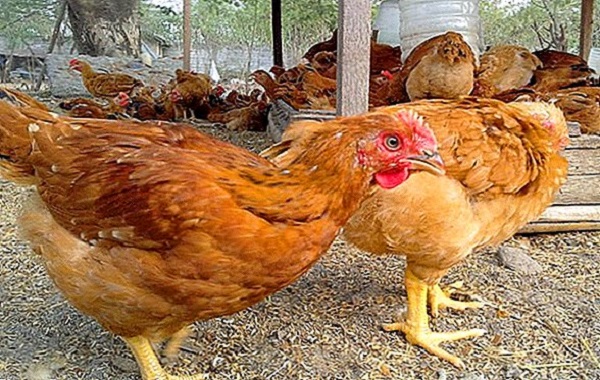
Kuroiler chickens are an improved dual-purpose breed developed to provide farmers with fast-growing birds that produce quality meat while maintaining good egg production.
They are widely raised because they:
- Grow faster than ordinary kienyeji chickens.
- Produce excellent meat.
- Lay significantly more eggs than local breeds.
- Adapt well to free-range and semi-intensive systems.
- Have good disease resistance under proper management.
Kuroiler chickens are particularly popular among farmers looking for a hardy breed that performs well in rural and commercial environments.
What Are Sasso Chickens?
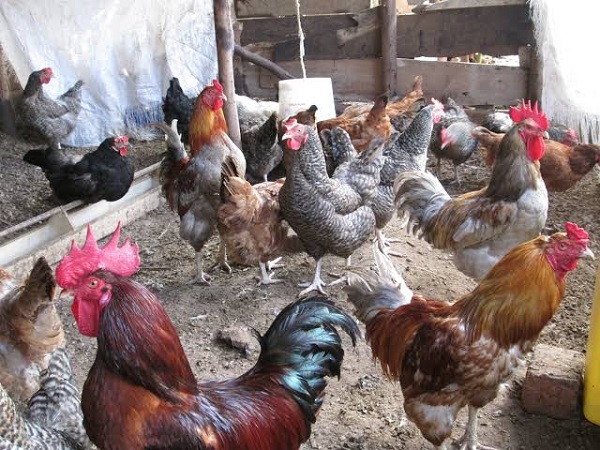
Sasso chickens are another improved dual-purpose breed that has become increasingly popular across Kenya. They are known for their excellent growth rate, premium meat quality, and good egg production.
Sasso chickens are preferred because they:
- Reach market weight quickly.
- Produce firm, tasty meat.
- Perform well under semi-intensive and intensive systems.
- Adapt to free-range management with proper feeding.
- Have strong market demand among hotels, restaurants, and households.
Many commercial poultry farmers choose Sasso because of their impressive growth performance and attractive market prices.
Similarities Between Kuroiler and Sasso Chickens
Although these breeds have different genetic backgrounds, they share several important characteristics.
Both Kuroiler and Sasso chickens:
- Are improved dual-purpose breeds.
- Produce quality meat.
- Lay more eggs than indigenous chickens.
- Grow faster than ordinary kienyeji birds.
- Adapt well to Kenyan climatic conditions.
- Thrive under free-range and semi-intensive systems.
- Have good market demand.
- Offer excellent income opportunities for poultry farmers.
This makes either breed a significant improvement over traditional local chickens.
Kuroiler vs Sasso Comparison Table
| Feature | Kuroiler | Sasso |
|---|---|---|
| Growth Rate | Fast | Very Fast |
| Meat Quality | Excellent | Excellent |
| Egg Production | High | High |
| Feed Conversion | Very Good | Excellent |
| Free-Range Performance | Excellent | Very Good |
| Semi-Intensive Farming | Excellent | Excellent |
| Intensive Farming | Good | Excellent |
| Disease Resistance | High | High |
| Adaptability | Excellent | Excellent |
| Market Demand | High | Very High |
| Suitable for Beginners | Excellent | Excellent |
| Commercial Farming | Excellent | Excellent |
Both breeds perform exceptionally well, but the ideal choice depends on your production objectives.
Price Comparison
Although prices vary depending on the supplier and the age of the birds, the two breeds are generally priced within a similar range.
| Age | Kuroiler Price (KSh) | Sasso Price (KSh) |
|---|---|---|
| Day-Old | 110–150 | 120–150 |
| 1 Week | 140–200 | 150–200 |
| 2 Weeks | 190–280 | 200–280 |
| 3 Weeks | 240–350 | 250–350 |
| 1 Month | 290–450 | 300–450 |
| 2 Months | 4900–700 | 500–700 |
| 3 Months | 900–900 | 700–900 |
| Mature Birds | 1,200–1,700 | 1,200–1,700 |
Note: Prices are estimates and may vary depending on season, location, order quantity, and availability.
Order on WhatsApp
Growth Rate Comparison
Growth rate is one of the first factors farmers consider when selecting poultry breeds.
Kuroiler Growth Rate
Kuroiler chickens grow much faster than ordinary indigenous chickens while maintaining the traditional taste preferred by many consumers.
Under proper feeding and management:
- Birds gain weight consistently.
- They develop strong muscles.
- They perform well under free-range systems.
Kuroilers are ideal for farmers who want a balance between growth and adaptability.
Sasso Growth Rate
Sasso chickens are recognised for their rapid growth.
With quality nutrition and good management, they often reach market weight earlier than many other improved breeds.
Their fast growth makes them attractive for commercial meat production where shorter production cycles translate into quicker returns.
Meat Production Comparison
Both breeds produce premium-quality meat, but they appeal to slightly different markets.
Kuroiler Meat Quality
Kuroiler meat is:
- Firm.
- Lean.
- Flavourful.
- Similar to traditional kienyeji chicken.
This makes it highly attractive to households and local markets that value traditional taste.
Sasso Meat Quality
Sasso chickens produce:
- Larger carcasses.
- Faster weight gain.
- Tender meat.
- Excellent dressing percentage.
Hotels, butcheries, restaurants, and supermarkets often prefer Sasso birds because they provide larger market-ready chickens within a shorter period.
Egg Production Comparison
Besides meat production, both breeds are excellent egg producers.
Kuroiler Chickens
Healthy Kuroiler hens can produce a good number of eggs annually under proper nutrition and management.
Their adaptability makes them suitable for farmers looking to combine egg sales with meat production.
Sasso Chickens
Sasso hens also produce a high number of eggs, especially when fed balanced rations and managed under good housing conditions.
Farmers interested in dual-purpose poultry farming often choose either breed depending on their target market and management system.
Feed Efficiency Comparison
Feed is the largest expense in poultry farming, making feed conversion one of the most important factors.
Kuroiler
Kuroilers efficiently utilise both commercial feed and natural forage, making them ideal for free-range farmers who want to reduce feeding costs.
Sasso
Sasso chickens have outstanding feed conversion under structured feeding programmes and are particularly productive in semi-intensive and intensive systems.
Farmers raising Sasso birds can improve performance further by following our comprehensive Sasso Feeding Guide in Kenya, which explains the best feeding programme from chicks to maturity.
Which Breed Is Better for Free-Range Farming?
Both breeds perform well under free-range conditions, but many farmers consider Kuroiler slightly more adaptable because of its excellent foraging ability.
Kuroiler chickens actively search for:
- Grass.
- Seeds.
- Insects.
- Small worms.
This helps reduce supplementary feed costs while maintaining good growth.
Sasso chickens also perform well on free range but generally benefit from more structured feeding programmes to maximise their growth potential.
Housing and Management Comparison
Proper housing and management play a major role in determining the performance of both Kuroiler and Sasso chickens. Although both breeds are hardy and well adapted to Kenya’s climate, providing a clean, secure, and well-ventilated poultry house is essential for healthy growth and maximum productivity.
A good poultry house should provide:
- Adequate ventilation.
- Dry bedding.
- Protection from predators.
- Sufficient floor space.
- Easy access to clean water.
- Proper lighting.
- Good drainage.
Both breeds perform well under:
- Free-range systems.
- Semi-intensive systems.
- Intensive commercial farming.
However, Sasso chickens generally achieve their highest growth rates under semi-intensive and intensive systems where feeding and management are carefully controlled. Kuroiler chickens, on the other hand, are highly adaptable and often perform exceptionally well under free-range conditions.
Disease Resistance Comparison
Disease outbreaks are among the biggest causes of losses in poultry farming.
Fortunately, both Kuroiler and Sasso chickens are known for their hardiness when managed properly.
Regardless of the breed, farmers should follow good biosecurity practices, including:
- Vaccination according to schedule.
- Daily cleaning of feeders and drinkers.
- Dry litter management.
- Restricting unnecessary visitors.
- Isolating sick birds.
- Regular deworming.
- Providing clean drinking water.
Strong management practices are more important than breed selection when it comes to preventing disease.
Feed Cost Comparison
Feed accounts for approximately 60–70% of poultry production costs, making feed efficiency a key factor in profitability.
Kuroiler Chickens
Kuroiler chickens are excellent foragers and can obtain part of their nutrition from insects, grass, and seeds when allowed to roam. This can help reduce feed costs for farmers using free-range or semi-intensive systems.
Sasso Chickens
Sasso chickens respond very well to commercial feeding programmes and convert feed efficiently into body weight. Farmers targeting the commercial meat market often choose Sasso because of its rapid growth under structured feeding.
For farmers looking to maximise growth and reduce feed wastage, our Sasso Feeding Guide in Kenya provides detailed feeding recommendations that can also improve management practices for other improved dual-purpose breeds.
Which Breed Is More Profitable?
Both Kuroiler and Sasso chickens can generate excellent profits when managed correctly. The more profitable breed depends on your production goals and target market.
Choose Kuroiler If You Want:
- Excellent free-range performance.
- A hardy breed with strong adaptability.
- A balance between meat and egg production.
- Lower dependence on commercial feed.
- Birds suited to rural and small-scale farming.
Choose Sasso If You Want:
- Faster growth rates.
- Larger market-ready birds.
- Excellent feed conversion under intensive management.
- Commercial meat production.
- Strong demand from hotels, butcheries, and supermarkets.
Before investing in a commercial poultry project, our Cost of Raising 100 Sasso Chickens in Kenya guide can help you understand production costs, budgeting, and expected returns. Many of the financial planning principles discussed there also apply to Kuroiler farming.
Which Breed Is Better for Beginners?
Both breeds are suitable for beginners, but each has different strengths.
Kuroiler Is Ideal If You:
- Have access to free-range land.
- Want birds that are easy to manage.
- Prefer lower feeding costs.
- Plan to produce both eggs and meat.
Sasso Is Ideal If You:
- Have good housing and feeding facilities.
- Want faster meat production.
- Intend to supply restaurants, butcheries, or commercial markets.
- Prefer shorter production cycles.
New farmers should choose the breed that best matches their resources, experience, and target customers rather than focusing only on growth speed.
Frequently Asked Questions
Which grows faster, Kuroiler or Sasso?
Sasso chickens generally have a slightly faster growth rate under intensive or semi-intensive management. Kuroiler chickens, however, combine good growth with exceptional adaptability to free-range systems.
Which breed lays more eggs?
Both breeds produce significantly more eggs than ordinary indigenous chickens. Actual egg production depends on nutrition, health, housing, and management rather than breed alone.
Which breed is better for meat production?
Both breeds produce high-quality meat. Sasso chickens are often preferred for commercial meat production because of their rapid growth and larger carcass size, while Kuroiler chickens are appreciated for their traditional flavour and lean meat.
Can Kuroiler and Sasso chickens be raised together?
Yes. They can be raised on the same farm provided they receive proper nutrition, vaccination, and adequate housing. However, farmers should monitor growth differences and ensure all birds have equal access to feed and water.
Which breed is more profitable in Kenya?
Profitability depends on your farming system and target market.
- If your focus is premium meat production with faster turnover, Sasso may be the better choice.
- If you want a hardy dual-purpose breed suitable for free-range farming and balanced meat and egg production, Kuroiler is an excellent option.
Buy Healthy Kuroiler and Sasso Chicks from Chickbee Farming
At Chickbee Farming, we supply healthy, vaccinated, and fast-growing improved chicken breeds to farmers across Kenya.
Our poultry includes:
- Healthy Kuroiler chicks.
- Quality Sasso chicks.
- Day-old chicks.
- One-week-old chicks.
- One-month-old chicks.
- Mature breeding stock.
We also provide professional guidance on housing, feeding, vaccination, and poultry management to help farmers achieve better productivity and profitability.
Whether you choose Kuroiler or Sasso, purchasing healthy chicks from a trusted supplier is the first step toward building a successful poultry business.
Contact Chickbee Farming Today
Final Verdict: Kuroiler or Sasso?
There is no single “best” breed for every farmer—only the breed that best fits your goals.
Choose Kuroiler if you want hardy birds that thrive under free-range systems, offer good meat quality, and provide consistent egg production with lower feed costs.
Choose Sasso if your priority is rapid growth, commercial meat production, and supplying premium markets such as hotels, restaurants, butcheries, and supermarkets.
Whichever breed you choose, success depends on buying healthy chicks, following a proper feeding programme, maintaining good biosecurity, and keeping accurate farm records. By combining the information in this guide with our detailed pages on Kuroiler Chicks for Sale in Kenya, Best Age to Buy Kuroiler Chicks in Kenya, Sasso Chicks for Sale in Kenya, and Sasso Chicken Farming in Kenya, you’ll be well equipped to make the right investment and build a profitable poultry enterprise.