


How to harvest honey from beehives in Kenya
How to Harvest Honey from Beehives in Kenya Without Damaging the Colony
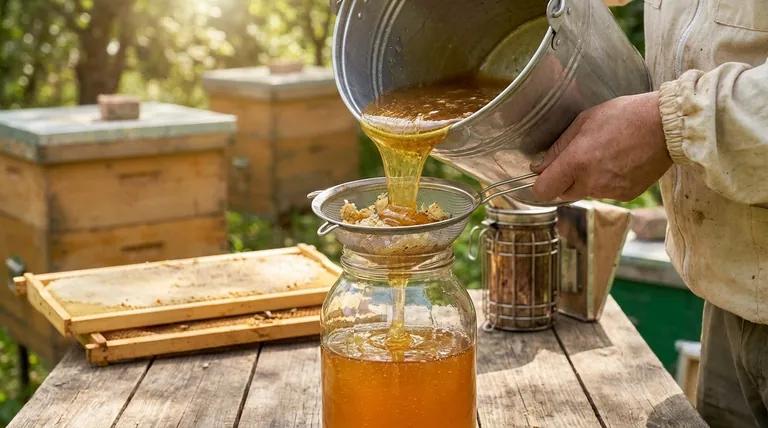
Knowing how to harvest honey from beehives in Kenya is an important skill for anyone interested in beekeeping, honey production, or running a profitable apiary. Proper honey harvesting helps beekeepers collect mature honey while protecting the queen, brood, and worker bees that keep the colony productive.
At Chick Bee Farming, we help beekeepers develop practical beekeeping skills through training and related apiary services. Whether you manage Kenya top bar hives or Langstroth hives, understanding the correct harvesting process can help you reduce honey losses, maintain colony health, and prepare your bees for future production.
If your beehives are ready for harvesting but you need assistance, you can also learn more about our honey harvesting services in Kenya.
When Is the Right Time to Harvest Honey in Kenya?
One of the most important decisions in beekeeping is knowing when honey is ready for harvesting. Collecting honey too early can result in excessive moisture, fermentation, and reduced quality.
The right harvesting period depends on flowering seasons, rainfall, local weather conditions, nectar availability, and the strength of the bee colony.
Signs that honey may be ready for harvesting
Look for the following indicators before removing honeycombs:
-
Capped honey: Bees have sealed much of the mature honey with a thin layer of wax.
-
Established honeycombs: The combs contain stored honey rather than mainly eggs, larvae, or pupae.
-
Adequate colony food reserves: The colony has sufficient food remaining after the harvest.
-
Suitable harvesting conditions: Weather and colony behaviour allow the beekeeper to work safely.
Capping is a useful indicator, but it does not guarantee that all honey is sufficiently dry. Where possible, measure moisture content using a suitable honey refractometer. Honey with excessive moisture may ferment during storage.
Avoid harvesting simply because a hive looks full. Assess the maturity of the honey and the condition of the colony first.
Step-by-Step Guide to Harvesting Honey from Beehives
Following a consistent harvesting procedure helps protect your bees and maintain honey quality.
Step 1: Prepare the necessary equipment
Before visiting your apiary, ensure you have the appropriate equipment for your hive type and harvesting method.
Common equipment includes:
-
A well-fitting bee suit and veil.
-
Protective gloves and suitable footwear.
-
A smoker, used carefully and appropriately.
-
A clean hive tool.
-
Clean, food-grade containers for harvested honey.
-
Suitable comb-handling equipment.
-
A honey strainer or food-grade filtering equipment, where required.
-
A honey refractometer, where available, to assess moisture content.
If you use Langstroth hives and plan to extract honey from frames, you may also need an appropriate honey extractor.
Keep harvesting equipment clean and dry. Avoid containers that have previously held chemicals, fuel, or other substances that could contaminate honey.
Step 2: Inspect the colony before harvesting
Inspect the hive carefully before removing any honeycombs. Identify the brood area, assess colony strength, and determine whether sufficient honey will remain for the bees.
A strong colony may have substantial honey stores, but not every honeycomb should be harvested.
Avoid unnecessary disturbance, especially during periods of food scarcity. If the colony is weak or has limited food reserves, postpone harvesting until conditions improve.
For beginners, practical guidance from an experienced beekeeper can help prevent mistakes during this stage.
Step 3: Identify mature honeycombs
Select honeycombs containing mature honey and distinguish them from combs containing brood or developing bees.
Where possible, prioritise well-capped honey and confirm moisture content when appropriate. Do not assume that all uncapped honey is immature, but assess it carefully before combining it with the main harvest.
Keeping brood combs intact is important because damaging them can reduce the colony’s ability to raise new bees.
Step 4: Harvest honey from Kenya top bar hives
Kenya top bar hives are widely used by small-scale beekeepers because of their relatively simple design.
When harvesting from a top bar hive, open it carefully and locate the honeycombs. Identify the honey-storage area and avoid cutting combs containing brood.
Remove only the appropriate honeycombs, taking care not to crush bees or unnecessarily damage neighbouring combs. Depending on the comb and equipment available, honey may be drained or separated from the wax using a suitable method.
Do not remove every honeycomb simply to maximise the current harvest. Leaving adequate stores helps the colony survive periods when nectar is scarce.
For more information about choosing this hive type, read our guide to Kenya top bar hive prices and options.
Step 5: Harvest honey from Langstroth hives
Langstroth hives use removable frames, making it possible to inspect honey stores and separate suitable honey frames from brood frames.
During harvesting, identify the frames intended for honey production. Remove mature honey frames carefully and avoid disturbing brood areas unnecessarily.
If using a honey extractor, follow the equipment manufacturer’s instructions and maintain hygienic handling practices. Return suitable empty combs or frames according to the colony’s condition and management plan.
Langstroth hives require appropriate frame handling and equipment, so beginners may benefit from practical training before undertaking a large harvest.
Explore our Langstroth hive guide for Kenya to learn more about this hive system.
Step 6: Extract and handle honey hygienically
Once the honeycombs have been harvested, the next priority is maintaining honey quality.
The extraction method depends on the hive type and whether the combs are intended to be preserved or processed with the honey.
Follow these practices:
-
Work in a clean area away from dust and pests.
-
Use clean, food-grade containers and utensils.
-
Avoid introducing water or other contaminants.
-
Filter honey appropriately to remove wax particles and debris without introducing contaminants.
-
Check moisture content where possible.
-
Store the honey in clean, dry, tightly closed, food-safe containers.
Good handling practices reduce contamination risks and help maintain the quality of the final product.
Common Honey Harvesting Mistakes to Avoid
Inexperienced beekeepers sometimes lose honey or weaken their colonies because they rush the harvesting process.
| Mistake | Why it is a problem | Better practice |
|---|---|---|
| Harvesting immature honey | It may ferment during storage | Assess maturity and moisture content |
| Removing brood combs | Can damage developing bees | Identify and protect the brood area |
| Taking too much honey | Leaves the colony with insufficient food | Retain adequate food reserves |
| Using dirty equipment | Can contaminate honey | Clean and dry all tools and containers |
| Mishandling honeycombs | Causes unnecessary damage and waste | Handle combs gently |
| Ignoring colony condition | Can weaken an already stressed colony | Inspect before harvesting |
| Poor storage | May introduce moisture or contaminants | Use suitable, sealed containers |
Avoiding these mistakes is important for sustainable honey production. A successful harvest is not measured only by the amount of honey collected; it also depends on the condition of the colony afterwards.
How Often Should You Harvest Honey in Kenya?
There is no single harvesting schedule that works for every apiary in Kenya.
The frequency of harvesting depends on the local flowering calendar, rainfall, nectar flow, hive type, colony strength, and available honey stores.
Some colonies may produce harvestable honey during favourable flowering periods, while others may require longer to build sufficient reserves.
Inspect your hives periodically rather than harvesting according to a fixed calendar alone. During dry periods or when flowers are scarce, you may need to delay harvesting to protect the colony.
Record the dates of inspections, flowering observations, honey harvests, and approximate yields. Over time, these records can help you identify productive periods for your particular location.
How Much Honey Can One Beehive Produce?
Honey production varies considerably between colonies and apiaries. It depends on the bee population, forage availability, weather, hive management, colony health, and the amount of honey retained for the bees.
A well-managed hive in an area with good nectar availability may produce more harvestable honey than a hive in an area with limited forage.
It is therefore unwise to promise a fixed yield from every hive.
To improve your understanding of potential yields and the factors that influence production, read our guide to honey production per hive in Kenya.
Good management focuses on maintaining healthy colonies and harvesting responsibly rather than maximising the quantity removed from a hive at every visit.
Should You Harvest Honey Yourself or Hire a Professional?
Beekeepers with experience, suitable protective equipment, and the necessary tools may be able to harvest their own honey.
However, professional assistance may be useful when:
-
You are harvesting honey for the first time.
-
You have several hives that need attention.
-
Your colonies are difficult to inspect.
-
You need help distinguishing honeycombs from brood combs.
-
You require assistance with honey extraction or hygienic handling.
-
You want guidance on managing colonies after harvesting.
The right option depends on your experience, the number of hives, the hive design, and the equipment available.
Chick Bee Farming provides beekeeping-related support and can discuss your harvesting requirements, location, and apiary size before confirming the appropriate service arrangement.
Need help harvesting honey from your beehives? Visit our honey harvesting services in Kenya page to learn more and contact us about your needs.
Need Honey Harvesting Assistance?
Contact Chick Bee Farming to discuss your apiary and harvesting requirements.
WhatsApp Chick Bee Farming
Frequently Asked Questions About Honey Harvesting
How do I know if honey is ready for harvesting?
Look for mature honeycombs, often with much of the honey capped by bees. A moisture measurement is more reliable than capping alone when determining whether honey is suitable for storage.
Can I harvest honey during the dry season?
You should assess the condition of the colony and available food reserves before harvesting. If nectar is scarce and the bees depend on stored honey, delaying the harvest may be necessary.
Can beginners harvest honey from Kenya top bar hives?
Yes, beginners can learn the process, but practical training is recommended. They should understand how to identify brood combs, handle honeycombs safely, and protect the colony.
What equipment is needed for honey harvesting?
Basic equipment includes protective clothing, a hive tool, appropriate smoking equipment, and clean containers. Extraction equipment may also be necessary depending on the hive and harvesting method.
Does Chick Bee Farming offer honey harvesting services?
Chick Bee Farming can discuss honey harvesting requirements, apiary support, and the appropriate arrangements for your location and hive type. Contact the business to confirm service availability and pricing.
Conclusion
Learning how to harvest honey from beehives in Kenya can help you improve honey quality, reduce unnecessary waste, and maintain healthy bee colonies. The most important practices are to identify mature honey, protect brood combs, retain adequate food reserves, use clean equipment, and store the harvested honey correctly.
If you need practical guidance or assistance with harvesting, Chick Bee Farming is available to discuss your beekeeping needs.
Visit our honey harvesting services in Kenya page to learn more about our services and request a quotation.