
Poultry Vaccination Schedule in Kenya

🐔 Poultry Vaccination Schedule in Kenya (Complete Guide for Broilers, Layers & Kienyeji Chickens)


🟢 Understanding Poultry Vaccination in Kenya

A poultry farm succeeds or fails long before birds reach market age or peak egg production. One of the most critical factors behind a healthy flock is a proper vaccination plan applied at the right time.

In Kenya, poultry farmers face constant disease pressure due to climate changes, mixed farming systems, live bird markets, and limited biosecurity in some regions. Diseases such as Newcastle, Gumboro, Marek’s, and Fowl Pox can wipe out an entire flock within days if protection is not in place.

Vaccination is not about treating illness—it is about building resistance before infection happens. Once a disease enters a flock, especially viral diseases, treatment is often ineffective or very expensive. This makes prevention the only reliable strategy.

A proper vaccination program works best when combined with:

  • Clean poultry housing
  • Good feeding practices
  • Safe drinking water systems
  • Proper hygiene and litter management

👉 If you are setting up your farm, start with proper structure design here:


🧠 Quick Understanding: How Poultry Vaccines Work

Vaccines introduce a weakened or controlled form of a disease organism into the bird’s body. This does not cause illness but trains the immune system to recognize and fight the disease in future exposure.

Once vaccinated:

  • The bird develops antibodies
  • The immune system becomes “ready”
  • Future infections are less severe or completely blocked

However, vaccine effectiveness depends on:

  • Correct storage temperature
  • Proper timing
  • Correct administration method
  • Bird health at time of vaccination

A poorly handled vaccine is almost as ineffective as no vaccination at all.


🚨 Why Vaccination Is Critical for Poultry Farmers in Kenya

Kenya’s poultry industry is growing fast, but disease pressure is also increasing. Many farmers expand quickly without strengthening biosecurity systems, which increases outbreak risk.

A structured vaccination schedule helps farmers:

  • Reduce sudden flock losses
  • Improve growth rate in broilers
  • Maintain steady egg production in layers
  • Avoid emergency medication costs
  • Improve flock uniformity
  • Reduce long-term production risks

In commercial poultry farming, consistency is everything. A single disease outbreak can destroy months of investment.


🦠 Major Poultry Diseases in Kenya

Understanding common diseases helps explain why vaccination schedules are structured the way they are.

Newcastle Disease (ND)

Poultry Vaccination Schedule Kenya

This is one of the most destructive poultry diseases in Kenya.

It spreads quickly and affects birds of all ages.

Common signs:

  • Sudden deaths
  • Twisted necks
  • Greenish droppings
  • Breathing difficulty
  • Drop in egg production

Without vaccination, mortality can be extremely high.


Gumboro Disease (IBD)
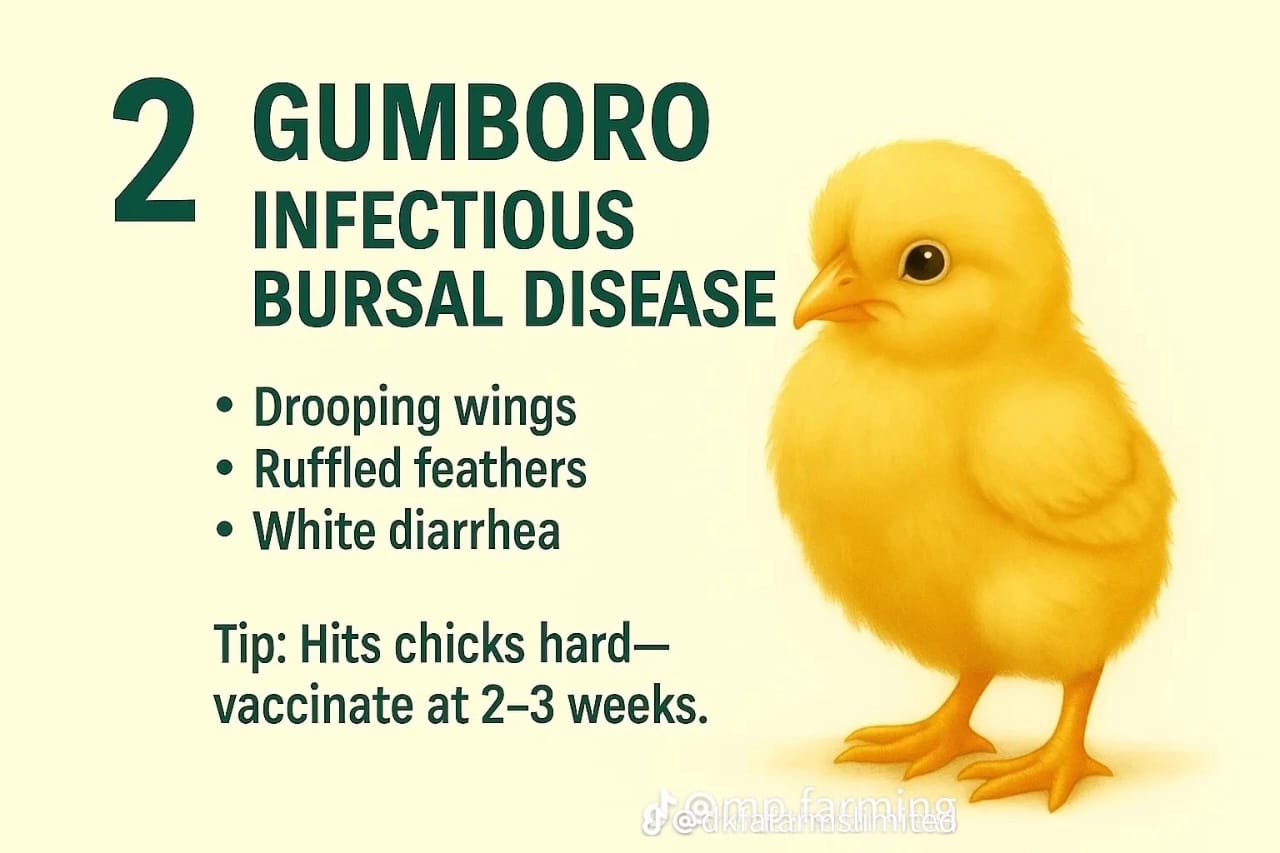
Poultry Vaccination Schedule Kenya

Gumboro mainly affects young chicks and damages the immune system.

Symptoms:

  • Weakness and depression
  • Watery white droppings
  • Loss of appetite
  • Increased mortality in chicks

This disease weakens birds permanently if not controlled early.


Marek’s Disease
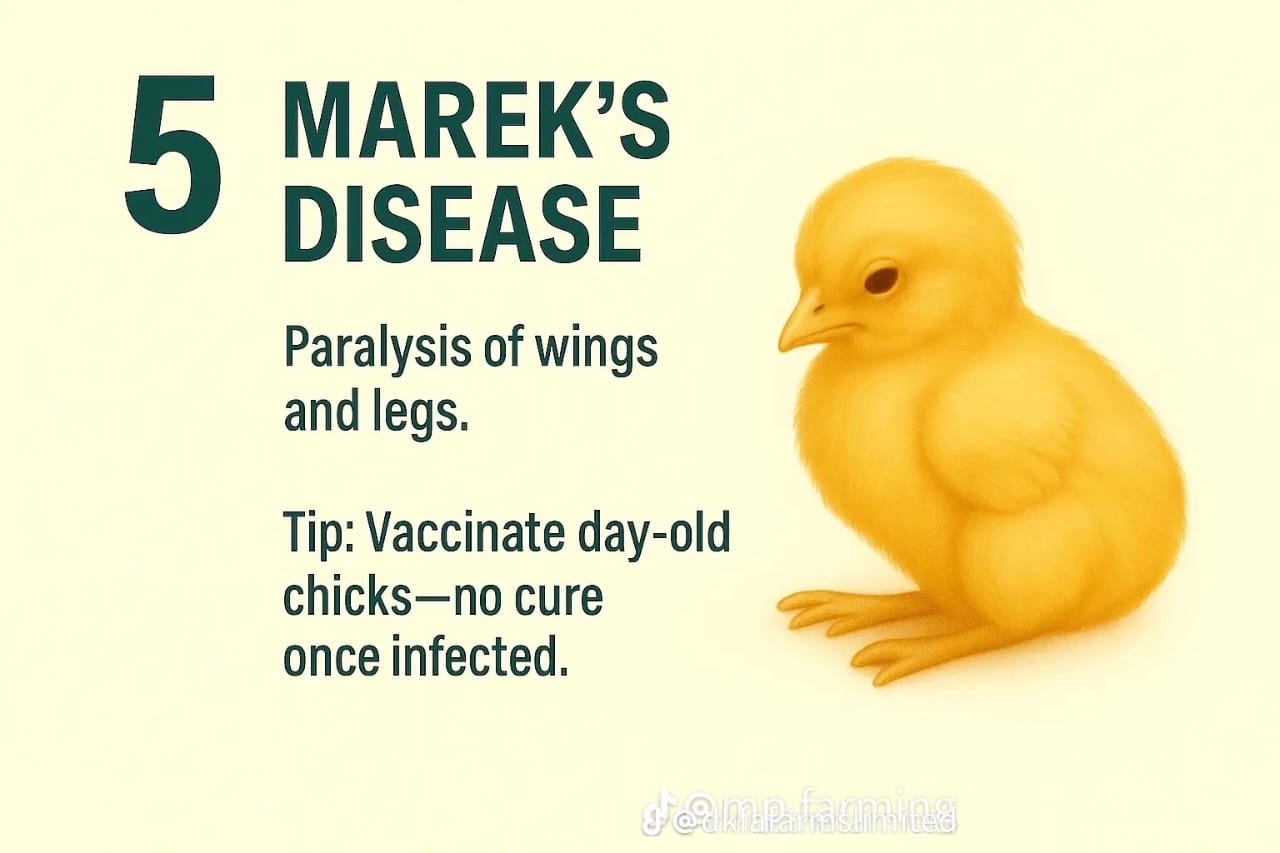
Poultry Vaccination Schedule Kenya

A viral disease affecting nerves and internal organs.

Signs:

  • Paralysis of legs or wings
  • Weight loss
  • Difficulty moving
  • Sudden death

Vaccination is usually done immediately after hatching.


Fowl Pox
Poultry Vaccination Schedule Kenya

Common in free-range and kienyeji systems where mosquitoes are present.

Symptoms:

  • Wart-like skin lesions
  • Reduced feeding
  • Slow growth
  • Drop in egg production

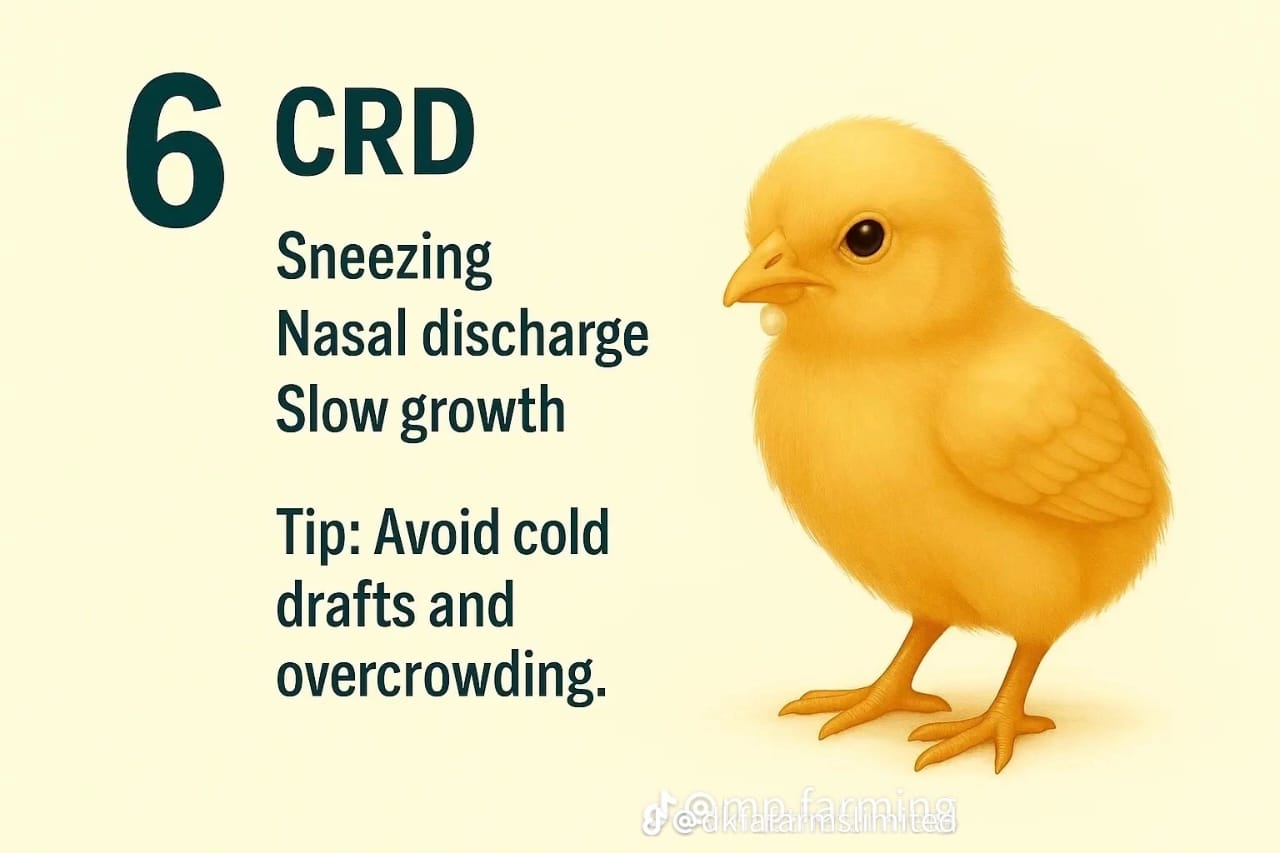
Infectious Bronchitis

Affects respiratory system and egg quality.

Symptoms:

  • Sneezing
  • Coughing
  • Misshaped eggs
  • Reduced production

🏡 Why Farm Conditions Affect Vaccine Success

Vaccination alone does not guarantee success. Birds must be raised in supportive conditions.

Poor housing, for example, increases disease pressure. Proper ventilation, spacing, and cleanliness all improve vaccine performance.

👉 Learn proper poultry housing here:

Proffesional cages for broilers,layers,and improved kienyeji, house cages by chiclmasters


Feeding and Immunity Connection

Nutrition plays a major role in immune response. Birds on poor feed will respond weakly to vaccines, reducing protection levels.

Balanced feeding ensures:

  • Strong immune development
  • Faster recovery from stress
  • Better resistance to infection

👉 Feeding guide:

Broiler feeding Guide,chicken food is not about quantity by the Quality of the feed you are feeding your chick,Guide by chickmasters


Equipment Hygiene Matters

Dirty feeding and watering systems can spread disease even in vaccinated flocks.

Using proper equipment reduces contamination and improves health outcomes.

👉 Poultry equipment:

Buy commercal durable feeders and drinkers at chick master poultry Equipment supplies


🔍 Key Insight

Vaccination is not a single activity—it is part of a full system that includes:

  • Housing
  • Feeding
  • Water management
  • Hygiene
  • Biosecurity

If one system fails, the entire flock becomes vulnerable.


🟡 Poultry Vaccination Schedule Tables in Kenya (Broilers, Layers & Kienyeji)

Vaccination timing is not random. It follows the bird’s immune development stages. Missing or delaying a vaccine can leave a gap where disease can easily attack.


🐥 1. Broiler Vaccination Schedule in Kenya

Broilers grow fast and are usually marketed within 5–7 weeks. Because of this short cycle, their vaccination programme is simple but very critical early on.

📊 Broiler Vaccination Schedule

Age Vaccine Disease Protected Method
Day 1 Marek’s Vaccine Marek’s disease Injected (at hatchery)
Day 7 ND (Hitchner B1) Newcastle disease Eye drop / drinking water
Day 14 Gumboro (IBD) Infectious Bursal Disease Drinking water
Day 21 (optional) ND booster Newcastle disease Drinking water

🧠 Key Broiler Notes

  • Most broilers receive Marek’s vaccine at hatchery level
  • The first 14 days are the most sensitive period
  • Clean water must be used during vaccine administration
  • Do not use disinfectants in water during vaccination

Broilers rely heavily on early protection because they grow quickly and are exposed to stress from rapid feed intake and environment changes.


🥚 2. Layer Vaccination Schedule in Kenya

Layers require a long-term immunity plan because they stay in production for many months.

Unlike broilers, their schedule is extended and includes booster doses.


📊 Layer Vaccination Schedule

Age Vaccine Disease Protected Method
Day 1 Marek’s Vaccine Marek’s disease Injection
Week 1 ND (Hitchner B1) Newcastle disease Eye drop
Week 2 Gumboro (IBD) Infectious Bursal Disease Drinking water
Week 4 ND + IB booster Newcastle & Gumboro Drinking water
Week 8 Fowl Pox Fowl Pox Wing stab
Week 10 ND LaSota Newcastle disease Drinking water
Week 16 Infectious Bronchitis Respiratory disease Drinking water
Week 18 (pre-lay) ND booster Newcastle disease Drinking water
Every 3–4 months ND booster Maintenance immunity Drinking water

🧠 Key Layer Notes

  • Layers require boosters because they live longer
  • Vaccination continues even during production
  • Pre-lay vaccination is critical for egg stability
  • Stress-free handling improves vaccine response

Proper vaccination ensures:

  • Strong laying performance
  • Better eggshell quality
  • Lower mortality during production

🐓 3. Kienyeji Chicken Vaccination Schedule in Kenya

Kienyeji chickens are often free-range or semi-free-range, meaning they face higher exposure to disease.

Their vaccination programme is flexible but must still cover key diseases.


📊 Kienyeji Vaccination Schedule

Age Vaccine Disease Protected Method
Day 1 Marek’s Vaccine Marek’s disease Injection
Week 1 ND (Hitchner B1) Newcastle disease Eye drop
Week 3 Gumboro Infectious Bursal Disease Drinking water
Week 6 Fowl Pox Skin disease Wing stab
Week 8 ND booster Newcastle disease Drinking water
Every 3 months ND booster Maintenance immunity Drinking water

🧠 Key Kienyeji Notes

  • Newcastle disease is the biggest threat
  • Birds require more frequent boosters
  • Outdoor exposure increases infection risk
  • Vaccination must be combined with good hygiene

💉 Vaccine Administration Methods Explained

Correct method determines effectiveness.

1. Drinking Water Method

  • Most common in Kenya
  • Easy for large flocks
  • Must use clean, chlorine-free water

2. Eye Drop Method

  • High accuracy
  • Used for ND vaccines
  • Ensures direct immune response

3. Wing Web Stab

  • Used for Fowl Pox
  • Simple and effective
  • Leaves small mark on wing

4. Injection Method

  • Used for Marek’s disease
  • Done at hatchery stage
  • Most precise method

⚠️ Common Vaccination Mistakes Farmers Make

Avoid these errors:

  • Using contaminated water during vaccination
  • Mixing vaccines incorrectly
  • Missing scheduled dates
  • Vaccinating sick birds
  • Storing vaccines at wrong temperature
  • Using expired vaccines

Even one mistake can reduce immunity across the flock.


🧰 Equipment That Improves Vaccination Success

Good vaccination results depend on proper farm tools.

Clean and controlled systems help reduce contamination and stress.

These systems help maintain:

  • Clean water supply
  • Reduced disease spread
  • Better flock hygiene

🏡 Importance of Housing During Vaccination

Birds respond better to vaccines when kept in a stable environment.

Poor housing increases stress and reduces immunity response.

Good housing ensures:

  • Better air circulation
  • Lower disease pressure
  • Reduced stress during vaccination

🔑 Summary of This Section

  • Broilers have a short, simple schedule
  • Layers require long-term boosters
  • Kienyeji chickens need frequent protection
  • Correct method = better immunity
  • Clean environment improves vaccine effectivenes
  • 🟠 Poultry Vaccination Best Practices, Storage Rules & Biosecurity in Kenya

    This final section focuses on what separates average farmers from successful commercial poultry producers—how vaccines are handled, stored, and supported with proper farm hygiene.

    Even the correct vaccination schedule will fail if vaccines are mishandled or if biosecurity is weak.


    ❄️ Vaccine Storage and Handling (Cold Chain Management)

    Vaccines are very sensitive biological products. If exposed to heat, sunlight, or poor storage conditions, they lose effectiveness even before use.

    🧊 Proper Storage Guidelines

    • Store vaccines in a refrigerator at 2°C – 8°C
    • Do not freeze live vaccines unless instructed
    • Keep away from sunlight at all times
    • Transport in cool boxes when moving from supplier to farm
    • Avoid leaving vaccines at room temperature for long periods

    ⚠️ Common Storage Mistakes

    • Leaving vaccines in a hot poultry house
    • Storing in freezer compartments (freezing kills live vaccines)
    • Opening vaccine bottles too early
    • Using expired vaccines

    Poor storage leads to failed immunity even if vaccination was done correctly.


    🧪 Preparing Vaccines Correctly

    Proper preparation ensures birds receive full protection.

    Key Steps:

    • Use clean, chlorine-free water
    • Mix vaccine only when ready to use
    • Avoid metal containers (can react with vaccine)
    • Use the full dose within 1–2 hours
    • Do not expose mixed vaccine to sunlight

    Water Tips During Vaccination

    • Stop water supply for 1–2 hours before vaccination
    • Ensure birds are slightly thirsty (improves intake)
    • Add stabilizers if recommended by manufacturer

    🛡️ Poultry Biosecurity in Kenya

    Biosecurity refers to all measures that prevent disease from entering or spreading within a farm.

    Vaccination reduces risk, but biosecurity is the first barrier of defence.


    🏡 Farm-Level Biosecurity Measures

    • Restrict visitor access to poultry houses
    • Disinfect footwear before entering houses
    • Keep wild birds away from poultry areas
    • Control rodents and pests
    • Use footbaths at entry points
    • Clean equipment regularly

    🧼 Daily Hygiene Practices

    • Remove dead birds immediately
    • Clean feeders and drinkers daily
    • Replace wet litter
    • Disinfect housing between batches
    • Maintain dry floor conditions

    🚫 Movement Control

    • Avoid mixing birds of different ages
    • Separate sick birds immediately
    • Do not share equipment between farms
    • Limit movement of workers between houses

    ⚠️ Why Vaccines Fail in Some Farms

    Even when farmers follow a schedule, vaccination sometimes fails due to external factors.

    Main Causes of Vaccine Failure:

    • Poor vaccine storage
    • Stress during vaccination
    • Dirty water or equipment
    • Incorrect dosage
    • Birds already sick at vaccination time
    • High environmental contamination

    Vaccination works best when birds are healthy, calm, and properly managed.


    🧠 Expert Vaccination Tips for Kenyan Farmers

    These are practical field-tested tips used in commercial poultry farms:

    • Vaccinate early in the morning or late evening (cool temperatures)
    • Avoid vaccination during extreme heat
    • Always ensure birds are well hydrated before vaccination
    • Follow manufacturer instructions strictly
    • Keep vaccination records for every flock
    • Do not rush mixing or administration process

    Consistency is more important than complexity.


    🧾 Vaccination Record Keeping

    Every farmer should maintain a vaccination logbook.

    Record should include:

    • Date of vaccination
    • Type of vaccine used
    • Number of birds vaccinated
    • Method of administration
    • Source of vaccine
    • Observations after vaccination

    This helps in:

    • Tracking flock health
    • Planning boosters
    • Identifying disease patterns
    • Improving future performance

    ❓ Frequently Asked Questions (FAQs)

    1. What is the most important vaccine for chickens in Kenya?

    Newcastle disease vaccine is the most important because it causes the highest mortality.


    2. Can I skip vaccination for broilers?

    No. Even short-cycle broilers need early protection against major diseases.


    3. What happens if I miss a vaccination?

    Missing vaccination leaves a gap in immunity, increasing risk of disease outbreaks.


    4. Can I vaccinate sick chickens?

    No. Only healthy birds should be vaccinated for proper immune response.


    5. How do I know if vaccination worked?

    Healthy birds with no disease signs and stable production indicate successful vaccination.


    6. Do free-range chickens need vaccination?

    Yes. In fact, they are at higher risk due to exposure to wild birds and environment.


    7. What is the best time to vaccinate chickens?

    Early morning or evening when temperatures are cooler.

    🔚 Final Summary

    A successful poultry vaccination programme in Kenya depends on more than just following dates.

    It requires:

    • Correct vaccine storage
    • Proper administration
    • Strong biosecurity
    • Good nutrition
    • Clean housing
    • Consistent record keeping

    When all these systems work together, farmers achieve:

    • Lower mortality
    • Better growth rates
    • Higher egg production
    • Strong disease resistance
    • More profitable poultry farming

    📞 Need Poultry Support in Kenya?

    💬 WhatsAp

    📞 Call / SMS 

Leave a Comment