


Tips for Managing Langstroth Hives in Kenya
Top Tips for Managing Langstroth Hives in Kenya
Introduction
: Managing Langstroth Hives in Kenya the Right Way
Top tips for managing Langstroth hives in Kenya are essential for anyone looking to run a productive and profitable bee farm. Langstroth hives remain the most recommended modern beehives for Kenyan beekeepers because of their high honey yields, easy maintenance, and expandable design. Whether you are just starting out or looking to improve your apiary, understanding how to manage these hives correctly will boost colony health, increase honey production, and help you avoid common beekeeping challenges. This guide breaks down practical steps, expert advice, and proven strategies tailored specifically for Kenyan beekeepers.
To get started or upgrade your bee farm, explore our Langstroth hives for sale in Kenya or call tel:0117022418
1. Regular Inspections
Consistent inspections are the foundation of effective hive management. In Kenya’s climate, weekly or bi-weekly inspections help prevent pests, colony stress, and other issues.
During your inspections:
-
Check for brood patterns, honey stores, and queen performance.
-
Look for pests like Varroa mites and wax moths.
-
Remove frames gently to avoid breaking combs and stressing bees.
Use quality tools such as smokers, hive tools, and gloves from our bee equipment suppliers in Kenya to make inspections safer and easier.
2. Maintaining Colony Health
Healthy colonies produce more honey and adapt better to Kenya’s varying conditions.
Focus on:
-
Pest control: Apply treatments for mites and beetles.
-
Disease prevention: Monitor for foulbrood and sanitize equipment.
-
Nutrition: Provide sugar syrup or pollen supplements during off-seasons.
Healthy bees build strong colonies, allowing Kenyan farmers to enjoy consistent honey production.
3. Smart Honey Harvesting
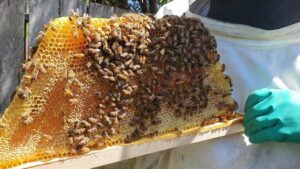
Harvesting honey is both an art and a science. The goal is to collect honey without harming the colony.
Best practices include:
-
Harvest only capped honey to ensure quality.
-
Leave enough honey for the bees to survive dry seasons.
-
Use extractors and clean tools to prevent contamination.
For beginners, our Bee Keeper Starter Guide explains harvesting methods in detail.
4. Seasonal Strategies for Managing Langstroth Hives in Kenya
Kenya’s seasons directly influence bee behavior and production.
Here’s what to expect:
-
Dry season: Provide water, shade, and supplements if flowers are scarce.
-
Rainy season: Prevent moisture buildup and protect hives from flooding.
-
Flowering periods: This is peak honey-flow season—time your harvesting wisely.
Planning your hive activities based on the season helps ensure high yields and healthy colonies.
5. Scaling Your Apiary by Managing Langstroth Hives in Kenya Properly
Langstroth hives are highly scalable because of their modular structure. Expansion becomes easier when colonies grow strong.
To scale efficiently:
-
Add supers as the colony expands.
-
Rotate frames to keep honey production high.
-
Split strong colonies to create new hives.
Scaling your bee farm with Langstroth hives is one of the most profitable decisions in modern Kenyan beekeeping.
6. Using the Right Equipment When Managing Langstroth Hives in Kenya
The tools you use greatly influence the success of your hive management efforts.
You will need:
-
Protective clothing and gloves
-
Smokers for calming bees
-
Honey extractors
-
Frame lifters and uncapping tools
Find reliable and durable beekeeping tools on our bee equipment suppliers page.
7. Importance of Record-Keeping
Keeping accurate records helps you evaluate your bees’ performance.
Records should include:
-
Harvest dates and honey amounts
-
Feeding schedules
-
Pest control treatments
-
Queen replacement dates
-
Colony growth progress
Record-keeping allows you to track patterns and make informed decisions that boost productivity.
8. Beginner-Friendly Tips for Managing Langstroth Hives in Kenya
If you are new to beekeeping in Kenya:
-
Start with 2–5 Langstroth hives before scaling.
-
Join local beekeeping groups for mentorship.
-
Stay consistent with inspections.
-
Use high-quality equipment for safety and efficiency.
-
Call tel: 0117022418 personalized guidance from Chick Bee Farming.
Conclusion: Mastering the Art of Managing Langstroth Hives in Kenya
Mastering the techniques of managing Langstroth hives in Kenya leads to stronger colonies, higher honey yields, and a more profitable beekeeping venture. With proper inspections, colony health management, seasonal planning, and quality tools, you can build a successful and sustainable apiary.
To start your journey or expand your bee farm, explore our Langstroth hives sale in Kenya or call tel: 0119076723
indicac~ao da binance
Your point of view caught my eye and was very interesting. Thanks. I have a question for you. https://www.binance.com/en/register?ref=JHQQKNKN
admin
Thanks,ask the quiz