


The Ultimate Guide to Profitable Poultry Farming in Kenya (2026
Poultry farming in Kenya has completely transitioned from a casual backyard hobby into a highly profitable, structured commercial agribusiness. Driven by an expanding urban middle class in cities like Nairobi, Nakuru, and Kisumu, the demand for high-quality organic white meat and rich, yellow-yolked eggs is at an all-time high.
However, running a successful poultry farm requires more than just buying birds and throwing feed on the ground. To survive fluctuating feed costs and protect your margins, you must treat your farm as a business. This means mastering three pillars: procurement of stock, structural efficiency, and disciplined flock age management.
This comprehensive guide breaks down the exact strategies successful Kenyan poultry entrepreneurs are using to achieve low mortality rates, slash feed wastage, and maximize return on investment (ROI).
1. Choosing Your Entry Point: Day-Old vs. 1-Month-Old Chicks
The first critical decision that will dictate your production budget and structural setup is deciding the exact maturity level of the chicks you bring to your farm.
Sourcing Day-Old Chicks for Maximum Capital Control
For experienced farmers who already possess calibrated brooding systems, starting with day-old chicks offers the lowest upfront purchase cost per bird. This allows you to manage the crucial early nutritional stages yourself.
When establishing your infrastructure, it is vital to source your stock from trusted, certified hatcheries that offer concrete genetic guarantees for fast-growing breeds like KALRO Improved Kienyeji, Kuroiler, Rainbow Rooster, and Sasso. If you want to bypass long hatchery waiting lists and secure verified, healthy starters right in the capital, you can explore specialized booking options to buy one day old chicks in Nairobi.

Mitigating Risk with 1-Month-Old Grown Chicks
For beginners, busy professionals, or farms without 24-hour brooding supervision, the day-old stage can introduce high mortality risks due to temperature drops or complex early vaccine errors. This is why a majority of profitable farms now opt to buy grown-out juveniles.
By investing in birds that have passed through the fragile first 28 days of life, you effectively hand over the stress of strict hourly temperature regulation to professionals. If you want to skip the high-risk brooding phase completely, you can purchase fully grown, resilient, and pre-vaccinated 1-month-old Kienyeji chicks for sale in Kenya, which are ready to adapt quickly to standard deep litter environments.
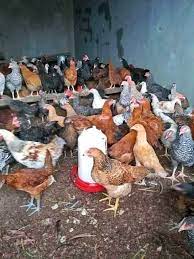
Setting Up Your Infrastructure: Essential Poultry Equipment
Your housing and feeding setup represents your largest fixed capital expenditure. Skimping on high-quality structural tools is the primary reason farms suffer from chronic respiratory illnesses or crippling feed losses (which typically consume up to 70% of running operational costs).
To maintain absolute hygienic standards and eliminate feed scratch loss, your poultry structure must be outfitted with specialized agricultural tools. Below is an essential equipment baseline for planning a high-efficiency layout:
Investing in high-yield assets like dual-power automated incubators or waste-reducing troughs protects your ongoing margins. To compare the latest market rates and build a robust structural budget for your coop, refer to our comprehensive master breakdown of poultry farming equipment prices in Kenya.
3. Step-by-Step Production Timeline for New Flocks
To ensure high flock uniformity and maximize production speed, follow this strict operational sequence from preparation to ultimate market exit:
4. Frequently Asked Questions (Poultry Agribusiness Kenya)
What is the most profitable poultry breed to rear in Kenya?
For small to medium-scale farmers, Improved Kienyeji breeds (such as KALRO, Kuroiler, and Rainbow Rooster) currently yield the highest profit margins. Unlike exotic layers that require costly commercial feeds and strict environment stabilization, Improved Kienyeji chickens possess robust natural immunity, command premium prices for both meat and eggs in urban markets, and can easily digest low-cost alternative proteins.
How do I stop high chick mortality rates during the first week?
Early chick mortality is almost always triggered by chilling (inadequate heat), dehydration, or contaminated litter. Ensure your heat sources are turned on 6 hours before your chicks arrive, block out all cold drafts while maintaining ridge ventilation for fresh air exchange, and use enclosed automatic drinkers to keep water pure.
Ready to Stock or Upgrade Your Poultry Venture?
Achieving success in poultry farming comes down to taking action with the right partners. Whether you need premium day-old starters, resilient 1-month grown juveniles, or professional installation equipment, our farm desk is ready to facilitate safe countrywide delivery.
Need Quick Pricing or Placing an Order?
For a complete, real-world perspective on handling birds during their high-production cycle, check out this practical walkthrough on How to Start a Profitable Layer Chicken Farm. This video breaks down the daily management, stress-reduction techniques, and exact feeding regimes necessary to maintain smooth production all the way from week 16 to week 100 without facing costly shocks.