


How to Reduce Chicken Feed Costs & Maximize Profit in Kenya
How to Slash Chicken Feed Costs and Maximize Poultry Profits in Kenya
The poultry sector in Kenya is highly lucrative, but it is also unforgiving. Walk into any agricultural agrovets in Kiambu, Nakuru, or Nairobi, and you will see commercial layers mash or growers feed commanding historically high prices per 50kg bag. Because feeding alone accounts for up to 70% of a poultry farm’s total operational expenses, your ability to control this cost directly dictates whether your farm succeeds or fails.
Many farmers assume that maximizing profit means buying cheaper, low-quality feed. However, that strategy backfires by stunting bird growth and slashing egg production.
The most successful poultry entrepreneurs use smart, scientific feed management, alternative protein integration, and disciplined flock procurement to protect their margins. This comprehensive 2026 blueprint reveals the exact steps to optimize your feed-to-profit ratio.
1. The Alternative Protein Revolution: BSF and Azolla
To break away from complete reliance on expensive commercial milling companies, smart farmers are integrating homegrown, high-protein supplements into their birds’ daily rations. This is particularly effective for semi-intensive and Improved Kienyeji production systems.
Black Soldier Fly (BSF) Larvae
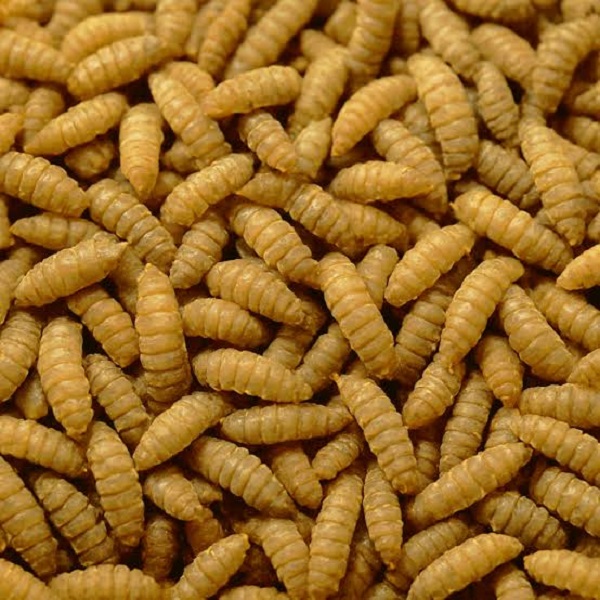
Black Soldier Fly larvae are a powerhouse alternative, boasting a massive crude protein content of up to 42%. By establishing a small, low-maintenance BSF breeding unit on your farm using clean organic food waste, you can harvest live larvae to supplement your birds. Replacing just 20% to 30% of commercial mash with BSF larvae can cut your monthly feed bills dramatically while boosting bird growth rates due to the highly digestible animal protein.
Homegrown Azolla Ponds
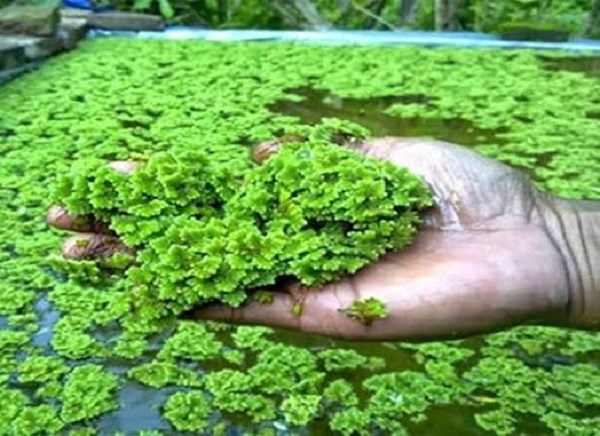
Azolla is a free-floating aquatic fern that grows incredibly fast and packed with up to 25% crude protein, alongside essential amino acids. Setting up a simple, lined mud pond shaded by trees allows you to harvest fresh Azolla every single day. For mature Kienyeji growers and layers, feeding them a mix of 70% commercial feed and 30% fresh Azolla satisfies their nutritional requirements at zero extra cost.
2. Structural Waste Elimination: Upgrading Farm Infrastructure
Sometimes, your feed isn’t too expensive; it’s just being wasted. Poorly constructed feeding setups allow chickens to scratch, scatter, and contaminate their food on the coop floor.
Once feed mixes with the wood shavings or poultry litter, it becomes unconsumable and breeds toxic aflatoxins or bacterial diseases like Coccidiosis.
To permanently stop this financial leak, you must transition to commercial-grade infrastructure. Using hanging conical feeders equipped with anti-scratch rings prevents birds from kicking feed out. Similarly, moving from open water trays to fully enclosed automatic nipple or bell systems keeps the coop dry and your birds disease-free.
To review budget-friendly options and outfit your coop with waste-reducing assets, look through our updated catalog of specialized poultry farming equipment prices in Kenya.
3. How Bird Selection Dictates Your Long-Term Feed ROI
Your feed conversion ratio (FCR)—how many kilograms of feed a bird must consume to produce one kilogram of meat or a tray of eggs—is determined the exact day you buy your chicks.
4. Frequently Asked Questions (Poultry Economics Kenya)
How much feed does a Kienyeji chicken consume from day-old to maturity?
On average, an Improved Kienyeji chicken will consume approximately 4.5kg to 5.0kg of feed over a 4.5-month period to reach a prime market weight of 2.0kg to 2.5kg. By implementing alternative proteins like Azolla or BSF during the grower stage, you can reduce the commercial feed component of this down to roughly 3.5kg per bird.
Why are my chickens eating heavily but not gaining weight or laying eggs?
This common problem is typically caused by two factors: poor feed quality (low crude protein or high fiber content) or heavy worm infestations. Ensure you purchase feed from verified manufacturers or follow accurate formulation percentages, and establish a strict deworming schedule every 8 to 12 weeks.
Secure High-Yield Stock & Assets Today
Minimizing farm costs requires partnering with a reliable team. Whether you need highly optimized, resilient day-old chicks, fully grown 1-month starters, or professional automated equipment to stop feed wastage, our team coordinates direct transit to your location.
-
Need Quick Pricing or Placing an Order?
ilience of the local poultry value chain and to see how modern integrated methods are creating scalable farming success stories across the country, check out this insightful report on Mixed poultry farming transforms lives as Kenya’s sector shows resilience. This video showcases real-world integrations that help farmers build bulletproof agricultural income streams despite fluctuating commercial feed markets.