


How to Start Poultry Farming in Kenya – Complete Beginner Guide
How to Start Poultry Farming in Kenya: Complete Beginner Guide (2026)
Poultry farming in Kenya continues to attract farmers because it offers flexible startup opportunities, manageable expansion, and multiple income streams. Whether your goal is producing eggs, raising birds for meat, or building a diversified agricultural business, success begins with planning and strong management systems.
One of the most common questions beginners ask is:
How do I start poultry farming in Kenya successfully?
The answer starts with choosing the right birds, preparing housing, creating a feeding plan, and managing growth carefully.
This guide explains practical steps to help new and growing farmers build a stronger poultry foundation.
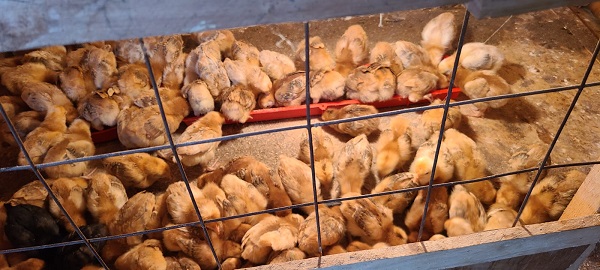
Why Poultry Farming in Kenya Continues to Grow
Poultry remains popular because farmers can start gradually and expand over time.
Common reasons farmers choose poultry:
- Flexible startup options
- Growing food demand
- Opportunity to scale
- Suitable for diversified farming
Unlike many agricultural projects, poultry allows gradual growth without requiring large operations from day one.
Step 1: Choose Your Poultry Farming Goal
Before purchasing birds, define your objective.
Different goals require different approaches.
Egg Production
Focus on birds selected for laying.
Suitable for:
- Small businesses
- Commercial egg projects
- Long-term production
Meat Production
Focused on faster production cycles.
Suitable for:
- Commercial sales
- Farm expansion
Mixed Production
Combines meat and egg goals.
Suitable for:
- Diversified farms
- Flexible growth plans
Your production goal influences future decisions.
Step 2: Start with Healthy Chicks
The quality of your birds affects future performance.
When selecting chicks, farmers usually consider:
- Activity levels
- Uniform appearance
- Adaptation potential
- Management goals
If you are planning to begin with younger birds, explore our guide on buying one day old chicks in Nairobi to understand preparation and poultry planning.
Starting correctly creates better long-term consistency.
Step 3: Prepare Poultry Housing
Housing strongly influences comfort and productivity.
Good housing should provide:
Ventilation
Fresh airflow supports healthier conditions.
Protection
Reduce exposure to difficult weather.
Accessibility
Make feeding and cleaning easier.
Space Planning
Prevent unnecessary crowding.
Housing decisions become more important as flock size increases.
Step 4: Develop a Feeding Plan
Feed management supports growth and consistency.
Focus on:
Consistency
Maintain regular feeding routines.
Water Availability
Provide clean water continuously.
Observation
Monitor feeding behavior.
Storage Planning
Protect feed quality.
Small improvements often create stronger outcomes.
Step 5: Build Daily Farm Routines
Successful poultry farmers rarely depend on guesswork.
Daily routines improve management.
Monitor:
- Feeding activity
- Water use
- Housing condition
- Bird behavior
Observation supports earlier decision-making.
Common Mistakes New Poultry Farmers Make
Avoid these common issues.
Read our detailed Quide on common mistakes farmers doo and how to avoid them
Expanding Too Quickly
Build systems before increasing flock size.
Weak Preparation
Prepare before birds arrive.
Irregular Monitoring
Daily routines improve consistency.
Poor Record Keeping
Tracking helps identify improvements.
How to Grow from Small Scale to Commercial Poultry Farming
Many successful farms start small.
A gradual model often works best.
Phase One — Learn
Understand management.
Phase Two — Improve
Create consistency.
Phase Three — Expand
Increase production carefully.
Phase Four — Build Systems
Create repeatable routines.
Expansion becomes easier with structure.
Diversifying Beyond Poultry
Many farmers reduce risk by combining activities.
Popular combinations include:
- Poultry and beekeeping
- Poultry and crop farming
- Poultry and agribusiness services
If you are exploring diversification opportunities, learn more about modern beekeeping using Langstroth hives in Kenya through our complete guide.
You can also continue with our detailed Langstroth hive Kenya buying guide and updated
Langstroth hive Kenya guide 2026 to understand how beekeeping supports additional farm income.
Natural internal linking strengthens both user experience and site authority.
Signs Your Poultry Farm Is Growing Well
Watch for:
✔ Consistent routines
✔ Organized housing
✔ Better feeding management
✔ Planned expansion
Small improvements accumulate over time.
Frequently Asked Questions
Is poultry farming profitable in Kenya?
Results depend on planning, management, and production goals.
Can beginners start small?
Yes. Many successful farms begin gradually.
Which birds should beginners choose?
Choose according to production goals.
Should poultry farming be diversified?
Many farmers combine activities for stability.
Start Your Poultry Farming Journey Today
Good poultry businesses often begin with planning and healthy stock.
If you are preparing to start, continue reading our poultry resources and build a stronger farming foundation.
Contact Chickmaster
📱 Call / WhatsApp: 0119 076 723
📧 Email: info@chickbeefarming.co.ke
🌐 Chickmaster Website