


How to Start a Poultry Farm in Kenya
How to Start a Poultry Farm in Kenya (2026 Step-by-Step Guide)
Poultry farming is one of the fastest-growing agribusiness opportunities in Kenya, offering farmers a reliable source of income through the sale of chicken meat, eggs, breeding stock, and poultry manure. With increasing demand from households, hotels, supermarkets, schools, and restaurants, poultry products continue to enjoy a strong and expanding market. Whether you want to start a small backyard flock or establish a large commercial enterprise, success begins with proper planning and professional farm setup.
Many first-time farmers make costly mistakes such as choosing the wrong poultry breed, constructing poorly ventilated poultry houses, buying unhealthy chicks, or failing to implement proper biosecurity measures. These mistakes often lead to slow growth, disease outbreaks, high mortality, and financial losses.
Learning how to start a poultry farm in Kenya the right way gives you a competitive advantage and increases your chances of building a profitable and sustainable poultry business.
At Chickbee Farming, we help farmers across Kenya establish successful poultry projects through our Poultry Farm Setup Services in Kenya. From farm planning and poultry house construction to equipment installation, consultancy, and healthy chick supply, we provide complete solutions that help farmers start with confidence.
Why Poultry Farming Is Profitable in Kenya
The poultry industry in Kenya continues to expand because of rising demand for affordable, high-quality animal protein. Chicken meat and eggs are consumed daily in homes, restaurants, institutions, and hotels, creating a consistent market throughout the year.
Some of the reasons why poultry farming remains profitable include:
- High demand for chicken meat.
- Growing consumption of eggs.
- Quick return on investment.
- Flexible startup capital.
- Fast flock expansion.
- Multiple income streams.
- Strong demand for improved chicken breeds.
Unlike many agricultural enterprises that require several years before generating income, poultry farming can begin producing returns within a few months, depending on the breed and production system.
Farmers can earn income by selling:
- Broiler chickens.
- Eggs.
- Day-old chicks.
- One-month-old chicks.
- Breeding stock.
- Poultry manure.
With proper management and marketing, poultry farming can become a dependable long-term business.
Step 1: Define Your Poultry Farming Goals
Before purchasing chicks or constructing a poultry house, determine exactly what you want to achieve.
Your farming objective will influence:
- The poultry breed.
- Housing design.
- Feeding programme.
- Equipment requirements.
- Marketing strategy.
- Investment budget.
Common poultry farming enterprises include:
Broiler Farming
Broiler chickens are raised mainly for meat production. They grow rapidly and are ready for market within a short period, making them suitable for commercial meat businesses.
for broiler chicks oder here
Layer Farming
Layers are kept primarily for egg production. They require specialised feeding and housing to maintain high egg output.
Sasso Chicken Farming
Sasso chickens are popular among Kenyan farmers because they combine fast growth with excellent meat quality. They are suitable for farmers targeting premium poultry markets.
sasso chicks order here
Kuroiler Chicken Farming
Kuroiler chickens are hardy dual-purpose birds that produce both meat and eggs. They perform well under free-range and semi-intensive systems.
for farmers interested with kuroiler chicken farming, visit our sale page today and make order with us today kuroiler chicks for sale
Improved Kienyeji Farming
Improved kienyeji chickens remain one of the most profitable options for farmers targeting consumers who prefer traditional-tasting chicken and eggs.farmer interested in purchasing improved kienyeji chicks visit or sale page today and make orders with us
Choosing the right enterprise from the beginning helps maximise profitability and simplifies farm management.
Step 2: Prepare a Poultry Farming Business Plan
Every successful poultry business starts with a well-prepared business plan.
Your plan should outline:
- Business objectives.
- Number of birds.
- Startup budget.
- Expected operating costs.
- Target market.
- Marketing strategy.
- Expansion plans.
- Risk management.
A business plan serves as a roadmap and helps you make informed financial decisions.
It is also useful when seeking funding from banks, SACCOs, government programmes, or development partners.
Step 3: Choose the Right Location
Location plays a major role in poultry farm success.
A suitable poultry farm should have:
- Reliable water supply.
- Good road access.
- Proper drainage.
- Security.
- Electricity (where available).
- Adequate space for expansion.
- Safe distance from residential areas and other poultry farms.
Avoid low-lying areas that flood during heavy rains, as damp conditions increase the risk of disease and reduce bird comfort.
Proper site selection also improves ventilation and simplifies waste management.
Step 4: Build a Suitable Poultry House
A poultry house provides shelter, protects birds from predators, and creates an environment that supports healthy growth and high productivity.
A well-designed poultry house should include:
- Good natural ventilation.
- Adequate lighting.
- Strong roofing.
- Dry flooring.
- Easy drainage.
- Sufficient floor space.
- Secure fencing.
- Convenient access for cleaning and feeding.
The design should match the production system you intend to use.
Common housing systems include:
- Deep litter houses.
- Free-range shelters.
- Semi-intensive poultry houses.
- Commercial poultry units.
Constructing a poultry house without proper planning often results in overcrowding, poor airflow, and unnecessary disease outbreaks.
Professional guidance helps ensure your poultry house is efficient, durable, and easy to manage. Ou Poultry Farm Setup Services in Kenya include poultry house design, construction, and equipment installation for projects of all sizes.
Step 5: Select the Best Poultry Breed
Choosing the right breed is one of the most important decisions you will make.
Different breeds are suited to different farming objectives.
| Poultry Breed | Best For |
|---|---|
| Broilers | Commercial meat production |
| Layers | Egg production |
| Sasso | Premium meat and dual-purpose farming |
| Kuroiler | Meat, eggs, and free-range farming |
| Improved Kienyeji | Traditional meat and egg markets |
Before purchasing birds, consider:
- Growth rate.
- Feed efficiency.
- Market demand.
- Disease resistance.
- Management requirements.
- Your farming experience.
Buying healthy, vaccinated chicks from a trusted supplier gives your poultry business the best possible start and reduces the risk of disease and poor performance.
Step 6: Purchase Essential Poultry Equipment
Quality equipment improves efficiency, reduces feed wastage, and promotes bird health.
Essential equipment includes:
| Equipment | Purpose |
|---|---|
| Feeders | Reduce feed wastage |
| Drinkers | Provide clean water |
| Brooders | Keep chicks warm during brooding |
| Heat Source | Maintain proper chick temperature |
| Brooder Guards | Prevent chicks from wandering |
| Water Tank | Reliable water storage |
| Storage Containers | Protect feed from moisture and pests |
| Wheelbarrow | Waste and feed transport |
| Cleaning Equipment | Maintain hygiene |
Investing in durable equipment reduces maintenance costs and improves long-term farm performance.
for durable farm eQuipments visit our sales page on premium poultry farm equipment in kenya oder with us today
Step 7: Buy Healthy Chicks
The quality of your chicks determines the future success of your flock.
Healthy chicks should be:
- Active and alert.
- Bright-eyed.
- Free from deformities.
- Uniform in size.
- Properly vaccinated.
- From a reputable hatchery or supplier.
Avoid buying chicks based solely on the lowest price. Healthy birds may cost slightly more initially but usually result in better growth, lower mortality, and higher profits.
At Chickbee Farming, we supply healthy broiler, Sasso, Kuroiler, and improved kienyeji chicks, together with practical guidance to help farmers raise productive flocks.
order chicks here
Step 8: Feed Your Chickens Properly
Proper nutrition is one of the most important factors in successful poultry farming. Feed accounts for approximately 60–70% of the total production cost, making it essential to provide the right feed at every stage of growth.
Each poultry breed has different nutritional requirements depending on its age and production purpose. Feeding high-quality rations helps birds grow faster, improves feed conversion, strengthens immunity, and increases egg or meat production.
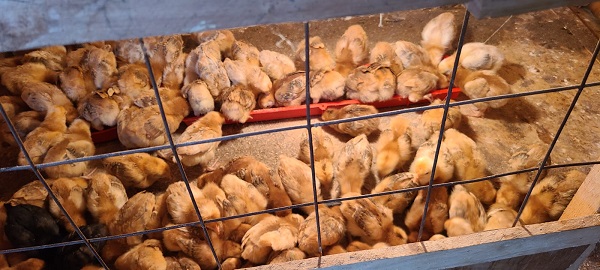
Recommended Feeding Programme
| Bird Age | Recommended Feed | Purpose |
|---|---|---|
| 0–8 Weeks | Chick Mash | Supports healthy growth and strong immunity |
| 9–18 Weeks | Growers Mash | Promotes muscle and skeletal development |
| 18 Weeks and Above | Layers Mash | Maximizes egg production in laying hens |
| Broilers | Broiler Starter & Finisher | Rapid weight gain and efficient meat production |
In addition to quality feed:
- Provide clean drinking water at all times.
- Store feed in a cool, dry place.
- Feed birds consistently at the same time each day.
- Avoid sudden changes in feed brands or formulations.
- Remove spoiled or contaminated feed immediately.
Good feeding practices reduce stress and improve overall flock performance.
Step 9: Implement a Vaccination and Biosecurity Programme
Disease outbreaks are one of the biggest threats to poultry farming. A single outbreak can cause heavy losses through mortality, poor growth, and reduced egg production.
Every poultry farm should have a vaccination schedule and a strong biosecurity plan.
Essential Biosecurity Practices
- Restrict unnecessary visitors.
- Disinfect footwear before entering poultry houses.
- Clean and disinfect feeders and drinkers regularly.
- Isolate sick birds immediately.
- Dispose of dead birds safely.
- Control rodents and wild birds.
- Keep poultry houses dry and well ventilated.
Vaccinating your flock against common poultry diseases protects your investment and improves long-term productivity.
Step 10: Keep Accurate Farm Records
Successful poultry farmers make decisions based on records, not guesswork.
Maintain records of:
- Number of birds purchased.
- Daily feed consumption.
- Vaccinations and treatments.
- Mortality rates.
- Egg production.
- Bird sales.
- Expenses.
- Income.
Accurate records help you:
- Measure profitability.
- Identify production problems early.
- Reduce unnecessary costs.
- Plan future expansion.
Even small-scale farmers benefit from simple record-keeping systems.
Step 11: Market Your Poultry Products
Before your birds are ready for sale, identify reliable markets for your products.
Potential customers include:
- Individual households.
- Hotels and restaurants.
- Supermarkets.
- Butcheries.
- Schools and institutions.
- Local traders.
- Farmers looking for breeding stock.
Building relationships with buyers before production is complete helps ensure a steady market and better prices.
Marketing through social media platforms, your website, and referrals can also increase sales and expand your customer base.
Common Mistakes New Poultry Farmers Should Avoid
Many beginners lose money because of avoidable mistakes.
Buying Poor-Quality Chicks
Always purchase healthy, vaccinated chicks from a reputable supplier.
Overcrowding
Too many birds in a small space increases stress, disease transmission, and competition for feed and water.
Poor Ventilation
Poor airflow leads to respiratory problems and reduces bird performance.
Inadequate Feeding
Using poor-quality feed or underfeeding birds slows growth and reduces profitability.
Ignoring Vaccination
Skipping vaccinations exposes birds to preventable diseases that can wipe out an entire flock.
Lack of Biosecurity
Allowing unrestricted visitor access, poor sanitation, and improper waste disposal increases the risk of disease outbreaks.
Poor Financial Planning
Failing to budget for feed, medication, labour, and emergencies can disrupt farm operations and reduce profits.
Estimated Startup Costs for a Small Poultry Farm
The amount you need depends on the number of birds, the housing system, and the equipment you choose.
| Item | Estimated Cost (KSh) |
|---|---|
| Poultry House Construction | 50,000 – 250,000+ |
| Feeders & Drinkers | 5,000 – 20,000 |
| Brooding Equipment | 8,000 – 25,000 |
| Healthy Chicks | Depends on breed and quantity |
| Feed | Varies with flock size |
| Vaccination & Medication | Based on flock size |
| Miscellaneous Expenses | Site specific |
For an accurate estimate, it is advisable to request a customized quotation based on your project requirements.
Why Choose Chickbee Farming?
Starting a poultry farm is easier when you work with experienced professionals.
At Chickbee Farming, we provide complete poultry farm solutions that help farmers avoid costly mistakes and build profitable businesses.
Our services include:
- Poultry farm planning.
- Poultry house design.
- Poultry house construction.
- Poultry equipment installation.
- Poultry farming consultancy.
- Healthy chick supply.
- Technical support.
- Farm expansion planning.
Whether you are starting with 100 birds or planning a commercial poultry enterprise, our team is ready to help.
Frequently Asked Questions
Is poultry farming profitable in Kenya?
Yes. Poultry farming remains one of Kenya’s most profitable agricultural enterprises due to the growing demand for chicken meat and eggs.
Which poultry breed is best for beginners?
The best breed depends on your goals. Broilers are ideal for meat production, layers for eggs, while Sasso, Kuroiler, and improved kienyeji chickens are excellent dual-purpose options.
How many chickens should I start with?
Beginners often start with 50–200 birds, depending on their available space, experience, and budget. As your skills and market grow, you can gradually expand your flock.
How much land do I need for poultry farming?
The land required depends on the production system and the number of birds. Proper spacing is essential to maintain bird health and support future expansion.
Do I need professional poultry farm setup services?
Professional farm setup helps reduce mistakes, improves biosecurity, and ensures your poultry house, equipment, and management systems are designed for long-term success.
Contact Chickbee Farming
Ready to start your poultry farming journey? Our experienced team can help you plan, design, and establish a productive poultry farm anywhere in Kenya.
💬 WhatsApp Us
Learning how to start a poultry farm in Kenya is the first step toward building a successful agribusiness. By selecting the right poultry breed, constructing a well-designed poultry house, providing balanced nutrition, maintaining strong biosecurity, and keeping accurate records, you can significantly improve your chances of long-term success.
Whether you want to produce meat, eggs, or breeding stock, proper planning is the key to profitability. At Chickbee Farming, we are committed to helping farmers across Kenya establish efficient, productive, and sustainable poultry farms through professional setup services, expert consultancy, and ongoing technical support.
Contact us today and let us help you turn your poultry farming idea into a thriving and profitable business.