


Cost of Starting a Poultry Farm in Kenya
Cost of Starting a Poultry Farm in Kenya
One of the first questions aspiring poultry farmers ask is “How much does it cost to start a poultry farm in Kenya?” The answer depends on several factors, including the number of birds you plan to keep, the poultry breed you choose, the production system, and the type of infrastructure you need.
Poultry farming remains one of Kenya’s most profitable agribusiness opportunities because of the increasing demand for chicken meat, eggs, and improved poultry breeds. However, starting successfully requires more than simply buying chicks. You need proper planning, a realistic budget, quality housing, suitable equipment, and healthy birds.
Many farmers underestimate the actual investment required and end up facing cash flow problems before their birds reach market age. Creating a detailed budget before starting allows you to prepare adequately and avoid unnecessary financial stress.
At Chickbee Farming, we help farmers across Kenya establish successful poultry projects through our Poultry Farm Setup Services in Kenya. We provide professional consultancy, poultry house design, construction, equipment installation, and healthy chick supply to ensure your investment starts on the right foundation.
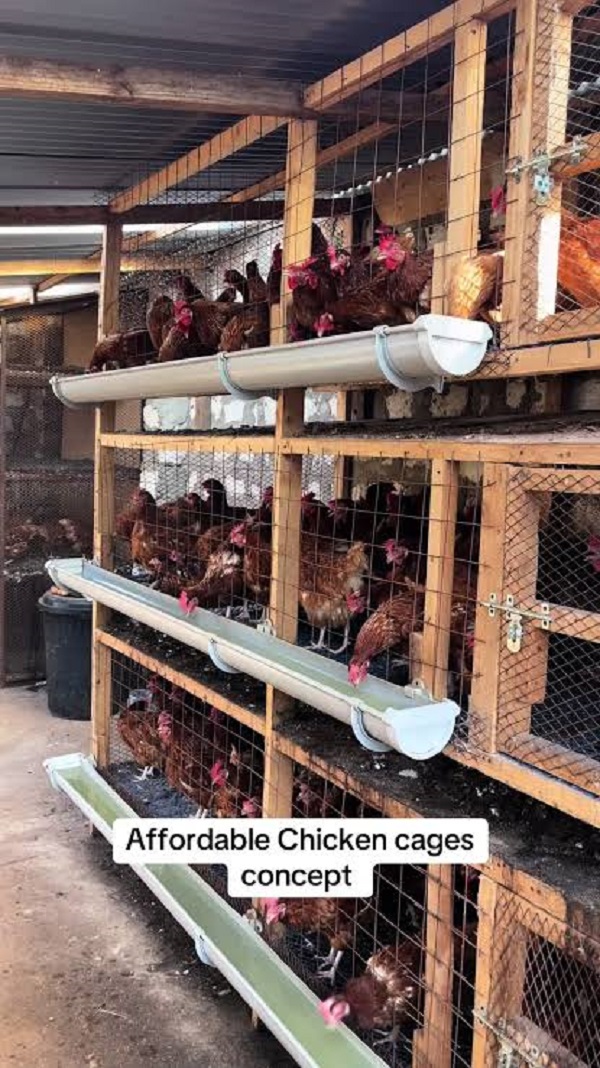
Why Budgeting Is Important Before Starting a Poultry Farm
Every successful poultry business begins with a clear financial plan. Budgeting helps you understand the amount of capital required and ensures you allocate enough resources for every stage of production.
A good poultry farming budget helps you:
- Estimate startup capital.
- Avoid unexpected expenses.
- Plan cash flow.
- Purchase quality equipment.
- Buy healthy chicks.
- Maintain proper feeding programmes.
- Prepare for emergencies.
- Measure profitability.
Without proper budgeting, farmers often compromise on housing, feed quality, or disease prevention, which can significantly reduce profits.
Factors That Affect the Cost of Starting a Poultry Farm
The total investment varies from one project to another.
Some of the main factors include:
- Number of birds.
- Poultry breed.
- Production system.
- Cost of land.
- Poultry house design.
- Equipment requirements.
- Labour.
- Feed prices.
- Water availability.
- Electricity.
A farm designed for 100 birds requires a much smaller investment than a commercial farm housing several thousand birds.
Land and Site Preparation Costs
If you already own suitable land, your startup costs will be lower. Farmers who need to purchase or lease land should include this in their overall investment budget.
Site preparation may involve:
- Land clearing.
- Levelling.
- Drainage improvements.
- Fencing.
- Water connection.
- Electricity connection.
- Access roads.
Estimated Site Preparation Costs
| Item | Estimated Cost (KSh) |
|---|---|
| Land Clearing | 5,000 – 30,000 |
| Fencing | 20,000 – 150,000 |
| Water Installation | 10,000 – 60,000 |
| Electricity Connection | Varies by location |
| Drainage Improvements | 10,000 – 40,000 |
These costs depend on the size and condition of the site and whether basic infrastructure is already available.
Poultry House Construction Costs
The poultry house is one of the most important investments in your poultry project. A well-designed house protects birds from harsh weather, predators, and disease while providing adequate ventilation and comfort.
Construction costs vary depending on:
- Building materials.
- House size.
- Roofing type.
- Flooring.
- Labour.
- Production system.
Estimated Poultry House Construction Costs
| Poultry House Size | Estimated Cost (KSh) |
|---|---|
| Small (100 Birds) | 50,000 – 120,000 |
| Medium (500 Birds) | 180,000 – 450,000 |
| Commercial (1,000+ Birds) | 500,000+ |
Professional poultry house design improves bird welfare, reduces mortality, and allows easier expansion as your business grows.
Through our Poultry Farm Setup Services in Kenya, Chickbee Farming designs and constructs poultry houses that are tailored to your flock size, budget, and production goals.
Poultry Equipment Costs
Quality equipment increases efficiency, improves hygiene, and reduces feed wastage.
Essential equipment includes:
| Equipment | Estimated Cost (KSh) |
|---|---|
| Feeders | 3,000 – 15,000 |
| Drinkers | 2,500 – 12,000 |
| Brooders | 5,000 – 20,000 |
| Heat Lamps | 2,000 – 10,000 |
| Brooder Guards | 3,000 – 8,000 |
| Water Tank | 8,000 – 35,000 |
| Feed Storage Containers | 2,000 – 8,000 |
| Cleaning Equipment | 2,000 – 6,000 |
The quantity and type of equipment required will depend on the number of birds and the production system you choose.
Investing in durable equipment reduces maintenance costs and improves overall farm management.
Cost of Buying Chicks
The breed you select has a significant impact on your startup budget.
Some breeds are designed primarily for meat production, while others are better suited for egg production or dual-purpose farming.
Estimated Chick Prices
| Poultry Breed | Estimated Price Per Chick (KSh) |
|---|---|
| Broiler Chicks | 100 – 170 |
| Improved Kienyeji Chicks | 120 – 180 |
| Kuroiler Chicks | 120 – 180 |
| Sasso Chicks | 120 – 180 |
| Layer Chicks | 120 – 180 |
Always buy healthy, vaccinated chicks from a trusted supplier. Cheap, poor-quality chicks often result in higher mortality, slower growth, and increased veterinary costs.
Sample Budget for 100 Birds
The following example illustrates the approximate startup cost for a small poultry project.
| Item | Estimated Cost (KSh) |
|---|---|
| Poultry House | 70,000 |
| Equipment | 20,000 |
| 100 Chicks | 15,000 |
| Initial Feed | 25,000 |
| Vaccination & Medication | 8,000 |
| Water & Utilities | 5,000 |
| Miscellaneous | 10,000 |
Estimated Startup Budget
KSh 153,000
This example is only a guide. Actual costs vary depending on your location, supplier prices, and the scale of your project. for improved kienyeji chicks order with us from our main page improved kienyeji chicks for sale make order and receive healthy vaccinated chicks
Why Professional Poultry Farm Setup Saves Money
Many farmers attempt to reduce startup costs by cutting corners during construction or purchasing low-quality equipment. While this may reduce the initial investment, it often leads to higher expenses later due to disease outbreaks, poor bird performance, and expensive repairs.
Working with experienced poultry professionals helps you:
- Avoid costly mistakes.
- Design efficient poultry houses.
- Select suitable equipment.
- Improve bird welfare.
- Increase productivity.
- Plan for future expansion.
Professional planning is an investment that can significantly improve the long-term profitability of your poultry farm.
Feed Costs
Feed is the largest recurring expense in poultry farming, accounting for 60–70% of the total production cost. Planning your feed budget before stocking your poultry house helps prevent interruptions that can affect bird growth and productivity.
The amount of feed required depends on:
- Poultry breed.
- Number of birds.
- Age of the birds.
- Feed quality.
- Production system.
- Feeding management.
Poor-quality feed may seem cheaper initially but often results in slower growth, poor feed conversion, reduced egg production, and increased disease susceptibility.
Estimated Feed Budget
| Number of Birds | Estimated Feed Cost (KSh) |
|---|---|
| 100 Birds | 25,000 – 45,000 |
| 500 Birds | 120,000 – 220,000 |
| 1,000 Birds | 240,000 – 450,000 |
Buying feed from reputable manufacturers and storing it correctly helps reduce wastage and maintain nutritional value.
Vaccination and Medication Costs
Disease prevention is far less expensive than treating a disease outbreak. Every poultry farmer should budget for vaccinations, vitamins, deworming, and emergency treatments.
Common health expenses include:
- Newcastle disease vaccination.
- Gumboro vaccination.
- Fowl pox vaccination.
- Deworming.
- Vitamins and supplements.
- Disinfectants.
- Veterinary consultation (when required).
Estimated Health Costs
| Number of Birds | Estimated Cost (KSh) |
|---|---|
| 100 Birds | 5,000 – 10,000 |
| 500 Birds | 20,000 – 45,000 |
| 1,000 Birds | 40,000 – 80,000 |
Maintaining a strict vaccination schedule protects your investment and improves flock performance.
Labour Costs
If you are managing a small flock yourself, labour costs may be minimal. However, medium and commercial farms usually require hired workers.
Labour responsibilities include:
- Feeding.
- Cleaning poultry houses.
- Collecting eggs.
- Monitoring bird health.
- Record keeping.
- Security.
- Waste management.
Estimated Labour Costs
| Farm Size | Estimated Monthly Labour Cost (KSh) |
|---|---|
| Small Farm | 0 – 20,000 |
| Medium Farm | 20,000 – 50,000 |
| Commercial Farm | 50,000+ |
Efficient farm design can reduce labour requirements and improve productivity.
Water and Electricity Costs
Water is essential for bird health, feed digestion, and cleaning poultry facilities.
Budget for:
- Water storage tanks.
- Water bills or borehole maintenance.
- Electricity.
- Heating equipment.
- Lighting.
- Water pumps.
Reliable utilities help maintain healthy birds and improve daily farm operations.
Estimated Startup Budget by Farm Size
The following estimates provide a general guide for different poultry farming scales.
| Farm Size | Estimated Investment (KSh) |
|---|---|
| 100 Birds | 150,000 – 250,000 |
| 500 Birds | 500,000 – 1,000,000 |
| 1,000 Birds | 1,000,000 – 2,500,000+ |
These figures vary depending on the poultry breed, construction materials, equipment quality, and your location.
Hidden Costs Many Farmers Forget
Many first-time poultry farmers only budget for chicks and housing, forgetting several important expenses.
These may include:
- Transport costs.
- Feed storage.
- Farm insurance.
- Generator backup.
- Security.
- Water tanks.
- Wheelbarrows.
- Cleaning chemicals.
- Record books.
- Protective clothing.
- Farm signage.
- Pest control.
Including these costs in your budget helps avoid unexpected financial pressure during production.
How to Reduce Poultry Farm Startup Costs
Starting a poultry farm does not always require a huge investment. Smart planning can significantly reduce costs without compromising bird welfare.
Some practical ways to save money include:
- Start with a manageable number of birds.
- Expand gradually as profits increase.
- Build only the housing you currently need.
- Purchase durable equipment instead of cheap alternatives.
- Buy healthy chicks from reliable suppliers.
- Minimize feed wastage through proper feeder placement.
- Practice strict biosecurity to avoid costly disease outbreaks.
- Keep accurate financial records.
Avoid taking shortcuts that may lead to expensive problems later.
Is Poultry Farming a Good Investment in Kenya?
Yes. Poultry farming remains one of the most attractive agricultural investments in Kenya due to the growing demand for chicken meat and eggs.
A well-managed poultry farm can generate income from:
- Meat sales.
- Egg production.
- Breeding stock.
- Day-old chicks.
- One-month-old chicks.
- Poultry manure.
Profitability depends on:
- Proper planning.
- Quality housing.
- Healthy chicks.
- Balanced nutrition.
- Disease prevention.
- Effective marketing.
Farmers who invest in professional planning generally achieve better productivity and long-term returns.
Frequently Asked Questions
How much money do I need to start poultry farming in Kenya?
A small poultry project may require approximately KSh 150,000–250,000, while larger commercial farms require substantially higher investment depending on capacity and infrastructure.
What is the biggest cost in poultry farming?
Feed is usually the largest operating expense, accounting for about 60–70% of production costs.
Can I start poultry farming with 100 chickens?
Yes. A flock of 100 birds is an excellent starting point for beginners because it allows farmers to gain practical experience before expanding.
Is poultry farming profitable in Kenya?
Yes. Demand for chicken meat and eggs continues to increase, making poultry farming one of Kenya’s most promising agribusiness sectors when managed professionally.
Should I hire professionals to set up my poultry farm?
Professional poultry farm setup helps reduce costly mistakes, improves housing efficiency, strengthens biosecurity, and creates a solid foundation for long-term profitability.
Why Choose Chickbee Farming?
At Chickbee Farming, we don’t just sell poultry—we help farmers build successful and profitable poultry businesses.
Our services include:
- Professional poultry farm setup.
- Poultry house design and construction.
- Poultry farming consultancy.
- Poultry equipment supply and installation.
- Biosecurity planning.
- Poultry management training.
- Healthy broiler chicks.
- Sasso chicks.
- Kuroiler chicks.
- Improved kienyeji chicks.
Whether you’re planning a small family poultry project or a commercial farm with thousands of birds, we provide practical solutions tailored to your goals and budget.
Contact Chickbee Farming
Ready to start your poultry farming journey? Contact our team today for expert advice and a customized quotation.
Final Thoughts
Understanding the cost of starting a poultry farm in Kenya is essential before investing your time and money. A realistic budget should cover land preparation, poultry house construction, equipment, healthy chicks, feed, labour, vaccinations, utilities, and contingency expenses.
With careful planning and professional guidance, poultry farming can provide a sustainable source of income and long-term business growth. Instead of guessing your startup costs, work with experienced professionals who can design a farm that fits your budget and production goals.
If you’re ready to build a profitable poultry enterprise, Chickbee Farming is here to help—from planning and construction to equipment installation, healthy chick supply, and ongoing technical support.