


How to Brood Day-Old Kienyeji Chicks
How to Brood Day-Old Kienyeji Chicks Successfully in Kenya
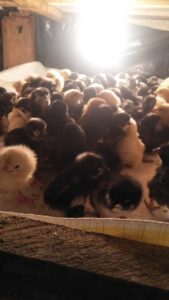
Brooding is the most critical stage in poultry farming, especially when raising day-old kienyeji chicks. Proper brooding determines chick survival, growth rate, and future productivity. Farmers who understand how to brood day-old chicks in Kenya reduce losses, save on medication, and achieve stronger, healthier flocks.
Whether you are starting poultry farming or expanding your project, mastering chick brooding is essential—especially if you invest in improved kienyeji chicks or vaccinated kienyeji chicks. For guaranteed results, consider professional chick brooding in Kenya to protect your investment.
What Is Day-Old Chick Brooding?
Day-old chick brooding is the process of providing controlled warmth, feed, water, and health care to chicks from their first day of life. Since chicks cannot regulate body temperature, they depend entirely on proper brooding conditions.
Farmers who buy quality stock such as improved kienyeji chicks for sale in Kenya must ensure brooding is done correctly to protect their investment.
Why Brooding Day-Old Chicks Is Challenging in Kenya
Many farmers struggle with chick brooding due to:
-
Unstable temperatures (cold nights, hot days)
-
Poor housing structures
-
Inadequate brooding equipment
-
Disease exposure and poor hygiene
These challenges explain why so many farmers choose professional chick brooding in Kenya services, especially when handling large numbers of chicks.
Ideal Brooding Temperature for Day-Old Chicks
Temperature control is the most important factor in brooding.
Recommended temperatures:
-
Week 1: 32–35°C
-
Week 2: 29–32°C
-
Week 3: 26–29°C
Incorrect temperatures lead to stress, piling, dehydration, and death. Professional brooding facilities maintain these temperatures consistently, which is difficult to achieve in home setups.
Feeding Day-Old Kienyeji Chicks During Brooding
Proper feeding supports immunity and growth.
Feeding guidelines:
-
Use high-quality chick starter feed
-
Provide clean water immediately after arrival
-
Add supplements during the first 3–5 days
-
Avoid wet or contaminated feed
Farmers who plan to rear healthy improved kienyeji chicks must combine proper brooding with correct feeding programs to maximize survival and growth.
Importance of Vaccination During Brooding
Vaccination helps protect chicks from common poultry diseases such as Newcastle and Gumboro. However, vaccination alone is not enough—poor brooding weakens immunity.
Farmers purchasing vaccinated kienyeji chicks for sale should still ensure:
-
Proper warmth
-
Stress-free handling
-
Clean water and feeders
-
Follow-up vaccination schedules
Combining vaccinated chicks with professional chick brooding in Kenya ensures maximum survival and growth.
Common Brooding Mistakes Farmers Make
Avoid these costly errors:
-
Poor ventilation
-
Using incorrect heat sources
-
Dirty drinkers and feeders
-
Delaying access to water
These mistakes explain why chick mortality is high during the first two weeks, especially for beginners.
read more on common mistakes and how to avoid them
When to Choose Professional Chick Brooding Services
You should consider chicks brooding services in Kenya if:
-
You are a beginner farmer
-
You lack proper brooding equipment
-
You are brooding large numbers of chicks
-
You want higher survival rates
Professional brooding allows chicks to grow strong before transfer to grower housing or free-range systems.
How Long Should Day-Old Chicks Be Brooded?
Most farmers brood chicks for:
-
21 days (recommended)
-
Up to 28 days for extra safety
After this period, chicks are feathered, strong, and ready for the next growth stage.
Final Thoughts on Brooding Day-Old Chicks in Kenya
Brooding determines the success or failure of poultry farming. Farmers who invest in quality chicks, follow correct brooding practices, and seek professional support experience higher profits and lower losses.
If you want guaranteed results, consider professional chick brooding in Kenya—it protects your investment and sets your poultry project on the right path.
📞 Call or WhatsApp: 0119076723