


Best Brooding Temperature
Best Brooding Temperature and Setup for Chicks in Kenya
Maintaining the correct brooding temperature and setup for chicks in Kenya is one of the most important factors in poultry farming success. Many farmers lose chicks not because of diseases, but due to poor temperature control and wrong brooding arrangements. Proper brooding ensures high survival rates, fast growth, and healthy flocks.
Whether you are raising day-old chicks, improved kienyeji chicks, or vaccinated kienyeji chicks, understanding the right brooding setup—or using professional chick brooding in Kenya—can greatly reduce losses.
Why Brooding Temperature Is Critical
Chicks cannot regulate their body temperature during the first weeks of life. Incorrect heat levels cause stress, slow growth, and death.
Common signs of temperature problems include:
-
Chicks crowding together (too cold)
-
Chicks moving far from the heat source (too hot)
-
Weak or noisy chicks
This is why many farmers rely on professional chick brooding in Kenya, where temperature is monitored continuously.
Recommended Brooding Temperature for Chicks
Ideal temperature guide:
-
Week 1: 32–35°C
-
Week 2: 29–32°C
-
Week 3: 26–29°C
Gradually reduce heat as chicks grow. Sudden temperature changes should be avoided, especially at night.
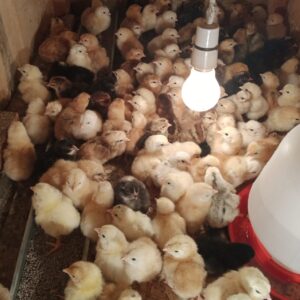
Best Brooding Setup for Chicks in Kenya
A proper brooding setup provides warmth, comfort, and safety.
Essential brooding equipment:
-
Heat source (charcoal jiko, bulbs, gas brooder)
-
Clean chick feeders and drinkers
-
Dry litter material (wood shavings)
-
Well-ventilated brooding house
-
Thermometer for temperature monitoring
Farmers who buy quality stock such as improved kienyeji chicks for sale in Kenya must ensure the brooding setup is ready before chicks arrive.
Space Requirements During Brooding
Overcrowding causes stress and disease spread.
Recommended space:
-
Week 1: 30–40 chicks per square meter
-
Week 2–3: Gradually increase space
Professional brooding facilities manage stocking density correctly, which improves chick comfort and survival.
Ventilation During Chick Brooding
Good ventilation removes moisture and harmful gases like ammonia while maintaining warmth.
Avoid:
-
Blocking all airflow
-
Direct cold drafts
Balanced ventilation is one reason professional chick brooding services in Kenya achieve high survival rates.
Feeding and Water Setup During Brooding
-
Provide clean water immediately after chick arrival
-
Use high-quality chick starter feed
-
Keep feeders and drinkers clean and accessible
Farmers planning to grow strong flocks should follow proven methods to rear healthy improved kienyeji chicks after brooding.
Vaccination and Health During Brooding
Even chicks purchased as vaccinated kienyeji chicks for sale need proper brooding to support immunity.
Poor temperature and stress weaken vaccine effectiveness, increasing disease risk.
When to Choose Professional Chick Brooding
You should consider professional chick brooding in Kenya if:
-
You lack proper brooding equipment
-
You are a beginner farmer
-
You are brooding many chicks
-
You want higher survival rates
👉 Learn more here:
Professional Chick Brooding in Kenya
Final Thoughts on Brooding Temperature and Setup
Correct brooding temperature and setup determine chick survival and performance. Farmers who prepare well or use professional brooding services experience fewer losses and better returns.
If you want peace of mind and guaranteed results, choose professional chick brooding in Kenya and give your chicks the best possible start.
📞 Call or WhatsApp: 0119076723