


Poultry Disease Control Guide in Kenya | Prevention, Symptoms & Treatment
Poultry Disease Control Guide in Kenya: Protecting Your Flock from Common Chicken Diseases
A healthy flock is the foundation of a profitable poultry farm. Whether you keep broilers, layers, or kienyeji chickens, diseases can spread quickly and cause reduced growth, lower egg production, increased mortality, and significant financial losses. The good news is that most poultry diseases can be prevented through good management, strong biosecurity, proper vaccination, and early detection.
This guide explains the most common poultry diseases in Kenya, how they spread, how to recognise the warning signs, and the practical steps every farmer should take to protect their flock. Rather than reacting to outbreaks, successful poultry farmers focus on preventing disease before it affects production.
Disease control begins with proper housing, clean feeding systems, quality nutrition, and a structured health programme. Farmers who invest in these areas experience healthier birds, lower veterinary costs, and more consistent production throughout the year.
Quick Answer: What Is Poultry Disease Control?
Poultry disease control is the combination of biosecurity, vaccination, hygiene, proper nutrition, housing, and regular flock monitoring to prevent, reduce, and manage diseases that affect chickens. Effective disease control protects bird health, improves productivity, and reduces economic losses on poultry farms.
Why Disease Control Matters
Many poultry diseases spread before obvious symptoms appear. By the time birds show signs of illness, the infection may already have affected a large portion of the flock. Preventive disease control helps farmers:
- Reduce mortality rates
- Improve broiler growth performance
- Maintain high egg production
- Lower treatment expenses
- Produce healthier birds for the market
- Protect long-term farm profitability
Disease prevention is almost always more affordable than treating an outbreak.
How Poultry Diseases Spread
Understanding how diseases spread makes it easier to stop them.
Common transmission routes include:
- Direct contact between infected and healthy birds
- Contaminated feeders and drinkers
- Dirty litter and poultry houses
- Wild birds and rodents
- Visitors, workers, and equipment
- Contaminated feed or water
- Introducing new birds without quarantine
One weak point in farm management can expose an entire flock to disease.
The Five Pillars of Poultry Disease Control
Effective disease control depends on five key practices working together.
1. Biosecurity
Prevent disease from entering your farm by:
- Restricting visitors
- Using footbaths with disinfectant
- Cleaning and disinfecting equipment
- Controlling rodents and wild birds
- Isolating sick birds immediately
2. Vaccination
Vaccination protects birds against major viral diseases before outbreaks occur.
A well-planned vaccination programme should follow the age and production system of your flock.
👉 Learn more in our Poultry Vaccination Schedule Kenya guide.
3. Proper Housing
Poor ventilation, overcrowding, and damp litter increase disease risk.
A well-designed poultry house should provide:
- Good airflow
- Dry litter
- Adequate space
- Easy cleaning
- Protection from extreme weather
4. Nutrition
Healthy birds develop stronger immune systems.
Provide:
- Balanced poultry feed
- Clean drinking water
- Vitamin supplementation during stress
- Fresh feed stored in dry conditions
Broiler farmers can improve growth and immunity by following our Broiler Feeding Guide in Kenya.
5. Clean Equipment
Feeders and drinkers can spread disease if they are not cleaned regularly.
Quality equipment helps:
- Reduce feed contamination
- Keep drinking water clean
- Lower disease transmission
- Improve flock hygiene
Common Poultry Diseases in Kenya and How to Control Them
Knowing the diseases that commonly affect poultry in Kenya allows farmers to act quickly before losses become severe. Some diseases spread within hours, while others develop slowly and weaken birds over time. Daily observation is one of the simplest yet most effective disease control practices.
1. Newcastle Disease (ND)
Newcastle Disease is one of the most feared poultry diseases because it is highly contagious and can affect birds of all ages. An outbreak can spread rapidly through a flock and cause significant losses if birds are not vaccinated.
Common Symptoms
- Sudden death
- Twisted necks
- Difficulty breathing
- Green watery droppings
- Loss of appetite
- Sharp decline in egg production
How It Spreads
- Direct contact with infected birds
- Contaminated equipment
- Feed and water
- Wild birds
- Farm visitors
Prevention
- Follow a vaccination programme
- Restrict unnecessary visitors
- Disinfect poultry houses regularly
- Isolate newly purchased birds before introducing them to the flock
-

Poultry Disease Control Guide Kenya
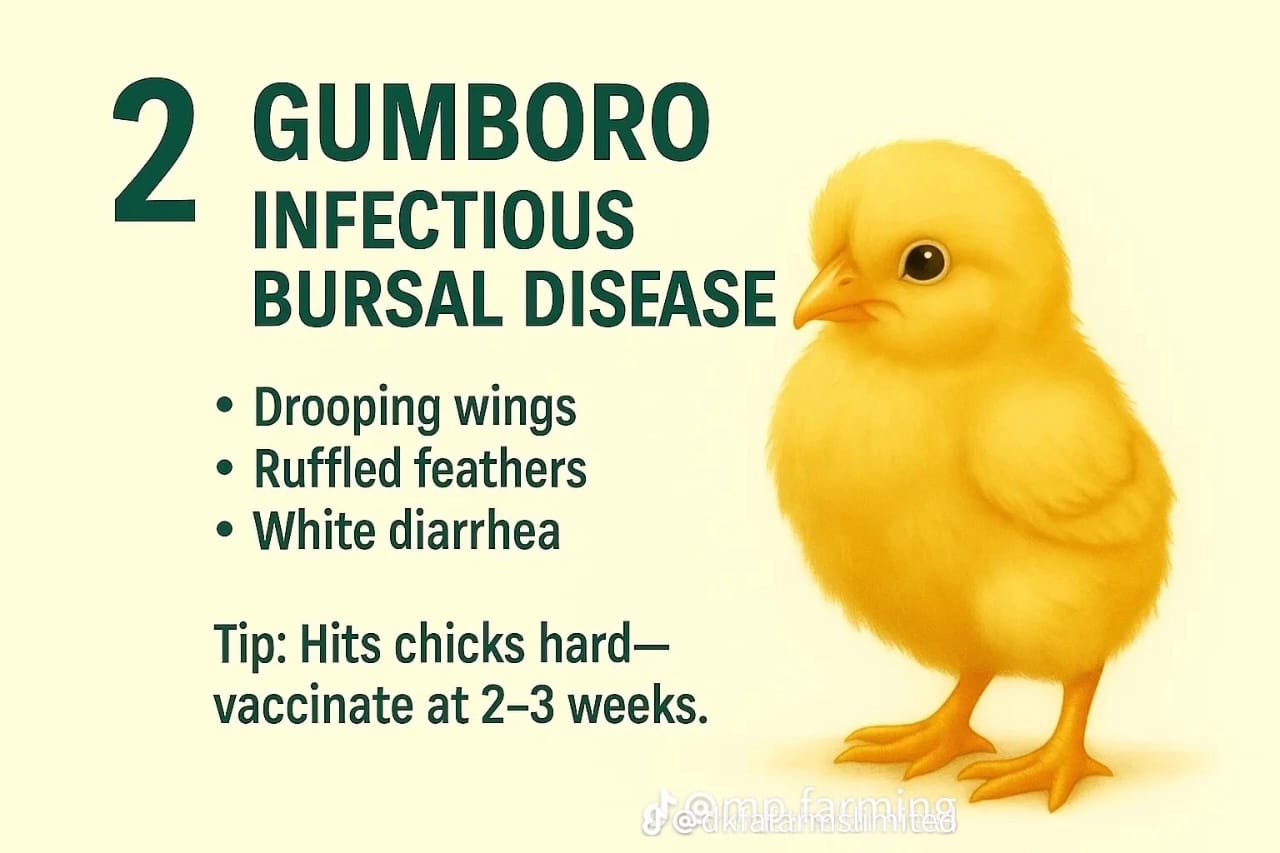
2. Gumboro Disease (Infectious Bursal Disease)
Gumboro mainly attacks young chicks between three and six weeks of age. The disease weakens the immune system, making birds more vulnerable to other infections.
Symptoms
- Depression
- White watery diarrhoea
- Ruffled feathers
- Trembling
- Reduced feed intake
- High mortality in young birds
Prevention
- Vaccinate chicks at the recommended age
- Keep brooding areas clean
- Avoid overcrowding
- Provide balanced nutrition
Healthy chicks raised in clean conditions develop stronger immunity during the brooding stage. Our Chick Brooding System in Kenya guide explains how to create the right environment for young birds during their first weeks of life.
3. Coccidiosis
Coccidiosis is caused by parasites that multiply in wet litter and dirty housing. It commonly affects both broilers and layers, especially where hygiene standards are poor.
Symptoms
- Bloody droppings
- Weight loss
- Weakness
- Reduced growth
- Poor feed conversion
Prevention
- Keep litter dry
- Clean drinkers daily
- Prevent water spillages
- Use recommended anticoccidial programmes where necessary
Maintaining dry litter is one of the easiest ways to reduce the risk of coccidiosis.

4. Fowl Pox
Fowl Pox is common in free-range systems where mosquitoes and biting insects are present.
Symptoms
- Dark scabs on the comb and wattles
- Lesions around the eyes
- Poor appetite
- Slow growth
- Reduced egg production
Prevention
- Vaccinate birds at the recommended age
- Control mosquitoes around the farm
- Remove stagnant water
- Improve sanitation

How to vaccinate improved kienyeji breed
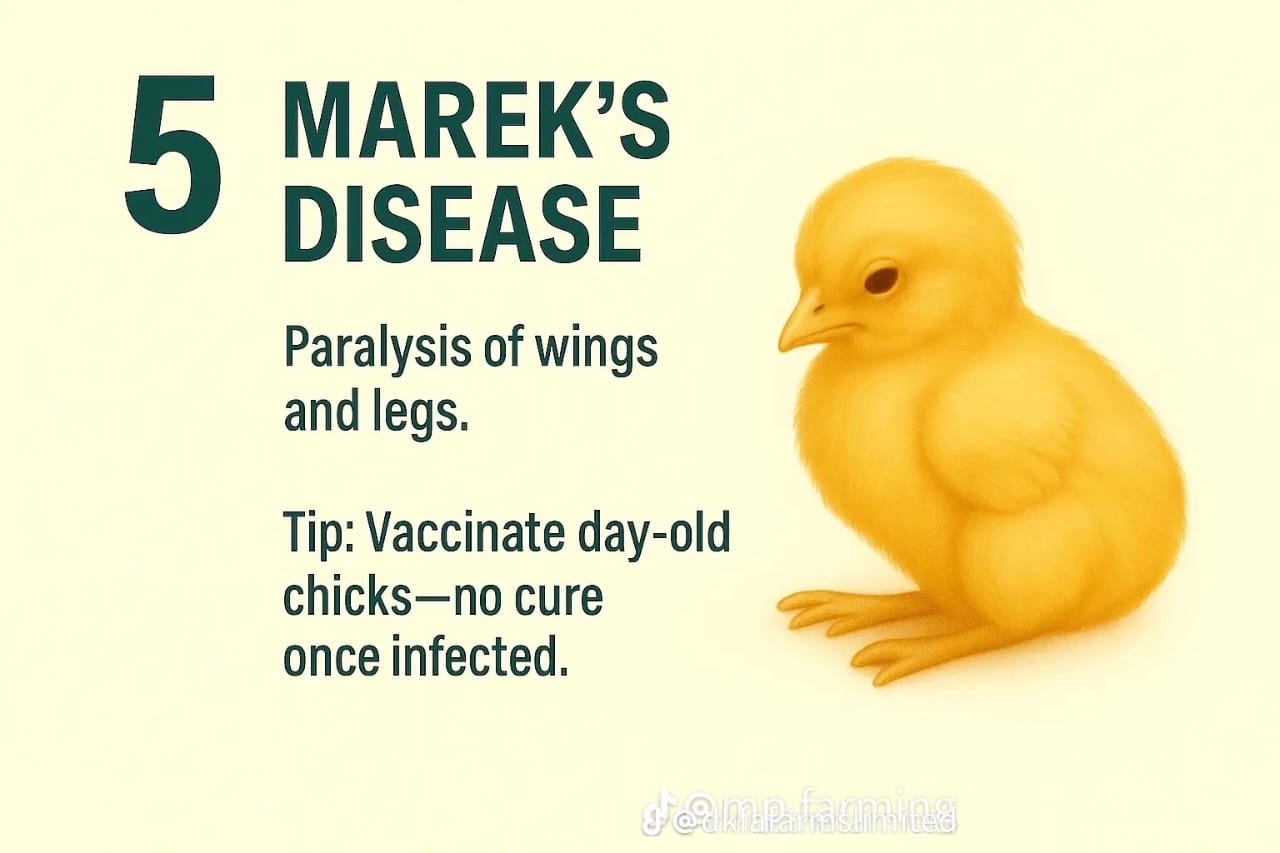
5. Marek’s Disease
Marek’s Disease affects the nervous system and usually appears in young birds that were not vaccinated at hatch.
Symptoms
- Paralysis of one or both legs
- Difficulty standing
- Weight loss
- Drooping wings
- Sudden death
Prevention
- Vaccinate day-old chicks
- Purchase chicks from reputable hatcheries
- Maintain strict farm hygiene
Because there is no effective treatment, prevention is essential.
6. Infectious Bronchitis (IB)
This viral disease attacks the respiratory system and can significantly reduce egg production in laying hens.
Symptoms
- Sneezing
- Coughing
- Nasal discharge
- Noisy breathing
- Thin-shelled or misshapen eggs
Prevention
- Follow recommended vaccination schedules
- Improve ventilation
- Reduce dust inside poultry houses
- Avoid overcrowding
Proper poultry house ventilation plays a major role in reducing respiratory diseases. If you’re planning a new poultry unit, designing it correctly from the start can help prevent many health problems.
7. Fowl Typhoid
Fowl Typhoid is a bacterial disease that affects birds of different ages and spreads rapidly under poor hygiene conditions.
Symptoms
- Yellow or green diarrhoea
- Swollen joints
- High fever
- Loss of appetite
- Sudden mortality
Prevention
- Buy healthy chicks
- Maintain clean housing
- Disinfect equipment regularly
- Remove dead birds immediately
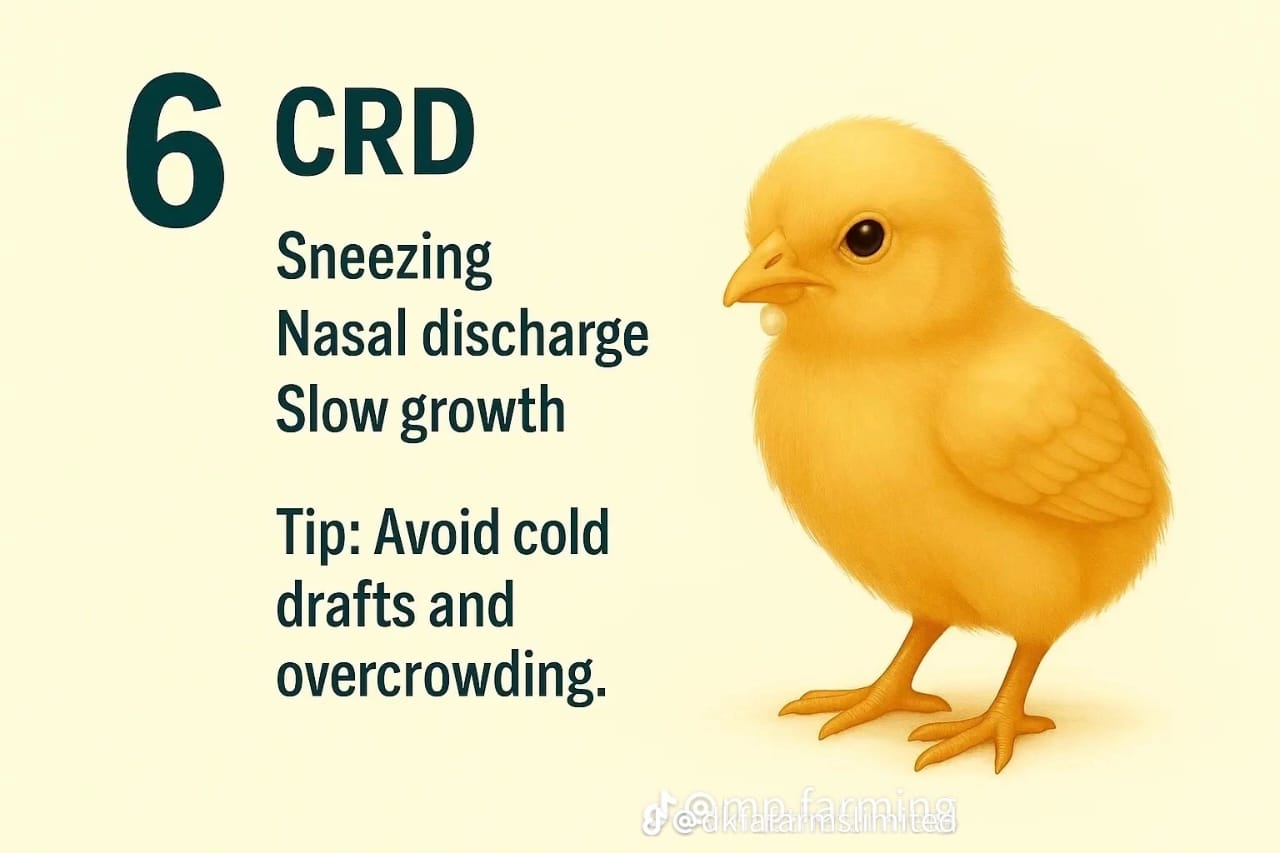
8. Chronic Respiratory Disease (CRD)
CRD develops gradually and often becomes worse when birds experience stress, poor ventilation, or dusty conditions.
Symptoms
- Persistent coughing
- Sneezing
- Swollen eyes
- Slow growth
- Reduced egg production
Prevention
- Improve airflow
- Reduce dust levels
- Avoid overcrowding
- Keep litter dry
-
Poultry Vaccination Schedule Kenya
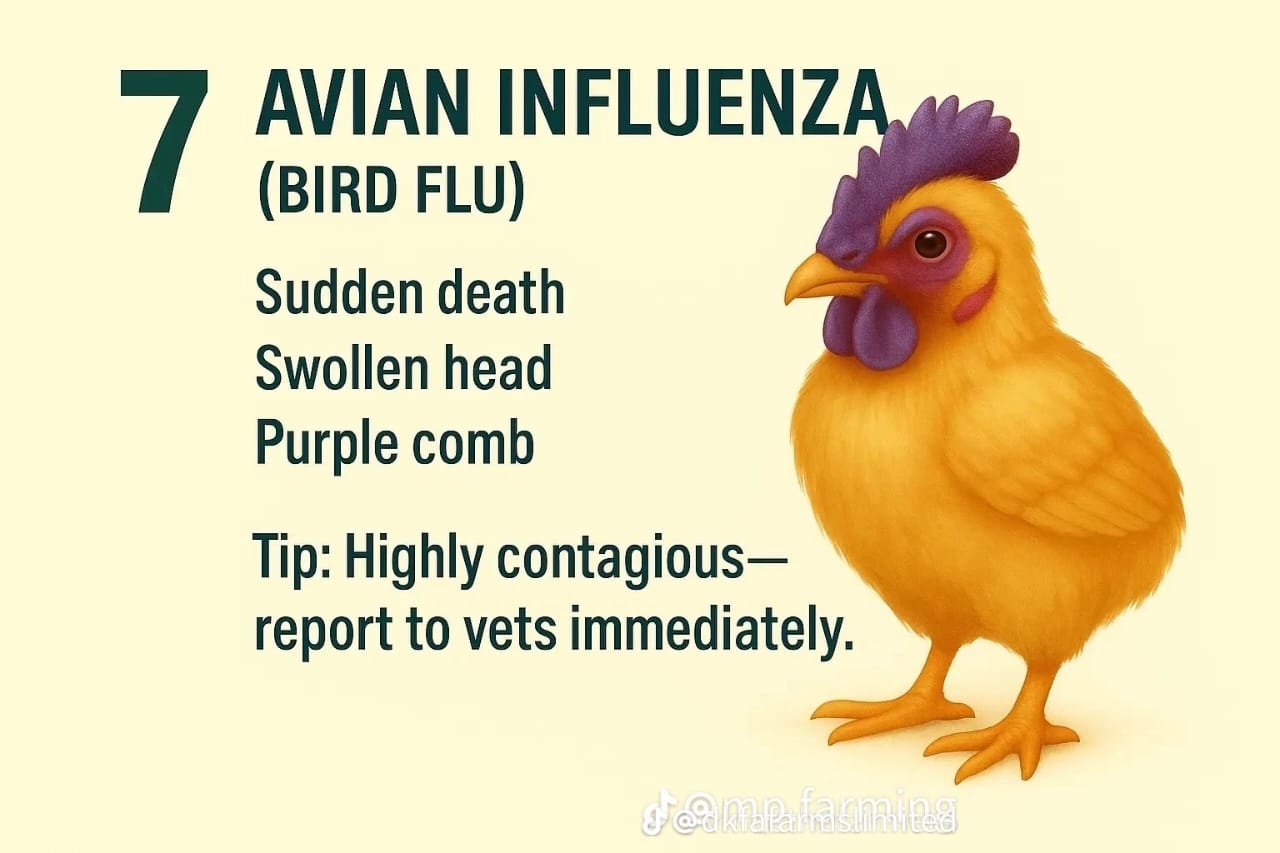
9. Avian Influenza (Bird Flu)
Although outbreaks are less common, Avian Influenza is a serious disease that requires immediate reporting to veterinary authorities.
Symptoms
- Sudden death
- Swollen head
- Purple combs
- Respiratory distress
- Sharp decline in egg production
Prevention
- Prevent contact with wild birds
- Restrict farm visitors
- Follow strict biosecurity measures
- Report suspected outbreaks immediately
-
Poultry Disease Control Guide Kenya
10. Worm Infestation
Internal parasites reduce feed efficiency and slow bird growth.
Symptoms
- Poor weight gain
- Pale combs
- Diarrhoea
- Weakness
- Reduced egg production
Prevention
- Maintain clean litter
- Rotate outdoor grazing areas where possible
- Follow a regular deworming programme
- Keep feed free from contamination
Early Warning Signs Every Farmer Should Watch For
Daily flock observation helps detect problems before they spread.
Contact a qualified veterinarian if you notice:
- Birds eating less than usual
- Increased water consumption
- Coughing or sneezing
- Sudden deaths
- Swollen eyes
- Diarrhoea
- Drop in egg production
- Birds separating themselves from the flock
- Difficulty walking or standing
A small change in bird behaviour often appears before obvious disease symptoms.
Reducing Disease Risk Through Better Farm Management
Healthy birds start with good management practices. Simple improvements can significantly reduce disease pressure on your farm.
✔ Clean feeders and drinkers every day.
✔ Remove wet litter immediately.
✔ Keep rodents away from feed stores.
✔ Quarantine new birds for at least two weeks before mixing them with your flock.
✔ Provide balanced nutrition and clean drinking water.
✔ Avoid overcrowding by following recommended stocking densities.
Using reliable commercial poultry feeders and drinkers also helps reduce feed contamination and water wastage, creating a cleaner environment that supports healthier birds.
Poultry Disease Control Guide in Kenya (Part 3)
Biosecurity, Emergency Disease Response, Common Mistakes & Expert Tips
Preventing disease is easier, cheaper, and far more effective than treating an outbreak. While vaccines play an important role, they are only one part of a successful disease control programme. Commercial poultry farms that consistently achieve good production results rely on strict biosecurity, routine monitoring, proper sanitation, and disciplined management practices.
This section explains how to create a healthier farm environment and what to do if disease is suspected.
Build a Strong Biosecurity System
Biosecurity is a collection of management practices designed to stop diseases from entering or spreading within your poultry farm.
Many outbreaks begin because of simple mistakes such as introducing new birds without quarantine, allowing unrestricted visitors, or using contaminated equipment.
A good biosecurity programme protects your birds every day, not just when disease is present.
1. Control Access to Your Poultry Farm
Every person, vehicle, or piece of equipment entering your farm can carry harmful microorganisms.
Reduce this risk by:
- Restricting unnecessary visitors.
- Keeping a visitor register.
- Providing footbaths with disinfectant at poultry house entrances.
- Requiring clean footwear and protective clothing.
- Limiting access to essential workers only.
These simple measures greatly reduce the chances of introducing infectious diseases.
2. Quarantine New Birds
Never introduce newly purchased birds directly into an existing flock.
A proper quarantine period allows you to observe birds for signs of illness before mixing them with healthy chickens.
Recommended Quarantine Practices
- Keep new birds separate for 14–21 days.
- Monitor feed and water intake.
- Watch for coughing, diarrhoea, or unusual behaviour.
- Complete any required vaccinations before integration.
- Use separate feeders and drinkers.
This practice protects your existing investment and reduces disease transmission.
3. Maintain Excellent Poultry House Hygiene
Clean housing reduces bacteria, viruses, fungi, and parasites that can affect poultry health.
Routine cleaning should include:
- Removing manure regularly.
- Replacing wet litter immediately.
- Cleaning ventilation openings.
- Washing walls and floors between production cycles.
- Disinfecting equipment before introducing a new flock.
A clean poultry house also improves air quality and reduces ammonia levels.
4. Clean Feeders and Drinkers Every Day
Feed and water are common sources of disease transmission.
Dirty equipment allows bacteria and fungi to multiply quickly, especially during warm weather.
Daily cleaning helps:
- Reduce disease-causing organisms.
- Keep feed fresh.
- Prevent algae growth in drinkers.
- Encourage better feed intake.
- Improve bird health.
Commercial farms often use high-quality feeding and watering systems because they are easier to clean and reduce contamination.
5. Control Rodents, Wild Birds and Insects
Pests are silent carriers of disease.
Rats, mice, sparrows, pigeons, flies, and mosquitoes can introduce harmful pathogens into poultry houses.
Effective pest management includes:
- Storing feed in sealed containers.
- Repairing holes in poultry houses.
- Installing wire mesh on openings.
- Removing spilled feed promptly.
- Eliminating stagnant water that attracts mosquitoes.
Reducing pest populations significantly lowers disease pressure.
Responding to a Suspected Disease Outbreak
Even with good management, disease outbreaks can occasionally occur. Acting quickly can prevent heavy losses.
Step 1: Isolate Sick Birds
Move affected birds away from the healthy flock immediately.
Isolation reduces direct contact and slows disease transmission.
Step 2: Contact a Qualified Veterinarian
Avoid treating birds based on rumours or advice from unverified sources.
A veterinarian can:
- Identify the disease.
- Recommend laboratory testing if needed.
- Prescribe the correct treatment or control measures.
- Advise whether vaccination or culling is necessary.
Early diagnosis saves time and money.
Step 3: Strengthen Farm Hygiene
During an outbreak:
- Increase cleaning frequency.
- Disinfect equipment daily.
- Limit movement between poultry houses.
- Dispose of dead birds safely according to veterinary guidance.
Do not leave carcasses exposed, as they attract scavengers and spread infection.
Step 4: Keep Accurate Records
Record:
- Date symptoms appeared.
- Number of affected birds.
- Mortality figures.
- Vaccinations given.
- Treatments administered.
- Veterinary recommendations.
Good records help identify recurring health problems and improve future flock management.
Common Disease Control Mistakes Farmers Make
Many outbreaks can be traced back to avoidable management errors.
Avoid these common mistakes:
❌ Skipping vaccination schedules.
❌ Mixing birds of different ages.
❌ Buying chicks from unreliable suppliers.
❌ Allowing unrestricted farm visitors.
❌ Ignoring early disease symptoms.
❌ Using dirty feeders and drinkers.
❌ Overcrowding poultry houses.
❌ Keeping wet litter for long periods.
❌ Delaying veterinary consultation.
❌ Treating birds without proper diagnosis.
Correcting these practices can dramatically improve flock health and farm profitability.
Read our detailed Guide on common mistake farmers do whenn brooding chicks
Expert Tips for Keeping Poultry Healthy
Successful poultry farmers develop routines rather than reacting only when problems arise.
Consider these practical recommendations:
- Walk through the poultry house several times each day.
- Observe bird behaviour before feeding.
- Remove weak or sick birds immediately.
- Maintain a consistent vaccination programme.
- Buy feed from reputable manufacturers.
- Keep fresh, clean water available at all times.
- Minimise stress during handling and transportation.
- Schedule regular farm disinfection.
Healthy birds are active, alert, eat well, drink normally, and produce according to their age and breed.
Frequently Asked Questions
What is the most common poultry disease in Kenya?
Newcastle Disease is one of the most widespread and economically damaging poultry diseases because it spreads rapidly and causes high mortality in unvaccinated flocks.
Can poultry diseases be completely prevented?
No system offers 100% protection, but combining vaccination, biosecurity, good housing, proper feeding, and hygiene greatly reduces disease risk.
How often should poultry houses be disinfected?
Routine cleaning should be done daily, while thorough disinfection is recommended between production cycles or whenever a flock is removed.
Should I isolate one sick bird?
Yes. Even a single sick bird may be carrying an infectious disease. Immediate isolation helps protect the rest of the flock.
Does poor nutrition increase disease risk?
Yes. Birds receiving balanced nutrition develop stronger immune systems and recover more effectively from stress.
Final Thoughts
Disease control is one of the most important responsibilities of every poultry farmer. Waiting until birds become sick often results in higher treatment costs, reduced productivity, and avoidable losses.
A successful disease prevention programme combines:
- Strong biosecurity
- Timely vaccination
- Clean housing
- Balanced nutrition
- Quality feeding and watering equipment
- Daily flock observation
- Prompt veterinary advice when needed
By applying these practices consistently, poultry farmers can protect their investment, improve bird welfare, and achieve better production results throughout the year.
Need Professional Poultry Equipment?
At Chick Bee Farming, we help poultry farmers across Kenya improve flock health and productivity by supplying quality poultry equipment, including:
- Commercial poultry feeders
- Poultry drinkers
- Layer cage systems
- Broiler cage systems
- Poultry farming accessories
If you’re planning a new poultry project or upgrading your current farm, we’re ready to help.
📞 Contact Us Today
📞 Call: 0119076723
💬 WhatsApp: 0119076723
📧 Email: info@chickbeefarming.co.ke