


Poultry House Ventilation Requirements in Kenya
Poultry House Ventilation Requirements in Kenya: Airflow, Windows and Fresh Air
Introduction
Understanding poultry house ventilation requirements in Kenya is essential for farmers who want to raise healthy chickens, reduce mortality and improve production. Whether you keep improved kienyeji chickens, layers or broilers, your poultry house needs a steady supply of fresh air throughout the day and night.
Poor ventilation can cause excessive heat, damp litter, unpleasant ammonia smells and respiratory problems. During cold or rainy weather, some farmers close every opening to keep chickens warm. Unfortunately, this can trap moisture and harmful gases inside the house.
A properly ventilated poultry house balances fresh air, temperature control and protection from strong draughts. This guide explains how to position windows, provide airflow, manage heat and avoid common poultry-house ventilation mistakes in Kenya.
1. Why poultry house ventilation is important
Ventilation is not simply about making a poultry house cool. It is about maintaining healthy air quality for the birds.
Good ventilation helps to:
-
Remove excess heat produced by chickens.
-
Reduce moisture from droppings, drinkers and breathing.
-
Remove ammonia and other harmful gases.
-
Supply oxygen and fresh air.
-
Keep litter dry and reduce caking.
-
Reduce conditions that encourage respiratory problems.
-
Improve bird comfort, feeding and growth.
When ventilation is inadequate, chickens may become uncomfortable, eat less and perform poorly.
2. Signs that your poultry house has poor ventilation
You do not need expensive equipment to identify many ventilation problems. Observe the birds and inspect the poultry house regularly.
Look out for these warning signs:
Strong ammonia smell: A sharp smell around the birds may indicate excessive ammonia from wet or poorly managed litter.
Wet litter: Damp bedding around drinkers and other areas may indicate poor moisture management or leaking equipment.
Condensation: Water droplets on roofing materials or walls can indicate excessive moisture and inadequate air exchange.
Panting chickens: Birds breathing with open beaks, spreading their wings or moving away from crowded areas may be experiencing heat stress.
Dusty air: Excessive dust can irritate the respiratory system and indicate poor air management or unsuitable litter.
Uneven distribution of birds: Chickens crowding near openings or moving away from particular areas may be responding to uncomfortable temperatures or draughts.
These signs can have several causes. Check ventilation alongside stocking density, drinker leaks, litter condition and house temperature.
3. Best poultry house ventilation designs in Kenya
The most suitable ventilation design depends on the type of poultry house, number of birds, local climate and farming system.
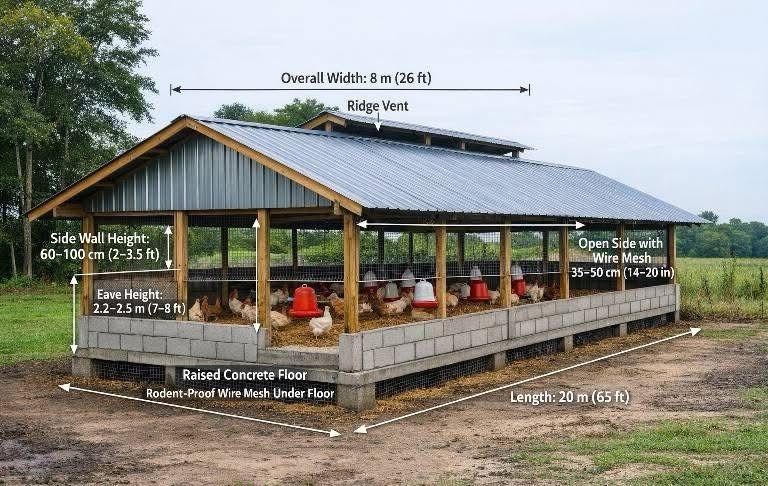
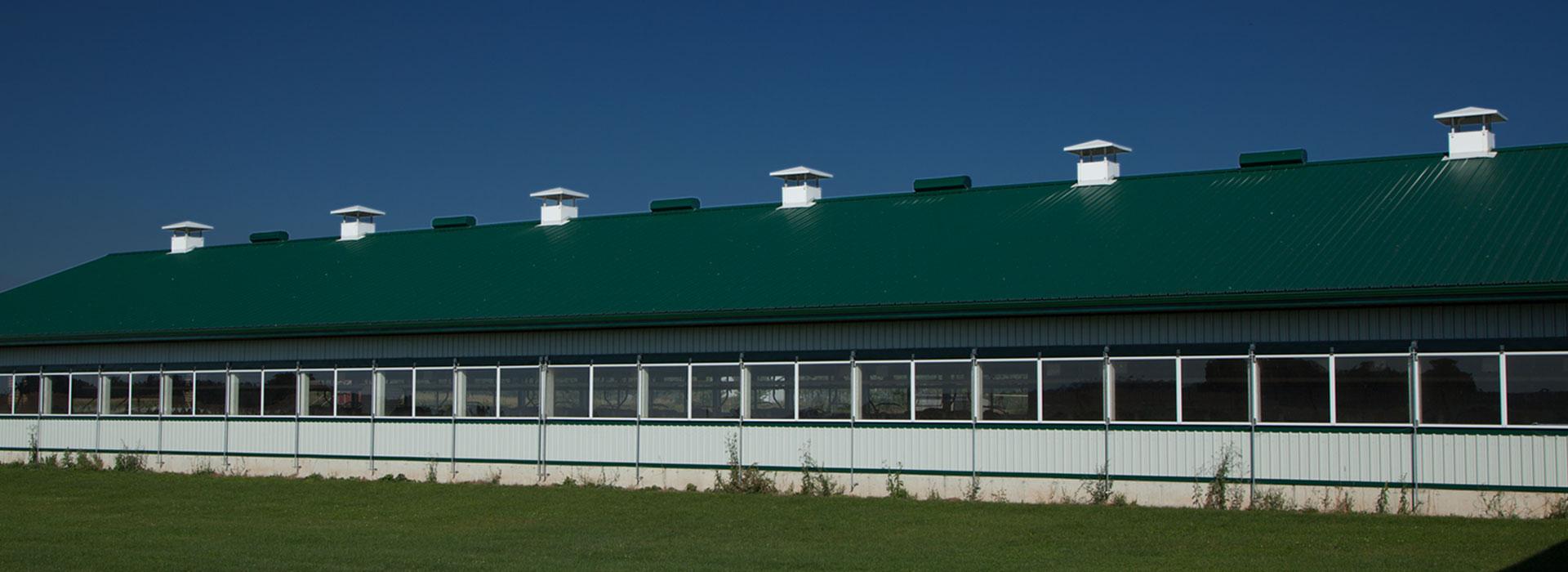
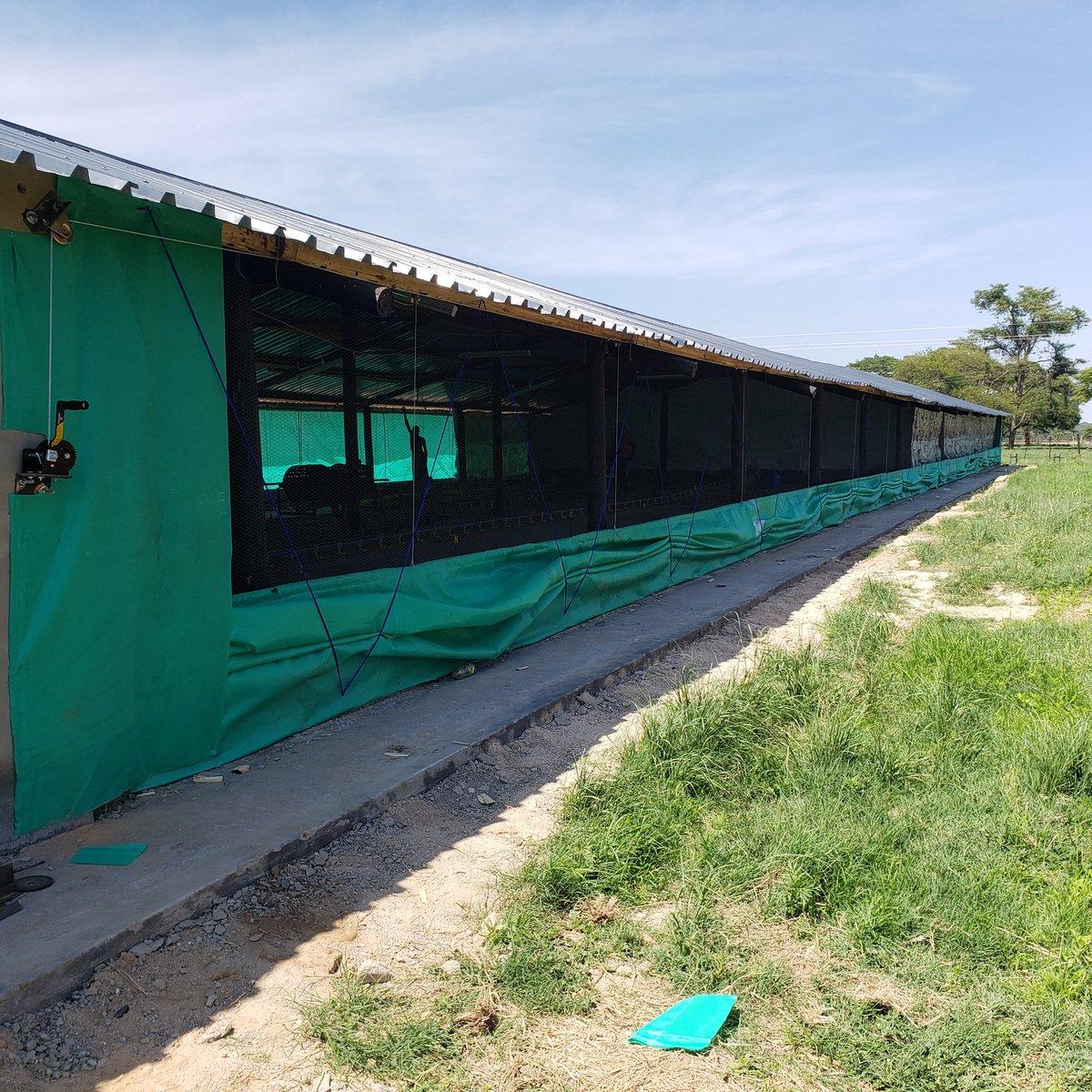
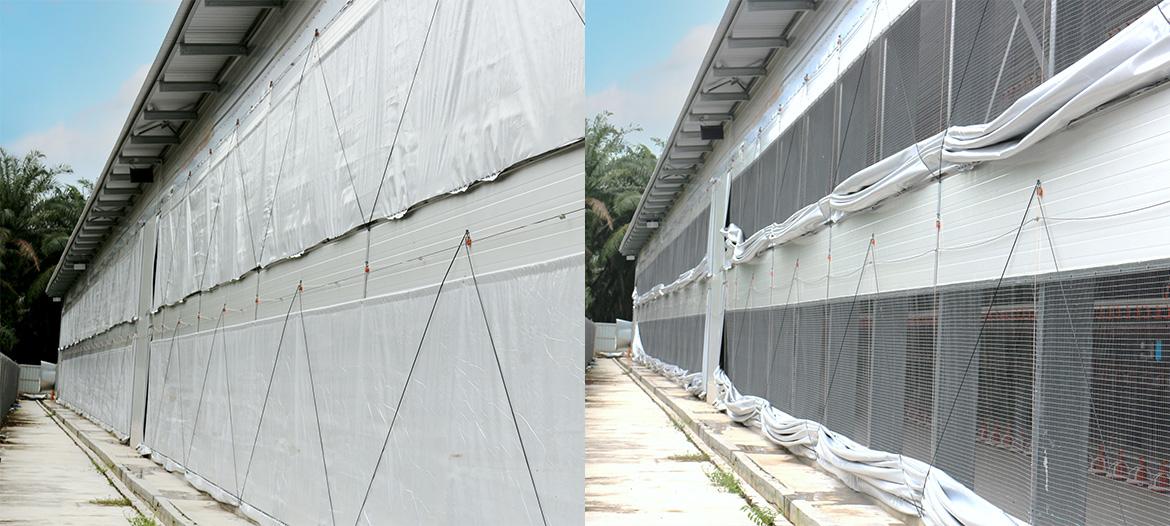
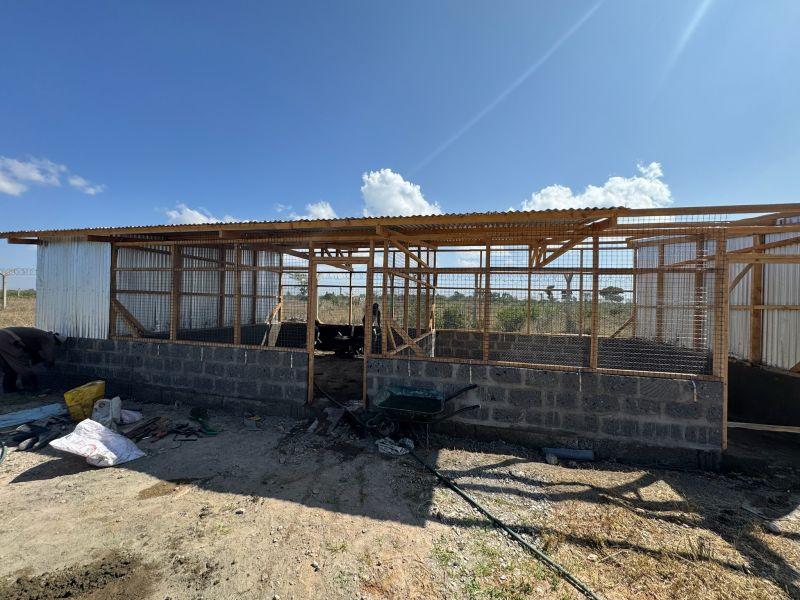
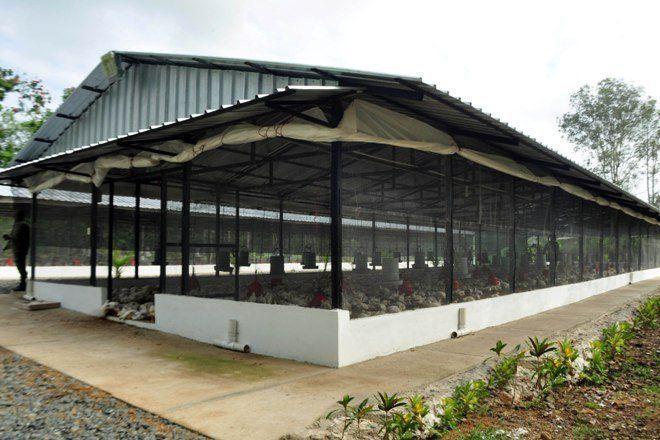
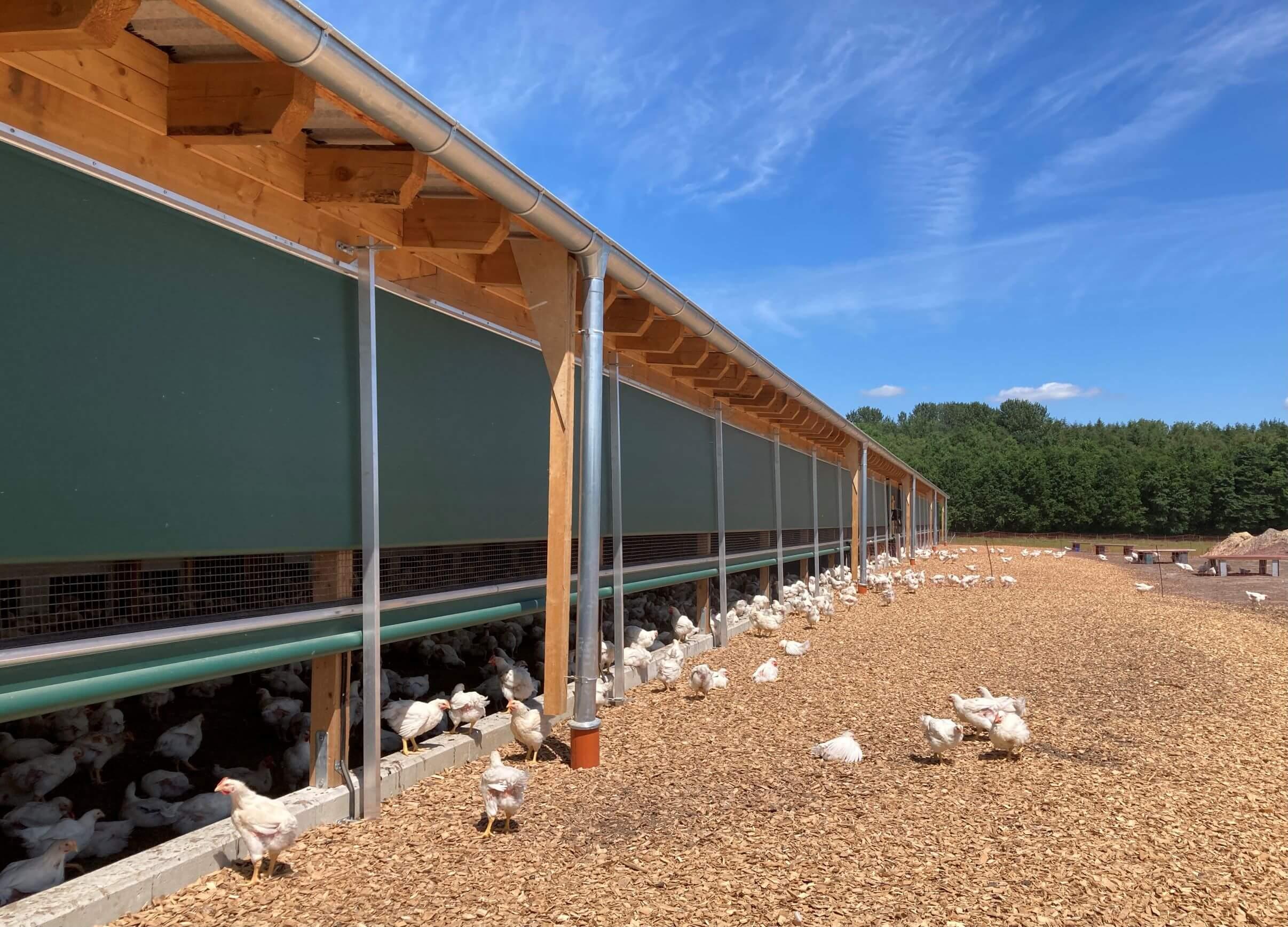
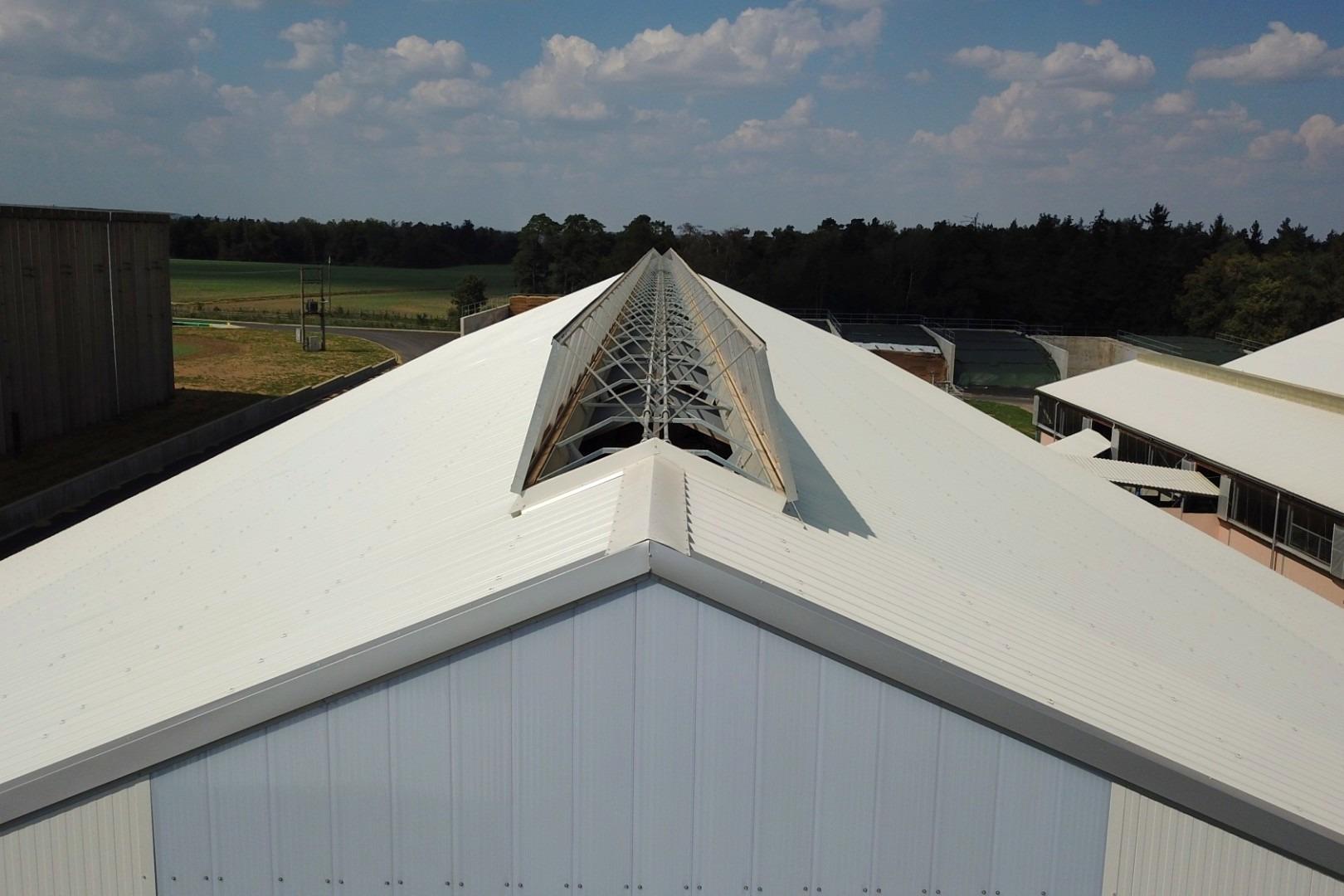
To get a cost quote for a pourtey house visit our page today and make an order with us
A.Open-sided poultry house
An open-sided desin uses openings along the sides, often protected with wire mesh and adjustable curtains.
Advantages include:
-
Allows natural airflow.
-
Can be relatively affordable to construct.
-
Makes it easier to observe chickens.
-
Works well where natural ventilation is suitable.
However, the openings should be protected against predators, heavy rain and strong winds.
B. Curtain ventilation system
Curtains allow farmers to adjust the amount of air entering the poultry house.
During hot conditions, curtains can be opened to increase airflow. During cold or windy weather, they can be adjusted to reduce direct draughts while still allowing adequate fresh air.
Avoid sealing the house completely. Chickens still need fresh air during cold weather.
C. Ridge ventilation
A ridge vent is an opening near the highest point of a sloping roof. Warm, moist air can escape through this opening.
Ridge ventilation can work together with side openings to improve natural air movement. Protect the ridge opening from rain entry and ensure the design does not create unwanted draughts.
D. Mechanical ventilation
Mechanical ventilation uses fans to move air through the poultry house.
It may be useful in larger or more enclosed poultry units where natural airflow is insufficient or difficult to control.
Mechanical systems require:
-
Correct fan selection and placement.
-
Adequate air inlets.
-
Regular cleaning and maintenance.
-
Reliable electricity or backup power.
-
Monitoring of temperature and air quality.
Installing fans without properly designed air inlets may result in poor air distribution.
4. How to position windows and ventilation openings
The positioning of openings affects how air moves through a poultry house.
For naturally ventilated houses:
-
Provide openings along the side walls to allow fresh air to enter.
-
Use suitable mesh to prevent wild birds and predators from entering.
-
Consider adjustable curtains to manage wind and rain.
-
Provide a roof ridge opening where the design allows.
-
Avoid placing openings where rainwater can easily enter.
-
Ensure air reaches the birds rather than passing only above their heads.
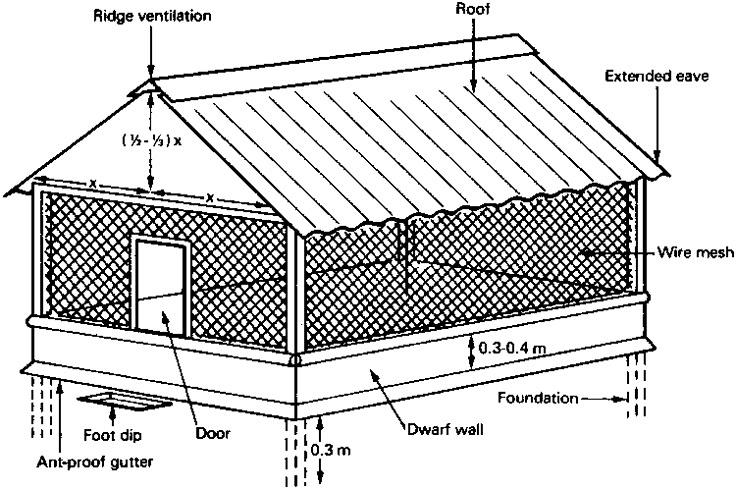
The exact opening sizes depend on house width, roof height, bird numbers, local wind conditions and whether the house is naturally or mechanically ventilated. There is no single window measurement suitable for every poultry house.
5. Poultry house ventilation requirements for different chicken types
Different poultry systems have different ventilation demands.
| Chicken type | Important ventilation consideration |
|---|---|
| Improved kienyeji | Maintain fresh air and dry litter throughout the growing period |
| Broilers | Manage heat and moisture carefully as birds grow larger |
| Layers | Maintain consistent air quality in houses with many adult birds |
| Day-old chicks | Provide fresh air without exposing chicks to cold draughts |
Ventilation for day-old chicks
Young chicks need a warm brooding environment, but they still require fresh air.
Do not close every ventilation opening when brooding chicks. Instead, prevent cold air from blowing directly onto them while allowing fresh air to enter and stale air to escape.
Observe chick behaviour:
-
Chicks crowding together may indicate cold conditions or draughts.
-
Chicks moving far away from the heat source and panting may indicate excessive heat.
-
Chicks spreading comfortably around the brooder generally indicate more suitable conditions.
For further guidance, link this article to your supportive blog on brooding day-old chicks in Limuru if that page is already published.
6. How to improve airflow in a poultry house during hot weather
High temperatures can become a serious challenge, particularly in crowded poultry houses.
Practical ways to improve airflow include:
-
Open adjustable side curtains when weather conditions allow.
-
Remove objects blocking ventilation openings.
-
Avoid overcrowding.
-
Provide clean, cool drinking water.
-
Repair leaking drinkers that make litter wet.
-
Use properly sized fans where necessary.
-
Provide shade around the poultry house.
-
Monitor birds more frequently during hot periods.
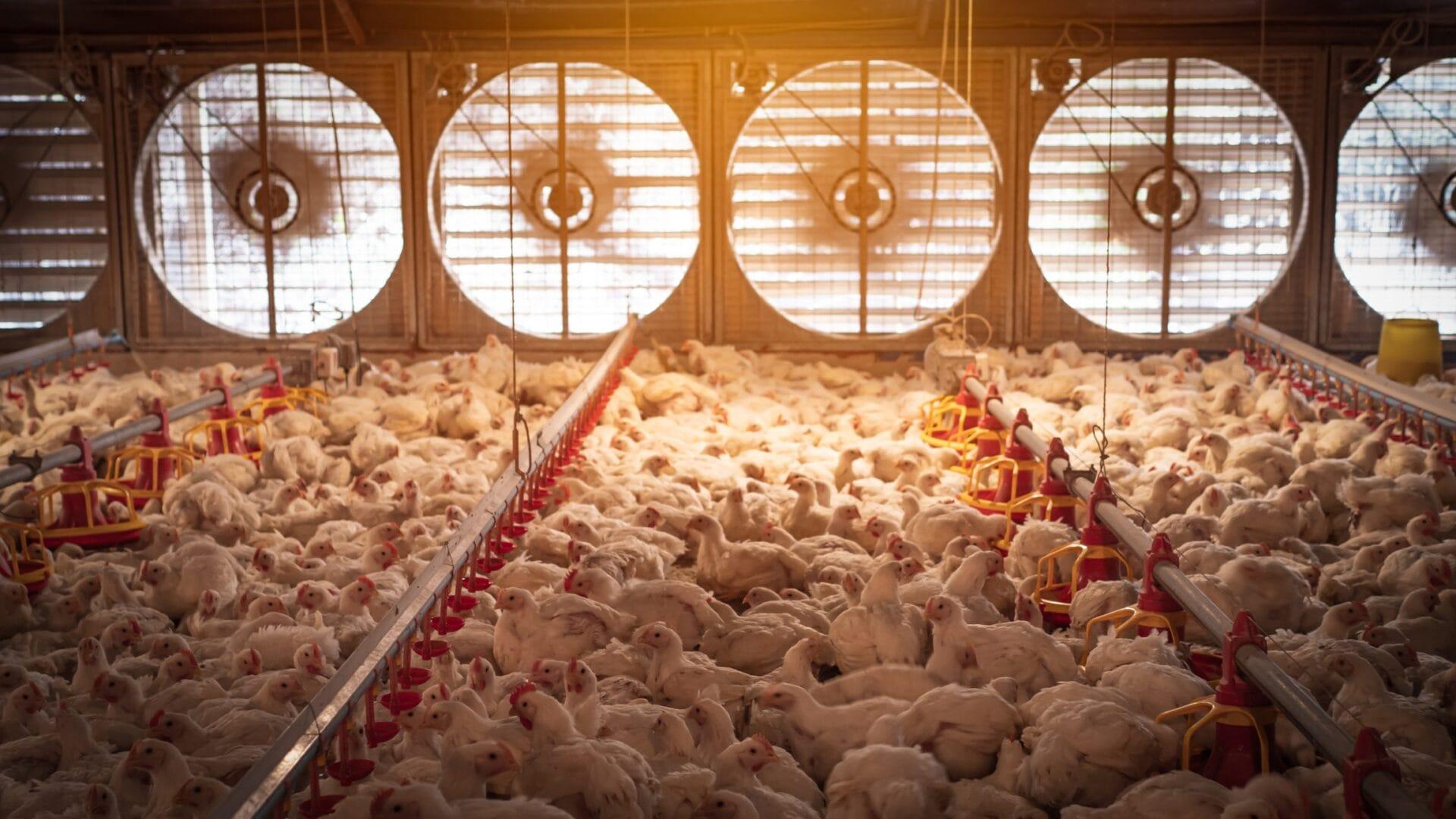
Do not rely on fans alone. Air must be able to enter the house and move effectively through the birds’ occupied space.
7. Ventilation during cold and rainy seasons in Kenya
Cold mornings and rainy weather can make poultry ventilation difficult. Some farmers close curtains completely to retain heat.
This can increase moisture and ammonia levels.
Instead:
-
Adjust curtains to reduce direct cold draughts.
-
Keep some ventilation available at all times.
-
Remove wet litter promptly.
-
Fix leaking roofs and drinkers.
-
Maintain suitable brooding temperatures for young chicks.
-
Monitor condensation and ammonia smell.
The objective is to keep birds comfortable without trapping stale, humid air inside the house.
8. How many chickens can a poultry house accommodate?
Ventilation is closely connected to stocking density. Even a well-designed house can develop poor air quality when too many birds are kept in a small space.
The following are preliminary planning allowances, not universal legal or veterinary standards:
| Chicken type | Indicative floor space per bird |
|---|---|
| Improved kienyeji | 2–3 sq. ft. |
| Layers | 1.5–2 sq. ft. |
| Broilers | 1–1.2 sq. ft. |
Actual space requirements depend on bird age, final body weight, housing system, climate, equipment layout and applicable welfare standards. More space may be necessary in hot conditions.
For a more detailed discussion of house dimensions and planning, read our guide to poultry house designs in Kenya.
9. Common poultry house ventilation mistakes
Avoid these mistakes when constructing or managing your poultry unit.
1. Closing all ventilation openings
This traps moisture, heat and harmful gases. Maintain appropriate fresh-air exchange even during cold weather.
2. Depending on one small window
A single opening may not provide adequate air movement throughout a large poultry house.
3. Allowing direct cold draughts onto chicks
Fresh air is necessary, but young chicks should not be exposed to strong cold airflow.
4. Overcrowding chickens
Too many birds produce additional heat, moisture and waste, increasing the demands on the ventilation system.
5. Ignoring roof design
A poorly designed roof can increase heat inside the poultry house and make temperature management difficult.
6. Failing to clean ventilation openings
Dust, cobwebs and other obstructions can reduce airflow.
7. Installing fans without air inlets
Fans need a suitable air-entry arrangement to move air effectively.
10. How to maintain good ventilation every day
Make ventilation inspection part of your daily poultry management routine.
| Task | Recommended action |
|---|---|
| Morning inspection | Check air quality, litter and bird behaviour |
| Midday inspection | Check heat stress and airflow |
| Evening inspection | Adjust curtains according to weather |
| Weekly inspection | Clean openings, check fans and inspect roofing |
| Routine maintenance | Repair leaks and replace damaged mesh |
A thermometer and humidity meter can help you monitor conditions. In larger units, additional equipment for measuring air quality may be worthwhile.
11. Planning a well-ventilated poultry house before construction
Ventilation should be considered before building begins. Retrofitting a poorly designed poultry house can be expensive.
When planning your poultry house, consider:
-
Number and type of chickens.
-
Expected adult bird size.
-
Width and height of the building.
-
Roof shape and roofing material.
-
Position of windows and openings.
-
Local wind direction and exposure.
-
Rain protection and drainage.
-
Whether natural or mechanical ventilation is required.
-
Availability of electricity for fans.
A well-planned structure makes daily poultry management easier and can reduce problems associated with heat, moisture and poor air quality.
12. Frequently asked questions about poultry house ventilation in Kenya
What is the best ventilation system for poultry farming in Kenya?
An open-sided poultry house with protected mesh openings and adjustable curtains can be suitable for many small and medium-scale farms. Larger or enclosed units may require mechanical ventilation, depending on their design and climate.
Should I close poultry house windows at night?
You should reduce direct cold draughts where necessary, but avoid closing every opening. Chickens need fresh air throughout the night.
Why does my poultry house smell of ammonia?
Ammonia commonly builds up when droppings and litter become wet and ventilation is inadequate. Improve airflow, remove wet litter, fix leaking drinkers and avoid overcrowding.
Can poor ventilation cause chicken deaths?
Poor ventilation can contribute to heat stress, respiratory problems and poor air quality, all of which can increase mortality risk. However, chicken deaths can have many causes, so investigate the symptoms and seek veterinary assistance where necessary.
Do improved kienyeji chickens need ventilation?
Yes. Improved kienyeji chickens need fresh air, appropriate temperatures and dry litter, just like other poultry breeds.
Are fans necessary in a small poultry house?
Not always. A properly designed naturally ventilated house may be sufficient. Fans become useful where natural airflow cannot maintain suitable conditions.
Conclusion: Build a poultry house with proper airflow
Meeting poultry house ventilation requirements in Kenya is an important part of successful poultry farming. Fresh air, dry litter, suitable stocking density and proper roof and window design help create a healthier environment for chickens.
Do not wait until your poultry house develops a strong ammonia smell or your chickens begin panting before checking ventilation. Plan airflow during construction and monitor conditions every day.
For a complete guide to poultry house planning, measurements and construction considerations, visit our main article on poultry house designs in Kenya.
Get poultry farming assistance from Chickmasters
Chickmasters – Poultry and Hives Shop
Kiambu, Kenya
Get assistance with poultry farming, improved kienyeji chicks and practical poultry management.
Website: chickbeefarming.co.ke
Email: info@chickbeefarming.co.ke