


Poultry House Construction Cost
Poultry House Construction Cost in Kenya: Materials, Labour and Budget Guide
Understanding the poultry house construction cost in Kenya is essential before starting a chicken farming project. Whether you want to keep 50, 100, 200, 500 or 1,000 chickens, constructing a suitable poultry house requires careful budgeting, proper measurements and the right building materials.
Many poultry farmers make the mistake of purchasing chicks before preparing their housing. This can result in overcrowding, unnecessary expenses and poor management. Planning your construction budget first helps you establish the right housing system and determine how many chickens you can comfortably manage.
In Kenya, poultry house construction costs vary depending on the size of the building, materials, labour charges, location and type of poultry production. A simple timber-and-wire-mesh structure may cost less than a permanent poultry house constructed using concrete blocks, steel and additional fittings.
Farmers in Kiambu, Limuru, Nairobi and other parts of the country should also consider local weather conditions when choosing construction materials and designing ventilation.
If you are still comparing different housing systems, read our detailed guide on poultry house designs in Kenya, which explains poultry house measurements, construction materials and suitable designs for different flock sizes.
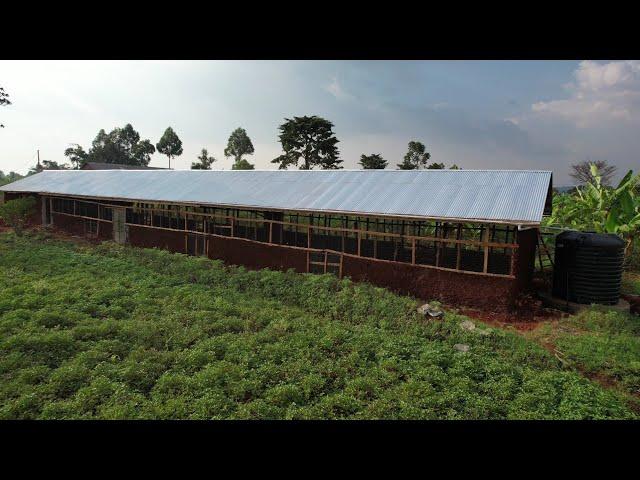
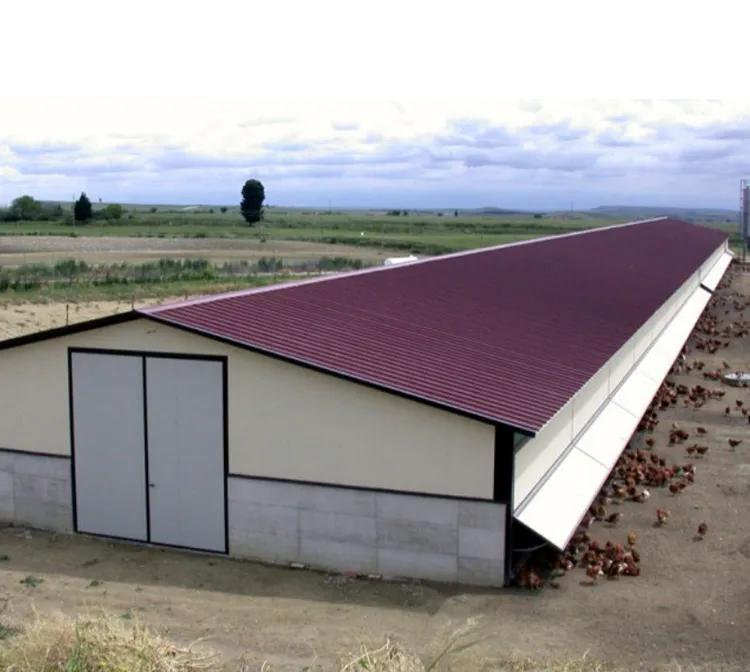
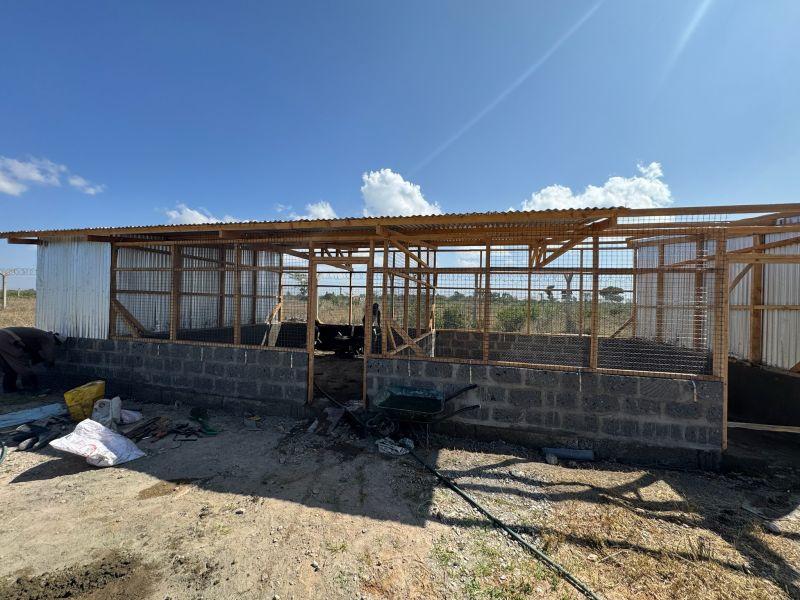
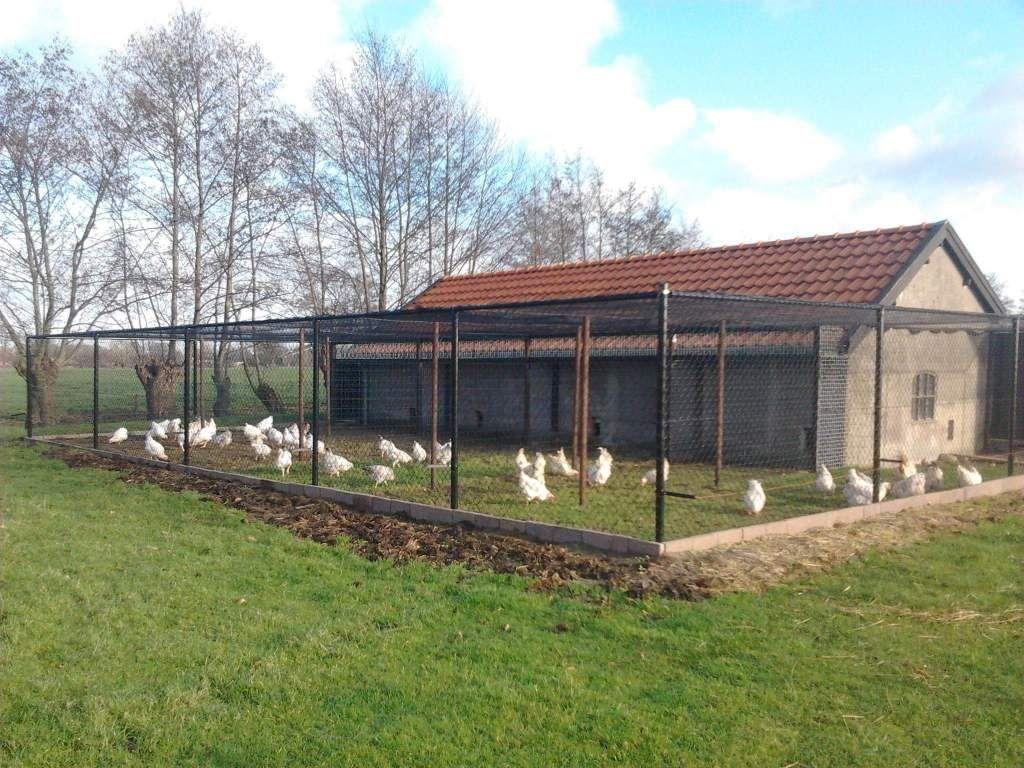
1. Factors Affecting Poultry House Construction Cost in Kenya
Before estimating your budget, understand the factors that determine how much you will spend.
Size of the poultry house
The number of chickens you intend to keep determines the required floor area.
A poultry house for 50 chickens will generally require fewer materials than one designed for 500 or 1,000 birds.
For example, a farmer keeping 100 improved kienyeji chickens may require approximately 250 square feet of indoor floor space using an illustrative allowance of 2.5 square feet per bird.
Type of construction materials
The materials selected have a significant effect on construction expenses.
Common materials include:
-
Timber for the structural frame.
-
Iron sheets for roofing.
-
Wire mesh for ventilation and protection.
-
Cement and ballast for flooring.
-
Nails, screws and other fittings.
-
Doors and protective materials.
Locally available materials can help reduce transport expenses, provided they are durable and suitable for poultry housing.
Labour costs
Labour charges depend on the complexity of the building, location and experience of the fundi or contractor.
A simple poultry house may require less skilled labour than a larger commercial building with concrete foundations, drainage and specialised ventilation.
Roofing and ventilation
A poultry house requires a roof that protects birds from rain and excessive sunlight.
Ventilation openings, wire mesh, adjustable curtains and suitable roof overhangs also influence construction costs.
Location and transportation
Construction costs may differ between Kiambu, Nairobi, Nakuru, Murang’a and other counties because of transportation expenses and local material prices.
2. Poultry House Construction Materials and Their Costs
The following materials are commonly used when building poultry houses in Kenya.
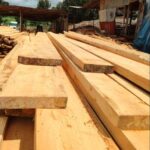

Timber
Timber is used to construct the main frame, supporting structures, doors and other sections of the poultry house.
Before purchasing timber, determine the required dimensions and spacing of the structural supports.
Use durable, appropriately treated timber and protect it from moisture and termites.
below is example of prices in timble
*brue gum tree 6×1 per feet is 32shillings
4x4per feet is 40ksh
4×2 per feet is 35ksh
*cyprus 6×1 per feet is 38 ksh
4x4per feet is 50ksh
4×2 per feet is 42ksh
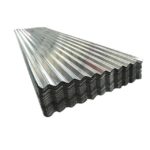
Iron sheets
Iron sheets are widely used for poultry house roofing.
When selecting roofing materials, consider durability, roof pitch, heat management and protection against rainfall.
A suitable roof overhang helps prevent rainwater from entering the poultry house.
Normal iron sheets
1meter is 270
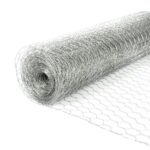
Wire mesh
Wire mesh is useful for ventilation openings and protection against predators.
Choose strong mesh with openings suitable for the age of the birds.
iron mesh wire roll ksh 1800
plastic wire roll ksh 3500
Cement and ballast
Concrete flooring makes poultry houses easier to clean and disinfect. It also helps prevent rodents and predators from entering through the floor.
The floor should have suitable drainage and a finish that is easy to maintain.
Nails, screws and fittings
Do not overlook small construction materials. Nails, screws, hinges, locks and other fittings contribute to the overall construction budget.
3. How Much Does It Cost to Build a Poultry House for 50 Chickens?
A poultry house for 50 improved kienyeji chickens is suitable for a beginner who wants to start with a manageable flock.
Using an illustrative space allowance of 2.5 square feet per bird:
50 × 2.5 = 125 square feet.
A house measuring approximately 10 feet by 13 feet provides 130 square feet.
A simple construction budget should include:
| Item | Budget consideration |
|---|---|
| Timber | Frame and supports |
| Iron sheets | Roofing |
| Wire mesh | Ventilation and protection |
| Cement | Floor and foundation |
| Nails and fittings | Assembly and security |
| Labour | Construction work |
| Transport | Delivery of materials |
A small poultry house can be constructed using timber, wire mesh and iron sheets, with a concrete floor where appropriate.
a 50 bird house can cost from 10,000–20,000ksh
The actual budget will depend on material quality and local quotations.
4. Cost of Constructing a Poultry House for 100 Chickens
A poultry house for 100 chickens provides more room for a small commercial poultry project.
At 2.5 square feet per improved kienyeji chicken, the required floor space is approximately 250 square feet.
One example is a house measuring 10 feet by 25 feet.
When preparing your construction budget, include:
-
Site preparation.
-
Foundation and floor construction.
-
Timber or steel frame.
-
Roofing materials.
-
Wire mesh.
-
Doors and ventilation fittings.
-
Labour.
-
Transportation.
we advice to construct a house that allows easy movement when feeding, watering and cleaning.
Farmers should also consider a separate area for storing feed and equipment rather than using the birds’ floor space for storage.
for 100 birds it will cost 20,000–30000ksh
5. Poultry House Construction Cost for 200, 500 and 1,000 Chickens
Larger poultry projects require more planning because construction expenses increase with the size of the structure.
The following table provides preliminary indoor floor-space estimates for improved kienyeji chickens using 2.5 square feet per bird.
| Number of chickens | Example house dimensions | Floor area |
|---|---|---|
| 200 | 20 × 25 ft | 500 sq ft |
| 500 | 25 × 50 ft | 1,250 sq ft |
| 1,000 | 50 × 50 ft | 2,500 sq ft |
These are illustrative dimensions, not final architectural plans. Additional space may be required for service areas, storage, isolation facilities and equipment.
For large projects, consult us before construction. Consider the ventilation system, water supply, waste disposal, emergency access and biosecurity arrangements.
Here are the rough estimates
200birds 30000–40000ksh
500 40000–55000ksh
1000 100000—200000ksh
*for an exact quote give us a call today,we get to know the material to use,capacity of birds the house will hold, location, with this we will be in a position to give an exart budget that fits your poultry farming.
6. How to Calculate Your Poultry House Construction Budget
One of the best ways to control construction is enquiring first,chick bee farming we will help to prepare a bill of quantities before purchasing materials.
A bill of quantities is a list of the materials, quantities and labour required to complete a construction project.
For example, when building a poultry house measuring 10 by 25 feet, prepare a list covering:
| Construction requirement | What to calculate |
|---|---|
| Timber | Number and sizes of timber pieces |
| Roofing sheets | Roof area and overlap |
| Wire mesh | Ventilation and wall openings |
| Cement | Foundation and floor requirements |
| Ballast and sand | Concrete requirements |
| Nails and screws | Quantity required |
| Doors | Number and dimensions |
| Labour | Contractor or fundi charges |
| Transport | Delivery of materials |
Request quotations from different hardware shops and compare prices before purchasing.
Do not buy materials based only on the cheapest quotation. Quality and durability are important because replacing damaged roofing, timber or mesh can increase your long-term expenses.
7. Which Is Cheaper: Timber Poultry Houses or Permanent Structures?
Farmers often compare timber poultry houses with permanent buildings when planning their construction budgets.
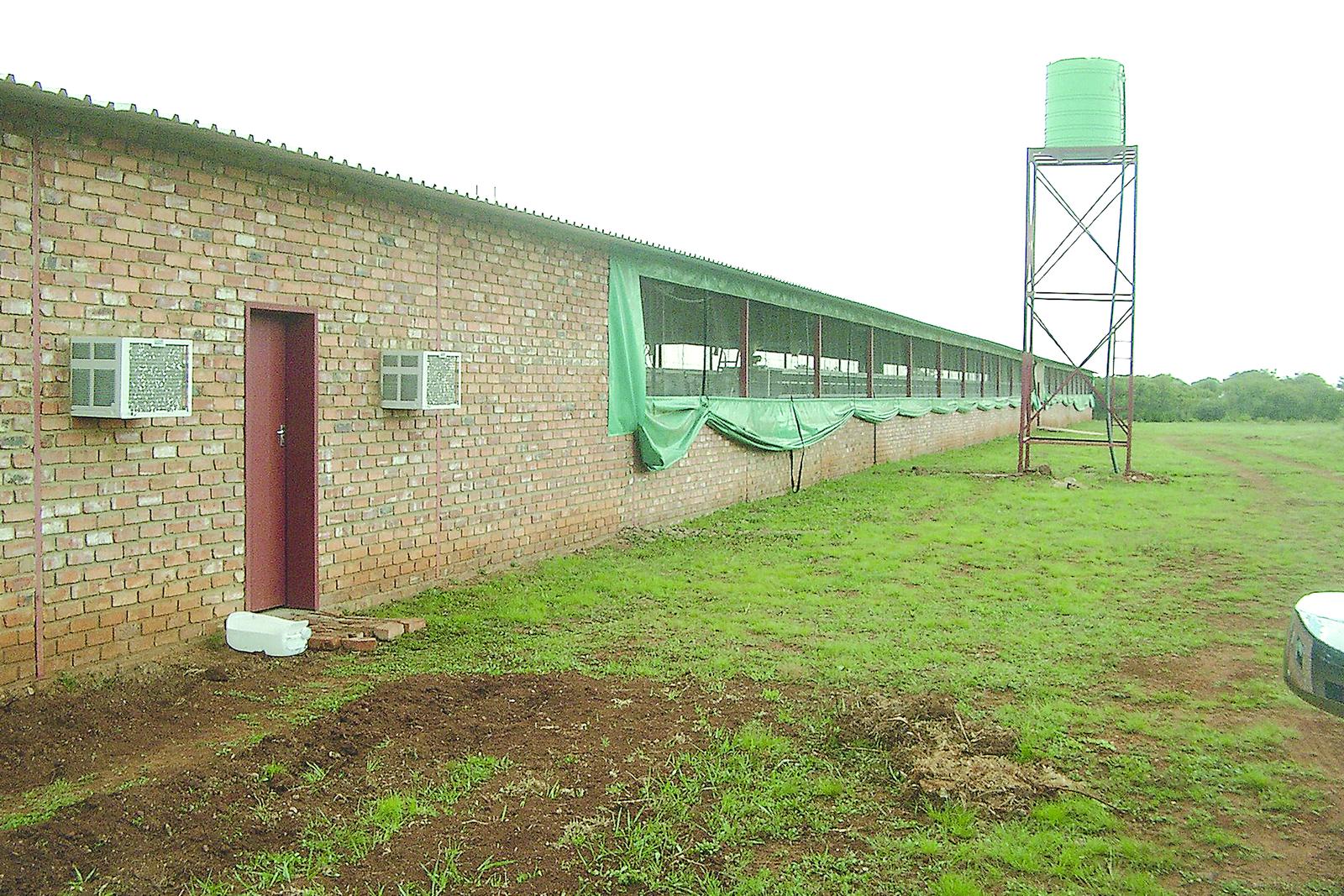
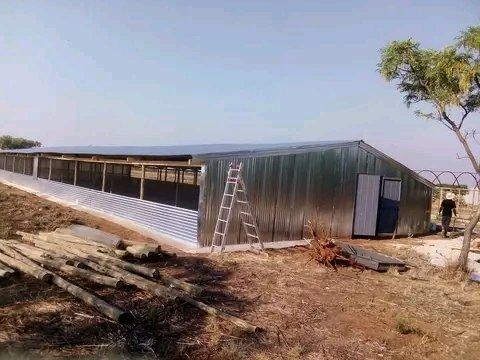
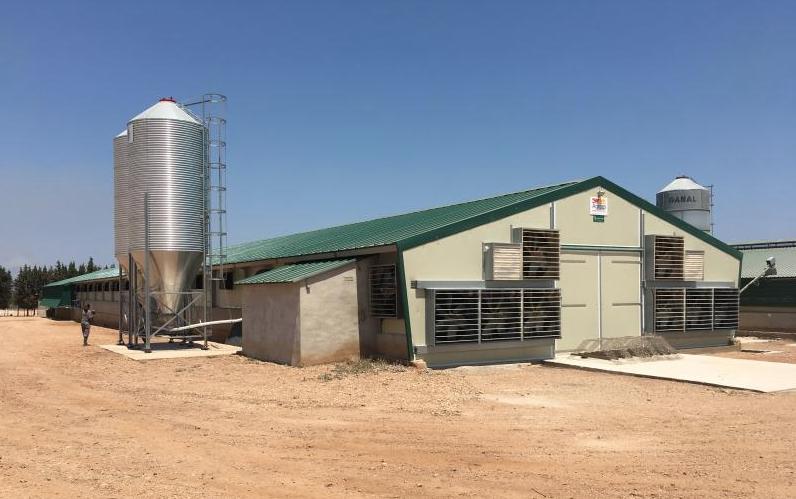
Timber poultry houses
Timber structures are commonly suitable for small and medium-sized poultry projects.
Advantages include:
-
Relatively simple construction.
-
Locally available materials.
-
Easier modifications and expansion.
-
Suitable for open-sided ventilation designs.
However, timber needs protection against moisture, termites and deterioration.
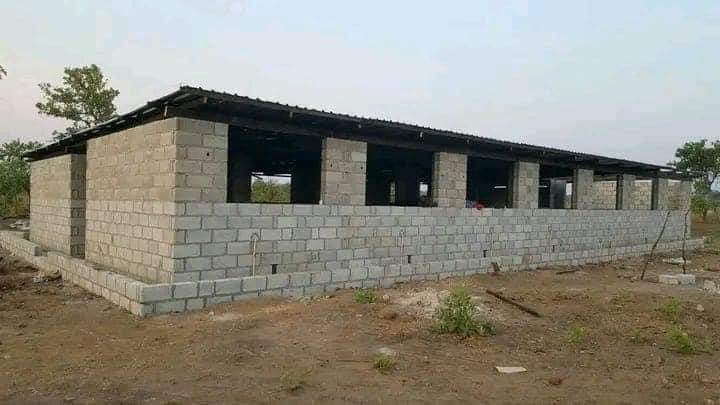
Permanent poultry houses
Permanent structures may use concrete blocks, steel, concrete flooring and more substantial foundations.
Advantages include:
-
Durable construction when properly built.
-
Better physical security.
-
Easier integration of permanent drainage and service areas.
-
Potentially lower structural maintenance over time.
However, initial construction expenses may be higher.
Which should you choose?
For a beginner with limited capital, a well-constructed timber poultry house may be a practical starting point. For a larger commercial operation, consider a professionally designed permanent structure if the investment is justified.
8. How to Reduce Poultry House Construction Costs Without Compromising Quality
You can control construction expenses without creating an unsuitable environment for your chickens.
Consider these practical approaches.
1. Start with a manageable flock
Do not construct a large commercial poultry house before establishing your production goals and available capital.
2. Use locally available materials
Compare timber, roofing sheets, wire mesh and cement prices from suppliers near your farm.
3. Prepare a construction plan
Having accurate measurements helps reduce material wastage and unnecessary purchases.
4. Compare labour quotations
Obtain quotations from at least two or three experienced contractors or fundis.
5. Design for natural ventilation
A suitable open-sided design can reduce reliance on mechanical ventilation in appropriate climates.
6. Plan for future expansion
If you expect to increase your flock, leave room for additional housing while maintaining proper spacing and biosecurity.
7. Buy quality roofing and mesh
Poor-quality materials may require frequent repairs and replacements.
9. Important Features to Include in Your Poultry House
A poultry house should not be designed around construction costs alone. The building must support the health and comfort of the birds.
Good ventilation
Ensure that fresh air can circulate while excessive wind and rain are kept away from the birds.
Suitable flooring
A cleanable, well-drained floor helps make litter management easier.
Adequate lighting
Provide suitable natural lighting and supplementary lighting where required by your production system.
Secure doors and windows
Protect chickens from predators, rodents and unauthorised access.
Feed and water arrangements
Position feeders and drinkers so that birds can access them easily without excessive crowding.
Waste management
Plan how to remove litter and manure and where to store or dispose of waste safely.
10. How to Prepare Your Poultry House Before Buying Chicks
After construction, do not immediately introduce chickens into the building.
Prepare the house properly first.
-
Remove construction waste and sharp objects.
-
Clean the floor, walls and equipment.
-
Disinfect using a suitable poultry-house disinfectant according to its label.
-
Allow the building to dry properly.
-
Install feeders and drinkers.
-
Prepare suitable bedding.
-
Check ventilation and drainage.
-
Prepare a separate brooding area for day-old chicks.
-
Confirm that water and feed are available.
-
Establish your health and vaccination management plan.
If you are planning to raise improved kienyeji chickens, you can enquire about improved kienyeji chicks in Kiambu.
For farmers around Limuru, our chicks in Limuru page provides another route to enquire about chick availability and prices.
11. Common Mistakes That Increase Poultry House Construction Costs
Some construction mistakes can increase expenses even before the first chicken arrives.
| Mistake | How to avoid it |
|---|---|
| Building without measurements | Prepare a proper construction plan |
| Buying excessive materials | Calculate quantities before purchasing |
| Poor site selection | Choose well-drained land |
| Using weak timber | Select durable structural materials |
| Poor roofing design | Provide suitable roof pitch and overhang |
| Ignoring ventilation | Include sufficient ventilation openings |
| No provision for expansion | Consider future flock requirements |
| Hiring without a quotation | Agree on labour costs before work begins |
A properly planned poultry house can reduce unnecessary repairs and make daily farm management easier.
12. Is It Better to Build Your Poultry House Before Buying Chicks?
Yes. In most situations, completing and preparing your poultry house before buying chicks is the better approach.
Buying chicks before preparing housing can create unnecessary pressure, especially when the birds require immediate brooding.
Before ordering chicks, make sure:
-
The house is ready.
-
The brooder is operational.
-
Feed and water are available.
-
Equipment is installed.
-
The appropriate health management programme is prepared.
-
You have enough money for the initial feeding period.
Remember that buying chickens is only one part of poultry farming. Housing, feed, healthcare and management all contribute to the final production cost.
Frequently Asked Questions About Poultry House Construction Cost in Kenya
1. How much does it cost to build a poultry house in Kenya?
The cost depends on the flock size, materials, labour, location and design. A timber structure may have different construction costs from a permanent masonry building. Obtain current local quotations before preparing your final budget.
2. How big should a poultry house for 100 chickens be?
For 100 improved kienyeji chickens, approximately 250 square feet is an illustrative starting point using 2.5 square feet per bird. A 10-by-25-foot structure provides this area.
3. Which materials are best for constructing a poultry house?
Common materials include treated timber, wire mesh, iron sheets, cement, sand and ballast. Choose materials according to your budget, local climate and the intended lifespan of the building.
4. Can I construct a poultry house using timber?
Yes. Timber is suitable for many small and medium-sized poultry housing projects. Use strong timber, protect it against termites and moisture, and ensure that the building is secure.
5. How many chickens can I keep in a 10-by-20-foot poultry house?
The structure has 200 square feet of floor space. Using 2.5 square feet per improved kienyeji chicken, it provides a preliminary capacity of approximately 80 birds.
6. Is a concrete floor necessary for a poultry house?
A concrete floor is useful because it can make cleaning easier and improve protection against rodents and predators. It should be properly constructed and drained. Other floor systems may be appropriate in some settings, depending on the housing design.
7. What is the best roof for a poultry house in Kenya?
Corrugated iron sheets are commonly used. The roof should have sufficient overhang and suitable insulation or other heat-management measures depending on local conditions.
8. Can I start poultry farming with 50 chickens?
Yes. Starting with 50 chickens can help beginners learn feeding, housing, disease prevention and marketing before expanding.
9. Should I construct a separate brooder?
A dedicated brooding area is useful, particularly if you intend to raise day-old chicks. It allows better control of temperature, feeding and chick management.
10. What should I do after constructing my poultry house?
Clean and disinfect the building, install equipment, prepare bedding, establish a brooding system where necessary and confirm that feed and water are available before introducing chickens.
Conclusion: Plan Your Poultry House Construction Before Investing in Chickens
Understanding the poultry house construction cost in Kenya helps farmers prepare realistic budgets and avoid unnecessary construction expenses.
Whether you intend to raise 50 improved kienyeji chickens or establish a commercial poultry farm with 1,000 birds, start by selecting the right design, calculating measurements and comparing building materials.
A good poultry house should provide sufficient space, fresh air, protection from weather and predators, and convenient access for feeding and cleaning.
Once your housing is ready, you can begin planning the purchase of healthy chicks and the management of your poultry business.
Chickmasters Poultry and Hives Shop serves poultry farmers looking for improved kienyeji chicks and other poultry products. Contact us to enquire about current availability and prices.
Chickmasters Poultry and Hives Shop
Contact us for improved kienyeji chick enquiries, available ages and prices.
0119076723
Website: chickbeefarming.co.ke