


Best Feed for Improved Kienyeji Chickens
Best Feed for Improved Kienyeji Chickens in Kenya
Introduction
Feeding is the most critical factor in successful improved Kienyeji chicken farming in Kenya. Proper nutrition ensures faster growth, better egg production, stronger immunity, and higher profitability. Farmers who understand the right feeds and supplements for each stage of growth will get healthier birds and greater returns. At Chick Bee Farming, we provide expert guidance on feeding improved Kienyeji chicks to maximize productivity.
Learn more about the best Kienyeji chicken breeds in Kenya here:
👉 Best Kienyeji Chicken Breeds in Kenya
Why Proper Feed Matters for Improved Kienyeji Chickens
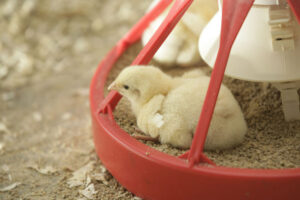
The feed you provide affects every aspect of your flock’s performance:
-
Growth rate: Well-fed chicks reach market weight faster.
-
Egg production: Layer feed and supplements boost egg numbers and quality.
-
Feed conversion efficiency: Efficient feed reduces cost per kg of meat or per egg.
-
Disease resistance: Balanced nutrition strengthens the immune system.
For a detailed guide on how to rear improved Kienyeji chicks, check:
👉 How to Rear Improved Kienyeji Chicks
Feeding Guide for Day-Old to Adult Improved Kienyeji Chickens
1. Day-Old Chicks (0–4 Weeks)
-
Feed type: Chick starter mash (20–22% protein)
-
Quantity: Feed freely but in small amounts to avoid wastage
-
Additional: Provide clean, fresh water and electrolytes to boost immunity
Tip: Always ensure the brooder is warm and dry to prevent feed wastage and illness.
2. Grower Stage (5–8 Weeks)
-
Feed type: Grower mash (16–18% protein)
-
Purpose: Supports steady growth and prepares birds for pre-layers
-
Supplements: Add vitamins and minerals for stronger bones and feathers
For breed-specific feed advice, check our guide on the best Kienyeji chicks:
👉 Best Kienyeji Chicks
3. Pre-Layer Stage (9–20 Weeks)
-
Feed type: Pre-layer mash (16% protein with extra calcium)
-
Purpose: Prepares pullets for egg production
-
Additional: Crushed oyster shells or limestone improves eggshell quality
4. Layer Stage (From 20 Weeks Onwards)
-
Feed type: Layer mash (16% protein, 3.5–4% calcium)
-
Purpose: Maximizes egg production and maintains health
-
Supplements: Grit, vitamins, and clean water daily
Check updated improved Kienyeji chick prices for budgeting:
👉 Improved Kienyeji Chick Price in Kenya
Natural and Supplemental Feeds for Improved Kienyeji Chickens
-
Greens & vegetables: Spinach, kale, sukuma wiki
-
Kitchen leftovers: Cooked rice, maize porridge, or beans (moderation)
-
Grains: Maize, millet, sorghum
-
Protein boosters: Groundnut cake, sunflower cake
-
Vitamins & minerals: Strengthen bones and immunity
Supplementing natural feed with commercial mash ensures uniform growth and egg quality.
Common Feeding Mistakes to Avoid
-
Overfeeding or underfeeding
-
Using stale or moldy feed (can cause disease)
-
Ignoring protein requirements at different stages
-
Not providing clean water and grit
Avoiding these mistakes improves flock health and overall profitability.
Where to Learn More and Strengthen Your poultry Farm
-
For 2-3weeeks chicks for sale ,low mortality rate for they have passed week one the most delicate brooding time , visit: 👉2-3weeks old improved kienyeji chicks for sale
-
For day old chick prices, visit: 👉 Day Old Kienyeji Chick Price
Conclusion
Feeding improved Kienyeji chickens correctly at every stage is the foundation of a profitable poultry farm. By providing starter, grower, pre-layer, and layer feeds along with supplements and natural foods, farmers can achieve fast growth, high egg production, and healthy flocks. Following this feeding guide, along with guidance from Chick Bee Farming, ensures maximum productivity and profitability in Kenya.
📞 Call 0119076723 for expert advice and quality improved Kienyeji chicks