


Why Improved Kienyeji Chicks Are More Profitable Than Local Breeds
Why Improved Kienyeji Chicks Are More Profitable Than Local Breeds
Introduction
Why improved Kienyeji chicks are more profitable than local breeds is a key question for farmers looking to increase income from poultry farming in Kenya. Unlike traditional local chickens, improved Kienyeji chicks are selectively bred for faster growth, higher egg production, and better survival rates. At Chick Bee Farming, we supply healthy, vaccinated improved Kienyeji chicks and guide farmers on how to achieve maximum returns from poultry farming.
Faster Growth Rate for Quicker Income
One major reason improved Kienyeji chicks are more profitable is their faster growth rate. While local breeds can take 6–8 months to reach market size, improved Kienyeji chickens mature in just 4–5 months.
This faster growth means reduced feeding costs and quicker sales, allowing farmers to reinvest sooner. A detailed comparison between the two breeds is explained in our guide on improved Kienyeji vs local breeds:
👉 https://chickbeefarming.co.ke/improved-kienyeji-vs-local-breed/
Higher Egg Production Than Local Breeds
Improved Kienyeji hens lay significantly more eggs than local chickens. On average, an improved Kienyeji hen produces 220–280 eggs per year, while local breeds lay only 60–100 eggs annually.
If you are choosing a breed for egg or dual-purpose farming, our page on the best Kienyeji chicks in Kenya helps you select the most productive options:
👉 https://chickbeefarming.co.ke/best-kienyeji-chicks/
Better Feed Conversion and Lower Production Costs
Improved Kienyeji chickens convert feed into meat and eggs more efficiently than local breeds. This means less feed is wasted, birds gain weight faster, and overall production costs are lower.
Better feed efficiency directly increases profit margins, especially for farmers running medium to large flocks.
Stronger Disease Resistance and High er Survival Rates
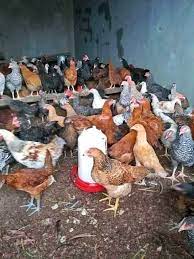
When properly vaccinated, improved Kienyeji chicks show stronger resistance to common poultry diseases such as Newcastle and Gumboro. This results in higher survival rates and lower veterinary costs.
To ensure maximum survival, farmers should follow a proper vaccination program as explained in our detailed guide on how to vaccinate improved Kienyeji chicks
High Market and Better Selling Prices
Improved Kienyeji chickens are highly preferred in Kenyan markets because they resemble local chickens in taste and appearance but grow much faster. Hotels, restaurants, and households are willing to pay premium prices for improved Kienyeji meat and eggs.
This strong demand makes them easier to sell compared to broilers and traditional local breeds.
Predictable Costs and Easier Farm Planning
Another advantage of improved Kienyeji chicks is predictable pricing and performance. Farmers can easily plan their budgets using updated chick prices.
You can view current pricing on our pages for improved Kienyeji chick price in Kenya by chickmasters and day-old improved Kienyeji price to plan accurately
Improved Kienyeji vs Local Breeds: Profit Comparison
| Factor | Improved Kienyeji | Local Breeds |
|---|---|---|
| Growth rate | Fast (4–5 months) | Slow (6–8 months) |
| Egg production | High | Low |
| Feed efficiency | Good | Poor |
| Survival rate | High | Moderate |
| Market demand | Very high | Moderate |
| Profitability | High | Low–Medium |
Where to Buy Quality Improved Kienyeji Chicks in Kenya
At Chick Bee Farming, we specialize in supplying quality, vaccinated day-old improved Kienyeji chicks to farmers across Kenya. We also provide expert guidance on feeding, housing, and vaccination to help farmers succeed.
To choose the best breed and place an order, visit our Best Kienyeji Chicks page or check the
📞 Call 0119076723
Conclusion
Improved Kienyeji chicks are more profitable than local breeds because they grow faster, lay more eggs, survive better, and attract higher market prices. For farmers who want predictable income and sustainable poultry farming in Kenya, improved Kienyeji chickens are the smartest choice.
Frequently Asked Questions About Improved Kienyeji Chick Profitability
1. Why are improved Kienyeji chicks more profitable than local breeds?
Improved Kienyeji chicks are bred for faster growth, better feed conversion, and higher egg production. These traits help farmers earn more from both meat and eggs compared to traditional local breeds, which grow slower and lay fewer eggs.
2. How does better rearing impact improved Kienyeji profitability?
Healthy rearing practices significantly boost survival and productivity. When farmers know how to rear healthy improved Kienyeji chicks, losses drop and performance improves, leading to higher profits over time.
3. Should I buy vaccinated improved Kienyeji chicks?
Yes. Vaccinated improved Kienyeji chicks have stronger immunity against common diseases, reducing mortality rates and veterinary costs. Buying vaccinated chicks ensures a better start and higher returns on your investment.
for vaccinated chicks book with us on our vaccinated improved kienyeji chick for sale page
4. Do improved Kienyeji chicks lay more eggs than local breeds?
Yes. Improved Kienyeji strains are developed to produce more eggs per year compared to local breeds, which makes them more profitable for egg production businesses.
5. Is the growth rate of improved Kienyeji chicks faster?
Yes. Improved Kienyeji chicks reach market weight faster than many local breeds when provided with proper feeding and care, meaning farmers recoup costs sooner and begin earning earlier.
6. Are improved Kienyeji chicks easier to manage than local breeds?
Improved Kienyeji chicks are often bred for better temperament and disease resistance, making them easier to manage — especially when combined with proper brooding and feeding practices.
7. Can smallholder farmers benefit from improved Kienyeji breeds?
Absolutely. Even smallholder farmers see better incomes with improved Kienyeji breeds due to higher survival, better egg output, and stronger market demand for meat and eggs.
8. Are improved Kienyeji chicks more expensive to buy?
They may cost slightly more upfront than local breeds, but the higher returns from better growth, egg production, and lower losses make them more cost-effective over time.
9. What role does feeding quality play in profitability?
High-quality feed unlocks the full genetic potential of improved Kienyeji chicks. Proper feeding, combined with good rearing and vaccination, maximizes weight gain and egg output, increasing overall farm profits.
10. How quickly can I see profits with improved Kienyeji chicks?
With good management (vaccination, feeding, brooding), many farmers begin to see profits within one production cycle — often much faster than with local breeds due to higher survival and output.