


Improved Kienyeji Farming Profitability in Kenya
Improved Kienyeji Farming Profitability in Kenya
Introduction
Improved Kienyeji farming profitability in Kenya depends on choosing the right breed, proper feeding, good management, and strong market demand. Compared to local chickens, improved Kienyeji chickens grow faster, lay more eggs, and survive better, making them one of the most profitable poultry farming options in Kenya. At Chick Bee Farming, we help farmers understand costs, returns, and how to maximize profits from improved Kienyeji farming.
To understand which breeds perform best, read our detailed guide on the best Kienyeji chicken breeds in Kenya:
Why Improved Kienyeji Farming Is Profitable in Kenya
Improved Kienyeji chickens are preferred by farmers and consumers because they combine fast growth with the traditional taste Kenyans love.
Key reasons for high profitability
-
Faster maturity (4–5 months to market)
-
High egg production (220–280 eggs per year)
-
Strong disease resistance when vaccinated
-
High market demand and better selling prices
For a clear comparison, see improved Kienyeji vs local breeds
Cost of Starting Improved Kienyeji Farming in Kenya
Understanding startup costs helps farmers plan and avoid losses.
Major startup costs include
-
Day-old improved Kienyeji chicks
-
Housing and equipment
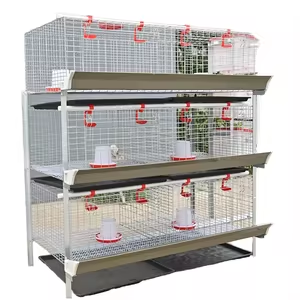
Improved Kienyeji Farming Profitability in Kenya -
Feed and supplements
-
Vaccination and medication
To plan accurately, check the current improved Kienyeji chick price in Kenya:
You can also view updated prices for day-old improved Kienyeji chicks here:
Monthly Profit Expectations for Improved Kienyeji Farmers
Profit depends on scale, management, and market access.
Small-scale farmers (100–300 birds)
-
Lower startup cost
-
Steady income from egg sales
-
Ideal for beginners
Medium-scale farmers (500–1,000 birds)
-
Higher feed cost but better margins
-
Regular meat and egg supply
-
Faster return on investment
Large-scale farmers (1,500+ birds)
-
Best economies of scale
-
Higher net profit
-
Requires strong management skills
How to Increase Profit from Improved Kienyeji Farming
Farmers who follow best practices earn more consistently.
1. Start with quality chicks
Always buy vaccinated chicks from a trusted supplier. Poor-quality chicks result in losses even with good management.
👉 Learn how to rear chicks properly:
How to rear strong heathy chicks guide by chickmasters
2. Feed Improved Kienyeji Chickens Correctly
Feed accounts for the largest portion of production costs. Using the right feed at each stage improves feed conversion and reduces waste.
👉 Read the complete feeding guide:
Best feed for improved kienyeji learn how to feed your poultry and the best feed to feed them
3. Follow a Proper Vaccination Program
Vaccination reduces mortality and treatment costs, increasing profit rate
4. Target the Right Market
Improved Kienyeji chickens fetch better prices in:
-
Local markets
-
Hotels and restaurants
-
Households looking for traditional taste
Common Mistakes That Reduce Profit
-
Buying cheap, unvaccinated chicks
-
Poor feeding programs
-
Skipping vaccination
-
Selling birds too early or too late
Avoiding these mistakes protects your investment.
Where to Buy Improved Kienyeji Chicks in Kenya
At Chick Bee Farming, we supply healthy, vaccinated improved Kienyeji chicks and provide expert guidance to help farmers succeed.
📞 Call 0119076723 to start profitable improved Kienyeji farming today.
Conclusion
Improved Kienyeji farming profitability in Kenya is high when farmers use quality chicks, proper feeding, vaccination, and good market planning. With the right approach and support from Chick Bee Farming, poultry farmers can achieve reliable income and long-term success.