


10 things you need to know before starting bee farming
Things You Need to Know Before Keeping Bees in Kenya
10 things you need to know before starting bee farming can determine whether your venture becomes profitable or frustrating. Bee farming in Kenya requires proper planning, the right equipment, suitable locations, and basic knowledge of bee behavior to achieve good honey yields. For beginners, understanding these fundamentals early helps avoid common mistakes and ensures long-term success in modern bee farming.
Before you buy your first bee hive, here are the most important things you need to know about beekeeping in Kenya.
1. Understand Bee Behavior
Bees are social insects that live in colonies made up of a queen, worker bees, and drones. They communicate through movement and scent, working together to collect nectar and produce honey.
When working with bees, always stay calm. Sudden movements and strong scents can irritate them. Proper handling ensures your safety and productivity.
2. Choose the Right Location for Your Apiary
Your apiary (bee farm) should be located in a place that is:
-
Safe from animals and human disturbance
-
Close to flowering plants and a water source
-
Sheltered from strong winds and direct sunlight
Avoid placing hives near roads, schools, or livestock pens to prevent accidents or stings.
3. Select the Right Type of Bee Hive
The type of bee hive you use greatly affects honey production and management.
In Kenya, the most common hives include:
-
Langstroth Hive – Best for commercial bee farming; easy to inspect and harvest.for langstroth hive for sale ,this blog post will help you get the best quality hive at a good price
-
Kenya Top Bar Hive (KTBH) – Affordable, locally made, and great for small-scale farmers.reack also kenya top bar hives for sale by chick master
-
Traditional Log Hive – Cheap to build but harder to harvest and manage.
👉 Tip: Start with 2–5 hives before scaling up.
If you’re looking for quality bee hives for sale in Kenya, contact us at Chickmaster Enterprises — we supply durable Langstroth and Top Bar hives across the country.
📞 Call/WhatsApp: 0119076723.
📧 Email: info@chickbeefarming.co.ke
📍 Location: Ngong Town, Kenya
4. Get the Right Beekeeping Equipment
Before you start, invest in the following essential tools:
-
Bee suit (with veil)
-
Gloves and gumboots
-
Smoker and hive tool
-
Bee brush
-
Honey extractor (for Langstroth hives)
Quality equipment makes hive management safer and more efficient.
get Quality bee equipment in our showroom,chimasters bee farming show room
5. Learn from Experienced Beekeepers
Training is key to successful bee farming in Kenya. Join local beekeeping cooperatives, attend field days, or take short courses at the National Beekeeping Institute (Lenana, Nairobi).
Experienced beekeepers can help you learn colony management, honey harvesting, and pest control.
6. Source Healthy Bee Colonies
Start your bee farm with strong, healthy colonies. You can either:
-
Trap a wild swarm, or
-
Buy established colonies from trusted suppliers.
Avoid colonies with diseases or weak queens, as they produce less honey.
7. Manage Your Bees Seasonally
Bees are most active during flowering seasons. During dry periods, provide clean water, shade, and inspect your hives regularly.
Always check for brood health, queen activity, and honey storage.
8. Control Pests and Diseases
Common bee enemies include:
-
Wax moths
-
Ants and honey badgers
Keep hives raised on stands, maintain hygiene, and repair damaged hives immediately.
9. Harvest Honey Responsibly
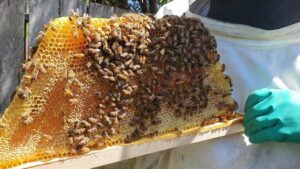
Only harvest sealed (mature) combs to ensure quality honey. Use clean tools and avoid using too much smoke during harvesting.
Leave enough honey for your bees to feed on during dry months.
10. Plan for Marketing and Income
Honey, beeswax, propolis, and royal jelly all have market value.
Package your honey neatly in labeled jars and explore sales to:
-
Local shops and supermarkets
-
Online stores and social media
-
Beekeeping cooperatives
With proper branding, you can easily grow a profitable honey business.
🐝 Final Thoughts
Beekeeping is not just about honey — it’s about patience, care, and commitment. When done right, it offers a sustainable source of income while supporting environmental conservation.
If you’re ready to start bee farming in Kenya, Chickmaster Enterprises can help you get started with quality hives, colonies, and professional guidance.
📞 Call/WhatsApp:0119076723
📧 Email: info@chickbeefarming.co.ke
📍 Visit Us: Ngong Town, Kenya
Chickmaster Enterprises – Your Trusted Partner in Beekeeping and Agribusiness.