


Cost of Raising 100 Kuroiler Chickens in Kenya
Cost of Raising 100 Kuroiler Chickens in Kenya
Understanding the cost of raising 100 Kuroiler chickens in Kenya is essential before investing in poultry farming. Many farmers are attracted to Kuroiler chickens because they grow faster than ordinary indigenous birds, produce high-quality meat, lay a good number of eggs, and adapt well to Kenya’s free-range and semi-intensive farming systems. However, success in Kuroiler farming depends on proper budgeting and planning.
Whether you are a first-time poultry farmer or expanding your existing flock, knowing your expected expenses helps you avoid financial surprises and manage your farm more efficiently. The total investment includes purchasing chicks, feed, housing, equipment, vaccination, medication, labour, and other operating costs.
One of the most important decisions is purchasing healthy chicks from a trusted supplier. Starting with strong, vaccinated birds reduces mortality, improves growth, and increases profitability. If you are planning your poultry project, our Kuroiler Chicks for Sale in Kenya page provides healthy day-old, one-week-old, one-month-old, and mature Kuroiler chickens suitable for both small-scale and commercial farmers.
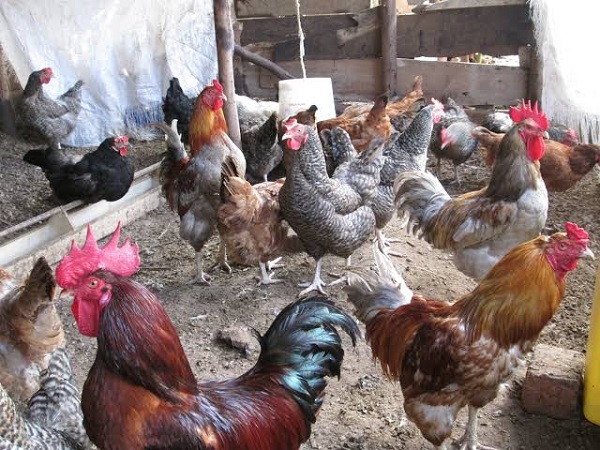
Is Kuroiler Farming Profitable in Kenya?
Yes. Kuroiler chicken farming is among the fastest-growing poultry enterprises in Kenya because the breed combines excellent meat production with good egg-laying ability.
Unlike ordinary kienyeji chickens, Kuroilers grow faster while maintaining the traditional flavour that many Kenyan consumers prefer. Their adaptability allows farmers to raise them successfully under:
- Free-range systems.
- Semi-intensive systems.
- Commercial poultry production.
Farmers can earn income from:
- Selling mature birds.
- Selling eggs.
- Selling breeding stock.
- Supplying restaurants and hotels.
- Local market sales.
- Direct farm sales.
Demand for improved indigenous-type chickens continues to grow because consumers are increasingly looking for healthier and tastier poultry products.
What Determines the Cost of Raising 100 Kuroiler Chickens?
Several factors influence the total investment required.
These include:
- Age of chicks purchased.
- Feed prices.
- Housing construction.
- Vaccination programme.
- Medication.
- Equipment.
- Labour.
- Electricity or heating.
- Farm management.
Farmers buying one-month-old chicks will spend more on the initial purchase but less on brooding, while those purchasing day-old chicks invest less initially but incur higher brooding and management costs.
Estimated Startup Cost for 100 Kuroiler Chicks
Below is an estimated budget for farmers starting with 100 day-old Kuroiler chicks.
| Item | Estimated Cost (KSh) |
|---|---|
| 100 Day-Old Kuroiler Chicks | 12,000 – 15,000 |
| Chick Mash (First Weeks) | 18,000 – 22,000 |
| Growers Feed | 20,000 – 28,000 |
| Feeders | 3,000 – 5,000 |
| Drinkers | 2,500 – 4,000 |
| Vaccination & Medication | 5,000 – 8,000 |
| Wood Shavings | 2,000 – 3,500 |
| Brooder Equipment | 5,000 – 10,000 |
| Electricity/Heating | 3,000 – 6,000 |
| Miscellaneous Expenses | 3,000 – 5,000 |
Estimated Initial Investment
Approximately KSh 73,500 – 106,500
This estimate excludes the cost of constructing a permanent poultry house. Farmers who already have housing can start with a lower investment.
For full starter kit purchase 100chicks,housing,feedeing&drinkers vaccinations etcs reach us on;
Kuroiler Chicks Cost
The price of chicks depends on their age and vaccination status.
| Age | Estimated Price Per Bird (KSh) |
|---|---|
| Day-Old | 120 – 150 |
| 1 Week Old | 150 – 200 |
| 2 Weeks Old | 200 – 280 |
| 3 Weeks Old | 250 – 350 |
| 1 Month Old | 300 – 450 |
| 2 Months Old | 500 – 700 |
| Mature Birds | 1,200 – 1,700 |
Buying older chicks reduces brooding risks but increases the purchase price because the supplier has already invested in feed, labour, and vaccinations.
If you are unsure which age is best for your farm, our Best Age to Buy Kuroiler Chicks in Kenya guide explains the advantages and disadvantages of buying chicks at different stages of growth.
orders chicks here
Housing Cost for 100 Kuroiler Chickens
Good housing protects your flock from predators, bad weather, and disease while promoting faster growth.
A poultry house for 100 Kuroiler chickens should provide:
- Adequate ventilation.
- Dry flooring.
- Proper drainage.
- Easy cleaning.
- Sufficient floor space.
- Protection from predators.
Estimated Housing Budget
| Item | Estimated Cost (KSh) |
|---|---|
| Timber & Poles | 10,000 – 20,000 |
| Wire Mesh | 8,000 – 15,000 |
| Roofing Materials | 12,000 – 25,000 |
| Cement Floor (Optional) | 8,000 – 20,000 |
| Labour | 10,000 – 20,000 |
Estimated Housing Cost
KSh 48,000 – 100,000
Farmers using existing buildings or converting old structures can significantly reduce these costs.
Poultry Equipment Required
The right equipment helps improve hygiene, reduce feed wastage, and make farm management easier.
Essential equipment includes:
- Feeders.
- Drinkers.
- Brooder guards.
- Heat source.
- Storage containers.
- Weighing scale.
- Cleaning tools.
Investing in quality equipment reduces maintenance costs and improves the overall efficiency of your poultry operation.
Why Buying Healthy Kuroiler Chicks Saves Money
Some farmers choose the cheapest chicks available, only to experience high mortality, slow growth, and poor production.
Purchasing healthy, vaccinated chicks from a reputable supplier helps you:
- Reduce disease outbreaks.
- Lower medication expenses.
- Improve survival rates.
- Achieve uniform growth.
- Increase profitability.
Healthy chicks are active, alert, have bright eyes, strong legs, clean vents, and good body weight.
Choosing quality chicks from the beginning is one of the best investments you can make in your poultry business.
Kuroiler or Sasso: Which Offers Better Value?
Many farmers compare Kuroiler and Sasso before investing. Both breeds are profitable, but the right choice depends on your production goals.
Kuroiler chickens are known for their excellent adaptability, free-range performance, and balanced meat and egg production. Sasso chickens, on the other hand, are popular for their rapid growth and outstanding performance in commercial meat production.
If you are still deciding which breed to raise, our detailed Kuroiler vs Sasso Chickens in Kenya comparison explains the differences in growth rate, feed conversion, profitability, and management requirements.
Feed Cost for 100 Kuroiler Chickens
Feed is the largest expense in Kuroiler farming, accounting for approximately 65–70% of the total production cost. A proper feeding programme helps birds grow faster, improves feed conversion, strengthens immunity, and increases profitability.
Kuroiler chickens perform well under both free-range and semi-intensive systems. While they are excellent foragers that consume insects, grass, and seeds, supplementary feeding is still necessary to achieve optimal growth and egg production.
A balanced feeding programme should include quality commercial feed and constant access to clean drinking water.
Recommended Feeding Programme
| Age | Recommended Feed | Estimated Bags (100 Birds) |
|---|---|---|
| 0–8 Weeks | Chick Mash | 8–10 Bags |
| 9–18 Weeks | Growers Mash | 12–15 Bags |
| 19 Weeks and Above | Layers Mash (for hens) | As Required |
Estimated Feed Budget
| Feed Type | Estimated Cost (KSh) |
|---|---|
| Chick Mash | 18,000 – 22,000 |
| Growers Mash | 20,000 – 28,000 |
| Layers Mash (if keeping hens) | 18,000 – 25,000 |
Feed prices vary depending on the manufacturer, season, and location. Buying quality feed may cost more initially, but it usually results in healthier birds, faster growth, and better overall returns.
Many of the feeding principles used for Kuroiler chickens are similar to those applied to Sasso birds. Our Sasso Feeding Guide in Kenya provides additional practical feeding tips that can help reduce feed wastage and improve flock performance.
Vaccination and Medication Costs
Preventing disease is far less expensive than treating a disease outbreak. A proper vaccination programme helps protect your investment and keeps your birds healthy throughout the production cycle.
Common vaccinations include:
- Newcastle Disease.
- Gumboro.
- Fowl Pox.
- Fowl Typhoid (where recommended).
- Deworming.
- Vitamin supplementation during periods of stress.
Estimated Health Budget
| Item | Estimated Cost (KSh) |
|---|---|
| Vaccines | 2,500 – 4,500 |
| Deworming | 800 – 1,500 |
| Vitamins & Supplements | 1,000 – 2,000 |
| Emergency Medication | 1,500 – 3,000 |
Estimated Total: KSh 5,800 – 11,000
Maintaining clean housing, dry litter, and good biosecurity reduces the need for medication and lowers production costs.
Labour and Farm Management
For a flock of 100 Kuroiler chickens, many family farms can manage daily operations without employing permanent workers. Larger commercial farms may require dedicated labour.
Daily tasks include:
- Feeding birds.
- Providing clean water.
- Cleaning drinkers and feeders.
- Monitoring bird health.
- Collecting eggs (if keeping layers).
- Keeping production records.
Estimated Labour Cost
| Labour Type | Estimated Monthly Cost (KSh) |
|---|---|
| Family Labour | Minimal |
| Casual Labour | 5,000 – 10,000 |
| Full-Time Worker | 12,000 – 20,000 |
Good management is just as important as good genetics. Healthy chicks and quality feed alone cannot guarantee success without proper daily care.
Expected Income from 100 Kuroiler Chickens
Kuroiler chickens offer multiple income streams, making them an attractive option for poultry farmers.
You can generate revenue from:
- Selling mature birds.
- Selling table eggs.
- Selling fertile eggs.
- Selling breeding stock.
- Selling manure for crop farming.
Example: Meat Production
| Item | Estimate |
|---|---|
| Birds Raised | 100 |
| Survival Rate | 95 Birds |
| Average Selling Price | KSh 1,300 – 1,800 |
| Estimated Gross Revenue | KSh 123,500 – 171,000 |
Farmers selling directly to consumers, restaurants, butcheries, and supermarkets often receive higher prices than those selling through brokers.
Estimated Profit Analysis
The exact profit depends on feed prices, mortality, management practices, and market demand.
| Description | Estimated Amount (KSh) |
|---|---|
| Total Production Cost | 73,500 – 106,500 |
| Estimated Gross Revenue | 123,500 – 171,000 |
| Estimated Profit | 50,000 – 64,500+ |
Farmers who reduce feed wastage, maintain healthy birds, and market directly to customers can achieve even better returns.
Common Mistakes That Increase Production Costs
Many poultry farmers lose money because of avoidable mistakes.
1. Buying Poor-Quality Chicks
Cheap chicks often result in:
- Slow growth.
- High mortality.
- Increased medication costs.
Buying healthy birds from a reliable supplier gives better long-term results. Visit our Kuroiler Chicks for Sale in Kenya page to learn more about selecting quality chicks.
2. Poor Feeding Practices
Using low-quality feed or changing rations abruptly can reduce growth and increase production costs.
Always feed birds according to their age and production stage.
3. Poor Housing
Wet litter, overcrowding, and poor ventilation increase stress and disease risk.
Investing in a clean, well-designed poultry house saves money in the long run.
4. Ignoring Vaccination
Skipping vaccinations can lead to devastating disease outbreaks that wipe out an entire flock.
A consistent vaccination programme is one of the most cost-effective investments in poultry farming.
5. Poor Record Keeping
Successful farmers keep records of:
- Feed purchases.
- Vaccinations.
- Mortality.
- Sales.
- Daily egg production.
- Expenses.
Good records help identify areas where costs can be reduced and profits improved.
Frequently Asked Questions
How much capital do I need to start 100 Kuroiler chickens?
Depending on housing availability and feed prices, you should budget approximately KSh 73,500–106,500, excluding permanent house construction.
Is Kuroiler farming profitable in Kenya?
Yes. With proper management, healthy chicks, balanced feeding, and good marketing, Kuroiler farming can generate attractive returns from both meat and egg production.
How long does it take to recover my investment?
Many farmers recover their investment once birds reach market weight and are sold at favourable market prices. The exact period depends on your production system and marketing strategy.
Which age of Kuroiler chicks should I buy?
The best age depends on your experience. Beginners often achieve better survival rates with older chicks. Our Best Age to Buy Kuroiler Chicks in Kenya guide explains which age is most suitable for different types of farmers.
Is Kuroiler better than Sasso?
Both breeds are highly profitable. Kuroiler chickens are well suited to free-range systems and balanced meat-and-egg production, while Sasso chickens are popular for rapid commercial meat production. Read our Kuroiler vs Sasso Chickens in Kenya comparison to help you choose the best breed for your farm.
Order Healthy Kuroiler Chicks from Chickbee Farming
Starting with healthy chicks is the first step toward building a profitable poultry business.
At Chickbee Farming, we supply:
- Healthy Kuroiler chicks.
- Vaccinated birds.
- Day-old chicks.
- One-week-old chicks.
- One-month-old chicks.
- Mature breeding stock.
We also provide professional guidance on feeding, housing, vaccination, and general poultry management to help farmers succeed.
Contact Chickbee Farming Today
Final Thoughts
Understanding the cost of raising 100 Kuroiler chickens in Kenya allows you to plan your investment, manage expenses, and improve profitability. While feed remains the largest operating cost, careful budgeting, quality chicks, effective disease prevention, and good farm management can significantly increase your returns.
By purchasing healthy, vaccinated birds from a trusted supplier, following a balanced feeding programme, maintaining proper housing, and keeping accurate records, you can build a successful and sustainable Kuroiler poultry business.
Whether your goal is meat production, egg production, or breeding, Kuroiler chickens offer an excellent opportunity to meet Kenya’s growing demand for quality poultry products and generate long-term income.