


How to Start Bee Farming in Kenya
How to Start Bee Farming in Kenya – Complete Guide to Profitable Beekeeping
Introduction
How to Start Bee Farming in Kenya is a common question among farmers looking for a profitable agricultural business with low land requirements and long-term income potential. Beekeeping has become increasingly popular because farmers can earn from honey production, beeswax, pollination services, and selling bee colonies.
Starting a successful apiary requires more than just buying beehives. A farmer needs to understand hive selection, bee management, harvesting methods, and the right equipment needed to maintain healthy colonies. At Chickmasters, we help beginners and commercial farmers establish successful apiaries through quality beekeeping supplies, modern hive solutions, and practical training.
Why Start Bee Farming in Kenya?
Kenya has excellent potential for beekeeping because of its diverse vegetation, flowering plants, and growing demand for natural honey.
Some benefits of bee farming include:
- Low startup costs compared to many agricultural businesses
- Ability to farm with limited space
- Income from honey and beeswax
- Improved crop pollination
- Long-term sustainable farming opportunity
With proper management, even small-scale farmers can gradually expand into profitable commercial beekeeping.
Steps on How to Start Bee Farming in Kenya
1. Choose the Right Location for Your Apiary
The location of your apiary determines how productive your bees will be.
A good bee farm location should have:
- Plenty of flowering plants
- Clean water sources nearby
- Minimal disturbance from people and animals
- Protection from strong winds
- Good shade during hot seasons
Areas with rich vegetation allow bees to collect more nectar, resulting in higher honey production.
2. Choose the Best Beehive for Your Farm
Choosing the right hive is one of the most important decisions when starting beekeeping.
The two popular modern hive systems in Kenya are:
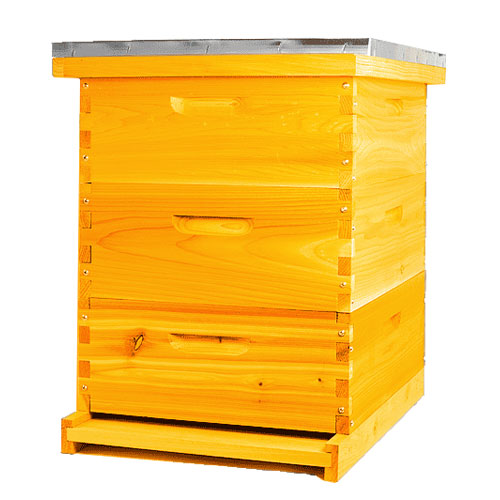
Langstroth Hives
Langstroth hives are widely used by commercial farmers because they allow easy inspection, efficient honey harvesting, and better colony management.
Farmers interested in commercial honey production can explore
modern Langstroth hives and Langstroth hive prices in Kenyabefore choosing the right option for their apiary.
💬 Order on WhatsApp
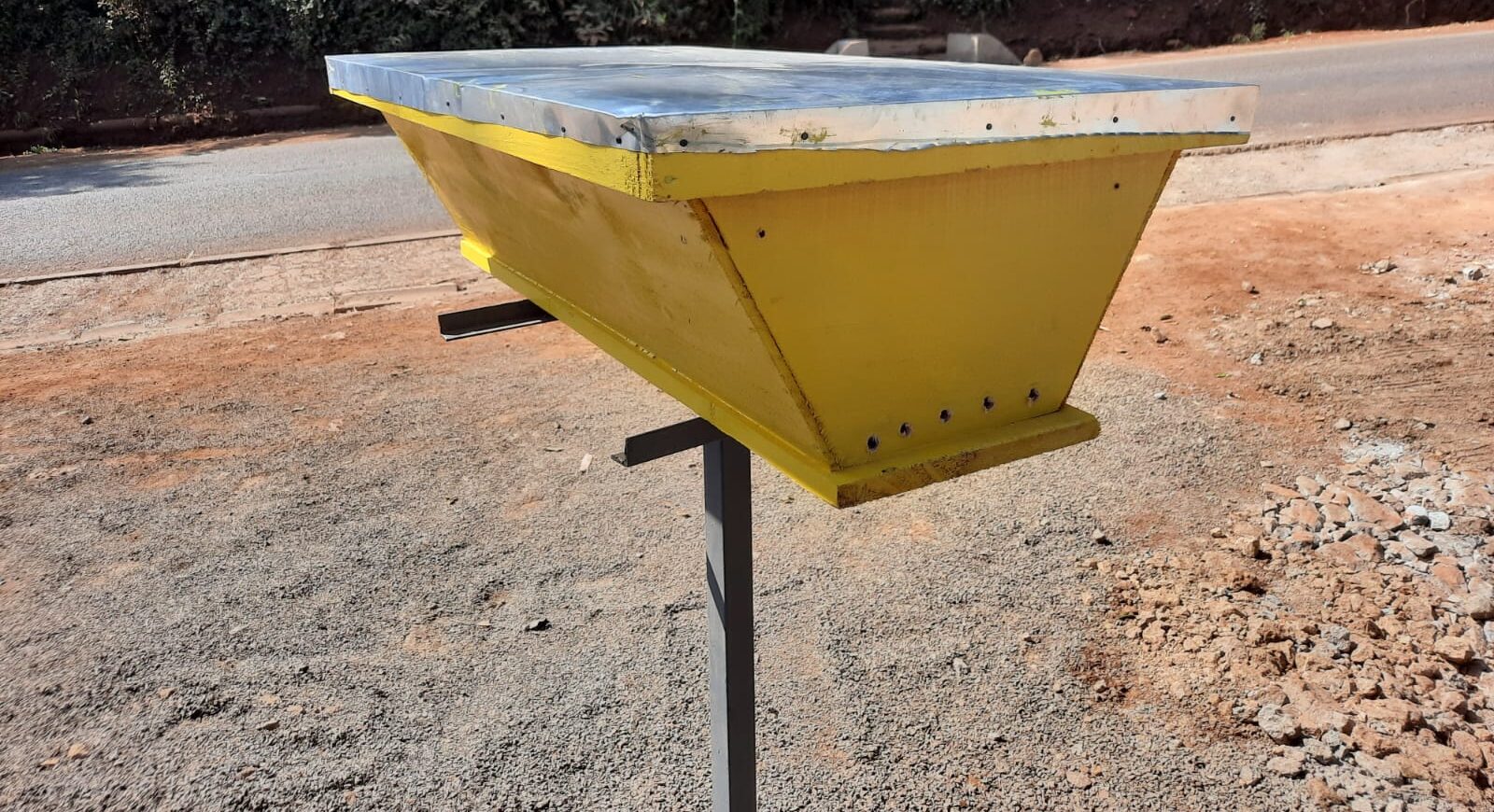
Kenya Top Bar Hives
Kenya Top Bar hives are popular among beginners because they are affordable and simple to manage.
They are suitable for farmers who want to start small while learning proper bee management techniques.
Many beginners choose Kenya Top Bar hives in Nairobi and other parts of Kenyabecause of their affordability and ease of use.
3. Buy Quality Beekeeping Equipment
Successful beekeeping requires proper tools to protect the farmer and manage colonies effectively.
Essential equipment includes:
- Bee suit
- Gloves
- Smoker
- Hive tool
- Honey extractor
- Feeders
- Honey storage containers
Using poor-quality equipment can make hive management difficult and reduce productivity.
Farmers should invest in professional beekeeping equipment and supplies to ensure safe inspections, harvesting, and colony management.
4. Get Proper Bee Farming Training
Many beginners fail because they start beekeeping without understanding bee behaviour and hive management.
Training helps farmers learn:
- How to install bee colonies
- How to inspect hives
- How to identify healthy colonies
- How to control pests and diseases
- When to harvest honey
- How to increase honey production
Professional guidance reduces mistakes and improves success rates.
Chickmasters provides practical bee farming training in Kenya designed for beginners and farmers interested in commercial apiary development.
5. Maintain Healthy Bee Colonies
A successful beekeeper focuses on colony health.
Important management practices include:
- Regular hive inspections
- Monitoring queen performance
- Controlling pests
- Protecting colonies from predators
- Ensuring adequate food supply
Healthy colonies produce more honey and survive longer.
How Much Can You Earn From Bee Farming in Kenya?
The profitability of bee farming depends on:
- Number of hives
- Hive type
- Location
- Management skills
- Honey market prices
Farmers can earn income through:
- Selling honey
- Selling beeswax
- Selling bee colonies
- Pollination services
- Training and consultancy
Starting with a few hives and expanding gradually is a practical approach for many beginners.
Common Mistakes New Beekeepers Should Avoid
Buying Cheap Poor-Quality Hives
Low-quality hives may reduce colony growth and make harvesting difficult.
Poor Apiary Location
A location without enough flowering plants leads to low honey production.
Harvesting Too Early
Removing immature honey affects quality and reduces profits.
Understanding the best time to harvest honey in Kenya helps farmers collect mature, high-quality honey while protecting their colonies.
Lack of Training
Without proper knowledge, farmers may lose colonies due to poor management practices.
Why Choose Chickmasters for Bee Farming in Kenya?
At Chickmasters, we support farmers at every stage of their beekeeping journey.
We provide:
- Quality modern beehives
- Kenya Top Bar hives
- Langstroth hive solutions
- Beekeeping equipment
- Practical training
- Apiary setup guidance
Whether you are starting your first hive or expanding a commercial bee farm, we provide solutions suitable for Kenyan conditions.
Frequently Asked Questions
How much does it cost to start bee farming in Kenya?
The cost depends on the number of hives, equipment required, and whether you choose Langstroth or Kenya Top Bar systems.but from ksh 12000 you have a full starter kit, from hive,heavesting equipments and protective clothing at chickbee farming
Is bee farming profitable in Kenya?
Yes. With proper management, bee farming can provide income from honey, beeswax, and other bee products.
How long does it take bees to produce honey?
Production depends on nectar availability, colony strength, weather conditions, and hive management.with availabilitity of favourable climate it will take 3-4 months to have the honey ready for harvest.
Which hive is best for beginners in Kenya?
Kenya Top Bar hives are popular for beginners, while Langstroth hives are preferred for commercial honey production.
Conclusion
Learning how to start bee farming in Kenya is the first step toward building a successful and profitable apiary. With the right location, quality hives, proper equipment, and professional training, farmers can produce high-quality honey and create a sustainable source of income.
Chickmasters is ready to support your journey with modern beehives, equipment, and expert guidance.
📞 Contact Chickmasters Today
📱 Call: 0119076723
💬 WhatsApp: Chat with us on WhatsApp
📧 Email: info@chickbeefarming.co.ke
Start your beekeeping journey with Chickmasters today.