


How Much Honey Does One Beehive Produce in Kenya?
How Much Honey Does One Beehive Produce in Kenya? Complete Guide for Beginners and Commercial Beekeepers
Introduction
How Much Honey Does One Beehive Produce in Kenya? This is one of the first questions asked by farmers planning to invest in beekeeping. The amount of honey a hive produces depends on several factors, including the type of hive, colony strength, weather conditions, forage availability, and management practices. With modern beekeeping methods, a healthy colony can produce a significant amount of quality honey every season.
At Chickmasters, we help farmers improve honey production by supplying quality beehives, professional equipment, and practical training. Whether you are a beginner or an experienced beekeeper, understanding what affects honey production will help you maximize returns and build a profitable beekeeping business.
Factors That Affect Honey Production in Kenya
No two beehives produce exactly the same amount of honey. Several important factors influence production levels.
Hive Type
Modern hives generally produce more honey than traditional log hives because they allow proper colony management and easier inspections. Farmers looking to increase production should consider investing in Langstroth hive prices in Kenya to understand why commercial beekeepers prefer this hive system. Langstroth hives allow removable frames, making inspections and harvesting easier while reducing stress on the colony.
For farmers looking for a simpler and affordable option, Kenya Top Bar hives in Nairobi offer an excellent starting point for small-scale beekeeping while still producing quality honey under proper management.
Strength of the Bee Colony
A healthy colony with a productive queen bee gathers more nectar and stores more honey. Strong colonies also defend themselves better against pests and diseases.
Regular hive inspections help identify weak colonies before they affect production.
Availability of Nectar
Bees produce honey from flower nectar. Apiaries located near forests, flowering trees, sunflower farms, coffee plantations, and other nectar-rich plants usually record higher honey yields than those in areas with limited forage.
Providing bees with a suitable environment is one of the simplest ways to increase production.
How Much Honey Does a Langstroth Hive Produce?
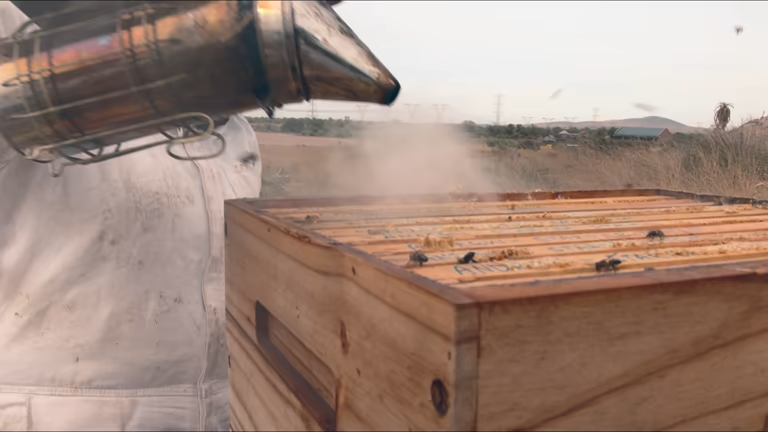
Langstroth hives are designed for modern commercial beekeeping and are widely regarded as the most productive hive system. Under good management and favourable flowering conditions, a healthy Langstroth hive can produce 8kgto 12kgs this is good yiled and substantially more honey than many traditional systems.
The removable-frame design makes it easier to inspect colonies, monitor brood development, and harvest ripe honey without damaging the comb. This means bees spend more time collecting nectar instead of rebuilding wax, resulting in higher productivity over time.
If you are planning to expand your apiary, comparing Langstroth hive prices in Kenya can help you choose the right hive for your production goals and budget.
💬 Order on WhatsApp
How Much Honey Does a Kenya Top Bar Hive Produce?
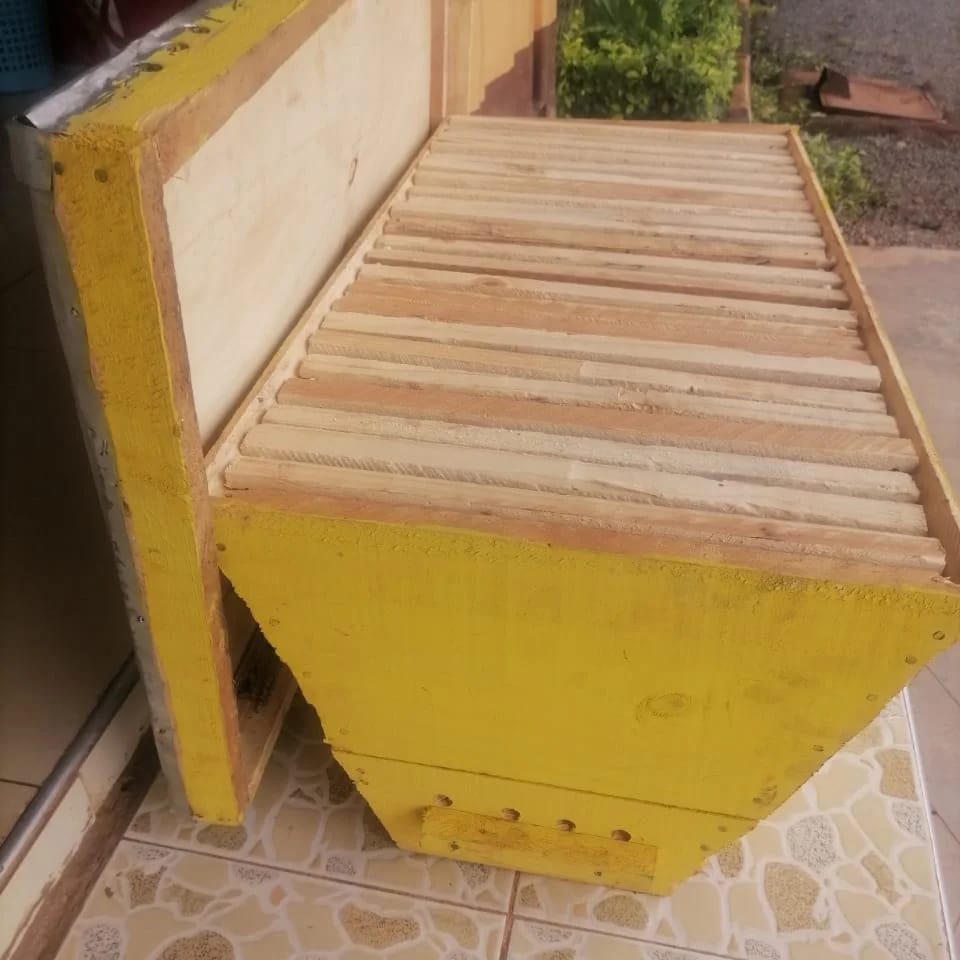
Kenya Top Bar hives are popular among beginner beekeepers because they are affordable, easy to manage, and encourage natural comb building.they produces 7kg to 10kgs
Although they may produce less honey than a well-managed Langstroth hive under identical conditions, they remain an excellent choice for farmers who are starting with a limited budget.
If you are considering this hive system, learning more about Kenya Top Bar hives in Nairobi will help you understand their benefits, management practices, and suitability for different farming environments.
How to Increase Honey Production Per Hive in Kenya
Increasing honey production requires proper hive management, good environmental conditions, and the right beekeeping practices. While hive type plays an important role, the beekeeper’s skills and management approach determine the final honey yield.
Farmers can improve production by:
- Inspecting colonies regularly
- Maintaining strong bee populations
- Providing suitable apiary locations
- Controlling pests and diseases
- Harvesting honey at the correct time
- Using quality beekeeping equipment
A well-managed hive will always perform better than a neglected hive, regardless of the hive design.
Best Time to Harvest Honey for Maximum Yield
Harvest timing has a major impact on both honey quality and quantity. Harvesting too early can result in immature honey with high moisture content, while delaying harvesting for too long may reduce colony productivity.
The best time to harvest is when:
- Honeycomb cells are fully capped with wax
- Honey has reached the right moisture level
- The colony has sufficient stored food
- Nectar flow has reduced after flowering seasons
Understanding the correct harvesting period helps farmers produce clean, high-quality honey. You can learn more about proper harvesting practices through our guide on the best time to harvest honey in Kenya, which explains when and how farmers should collect honey without affecting colony health.
Essential Equipment for Better Honey Production
Having the right tools makes beekeeping safer, easier, and more productive. Many beginners focus only on buying hives but forget that proper equipment is necessary for successful hive management and harvesting.
Important beekeeping equipment includes:
- Protective bee suits
- Bee smokers
- Hive tools
- Honey extractors
- Honey filters
- Storage containers
Using quality tools helps prevent contamination, protects the beekeeper, and reduces disturbance to the bees.
Farmers starting or expanding their apiaries can explore professional beekeeping equipment suppliers in Kenya to find reliable tools needed for modern honey production.
Common Mistakes That Reduce Honey Production
Many beekeepers experience low honey yields because of poor management practices rather than problems with the bees themselves.
Some common mistakes include:
Harvesting Too Early
Removing honey before it is mature reduces quality and can lead to fermentation during storage.
Poor Hive Placement
Placing hives in areas with limited flowering plants reduces the amount of nectar available for bees.
Lack of Regular Inspections
Without proper inspections, problems such as pests, diseases, weak colonies, or queen issues may go unnoticed.
Using Poor Quality Equipment
Low-quality tools can make hive management difficult and may affect honey quality.
Avoiding these mistakes allows farmers to maintain stronger colonies and achieve better production every season.
Why Beekeeping Training Improves Honey Production
Successful beekeeping requires knowledge and practical skills. Many new farmers purchase hives but fail to achieve good yields because they lack proper colony management techniques.
Professional training helps farmers understand:
- How to inspect bee colonies
- How to identify a healthy hive
- How to manage pests and diseases
- When to harvest honey
- How to handle bees safely
- How to expand into commercial beekeeping
At Chickbee farming we provides practical bee farming training in Kenya to help beginners and commercial farmers gain the skills needed to run profitable apiaries.
Is Beekeeping Profitable in Kenya?
Beekeeping can be a profitable agricultural business when managed correctly. Honey has strong demand in Kenya, and farmers can generate income from:
- Honey sales
- Beeswax production
- Pollination services
- Bee colonies
- Beekeeping training and consultancy
The profitability of each hive depends on production levels, management skills, market access, and operating costs.
Starting with the right hive system, proper equipment, and good training increases the chances of building a successful beekeeping business.
Frequently Asked Questions About Honey Production in Kenya
How many kilograms of honey can one hive produce in Kenya?
Honey production varies depending on hive type, bee colony strength, and environmental conditions. Modern managed hives generally produce higher yields than traditional systems.for well managed hive langstroth produces 8kg to 12kg,for kenya top bar they produce 7kg to 10kgs
Which hive produces more honey in Kenya?
Langstroth hives are commonly preferred for commercial production because they allow easier management, inspections, and honey extraction.
How long does it take bees to produce honey?
The time depends on nectar availability, weather conditions, colony strength, and hive management. During strong flowering seasons, bees can fill honey combs in 2 to 3 months much faster. What is the best hive for beginners in Kenya?
Kenya Top Bar hives are popular among beginners because they are affordable and simple to manage, while Langstroth hives are ideal for farmers targeting commercial production.
Why Choose Chickmasters for Your Beekeeping Journey?
At Chickmasters, we help Kenyan farmers succeed in modern beekeeping by providing quality products and professional support.
Our services include:
- Modern beehives
- Beekeeping equipment
- Practical training
- Apiary setup guidance
- Beekeeping advice
- Support for beginner and commercial farmers
Whether you are starting your first hive or expanding your honey production business, we provide solutions designed for Kenyan farming conditions.
Conclusion
Understanding how much honey one beehive produces in Kenya helps farmers make better decisions before investing in beekeeping. Honey yield depends on hive type, colony strength, environment, management practices, and harvesting techniques.
By choosing the right hive, using quality equipment, and gaining proper knowledge, farmers can significantly improve honey production and build a profitable beekeeping business.
For modern beehives, training, and professional beekeeping support:
📞 Contact Chickmasters Today
📱 Call: 0119076723
💬 WhatsApp: Chat with us on WhatsApp
📧 Email: info@chickbeefarming.co.ke
Start your journey toward successful honey production with Chickmasters.