


Improved Kienyeji Chicks Feeding Guide
Improved Kienyeji Chicks Feeding Guide: What to Feed From Day Old to 1 Month
If you are planning to rear improved kienyeji chicks in Kiambu, proper feeding is one of the most important parts of successful chick management. From the first day to one month, chicks need the right feed, clean water and proper brooding conditions to support healthy growth.
Farmers often ask what to feed day-old improved kienyeji chicks, when to change feed and how much feed chicks require. This guide explains the basics and also helps you prepare before buying your chicks.
Also check on our detailed article on how to start improved kienyeji farm, gather all tips to make you a sucessful farmer in poultry farm
For farmers looking for chicks in the area, see our main page on improved kienyeji chicks in Kiambu.
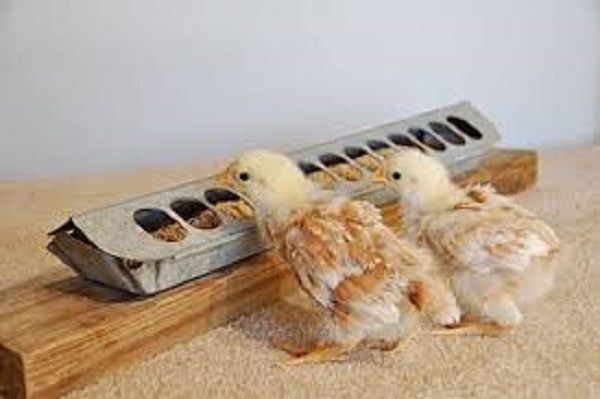
What Should Improved Kienyeji Chicks Eat?
Young improved kienyeji chicks require a balanced chick diet containing the nutrients needed for growth and development.
For the first weeks, farmers commonly use chick starter feed. The feed should be fresh, properly stored and suitable for the age of the chicks.
A good feeding program should provide:
- Energy
- Protein
- Vitamins
- Minerals
- Other essential nutrients
Avoid feeding chicks mouldy, wet or contaminated feed.
Feeding Day-Old Improved Kienyeji Chicks
When your chicks arrive, make sure the brooder is already prepared.
Provide clean drinking water and appropriate chick starter feed.
The chicks should have easy access to both feed and water. Feeders should be positioned so that chicks can reach them without excessive competition.
During the first few days, check the chicks regularly to make sure they are:
- Eating
- Drinking
- Active
- Comfortable
- Evenly distributed around the brooder
The behaviour of the chicks can provide useful clues about their brooding conditions.
Feeding 1-Week-Old Improved Kienyeji Chicks
At one week, chicks are still in the brooding stage and should continue receiving appropriate starter feed.
Make sure:
Feed is always fresh
Do not allow feed to remain contaminated with litter or droppings.
Water is clean
Wash drinking equipment regularly and replace dirty water.
Feeders are accessible
All chicks should have reasonable access to feed.
The brooder remains comfortable
Temperature management remains important at this stage.
Feeding 2-Week-Old Improved Kienyeji Chicks
At two weeks, chicks are becoming more active and growing rapidly.
Continue providing suitable starter feed and clean water.
This is also a good time to monitor the flock carefully for signs of poor growth, illness or unusual behaviour.
Keep records of:
- Feed consumption
- Mortality
- Vaccinations
- Medication
- General flock observations
Good records become increasingly useful as the flock grows.
Feeding 3-Week-Old Improved Kienyeji Chicks
By three weeks, chicks require continued access to nutritious feed and clean water.
The exact amount of feed consumed will vary according to the birds, feed quality, environmental conditions and management system.
Instead of relying only on a fixed amount per bird, monitor actual consumption and avoid unnecessary feed wastage.
Prevent Feed Wastage
Use suitable feeders and avoid filling them excessively.
Feed wastage increases production costs and can also attract rodents and other pests.
Feeding 4-Week-Old or One-Month-Old Chicks
At one month, the birds are much larger and more active than day-old chicks.
Continue following the appropriate feeding program for their age and production purpose.
If you are changing from one type of feed to another, avoid unnecessary sudden changes. Follow the feed manufacturer’s recommendations or seek advice from a qualified poultry professional.
At this stage, farmers should also begin thinking about the next stage of management, including housing, feeding and future production objectives.
How Much Feed Do Improved Kienyeji Chicks Need?
Feed consumption is not exactly the same for every flock.
It depends on:
- Age
- Breed or strain
- Feed quality
- Weather
- Health
- Housing
- Management
- Availability of clean water
For this reason, avoid using a single figure as a guarantee for every flock.
The most useful approach is to keep records of the amount of feed purchased and consumed.
For example:
Feed used ÷ number of surviving birds = average feed used per bird
This can help you monitor your poultry project’s costs.
Why Clean Water Is Important
Farmers sometimes concentrate heavily on feed and forget about water.
Young chicks need regular access to clean drinking water.
Dirty water can become contaminated with:
- Droppings
- Feed
- Dust
- Litter
- Mud
Clean drinkers regularly and position them correctly inside the brooder.
If you use supplements or medication in drinking water, follow the instructions provided by the relevant professional or product manufacturer.
Do Improved Kienyeji Chicks Need Vitamins?
Vitamins and other supplements may sometimes be used in poultry management, but they should not replace a properly formulated feed.
If supplementation is necessary, use products appropriately and follow their instructions.
A balanced commercial chick feed should form the foundation of the feeding program.
Common Feeding Mistakes to Avoid
1. Feeding poor-quality feed
Poor storage can cause feed to become damp or contaminated.
2. Allowing feed to become contaminated
Keep feeders away from areas where litter and droppings can easily enter.
3. Not providing enough feeders
Too few feeders can increase competition among chicks.
4. Dirty drinking water
Clean and inspect drinkers regularly.
5. Sudden feed changes
Change feeding programs carefully and according to the appropriate recommendations.
6. Ignoring feed wastage
Excessive wastage can significantly increase the cost of raising chickens.
7. Overcrowding
Crowding can make it harder for all chicks to access feed and water.
Feeding and Brooding Work Together
Good feeding alone cannot guarantee healthy chicks.
Your feeding program should work together with proper:
- Brooding temperature
- Ventilation
- Housing
- Hygiene
- Vaccination
- Disease prevention
- Water management
If the chicks are cold, overcrowded or poorly managed, good feed may not produce the expected results.
How to Prepare Before Buying Improved Kienyeji Chicks
Before ordering chicks, prepare:
Brooder → Heat source → Feeders → Drinkers → Chick feed → Clean water → Litter → Health plan
Having these items ready before the chicks arrive makes the first few days much easier to manage.
If you have not yet purchased your chicks, you can check our improved kienyeji chicks in Kiambu page for available options and pricing.
Improved Kienyeji Chicks Price by Age
Farmers may also choose to purchase chicks at different ages depending on their ability to manage brooding.
| Age | Sample Price Per Chick |
|---|---|
| Day old | KSh 100 |
| 1 week | KSh 140 |
| 2 weeks | KSh 170 |
| 3 weeks | KSh 200 |
| 4 weeks / 1 month | KSh 250 |
Prices are subject to change depending on availability, quantity and other factors. Contact Chickmasters on 0119076723 for the current price before ordering.
Order Improved Kienyeji Chicks in Kiambu
Planning to start a poultry project or expand your current flock?
Chickmasters supplies improved kienyeji chicks in Kiambu, subject to availability.
📞 Call/WhatsApp: 0119076723
Before ordering, tell us:
- Number of chicks required
- Preferred age
- Your location
- Intended farming purpose
We can then provide current availability and pricing information.
Frequently Asked Questions
What is the best feed for day-old improved kienyeji chicks?
A properly formulated chick starter feed is commonly used during the early stage. Follow the feed manufacturer’s recommendations for the appropriate age.
Can I feed maize to one-week-old chicks?
Maize alone does not provide a complete balanced diet for young chicks. A suitable formulated chick feed should be the main diet.
How often should chicks get feed?
Young chicks should have regular access to appropriate feed and clean water. Avoid practices that leave them without feed for extended periods.
When should improved kienyeji chicks change feed?
The change depends on the feeding program and the particular feed being used. Follow the manufacturer’s age recommendations.
Can I rear improved kienyeji chicks as a beginner?
Yes. Proper preparation, brooding, feeding, hygiene and health management are important for beginners.