


How to Choose Healthy Improved Kienyeji Chicks
How to Choose Healthy Improved Kienyeji Chicks Before Buying in Kenya
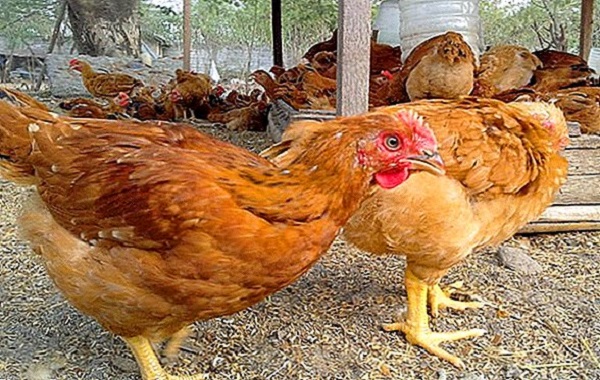
Buying the right chicks is one of the most important decisions when starting a poultry project. Knowing how to choose healthy improved kienyeji chicks before buying can help farmers avoid unnecessary losses, prepare the right brooding facilities and make better purchasing decisions.
Whether you are a beginner or an experienced poultry farmer, you should check the chicks’ activity, physical condition, source, age and vaccination records before placing an order. A good purchasing decision, combined with proper feeding and management, gives your flock a better start.At chick bee farming we ensure quality of the chicks is met
If you are searching for improved kienyeji chicks in Thika, Chickmasters can help you check current availability and ordering options. Visit our main page for improved kienyeji chicks for sale in Thika.
Call or WhatsApp Chickmasters on 0119076723 to enquire about available chicks.
1. Check the Physical Appearance of the Chicks
One of the first things to do when buying improved kienyeji chicks is to observe their physical condition.
Healthy-looking chicks should generally be alert, responsive and able to stand and walk normally. Their eyes should be open, and their bodies should not show obvious signs of injury or severe weakness.
Before accepting your order, look for the following characteristics.
| What to Check | What to Look For |
|---|---|
| Activity | Chicks respond to movement and their surroundings |
| Eyes | Open, clear and free from obvious discharge |
| Legs | Able to stand and walk normally |
| Feathers or down | Generally clean and dry |
| Breathing | No obvious gasping or breathing difficulty |
| Vent area | Clean, without excessive droppings stuck around it |
| Body condition | No obvious injuries or deformities |
These checks are useful, but appearance alone cannot guarantee that chicks are free from disease. Ask the supplier about their source, health history and any available records.
2. Understand the Age of the Chicks You Are Buying
Before making payment, confirm the exact age of the chicks.
Improved kienyeji chicks may be available at different ages, depending on the supplier’s stock. The right age for you will depend on your budget, brooding facilities and experience.
Day-old chicks
Day-old chicks require careful brooding, a reliable heat source, appropriate starter feed and frequent monitoring. They may suit farmers who have prepared their facilities and can manage the early stages of chick development.
For day old chick visit page and make orders with us farm visit is allowed
One-week-old chicks
One-week-old chicks have already passed through their first week of brooding, but they still require careful temperature management, appropriate feed and clean water.
Two-week-old chicks
Two-week-old chicks are generally more developed than day-old birds, but they still need suitable housing, feeding and disease prevention.
for two weeks orders visit our sale page two weeks old vaccinated improved kienyeji chicks and make your order
Three- to four-week-old chicks
Older chicks may be convenient for farmers who prefer not to manage the earliest brooding stage. However, their purchase price is normally higher because the supplier has already incurred costs for feeding, brooding and care.
Before buying older chicks, ask what feed they have been receiving and whether any vaccinations have been administered.
For current age options and sample prices, visit improved kienyeji chicks in 3 weeks old chicks page.
3. Ask About the Source of the Chicks
Knowing where your chicks come from is important.
A responsible supplier should be able to explain the source of the birds and provide available information about their strain, age and health management.
Ask these questions before purchasing:
-
What strain or type of improved kienyeji chicken is available?
-
How old are the chicks?
-
Have they received any vaccinations?
-
Are vaccination or hatchery records available?
-
What feed have the chicks been receiving?
-
What should I prepare before collecting them?
-
What should I do if chicks arrive weak or injured?
The answers can help you determine whether the chicks are suitable for your poultry project.
Avoid assuming that all birds sold as improved kienyeji have identical growth rates, egg production or management requirements. Performance varies according to the strain and how the birds are raised get quality chicks from our farm chick bee farming.
4. Compare Chick Prices Before Placing an Order
Price is an important factor, especially if you plan to purchase dozens or hundreds of chicks.
However, the cheapest offer is not necessarily the best choice. Compare the age, source, health information, transport arrangements and other conditions included in the quoted price.
The following table provides an illustrative price guide for budgeting.
Improved Kienyeji Chicks Price Guide in Kenya
| Age | Sample Price per Chick |
|---|---|
| Day old | KSh 100 |
| 1 week old | KSh 140 |
| 2 weeks old | KSh 170 |
| 3 weeks old | KSh 200 |
| 4 weeks old | KSh 250 |
These are sample planning figures, not confirmed current quotations. Prices may vary by supplier, strain, vaccination status and availability. Confirm the actual price before ordering.
For example, if the quoted price is KSh 100 per day-old chick, 100 chicks would cost KSh 10,000 before transport, feed, equipment and other expenses.
When comparing suppliers, calculate the total amount you will spend rather than considering the chick price alone.
5. Prepare Your Brooder Before Bringing the Chicks Home
Even good-quality chicks can struggle if they arrive at an unprepared poultry house.
Prepare the brooder before collecting your order. It should be clean, dry, secure and ready to provide suitable warmth.
Your preparation checklist should include:
-
A clean brooding area
-
An appropriate heat source
-
Suitable feeders and drinkers
-
Fresh chick starter feed
-
Clean drinking water
-
Adequate ventilation
-
Protection against predators
-
A plan for vaccination and disease prevention
Make sure the temperature is suitable for the chicks’ age and observe their behaviour regularly. Chicks crowding together may indicate that they are cold, while chicks moving away from the heat source and panting may indicate excessive heat.
Good brooding preparation helps reduce stress during the transition to your farm.
6. Transport Chicks Carefully
Transport is another factor to consider when buying chicks, particularly when arranging collection or delivery to Thika and nearby areas.
Young chicks should be transported in suitable, well-ventilated chick boxes. Avoid overcrowding, excessive heat, prolonged unnecessary delays and rough handling.
Before collection, confirm the collection time and the arrangements for getting the chicks to your farm.
Once the chicks arrive:
-
Transfer them carefully to the prepared brooder.
-
Provide access to clean drinking water.
-
Offer suitable chick starter feed.
-
Observe their activity and behaviour.
-
Check for any signs of injury, weakness or distress.
If you notice concerning symptoms or unusual mortality, contact a qualified poultry professional promptly.
7. Choose Chicks According to Your Poultry Business Goals
Not every poultry farmer has the same objectives.
Some farmers want to sell mature chickens for meat, while others want to develop a flock for egg production. Some prefer to combine both activities.
Before ordering, decide what you want to achieve.
For meat production
Consider the strain’s growth characteristics, feed requirements, expected selling age and demand for mature birds in your target market.
For egg production
Ask about the strain’s egg-laying characteristics, expected age at first lay, nutritional requirements and suitability for your production system.
For mixed production
If you want both eggs and meat, look for a suitable dual-purpose strain and plan your management according to the birds’ intended use.
Remember that actual production results depend on the strain, feeding, housing, health and general management.
8. Calculate Your Budget Before Buying Chicks
Before committing to an order, calculate how much money you can allocate to the entire poultry project.
Your budget should include:
| Expense | What to Consider |
|---|---|
| Chicks | Purchase price and quantity |
| Housing | Brooder and poultry-house preparation |
| Feed | Feed required at different growth stages |
| Equipment | Feeders, drinkers and heating equipment |
| Health | Vaccination and veterinary expenses |
| Transport | Collection or delivery charges |
| Labour | Daily poultry management |
| Other costs | Litter, cleaning and repairs |
Do not spend your entire budget on purchasing chicks. You must also have enough money to feed and care for them as they grow.
A well-planned flock is easier to manage than an order that exceeds your housing, feed budget or available labour.
9. Common Mistakes to Avoid When Buying Improved Kienyeji Chicks
Buying without checking the age
Always confirm the age of the chicks and make sure it matches your order.
Ignoring health records
Ask about vaccination history and available health information. Do not assume that all chicks have received the same vaccines.
Choosing a supplier on price alone
Compare the quality of information, chick condition, ordering arrangements and total cost.
Buying more chicks than you can manage
Start with a number that your housing, finances and daily routine can support.
Failing to prepare the brooder
Have the equipment, feed, water and heat source ready before the chicks arrive.
Failing to plan the market
If you intend to sell mature chickens or eggs, research your potential buyers and likely selling prices before expanding.
10. Where to Buy Improved Kienyeji Chicks Near Thika
If you are looking for improved kienyeji chicks around Thika, contact Chickmasters to enquire about current stock, available ages and prices.
We encourage customers to specify the number of chicks they need and their preferred age so that availability and ordering arrangements can be discussed clearly.
Farmers in nearby areas, including Juja, Ruiru and other parts of Kiambu County, should confirm whether collection or delivery is available for their location.
Visit our main page for improved kienyeji chicks for sale in Thika or explore our broader improved kienyeji chicks in Kiambu page.
Enquire About Chicks at Chickmasters
Tell us the number of chicks you need, their preferred age and your location to check current availability and prices.
Call: 0119076723
Location: Kiambu, Kenya
Enquire on WhatsAppSend SMSCall to Enquire
Frequently Asked Questions
How do I know whether improved kienyeji chicks are healthy?
Look for alert behaviour, clear eyes, normal movement and the absence of obvious injuries or breathing difficulties. Ask the supplier about the source, vaccination history and available health records. Visual checks alone cannot rule out disease.
Is it better to buy day-old or older chicks?
Day-old chicks may cost less to purchase, but they need careful early brooding. Older chicks cost more but have already received some feeding and care. Choose according to your budget, experience and facilities.
What should I ask before buying chicks?
Confirm the strain, age, price, vaccination history, source, collection or delivery arrangements and the recommended feeding program.
How much should I budget for 100 improved kienyeji chicks?
The total depends on the current chick price and the additional cost of feed, housing, equipment, transport and health management. Use current quotations to prepare your budget before ordering.
Can I order improved kienyeji chicks for Thika?
Contact Chickmasters on 0119076723 to confirm current availability and collection or delivery arrangements for your location.