


How to Start Improved Kienyeji Chicken Farming in Kiambu
How to Start Improved Kienyeji Chicken Farming in Kiambu: A Beginner’s Guide
If you are planning to start improved kienyeji chicken farming in Kiambu, choosing the right chicks is only the beginning. Successful poultry farming requires proper brooding, feeding, housing, vaccination, hygiene and good record keeping.
Improved kienyeji chickens can be suitable for farmers who want to produce both eggs and meat, whether on a small farm or as a commercial poultry project. Before buying chicks, it is important to understand how to prepare for them and how to manage the flock from the first day.
If you are looking for chicks, see our main page for improved kienyeji chicks in Kiambu.
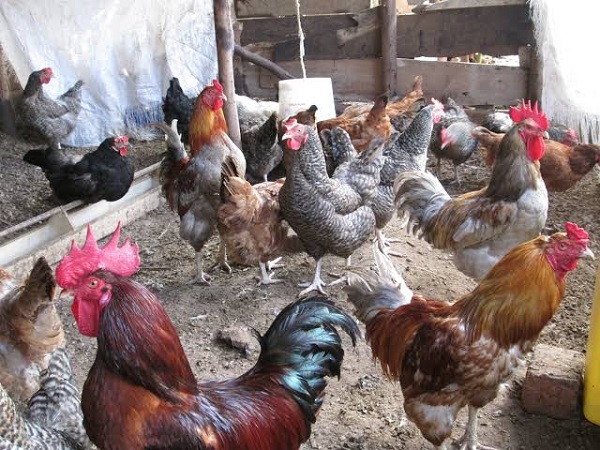
Why Improved Kienyeji Chicken Farming Is Popular in Kiambu
Many farmers choose improved kienyeji chickens because they can be managed under different production systems and can provide both eggs and meat.
Compared with keeping chickens without a clear production plan, improved kienyeji farming allows a farmer to plan around:
- Number of chicks to keep
- Available poultry-house space
- Feed requirements
- Vaccination and health management
- Egg production
- Meat production
- Target market
- Future flock expansion
However, the performance of your flock will depend on how well you manage the chickens.
1. Choose Quality Improved Kienyeji Chicks
Your poultry project starts with the chicks you purchase.
When buying improved kienyeji chicks, consider their:
- Age
- General appearance
- Activity level
- Source
- Vaccination status
- Health history
- Quantity required
Avoid buying chicks simply because they are cheap. Ask about the chicks’ age and vaccination program before taking them home.
For farmers looking for different chick ages, Chickmasters provides improved kienyeji chicks depending on availability.
Read: Improved Kienyeji Chicks in Kiambu
2. Prepare Your Brooder Before the Chicks Arrive
One of the biggest mistakes new poultry farmers make is preparing the brooder after the chicks arrive.
The brooder should be ready beforehand.
You need:
- A clean brooding area
- Suitable litter
- Heat source
- Feeders
- Drinkers
- Clean water
- Chick feed
- Adequate ventilation
- Protection against predators
The brooder should be warm without becoming excessively hot. Observe the behaviour of the chicks to determine whether the temperature and arrangement are appropriate.
3. Give Chicks Clean Drinking Water
Water is one of the most important requirements for young chicks.
Provide clean drinking water and make sure the drinkers are positioned where chicks can easily reach them.
Clean the drinkers regularly because dirty drinking equipment can become contaminated with droppings, feed and litter.
Avoid placing drinkers where they are likely to be knocked over easily.
4. Feed Improved Kienyeji Chicks Correctly
Good nutrition is essential for growth.
Young chicks require feed appropriate for their age and production stage. Store feed in a dry, clean place away from moisture, rodents and contamination.
Do not rely on kitchen leftovers as the main diet for young chicks.
As the birds grow, their nutritional requirements change. Your feeding program should therefore change according to their age and production stage.
5. Follow a Proper Vaccination Program
Disease prevention should be part of your poultry plan from the beginning.
Vaccination requirements can vary according to location, disease risks and the production system. Farmers should therefore work with a qualified veterinarian or poultry professional to establish an appropriate vaccination program.
Keep records showing:
- Vaccine given
- Date administered
- Number of birds vaccinated
- Any observations
- Next scheduled vaccination
Good records make it easier to manage a growing flock.
6. Keep the Poultry House Clean
Good hygiene helps reduce disease risks.
Regularly:
- Remove wet litter
- Clean feeders
- Clean drinkers
- Keep the surrounding area tidy
- Control rodents
- Limit unnecessary visitors
- Separate sick birds when necessary
The poultry house should also have adequate ventilation while protecting the birds from excessive cold, rain and strong draughts.
7. Give the Chickens Enough Space
Overcrowding can create management problems.
When too many chickens are kept in a small space, there can be increased competition for feed and water and more difficulty maintaining clean litter.
Plan your poultry house according to the number and age of birds you intend to keep.
If you are starting small, you can expand gradually as you gain experience.
8. Keep Records From the First Day
Record keeping is one of the easiest ways to understand whether your poultry project is performing as expected.
Record:
| Record | What to Track |
|---|---|
| Chicks | Number purchased |
| Mortality | Birds lost |
| Feed | Quantity and cost |
| Vaccination | Date and vaccine |
| Medication | Product and cost |
| Eggs | Daily/weekly production |
| Sales | Birds/eggs sold |
| Expenses | All farm costs |
At the end of each month, compare your expenses with your sales.
This gives you a much clearer picture of the performance of your poultry project.
Improved Kienyeji Chicks Price in Kiambu
Farmers often search for the price of chicks at different ages before deciding when to buy.
A sample price structure for improved kienyeji chicks is:
| Age | Price Per Chick |
|---|---|
| Day old | KSh 100 |
| 1 week | KSh 140 |
| 2 weeks | KSh 170 |
| 3 weeks | KSh 200 |
| 4 weeks / 1 month | KSh 250 |
Prices can change depending on availability, vaccination status, quantity and other market conditions. Contact Chickmasters on 0119076723 for the current price before ordering.
If you prefer buying older chicks, remember that the higher purchase price reflects some of the costs already incurred for brooding, feeding and management.
How Many Improved Kienyeji Chicks Should You Start With?
There is no single number that is suitable for every farmer.
Your starting flock should depend on your:
- Budget
- Available land
- Housing
- Feed budget
- Labour
- Water supply
- Experience
- Target market
A beginner may choose to start with a manageable flock and expand after learning the practical aspects of poultry management.
For example, starting with 50–100 chicks allows a new farmer to learn brooding, feeding, vaccination, cleaning and record keeping before increasing the flock.
Common Mistakes When Starting Poultry Farming in Kiambu
Buying chicks without preparing the brooder
Have everything ready before the chicks arrive.
Overcrowding
Do not keep more birds than your housing and management system can comfortably support.
Poor-quality feed
Feed quality has a major effect on growth and productivity.
Dirty drinking water
Check drinkers regularly and keep them clean.
Ignoring vaccination
Work with a qualified poultry professional to develop a suitable vaccination program.
Failing to keep records
Without records, it becomes difficult to calculate your actual production costs.
Expanding too quickly
Increase your flock when your housing, feed budget, labour and market can support the expansion.
Is Improved Kienyeji Farming Profitable in Kiambu?
The answer depends on your individual farm economics.
Your results will be affected by:
Chick cost + feed + housing + labour + health costs + mortality + other expenses + selling price.
For an accurate calculation, keep records from the first day and calculate the cost of raising each bird.
Market access is also important. Before increasing your flock, identify potential customers for your eggs or mature chickens.
Where to Buy Improved Kienyeji Chicks in Kiambu
If you are searching for improved kienyeji chicks for sale in Kiambu, you can contact Chickmasters to check current availability, prices and ordering information.
📞 Call/WhatsApp: 0119076723
You can also visit the main page:
Improved Kienyeji Chicks in Kiambu
Frequently Asked Questions
What are improved kienyeji chickens?
Improved kienyeji chickens are chickens selected or bred for improved productivity compared with many traditional indigenous chickens. They are commonly kept for both meat and eggs.
At what age can I buy improved kienyeji chicks?
Farmers can purchase chicks at different ages, including day-old, one-week, two-week, three-week and four-week-old chicks, depending on availability.
How much is a one-month-old improved kienyeji chick?
The sample price on this page is KSh 250 per chick, but farmers should confirm the current price and availability before ordering.
Can beginners rear improved kienyeji chickens?
Yes. Beginners can rear them successfully when they provide appropriate brooding, feeding, housing, hygiene and health management.
Where can I get improved kienyeji chicks in Kiambu?
Contact Chickmasters on 0119076723 to check current availability and prices.