


How to Increase Egg Production in Improved Kienyeji Chickens in Kenya
How to Increase Egg Production in Improved Kienyeji Chickens
One of the biggest goals for poultry farmers is to maximize the number of eggs each hen produces throughout the year. If you’re wondering how to increase egg production in improved kienyeji chickens, the good news is that most factors affecting egg production are within your control. With proper nutrition, housing, health management, lighting, and breed selection, you can significantly improve laying performance and increase your farm’s profitability.
Improved kienyeji chickens have become one of the most profitable poultry breeds in Kenya because they produce considerably more eggs than ordinary indigenous chickens while maintaining the excellent meat quality and hardiness that consumers prefer. Under proper management, healthy hens can produce between 180 and 280 eggs annually, making them an excellent investment for farmers targeting both egg and meat markets.
The journey to high egg production begins with healthy chicks. At Chickbee Farming, we supply strong, vaccinated birds through our KARI Improved Kienyeji Chickens for Sale in Kenya page, helping farmers establish productive flocks from the very beginning. If you’re comparing poultry breeds, you can also explore our Kuroiler Chicks for Sale in Kenya, which are well known for their dual-purpose performance, or our Sasso Chicks for Sale in Kenya, which are ideal for farmers focused on fast meat production.
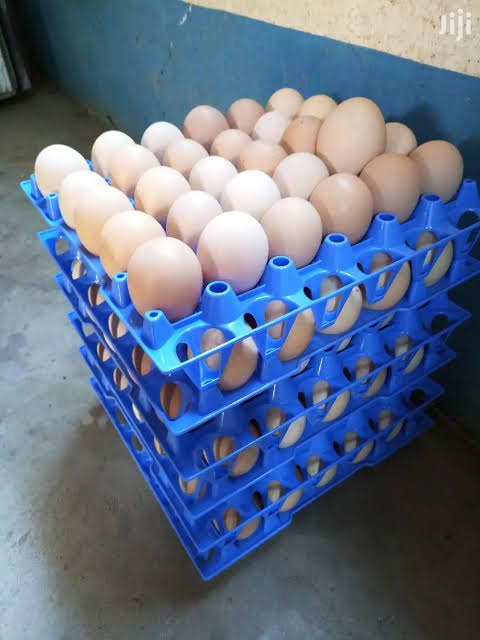
Why Egg Production Matters
Egg production is one of the main sources of income for improved kienyeji farmers. Every additional egg produced contributes to higher profits without significantly increasing production costs.
Higher egg production provides:
- Increased daily income.
- Better return on investment.
- More fertile eggs for breeding.
- More chicks for expansion.
- Higher customer satisfaction.
- Better business sustainability.
Improving productivity is often more profitable than simply increasing flock size.
1. Start with Healthy, High-Quality Chicks
The foundation of excellent egg production begins before the birds even arrive on your farm.
Healthy chicks are more likely to:
- Grow uniformly.
- Reach laying age on time.
- Produce eggs consistently.
- Resist diseases.
- Maintain good body condition.
When purchasing chicks, choose birds that are:
- Active and alert.
- Bright-eyed.
- Free from deformities.
- Properly vaccinated.
- Sourced from a trusted supplier.
Investing in quality chicks reduces future management problems and improves long-term productivity.
2. Feed the Right Diet at Every Growth Stage
Nutrition has the greatest impact on egg production.
Hens require different nutrients as they grow.
Feeding Programme
| Age | Recommended Feed |
|---|---|
| Day Old – 8 Weeks | Chick Mash |
| 9–18 Weeks | Growers Mash |
| 18 Weeks and Above | Layers Mash |
Layers mash contains the nutrients required for:
- Egg formation.
- Strong eggshells.
- Healthy reproductive systems.
- Sustained laying.
- Good body condition.
Avoid feeding growers mash to laying hens for extended periods because it lacks sufficient calcium for high egg production.
3. Supply Clean Water Every Day
Water is often overlooked, yet it is essential for egg production.
A laying hen drinks a significant amount of water each day, and eggs themselves contain a high percentage of water.
To maintain production:
- Provide clean water at all times.
- Wash drinkers daily.
- Keep water cool during hot weather.
- Replace dirty water immediately.
- Ensure all birds can easily access drinkers.
Even a short interruption in water supply can reduce egg production.
4. Provide Enough Calcium
Calcium is essential for producing strong eggshells.
Without sufficient calcium, hens may produce:
- Thin-shelled eggs.
- Soft-shelled eggs.
- Small eggs.
- Fewer eggs.
Excellent calcium sources include:
- Commercial layers mash.
- Crushed oyster shells.
- Limestone.
- Crushed eggshells (properly sterilized before feeding).
Balanced calcium supplementation improves both egg quality and laying consistency.
5. Maintain Proper Body Weight
Hens that are too thin or too fat often produce fewer eggs.
Monitor your flock regularly and adjust feeding if necessary.
Healthy laying hens should:
- Be active.
- Maintain steady body condition.
- Eat consistently.
- Show bright combs and wattles.
Good body condition supports continuous laying throughout the production cycle.
6. Reduce Stress
Stress has an immediate impact on laying performance.
Common causes include:
- Overcrowding.
- Predator attacks.
- Loud noises.
- Poor ventilation.
- Frequent transportation.
- Rough handling.
- Sudden feed changes.
Reducing stress helps hens remain productive for longer periods.
7. Keep the Poultry House Clean
Clean housing promotes bird health and supports consistent egg production.
Daily management should include:
- Removing wet litter.
- Cleaning drinkers.
- Cleaning feeders.
- Removing broken eggs.
- Keeping nesting boxes clean.
- Improving ventilation.
A clean environment reduces disease pressure and encourages hens to lay comfortably.
8. Follow a Proper Vaccination Programme
Healthy hens lay more eggs.
Vaccinate birds against common poultry diseases such as:
- Newcastle Disease.
- Gumboro Disease.
- Fowl Pox.
- Marek’s Disease.
- Fowl Typhoid.
Vaccination, combined with good biosecurity, protects your flock and helps maintain stable egg production throughout the year.
9. Provide Enough Light for Maximum Egg Production
Lighting is one of the most overlooked factors affecting egg production in improved kienyeji chickens. Hens require adequate daylight to stimulate the hormones responsible for laying eggs. When daylight hours become shorter, egg production often declines.
For farmers keeping birds under intensive or semi-intensive systems, supplemental lighting can help maintain consistent production, especially during cloudy seasons or in poultry houses with limited natural light.
For the best results:
- Ensure hens receive about 14–16 hours of light per day during the laying period.
- Use lighting consistently and avoid sudden changes.
- Position lights evenly throughout the poultry house.
- Turn lights on and off at the same time each day.
Proper lighting encourages regular laying and reduces production fluctuations.
10. Provide Comfortable Nesting Boxes
Hens naturally seek quiet, safe, and clean places to lay eggs.
Well-designed nesting boxes help:
- Encourage regular laying.
- Reduce egg breakage.
- Keep eggs clean.
- Minimise egg eating.
- Make egg collection easier.
Provide enough nesting boxes so birds do not compete for space. Keep nesting materials clean and replace them whenever they become wet or dirty.
11. Control Internal and External Parasites
Parasites reduce productivity by weakening birds and lowering feed efficiency.
Common parasites include:
- Worms.
- Lice.
- Mites.
- Fleas.
- Ticks.
Signs of parasite infestation include:
- Weight loss.
- Pale combs.
- Reduced egg production.
- Poor feather condition.
- Weakness.
Regular deworming and proper parasite control improve bird health and help maintain consistent laying.
12. Practice Good Poultry Farm Biosecurity
Biosecurity is essential for maintaining healthy laying hens.
A disease outbreak can reduce egg production within a few days and may take weeks or months for birds to recover.
Good biosecurity includes:
- Limiting visitors.
- Cleaning poultry houses regularly.
- Disinfecting equipment.
- Isolating sick birds.
- Controlling rodents.
- Keeping wild birds away.
- Maintaining clean footwear and clothing.
Healthy flocks consistently produce more eggs than flocks affected by disease.
13. Avoid Overcrowding
Overcrowding causes unnecessary competition for feed, water, and nesting areas.
It also increases:
- Stress.
- Disease transmission.
- Feather pecking.
- Poor ventilation.
- Egg breakage.
Providing adequate space allows hens to eat comfortably and maintain high laying performance.
14. Collect Eggs Frequently
Frequent egg collection keeps eggs clean and reduces losses.
Collect eggs:
- Early in the morning.
- Midday.
- Late afternoon.
Regular collection also discourages hens from developing egg-eating habits.
Common Reasons Egg Production Drops
Even healthy flocks experience temporary reductions in laying.
The most common causes include:
Poor Nutrition
Low-quality feed reduces egg production and egg size.
Dirty Drinking Water
Hens without adequate clean water quickly reduce laying.
Heat Stress
High temperatures decrease feed intake and egg production.
Diseases
Respiratory diseases, Newcastle Disease, and other infections interrupt laying.
Molting
During feather replacement, hens naturally produce fewer eggs.
Old Age
Egg production gradually declines as hens grow older.
Identifying these issues early helps restore production more quickly.
Frequently Asked Questions
How many eggs can an improved kienyeji hen lay each year?
Under good management, healthy improved kienyeji hens generally produce 180–280 eggs annually, depending on genetics, feeding, health, and environmental conditions.
Which feed increases egg production the most?
A high-quality layers mash containing adequate protein, calcium, vitamins, and minerals is the best feed for maintaining strong egg production.
At what age do improved kienyeji chickens start laying?
Most hens begin laying between 20 and 24 weeks of age when provided with proper nutrition and management.
Can poor lighting reduce egg production?
Yes. Inadequate lighting can reduce laying because hens require sufficient daylight or supplemental light to stimulate egg production.
Which breed produces more eggs: Improved Kienyeji, Kuroiler, or Sasso?
All three breeds perform well, but they are suited to different farming objectives.
- Improved Kienyeji offers excellent egg production while maintaining premium meat quality and adaptability.
- Kuroiler is widely recognised as a strong dual-purpose breed with very good egg production and growth.
- Sasso is primarily selected for rapid meat production, although hens also lay a good number of eggs.
Farmers should choose the breed that best matches their production goals and market demand.
Why Farmers Choose Chickbee Farming
At Chickbee Farming, we are committed to helping poultry farmers achieve higher productivity and profitability.
We supply:
- Healthy vaccinated improved kienyeji chicks.
- Kuroiler chicks.
- Sasso chicks.
- Poultry equipment.
- Poultry farming consultancy.
- Poultry farm setup services.
- Technical support before and after purchase.
Our experienced team works with both beginner and commercial farmers across Kenya.
Order Healthy Improved Kienyeji Chicks Today
The easiest way to increase egg production is to start with healthy, high-quality chicks from a trusted supplier.
Whether you’re establishing a new poultry farm or expanding your existing flock, Chickbee Farming is ready to help.
Final Thoughts
Learning how to increase egg production in improved kienyeji chickens is one of the best ways to improve the profitability of your poultry farm. Success depends on combining quality breeding stock with balanced nutrition, clean water, proper housing, biosecurity, parasite control, adequate lighting, and consistent daily management.
By following the recommendations in this guide, you can help your hens reach their full laying potential while producing healthy, high-quality eggs that meet the growing demand in the Kenyan market.
If you’re looking for healthy, vaccinated improved kienyeji chicks and professional poultry farming support, Chickbee Farming is your trusted partner for building a successful and profitable poultry enterprise.