


Best Age to Buy Sasso Chicks in Kenya
Best Age to Buy Sasso Chicks in Kenya
Choosing the best age to buy Sasso chicks in Kenya is one of the most important decisions every poultry farmer should make before investing in a flock. While many farmers focus on price alone, the age of the chicks significantly affects survival rates, brooding costs, growth performance, and overall profitability.
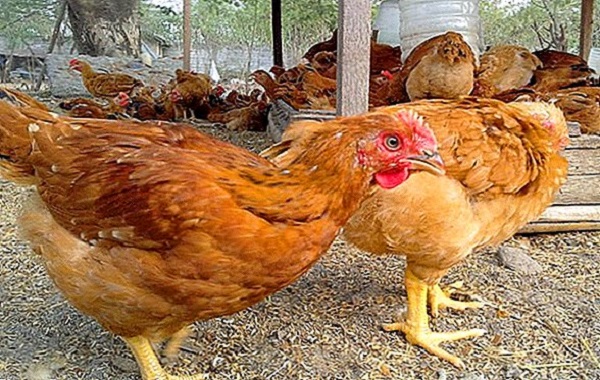
Sasso chickens are among the most popular improved chicken breeds in Kenya because they grow faster than ordinary indigenous chickens while producing high-quality meat and good egg yields. However, purchasing birds at the right age depends on your farming experience, available facilities, budget, and production goals.
Whether you are starting a backyard poultry project or a commercial farm, understanding the advantages and disadvantages of each growth stage will help you make the right investment.
If you are planning to purchase quality birds, first compare the available Sasso chicks for sale in Kenya to understand the different age categories, vaccination status, and current market prices before placing your order.
Why the Age of Sasso Chicks Matters
The age at which you buy your chicks determines:
- Initial purchase cost.
- Brooding requirements.
- Mortality risk.
- Vaccination schedule.
- Feeding program.
- Labour requirements.
- Time to market.
Many beginner farmers lose chicks because they purchase day-old birds without having proper brooding equipment. Others spend more money buying older chicks without understanding the additional value they receive.
The best choice depends on your level of experience and farm preparedness.
Understanding the Growth Stages of Sasso Chicks
Sasso chicks pass through several important growth stages before reaching maturity. Each stage has different management requirements and costs.
| Age | Growth Stage | Suitable For |
|---|---|---|
| Day Old | Newly Hatched Chick | Experienced farmers |
| 1 Week | Early Brooding Stage | Farmers with brooding facilities |
| 2 Weeks | Developing Chick | Small and commercial farms |
| 3 Weeks | Strong Growing Chick | Farmers wanting lower mortality |
| 1 Month | Juvenile Chick | Beginners and free-range farmers |
Understanding these stages helps farmers choose birds that match their budget and farming experience.
Buying Day-Old Sasso Chicks
Day-old chicks are the most affordable option and are popular among experienced poultry farmers.
Advantages
- Lowest purchase price.
- Complete control over feeding and management.
- Ability to monitor growth from the first day.
- Easier to establish a uniform flock.
- Suitable for commercial production.
Challenges
Day-old chicks require:
- Proper brooding temperature.
- Continuous monitoring.
- Clean drinking water.
- Quality chick mash.
- Careful disease prevention.
Without proper brooding, mortality can increase during the first two weeks.
For farmers with good poultry housing and brooding equipment, day-old chicks offer the highest long-term value.
Buying One-Week-Old Sasso Chicks
By one week of age, chicks have become stronger and are adapting well to their environment.
Advantages include:
- Reduced brooding risk.
- Stronger immune system.
- Better feather development.
- Lower mortality than day-old chicks.
Although they cost slightly more, many farmers consider one-week-old sasso chicks a good balance between affordability and survival.
Buying Two-Week-Old Sasso Chicks
Two-week-old sasso chicks have already passed through one of the most sensitive stages of poultry production.
Benefits include:
- Better body strength.
- Reduced brooding requirements.
- Higher survival rate.
- Easier management for new farmers.
Many poultry farmers who have limited experience choose this age because the birds are easier to manage than newly hatched chicks.
For booking orders visit our main page on 2 weeks old improved kienyeji,buy and start a smart farming with chick bee farming chicks
Buying Three-Week-Old Sasso Chicks
Three-week-old Sasso chicks are becoming more active and resilient.
Advantages include:
- Strong feather growth.
- Improved resistance to environmental changes.
- Lower mortality risk.
- Easier transition to larger poultry houses.
At this stage, birds require continued quality feeding to support rapid body development.
Buy Today three weeks improved kienyeji chicks,the age is less prone to diseases and cold this making your farming to be easy and profitable
Is One-Month-Old Sasso Chicks the Best Choice?
For many beginner farmers, one-month-old chicks offer the best combination of strength and ease of management.
By one month:
- Most brooding challenges have been overcome.
- Birds have stronger immunity.
- Feather development is well established.
- Mortality risk is significantly lower.
- Birds adapt more easily to free-range systems.
Although one-month-old sasso chicks cost more than younger birds, they often save farmers money by reducing losses associated with brooding.
For those starting poultry farming for the first time, buying one-month-old Sasso chicks can be a practical investment.
Sasso Chicks Price by Age in Kenya
The cost of Sasso chicks increases with age because farmers have already invested in feed, vaccination, labour, housing, and management.
| Age | Estimated Price (KSh) |
|---|---|
| Day-Old Sasso Chick | 120 – 150 |
| 1 Week Old | 150 – 200 |
| 2 Weeks Old | 200 – 280 |
| 3 Weeks Old | 250 – 350 |
| 1 Month Old | 300 – 450 |
Prices vary depending on location, vaccination status, order quantity, and supplier.
Which Farmers Should Buy Day-Old Chicks?
Day-old chicks are ideal for:
- Commercial poultry farms.
- Experienced poultry keepers.
- Farmers with proper brooding equipment.
- Farmers looking to reduce purchasing costs.
However, success depends on maintaining correct temperature, clean housing, and quality feeding during the brooding period.
Is Buying One-Month-Old Sasso Chicks Worth the Extra Cost?
Many farmers wonder whether paying more for one-month-old Sasso chicks is worthwhile. In most cases, the answer is yes, especially for beginners or farmers who do not have proper brooding equipment.
During the first four weeks of life, chicks require constant care, including controlled temperatures, clean water, quality chick mash, and close monitoring. By the time a chick reaches one month of age, it has already passed through the most delicate stage of its development.
When you buy one-month-old chicks, you are paying not only for the bird but also for:
- Professional brooding.
- Quality feed provided during the first month.
- Vaccination and preventive health care.
- Labour and daily management.
- Reduced mortality risk.
- Better feather development.
- Stronger body condition.
For many farmers, these benefits outweigh the additional purchase cost.
For one month old improved kienyeji chicks shop on our main on our sale page today make order and start smart farming with chick bee farming chicks
Which Age Is Best for Different Types of Farmers?
Choosing the right age depends on your farming experience and available facilities.
| Farmer Type | Recommended Age |
|---|---|
| Beginner Farmer | 1 Month Old |
| Small-Scale Farmer | 2–4 Weeks Old |
| Commercial Poultry Farmer | Day-Old Chicks |
| Free-Range Farmer | 3–4 Weeks Old |
| Experienced Poultry Farmer | Day-Old or 1 Week Old |
There is no single age that suits everyone. The best option is the one that matches your management skills and production goals.
How to Identify Healthy Sasso Chicks
Whether you are buying day-old chicks or one-month-old birds, always inspect them carefully before making a purchase.
Healthy Sasso chicks should have:
Bright Eyes
The eyes should be clear, bright, and fully open. Avoid chicks with swollen or watery eyes.
Active Behaviour
Healthy chicks are alert, energetic, and move around confidently. Birds that remain inactive or appear weak may have underlying health problems.
Strong Legs
The chicks should stand and walk normally without limping or difficulty.
Clean Feathers
Feathers should be smooth, clean, and dry. Dirty or wet feathers may indicate poor hygiene or illness.
Clean Vent
Check the vent area for signs of pasted droppings or diarrhoea. A clean vent is a good sign of healthy digestion.
Uniform Size
A batch of chicks should have similar body sizes. Uniform birds generally grow more evenly and are easier to manage.
Questions to Ask Before Buying Sasso Chicks
Choosing a trusted supplier is just as important as choosing healthy birds.
Before placing an order, ask:
- What is the exact age of the chicks?
- Have the chicks been vaccinated?
- Which vaccines have already been administered?
- What feed have the chicks been eating?
- Are the chicks from a reputable hatchery?
- What management advice do you recommend after purchase?
A professional supplier should answer these questions confidently and provide guidance even after the sale.
Common Mistakes Farmers Make When Buying Sasso Chicks
Avoiding these common mistakes can save you money and improve your flock’s performance.
Buying Based Only on Price
Cheap chicks are not always a bargain. Low prices may indicate poor-quality birds, inadequate brooding, or lack of vaccination.
Buying From Unverified Sellers
Always buy from trusted poultry farms with a reputation for supplying healthy, vaccinated chicks.
Ignoring Housing Preparation
Prepare your poultry house before the chicks arrive. Ensure feeders, drinkers, bedding, and heat sources are ready if required.
Overcrowding Chicks
Too many birds in a small space can lead to stress, poor growth, and disease outbreaks.
Poor Feeding During the First Weeks
Nutrition has a direct impact on growth and future productivity. Use quality chick mash and provide clean drinking water at all times.
Frequently Asked Questions About Sasso Chicks
What is the best age to buy Sasso chicks in Kenya?
For experienced farmers with proper brooding facilities, day-old chicks offer the greatest flexibility and lower purchase costs. Beginners often benefit from buying one-month-old chicks because they are stronger and easier to manage.
How much do one-month-old Sasso chicks cost?
Prices vary depending on the supplier, vaccination status, and location. Generally, one-month-old Sasso chicks cost more than day-old chicks because of the additional feeding and management they have received.
Are Sasso chicks better than ordinary kienyeji chicks?
Yes. Sasso chickens grow faster, produce more meat, and can also provide good egg production while maintaining the characteristics that many consumers associate with traditional chicken.
Can Sasso chickens be raised on free range?
Yes. Sasso chickens adapt well to free-range and semi-intensive production systems, although supplementary feeding is recommended for better growth and productivity.
Where can I buy healthy Sasso chicks in Kenya?
Purchase from trusted poultry suppliers that provide healthy, vaccinated chicks, proper management advice, and reliable customer support.
Why Buy Sasso Chicks From Chickbee Farming?
At Chickbee Farming, we are committed to supplying healthy, active, and well-managed Sasso chicks to farmers across Kenya.
When you buy from us, you benefit from:
- Healthy and carefully selected chicks.
- Proper vaccination program.
- Professional poultry farming advice.
- Reliable customer support.
- Competitive prices.
- Nationwide delivery arrangements.
Whether you need a few chicks for a backyard flock or hundreds for a commercial poultry project, we are ready to help you succeed.
Before placing your order, visit our Sasso Chicks for Sale in Kenya page to compare available age groups, prices, and current stock.
Order Healthy Sasso Chicks Today
Final Thoughts
Buying Sasso chicks at the right age can significantly improve your poultry farming success. While day-old chicks are ideal for experienced farmers with proper brooding facilities, older chicks offer greater convenience and lower mortality for beginners.
The key to success is buying healthy, vaccinated birds from a trusted supplier, preparing your poultry house before the chicks arrive, and following good feeding and management practices throughout the production cycle.
With the right start, Sasso chickens can provide excellent meat production, good egg performance, and strong returns on your investment.