


Layer management guide Kenya
🐔 Layer Management Guide in Kenya: Feeding, Housing & Egg Production System
Layer Management Guide in Kenya
Layer farming is one of the most stable and profitable poultry enterprises in Kenya when managed correctly. However, success in egg production depends on proper feeding, housing, lighting, and equipment systems.
Many farmers fail in layer production not because of poor birds, but because of poor management practices that reduce egg output, increase mortality, and raise feed costs.
This guide explains how to manage layers for maximum egg production and profitability.
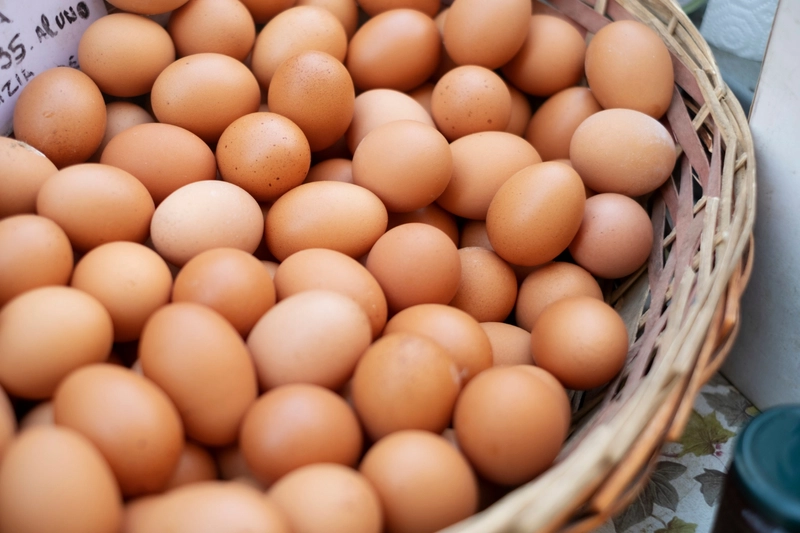
Importance of Proper Layer Management
Good management ensures:
- High egg production (90%+ peak laying rate)
- Strong eggshell quality
- Low mortality
- Better feed conversion
- Longer laying cycle
- Reduced production costs
Poor management leads to:
- Low egg production
- Thin or broken eggshells
- Disease outbreaks
- High feed waste
- Early culling of hens
Layer Feeding Program in Kenya
Feeding is the most important factor in egg production.
1. Starter Stage (0–8 Weeks)
- High protein chick mash
- Builds strong body structure
- Develops immunity
2. Grower Stage (9–18 Weeks)
- Controlled feeding to prevent early laying
- Builds body weight for future production
3. Layer Stage (From 18 Weeks Onwards)
- High calcium feed
- Supports egg formation
- Daily intake: 110–120g per bird
👉 Proper feeding directly determines egg quality and production levels.
Water Management for Layers
Water is essential for egg production.
Layers must have:
- Clean water daily
- Constant availability
- Proper drinker systems
Poor water quality leads to:
- Reduced egg production
- Weak shells
- Stress and disease
👉 This is why farmers upgrade to commercial poultry drinkers in Kenya for better hygiene and performance.
Housing System for Layers
A proper poultry house improves productivity significantly.
Recommended Systems:
- Deep litter system
- Battery cage system (commercial production)
👉 At Chick Bee Farming, we also prepare and install layer cages and broiler cages for commercial farms.
Lighting Program for Layers
Lighting controls egg production cycles.
Recommended system:
- 14–16 hours of light daily
- Gradual increase during laying stage
- Avoid sudden light changes
Proper lighting increases egg output significantly.
Egg Production Performance
Good layer management results in:
- Peak production: 85–95%
- Laying cycle: up to 72 weeks
- Stable egg size and quality
Poor management reduces production drastically within a few weeks.
Common Mistakes in Layer Farming
Avoid these mistakes:
- Poor feed quality
- Inadequate lighting
- Dirty drinkers
- Overcrowding birds
- Poor ventilation
- Lack of calcium supplements
These mistakes reduce egg production and farm profitability.
Importance of Proper Equipment
Layer production requires reliable systems such as:
- Feeders (reduce feed wastage)
- Drinkers (clean water supply)
- Cage systems (better efficiency)
Housing Connection to Productivity
A good poultry house improves:
- Air circulation
- Temperature control
- Disease prevention
- Egg laying comfort
Benefits of Proper Layer Management
- Higher egg production
- Better egg quality
- Reduced feed costs
- Longer production cycle
- Higher farm profits
Conclusion
Successful layer farming in Kenya depends on proper management of feeding, housing, lighting, and equipment systems.
Farmers who apply proper management practices consistently achieve higher egg production and better profitability.
To succeed, you must combine:
- Good feed program
- Proper housing
- Reliable equipment
Need Layer Farming Support?
At Chick Bee Farming, we support farmers with:
- Poultry house design
- Layer cage installation
- Broiler cage systems
- Commercial poultry feeders and drinkers