


Poultry House Design in Kenya
🐔 Poultry House Design in Kenya: Best Broiler & Layer Housing Guide for Maximum Productivity
Poultry House Design in Kenya
A properly designed poultry house is one of the most important foundations of successful chicken farming in Kenya. Whether you are keeping broilers, layers, or kienyeji chickens, the structure of your poultry house directly affects growth rate, disease control, feed efficiency, and overall farm profitability.
Many farmers focus on chicks and feed but fail because of poor housing design that leads to heat stress, ammonia buildup, wet litter, and disease outbreaks.
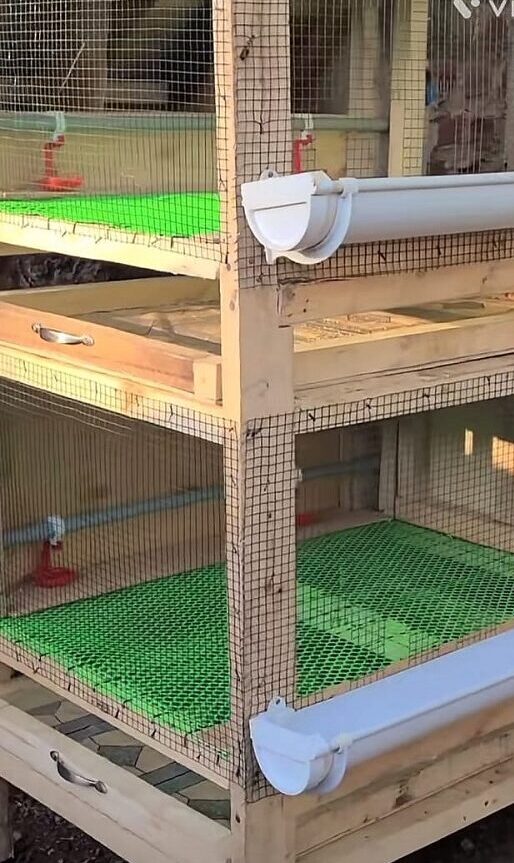
At Chick Bee Farming, we not only guide farmers on proper poultry housing design but also prepare and install layer cages and broiler cages for commercial poultry production, helping farmers scale efficiently and reduce labour costs.
Why Poultry House Design Matters
A well-designed poultry house helps you achieve:
- Better air circulation
- Lower disease outbreaks
- Faster broiler growth
- Higher egg production in layers
- Reduced mortality rates
- Better feed conversion efficiency
Poor housing leads to:
- Heat stress
- Respiratory diseases
- Wet litter problems
- High ammonia levels
- Uneven flock growth
Key Features of a Good Poultry House
1. Proper Ventilation
Ventilation is the most critical factor in poultry house design.
A good poultry house must allow:
- Fresh air intake
- Removal of ammonia and heat
- Constant airflow across the house
Best Kenyan setup includes:
- East–west orientation
- Open-sided housing with wire mesh
- Adjustable side curtains
- Ridge ventilation on the roof
Poor ventilation is one of the leading causes of poultry losses in Kenya.
2. Correct Space Allocation
Each bird needs adequate space for healthy development.
- Overcrowding causes stress and disease
- Proper spacing improves growth uniformity
- Reduces competition for feed and water
Space requirements depend on:
- Broilers (high density but controlled spacing)
- Layers (stable long-term spacing)
- Kienyeji chickens (more movement space preferred)
3. Flooring System
The most common system in Kenya is the deep litter system.
Benefits:
- Controls moisture
- Reduces smell
- Improves insulation
- Supports disease control
Recommended bedding:
- Wood shavings
- Sawdust
4. Roofing System
A good poultry house roof should:
- Reduce heat buildup
- Prevent rain leakage
- Improve airflow
Recommended materials:
- Iron sheets
- Strong wooden or steel framing
- Proper slope design for drainage
5. Easy Cleaning and Biosecurity
A good poultry house must allow:
- Easy manure removal
- Simple disinfection
- Proper drainage control
Clean housing directly improves flock survival and productivity.
Poultry Housing Systems in Kenya
1. Deep Litter System
Most common system
Used for broilers, layers, and kienyeji chickens
2. Cage System (Highly Recommended for Commercial Farms)
At Chick Bee Farming, we specialize in designing and installing:
- 🟡 Layer cages for commercial egg production
- 🔵 Broiler cages for controlled meat production systems
Cage systems help farmers achieve:
- Higher stocking capacity
- Better hygiene control
- Reduced feed wastage
- Easier management
- Higher commercial efficiency
3. Semi-Intensive System
Allows birds to move outside during the day
Common for kienyeji and free-range systems
Poultry House Design for Kenyan Climate
Kenya’s warm climate requires careful design considerations:
- East–west orientation to reduce heat
- Wide side openings for airflow
- Ridge ventilation system
- Shade protection on hot sides
Proper climate control reduces:
- Heat stress
- Mortality
- Poor feed conversion
Common Poultry Housing Mistakes
Avoid these errors:
- Poor ventilation design
- Overcrowding birds
- Wet litter not managed
- Low roof height
- Lack of drainage planning
- Poor hygiene practices
These mistakes significantly reduce farm profitability.
Poultry House Layout (Recommended Structure)
A good poultry house should include:
- Feeding area
- Drinking zone
- Brooding section (for chicks)
- Proper walking space
- Ventilation openings on both sides
A good layout ensures:
- Better movement
- Reduced stress
- Improved flock performance
Maintenance Tips for Poultry Houses
- Clean litter regularly
- Disinfect between flocks
- Repair mesh and damaged sections
- Control moisture levels
- Ensure proper ventilation at all times
Good maintenance increases farm lifespan and productivity.
Why Poultry Housing and Equipment Work Together
A poultry house alone is not enough. You also need proper equipment:
- Feeders for controlled feeding
- Drinkers for clean water supply
- Proper spacing systems
- Hygiene control equipment
👉 Explore our commercial equipment here:
Commercial Poultry Feeders and Drinkers in Kenya
Conclusion
Poultry house design is the foundation of profitable poultry farming in Kenya. Without proper housing, even high-quality feed and chicks will not perform well.
A well-designed poultry house ensures:
- Healthier birds
- Faster growth
- Higher egg production
- Lower disease risk
- Better profitability
At Chick Bee Farming, we also support farmers with layer cage systems and broiler cage installations, helping you transition into modern commercial poultry production.
Need Help Building or Upgrading Your Poultry Farm?
We provide:
- Poultry house design guidance
- Layer cage installation
- Broiler cage systems
- Poultry equipment supply
📞 Call/WhatsApp: 0119076723
📧 Email: info@chickbeefarming.co.ke