


Bee Farming in Kenya – Complete Guide
Bee Farming in Kenya – Complete Guide (2026 Update)
Bee farming in Kenya has grown into a highly profitable agribusiness thanks to the rising demand for natural honey and bee products. Whether you’re a beginner or a professional beekeeper, Kenya’s climate, vegetation, and expanding market make beekeeping a rewarding venture. This complete guide by Chick Bee Farming will walk you through everything you need to know about starting and running a successful bee farming project in Kenya.
What is Bee Farming?
Bee farming (apiculture) is the practice of keeping honeybee colonies to produce honey, beeswax, propolis, pollen, and royal jelly. Modern beekeeping focuses on using improved hives and better management techniques to increase honey yield and maintain healthy colonies.
Why Api-culture Is Profitable in Kenya
✔ High Demand for Honey
Kenya consumes more honey than it produces, keeping demand high.
✔ Low Initial Investment
You can start small with only a few hives.
✔ Favorable Climate
Many regions have long flowering seasons, supporting high production.
✔ Minimal Land Requirements
Even ¼ acre can sustain dozens of hives.
✔ Multiple Income Streams
Income comes from honey, beeswax, propolis, and even hive sales or training.
Types of Beehives Used in Kenya
1. Langstroth Hive (Highly Recommended)
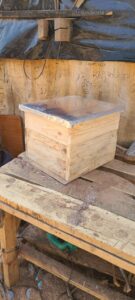
The modern, movable frame hive ideal for commercial honey production.
-
Honey yield: 20–35 kg per harvest
-
Easy management
-
Promotes colony health
2. Kenya Top Bar Hive (KTBH)
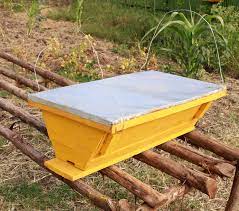
A semi-modern hive ideal for rural setups.
-
Affordable
-
Simple design
-
Honey yield: 10–18 kg per harvest
- buy today kenya top bar from us and start a profitable business
3. Traditional Log Hive
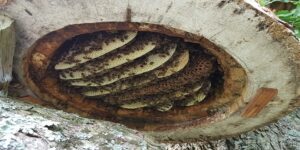
Used mostly in rural areas.
-
Low cost
-
Harder to manage
-
Lower honey quality and yield
How to Start bee Farming in Kenya (Step-by-Step Guide)
1. Choose the Best Location for Your Apiary
A good bee farm should be:
-
Near natural vegetation
-
Away from noise and disturbances
-
Protected from strong winds
-
Close to water sources
2. Buy Quality Hives
Use strong, durable hives made from pine, cypress, or grevillea.
Chick Bee Farming supplies high-grade Langstroth and Top Bar hives countrywide.
3. Colonizing Your Hives (Occupying)
You can attract bees by:
-
Applying beeswax
-
Applying propolis
-
Hanging hives in flowering areas
Or buy ready-colonized hives.
4. Managing the Apiary
Regular management includes:
-
Checking for pests
-
Monitoring food supply
-
Replacing damaged frames
-
Ensuring ventilation and shade
5. Harvesting Honey Properly
Harvest capped combs only.
Use modern equipment such as:
-
Honey extractors
-
Smoker
-
Bee suit
-
Food-grade buckets
6. Processing & Packaging Honey
Filter honey to remove impurities.
Package in:
-
250g
-
500g
-
1kg containers
Label professionally to attract premium buyers.
Cost of Starting Bee Farming in Kenya (2025 Estimates)
| Item | Estimated Cost (KES) |
|---|---|
| Langstroth Hive | 4,500 – 6,500 |
| KTBH Hive | 3,500 – 4,500 |
| Bee Suit | 3,000 – 5,500 |
| Smoker | 1,000 – 1,500 |
| Honey Extractor | 18,000 – 35,000 |
| Baiting Materials | 300 – 800 |
With 5–10 hives, you can start a profitable operation and scale up gradually.
Honey Market in Kenya
Honey in Kenya sells between KES 800 – 1,200 per kg depending on purity and packaging.
Beeswax sells at KES 350 – 500 per kg.
High-demand areas include:
-
Nairobi
-
Nakuru
-
Eldoret
-
Mombasa
-
Kisumu
Common Challenges and Solutions
1. Pest Attacks
Pests like ants, wax moths, and beetles affect colonies.
Solution:
-
Keep the apiary clean
-
Raise hives on stands
-
Use ant barriers and traps
2. Low Hive Colonization
Bees may fail to occupy hives.
Solution:
-
Use beeswax & propolis
-
Place hives near flowering plants
-
Purchase colonized hives
3. Poor Honey Quality
Caused by harvesting unripe honey or using dirty equipment.
Solution:
-
Only harvest capped combs
-
Use clean, food-grade honey handling equipment
Frequently Asked Questions (FAQ)
1. How much does it cost to start bee farming in Kenya?
You can start with KES 15,000 – 30,000, depending on the number of hives and equipment.
2. How long does it take to harvest honey after starting?
It takes 6–12 months for the first harvest depending on rainfall and forage.
3. Which hive is best for beginners?
The Langstroth hive is recommended for beginners due to high yield and easy management.
4. Do I need training to start bee farming?
Training is highly recommended to learn hive management, honey harvesting, and pest control.
Chick Bee Farming offers training and field support.
5. How profitable is bee farming in Kenya?
Extremely profitable. One Langstroth hive can produce 20–35 kg per harvest, and honey sells at KES 800–1,200 per kg.
6. How many hives should I start with?
5–10 hives are ideal for beginners. You can scale to 50+ as you gain experience.
7. What causes colonies to abscond?
Disturbances, pests, lack of food, or high temperatures.
Provide good shade, avoid frequent opening, and maintain hive hygiene.
8. Where can I buy quality hives in Kenya?
From Chick Bee Farming — we supply durable Langstroth and KTBH hives, equipment, and colony installation services across Kenya.
Final Thoughts
Bee farming in Kenya is a low-cost, high-income agribusiness with huge potential. By choosing the right hives, managing colonies properly, and following best practices, you can build a profitable beekeeping enterprise. Chick Bee Farming is committed to supporting Kenyan farmers with quality hives, equipment, and training.
read more on modern bee farming farming know the importance of modern bee farming the profitable and challenges to overcome to be a successful business partner
Contact Us
📞 0117022418
🐝 Chick Bee Farming – Kenya’s Trusted Bee Farming Partner
DORCAS AWENDI
any support group in khwisero subcounty kakamega county
admin
call us on 0119076723 we are just situated in nairobi by we can aid you and ather more from us
thankyou