


🐥 Improved Kienyeji Chick Prices in Kenya
Understanding the improved Kienyeji chicks price in Kenya is very important for farmers who want to start profitable poultry farming. Prices for improved Kienyeji chicks vary depending on age, breed quality, vaccination, and the supplier you choose. Many Kenyan farmers prefer improved Kienyeji breeds because they grow faster, produce more eggs, resist diseases better, and offer higher returns compared to ordinary local chickens. In this guide, we break down the costs, factors that affect pricing, and why improved Kienyeji chicks remain the best choice for both small and large-scale poultry keepers across Kenya.
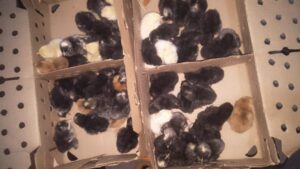
Whether you are a beginner or an experienced poultry farmer, our pricing structure is designed to suit your budget and farming goals.
💰 Current Improved Kienyeji Chick Prices in Kenya
Below is our latest price list for improved Kienyeji chicks based on their age:
| Age of Chicks | Price per Chick (Ksh) | Description |
|---|---|---|
| 1 Day Old | Ksh 90 | Freshly hatched, vaccinated day-old chicks ready for brooding. Ideal for farmers who want to raise from scratch. |
| 1 Week Old | Ksh 130 | Hardy and more stable chicks that have passed the delicate first days of brooding. |
| 2 Weeks Old | Ksh 150 | Strong, feathering chicks with good survival rate, perfect for those who prefer reduced brooding risk. |
| 3 Weeks Old | Ksh 180 | Fully vaccinated and feeding independently; great for farmers with limited brooding space. |
| 1 Month Old | Ksh 210 | Well-grown chicks ready for transfer to grower houses, with minimal care requirements. |
💬 WhatsApp for Chick Prices
📦 Note: Prices are subject to change based on order quantity and delivery location.
check out on how to rear Day-Old-Chicks learn on how to handle the young delicate chicks and acquire skills to start and manage profitable poultry farm
For customer Interested with one month old chicks ,not vanarable to disease and cold,lees brroding practices reach out our sale page One month old chicks price in Nairobi
🌾 Why Buy Improved Kienyeji Chicks from Chickmaster Poultry Farm
At Chickmaster Poultry Farm, we take pride in supplying only the best-quality chicks that perform excellently in both egg and meat production. Here’s why farmers across Kenya trust us:
✅ Healthy, Vaccinated Chicks – Each chick undergoes strict vaccination and health monitoring.
✅ Affordable Prices – Competitive pricing suitable for both small and large-scale farmers.
✅ Nationwide Delivery – We deliver chicks safely to all counties across Kenya.
✅ Technical Support – We offer free farmer training, feeding guides, and vaccination schedules.(0768633675)
🐔 Benefits of Improved Kienyeji Chicks
Improved Kienyeji breeds are a hybrid of local and exotic chicken breeds, combining the best features of both. Some of the key benefits include:
-
High Egg Production: Up to 250–280 eggs per hen annually.
-
Fast Growth: Ready for meat production in just 3–4 months.
-
Disease Resistance: Naturally hardy and adapted to Kenyan conditions.
-
Low Feed Costs: Thrive on local feeds and kitchen waste, reducing feed expenses.
-
Great Meat Quality: Firm, tasty meat loved by consumers across Kenya.
📞 How to Order Improved Kienyeji Chicks
Ready to start or expand your poultry business? Ordering from Chickmaster Poultry Farm is easy!
📞 Call/WhatsApp: 0119076723
📧 Email: info@chickbeefarming.co.ke
📍 Location: Ngong Town, Kenya
We recommend booking your chicks early to avoid delays, as demand is always high — especially during the rainy seasons when most farmers restock.
🐣 Final Thoughts
Investing in improved Kienyeji chicks is one of the smartest decisions a farmer can make today. They are profitable, easy to rear, and well-suited for Kenya’s climate. At Chickmaster Poultry Farm, we guarantee you healthy chicks, fair prices, and expert guidance to help your poultry venture succeed.
read more of the articles why improved kienyeji chicks are better in todays farming
Frequently Asked Questions About Improved Kienyeji Chick Price in Kenya
1. What is the current improved Kienyeji chick price in Kenya?
The price of improved Kienyeji chicks in Kenya varies by breed, vaccination status, and supplier. Factors like distance, age (day-old vs older), and quantity ordered can influence cost. For guidance on reliable suppliers and where to buy, check our resource on where to buy improved Kienyeji chicks.
2. Why do improved Kienyeji chicks in Kenya cost more than local breeds?
Improved Kienyeji chicks are selectively bred for higher growth rates, better survival, and greater productivity than local breeds. These performance advantages justify a higher price, as explained in why improved Kienyeji chicks are more profitable than local breeds.
3. Do vaccinated chicks cost more than non-vaccinated ones?
Yes — chicks that come pre-vaccinated against common poultry diseases often cost slightly more, but investing in vaccinated chicks greatly reduces early mortality and overall farm costs.
4. Does the price differ by location in Kenya?
Yes. Prices may be higher in remote areas due to delivery costs or lower due to local availability. Always check with your supplier before ordering to avoid surprises.
5. Are bulk orders cheaper?
Buying improved Kienyeji chicks in large quantities almost always reduces the per-chick cost. Many suppliers in Kenya offer bulk discounts, especially for commercial farmers.
6. Is buying older chicks (2–3 weeks) cheaper or more expensive?
Older chicks sometimes cost slightly more due to added care, vaccination, and feeding before sale, but they can be easier for beginners to manage with lower mortality risk.
7. How can I estimate total costs for my improved Kienyeji flock?
Total cost includes:
✔ Price per chick
✔ Delivery charges
✔ Vaccination & medication
✔ Feeding (starter, grower, layer)
✔ Housing
Use a cost calculator or budget planner to estimate total investment.
8. Where do most farmers sell improved Kienyeji chicks in Kenya?
Farmers sell chicks at farm gates, local markets, online platforms, and through supplier networks. Reliable sources include hatcheries, poultry forums, and agricultural groups.
9. Should I buy from a hatchery or farm breeder?
Both options work. Hatcheries often have consistent supplies and quality control. Farm breeders may offer local stock, sometimes at lower prices. Always verify health and vaccination status before purchase.
10. How often do chick prices change in Kenya?
Chick prices can change with:
-
Seasonal demand
-
Feed cost trends
-
Disease outbreaks
-
Transport cost changes
It’s good practice to check periodically with suppliers.