


Best Practices for Raising 3 Weeks Old Chicks in Kenya
🐣 Best Practices for Raising 3 Weeks Old Chicks in Kenya
Raising 3 weeks old chicks in Kenya is one of the most profitable stages in poultry farming when managed correctly. At this stage, chicks are stronger than day-old birds but still require proper feeding, housing, and health management to reach full productivity.
This guide explains the most effective practices Kenyan farmers use to ensure high survival rates, faster growth, and maximum profit.
If you are planning to start with strong birds, you can first visit our main guide on Why 3 Weeks Old Chicks Are Best in Nairobi for a deeper understanding of why this stage is ideal for poultry farming.
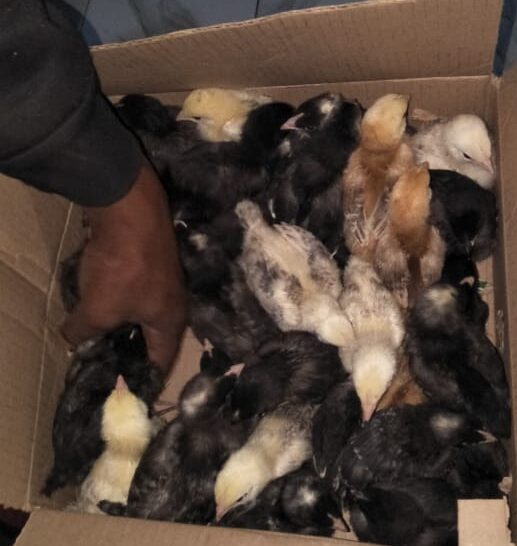
🏠 Proper Housing for 3 Weeks Old Chicks
At 3 weeks, chicks are transitioning from brooding to full housing. Proper environment is critical.
Key Requirements:
- Clean and dry litter
- Good ventilation
- Adequate space (avoid overcrowding)
- Protection from predators
- Dry feeding and drinking areas
Poor housing leads to stress, slow growth, and disease outbreaks.
🍽️ Feeding Management for Fast Growth
Feeding is the most important factor at this stage.
Recommended feeding practices:
- High-quality chick mash or grower feed
- Clean water available 24/7
- Consistent feeding schedule
- Vitamin supplements when needed
- Clean feeders to avoid contamination
Poor feeding is one of the biggest causes of low poultry performance in Kenya.
💉 Vaccination and Disease Control
Even after purchasing healthy chicks, vaccination remains critical for long-term success.
Farmers should follow proper vaccination schedules as explained in our guide on How to Vaccinate Improved Kienyeji Chicks.
Vaccination helps to:
- Prevent Newcastle disease
- Reduce mortality
- Improve immunity
- Increase productivity
🐓 Choosing the Right Breed Matters
Most 3 weeks old chicks in Kenya are Improved Kienyeji breeds known for:
- Fast growth
- High egg production
- Strong disease resistance
- Good meat quality
To understand pricing and breed value, visit our guide on Improved Kienyeji Chick Price in Kenya.
🐤 Importance of Choosing the Right Chick Stage
Many farmers struggle between choosing day-old chicks and older chicks.
You can compare both stages in our guide:
👉 Day Old vs 2–3 Weeks Old Improved Kienyeji Chicks
This helps farmers avoid early losses and choose the most cost-effective option.
🚨 Common Mistakes Farmers Should Avoid
Many poultry farmers in Kenya lose chicks due to simple mistakes:
- Poor ventilation
- Overcrowding
- Dirty water and feeders
- Wrong feed type
- Lack of vaccination
- Sudden feed changes
Avoiding these mistakes increases survival and profitability.
🐥 Transitioning to Older Birds
As chicks grow, proper management continues to matter.
Farmers who want slightly older birds can also consider One Month Old Chicks Nairobi for easier management and faster farm scaling.
📈 Why Proper Management Increases Profit
Good poultry management leads to:
- Higher survival rates
- Faster growth
- Better egg production
- Reduced feed wastage
- Higher market value
Successful poultry farming in Kenya depends on consistency and proper early-stage care.
🚀 Order Healthy Chicks Today
If you are looking for strong, vaccinated, and fast-growing chicks, we are ready to supply across Nairobi and Kenya.
📲 WhatsApp Order
📞 Call Now
📧 Email Support