


Modern bee farming in kenya/chickmasters
Modern Bee Farming in Kenya

Evolution of Modern Beekeeping
Traditional beekeeping methods relied on log and clay hives that made honey harvesting destructive to the bees. Today, Kenyan farmers are embracing modern hive designs like Langstroth and Kenya Top Bar hives. These allow for easy inspection, pest control, and efficient honey harvesting while ensuring the sustainability of bee colonies.
Modern Hive Management Techniques
- Regular Inspections: Beekeepers now perform systematic hive checks to monitor brood health, honey stores, and queen activity.
- Swarm Prevention: Timely splitting and proper spacing help prevent swarming, which can cause productivity loss.
- Pest and Disease Control: Integrated pest management (IPM) methods—like screened bottom boards and mite treatments—keep colonies healthy without heavy chemical use.
- Use of Quality Hives: Durable, weather-resistant hives from local suppliers like Chickmaster ensure long service life and better colony protection.
Enhancing Colony Productivity
Improving productivity in bee farming depends on careful colony management and sustainable feeding practices:
- Supplementary Feeding: During dry or dearth seasons, providing sugar syrup and protein patties keeps bees nourished.
- Queen Rearing and Replacement: Strong, young queens lead to stronger colonies and higher honey yields.
- Hive Adaptation: Modern hives are designed to handle Kenya’s variable weather—ensuring colonies remain productive even in changing climates.
Sustainability and Environmental Impact
Modern bee farming is not only about honey — it’s about ecological balance. Bees are critical pollinators that support food security and biodiversity. Sustainable practices focus on reducing environmental impact while supporting rural livelihoods.
- Natural Habitat Preservation: Planting trees and wildflowers near apiaries provides forage and habitat for pollinators.
- Eco-Friendly Hives: Using untreated, sustainable wood reduces chemical exposure to bees and the environment.
- Community Awareness: Programs that train local farmers in beekeeping foster rural employment and food production.
Modern Bee Farming Equipment by Chickmaster
Chickmaster supplies durable, locally built modern hives such as Langstroth and Kenya Top Bar models. These hives come with removable frames, weatherproof covers, and treated pine or cypress wood to ensure long life and easy honey harvesting.
- Langstroth Hives – starting from KSh 6,000
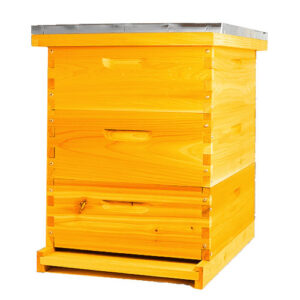
- Kenya Top Bar Hives – from KSh 5,500
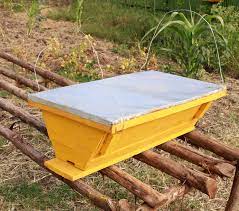
- Bee suits, smokers, and extractors available

Final Thoughts
Modern bee farming in Kenya continues to grow as farmers adopt sustainable technologies and practices. Whether for small-scale backyard beekeeping or commercial honey production, investing in modern hives and good management yields higher returns and supports environmental conservation.
For durable, locally-made modern bee hives and professional support, contact Chickmaster–0768633675 today — your trusted partner in sustainable beekeeping across Kenya.
Phone: 0119076723
Email: info@chickbeefarming.co.ke
Location: Ngong Town, Kenya
Read more about about bee farming in kenya by chick masters