


Best place to put a beehive in Kenya
Best Place to Put a Beehive in Kenya
Selecting the best place to put a beehive in Kenya is one of the most important decisions every beekeeper can make. Even the highest-quality hive cannot produce maximum honey if it is placed in an unsuitable location. The right site provides bees with easy access to flowering plants, clean water, protection from harsh weather, and a safe environment where colonies can thrive throughout the year.
Whether you are starting your first apiary or expanding a commercial beekeeping project, proper hive placement directly influences colony strength, honey yields, swarm management, and the long-term success of your investment.
Before installing a hive, it is equally important to choose the right hive type. Our guide on Types of Beehives in Kenya explains the advantages of different hive designs and helps you select the best option for your farming goals.
Why Hive Placement Matters
Many beginners focus on buying quality hives but overlook the importance of where those hives are installed. Poor placement can expose colonies to excessive heat, flooding, predators, pesticides, and a lack of flowering plants, all of which reduce productivity.
A well-positioned hive offers:
- Higher honey production
- Healthier bee colonies
- Easier hive management
- Reduced swarming
- Better brood development
- Lower colony stress
- Increased survival during dry seasons
Choosing the right location from the start saves time, reduces losses, and helps colonies establish quickly.
Choose an Area with Plenty of Bee Forage
The best beehive locations are close to natural sources of nectar and pollen. Bees rely on flowering plants throughout the year to produce honey and feed their colonies.
Ideal forage includes:
- Acacia trees
- Calliandra
- Grevillea
- Sunflowers
- Coffee plants
- Avocado trees
- Mango trees
- Eucalyptus
- Croton
- Indigenous flowering shrubs
Areas with diverse vegetation generally support stronger colonies and higher honey yields.
If you are planning a new apiary, consider planting additional bee-friendly trees and flowering plants to provide forage during different seasons.
Provide Morning Sun and Afternoon Shade
Bees become active early in the morning when temperatures begin to rise. Placing hives where they receive gentle morning sunlight encourages earlier foraging activity.
However, excessive afternoon heat can stress colonies, especially during Kenya’s hot seasons.
An ideal location provides:
- Morning sunlight
- Partial afternoon shade
- Good air circulation
- Protection from extreme temperatures
Natural shade from trees is often better than placing hives in complete darkness.
Keep Beehives Away from Busy Areas
Bees require a peaceful environment with minimal disturbance.
Avoid placing hives near:
- Schools
- Public footpaths
- Busy roads
- Livestock watering points
- Children’s play areas
- Markets
- Construction sites
Reducing human and animal traffic lowers stress on colonies and improves safety for everyone nearby.
Ensure Access to Clean Water
Water is essential for brood rearing, cooling the hive, and maintaining colony health.
If no natural water source exists nearby, provide shallow containers filled with clean water and floating sticks or stones so bees can land safely while drinking.
Changing the water regularly helps prevent contamination.
Avoid Flood-Prone Areas
Never place hives where rainwater collects.
Flooding can:
- Damage hive equipment
- Kill colonies
- Increase moisture inside the hive
- Encourage pests and diseases
Install hives on raised stands to improve drainage and protect against damp conditions.
Protect Hives from Strong Winds
Strong winds make it difficult for bees to fly and can damage hive structures.
Good wind protection includes:
- Live fences
- Trees
- Hedges
- Natural terrain
Avoid completely enclosed spaces, as bees still require good airflow around the hive.
Install Strong Hive Stands
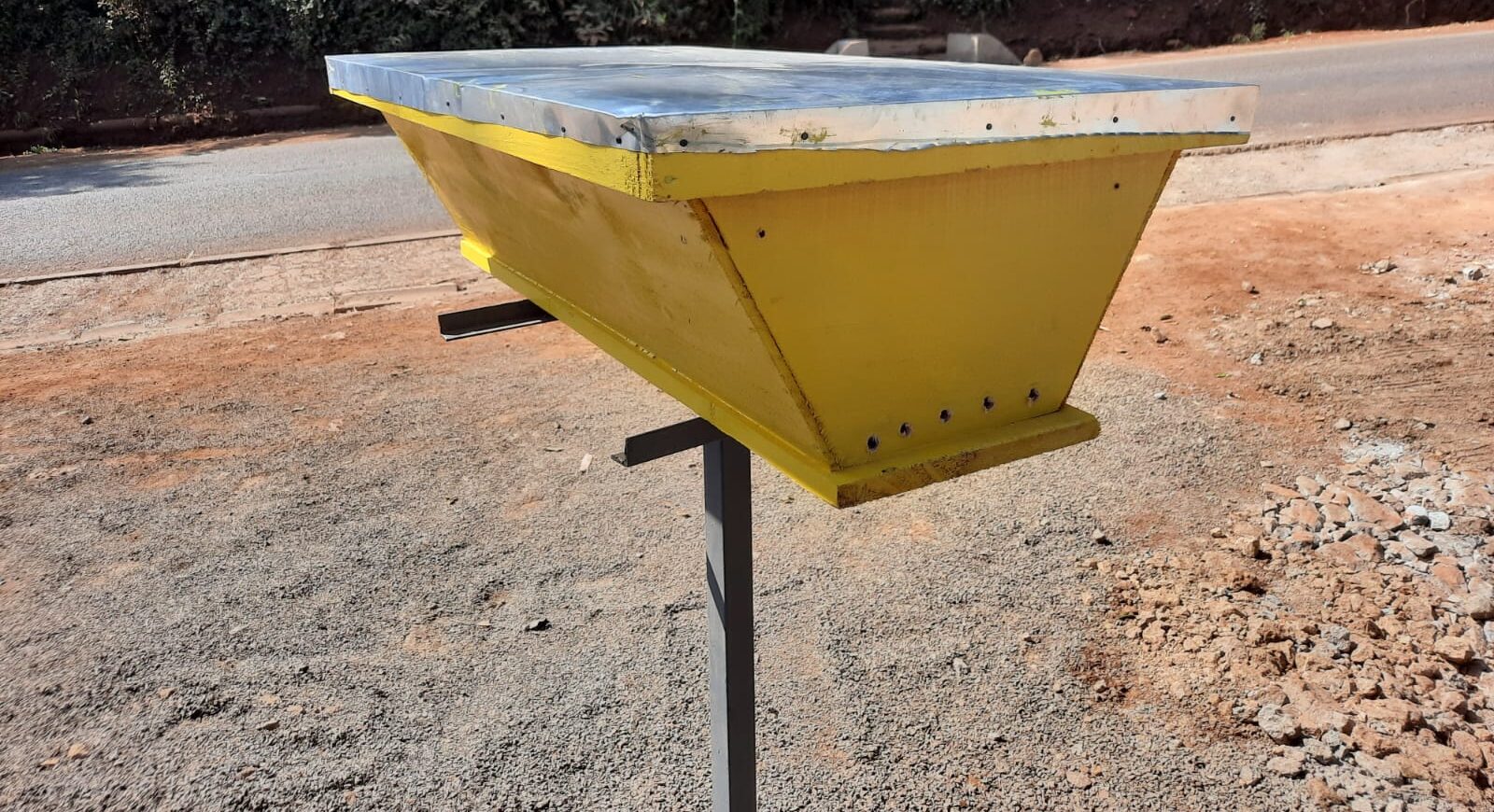
Hive stands improve colony health and make inspections easier.
A quality stand helps:
- Prevent termite attacks
- Reduce moisture
- Protect against flooding
- Improve ventilation
- Keep vegetation away from hive entrances
Most hive stands should keep the hive approximately 40–60 cm above the ground.
Keep Hives Away from Pesticides
Agricultural chemicals are one of the leading causes of bee losses.
Avoid placing apiaries close to farms where pesticides are sprayed frequently, particularly during flowering seasons.
If neighbouring farms use chemicals, communicate with farmers to encourage spraying during late evening hours when bees are less active.
Consider Security
Beehives are valuable investments.
To improve security:
- Fence the apiary
- Use lockable gates
- Mark hive numbers
- Conduct regular inspections
- Inform nearby neighbours about your apiary
Good security protects your investment and discourages theft or vandalism.
How Many Hives Should You Start With?
The ideal number depends on your experience, available resources, and long-term goals.
Many beginners start with between 5 and 20 hives, allowing them to learn proper colony management before expanding.
Commercial beekeepers often increase their apiaries gradually as their skills and market demand grow.
for oders reach us on
Common Hive Placement Mistakes
Avoid these common errors:
- Installing hives in full-day direct sunlight
- Placing hives under deep shade all day
- Choosing areas with poor drainage
- Ignoring nearby flowering plants
- Installing hives too close to homes
- Allowing grass to block hive entrances
- Placing hives where livestock can disturb them
Correcting these issues early leads to healthier colonies and higher honey production.
for more detaile guide on common mistake beekeeper doo and how to avoid them
Which Hive Performs Best in the Right Location?
Both Langstroth hives and Kenya Top Bar hives can produce excellent honey when placed correctly.
The most important factor is not only the hive design but also:
- Adequate forage
- Clean water
- Proper ventilation
- Shade
- Security
- Good management practices
Selecting the right hive and placing it in an ideal environment gives your bees the best opportunity to thrive.
Frequently Asked Questions
Can I keep a beehive near my home?
Yes, provided there is enough space, minimal disturbance, and the hive entrance is directed away from areas where people frequently walk or gather.
How far should a hive be from a house?
The ideal distance depends on the property layout, neighbouring activities, and local regulations. A location that minimizes interactions between bees and people is generally preferred.
Should a beehive be in the sun or shade?
Morning sunlight with partial afternoon shade offers a good balance, helping bees become active early while reducing heat stress later in the day.
Is water necessary near a beehive?
Yes. Bees need reliable access to clean water throughout the year for cooling the hive and supporting brood development.
Can I move a hive after installing it?
Yes, but relocating an established colony should be done carefully to reduce stress and help the bees reorient to their new location.
Choose the Right Location for a Successful Apiary
Finding the best place to put a beehive in Kenya is the foundation of productive and sustainable beekeeping. A site with abundant flowering plants, clean water, protection from extreme weather, and minimal disturbance allows bee colonies to grow stronger and produce higher-quality honey.
Whether you are establishing your first hive or developing a commercial apiary, careful site selection will improve colony health, reduce management challenges, and increase long-term profitability.
At Chickmasters, we provide quality Langstroth hives, Kenya Top Bar hives, protective clothing, smokers, hive tools, and practical beekeeping guidance to help farmers succeed across Kenya.
Ready to start your beekeeping journey? Contact Chickmasters today for expert advice, premium beekeeping equipment, and healthy hive solutions tailored to your needs.