


Best Housing for 1 Month Old Kienyeji Chicks
Best Housing for 1 Month Old Kienyeji Chickens in Kenya (Complete Poultry House Guide 2026)
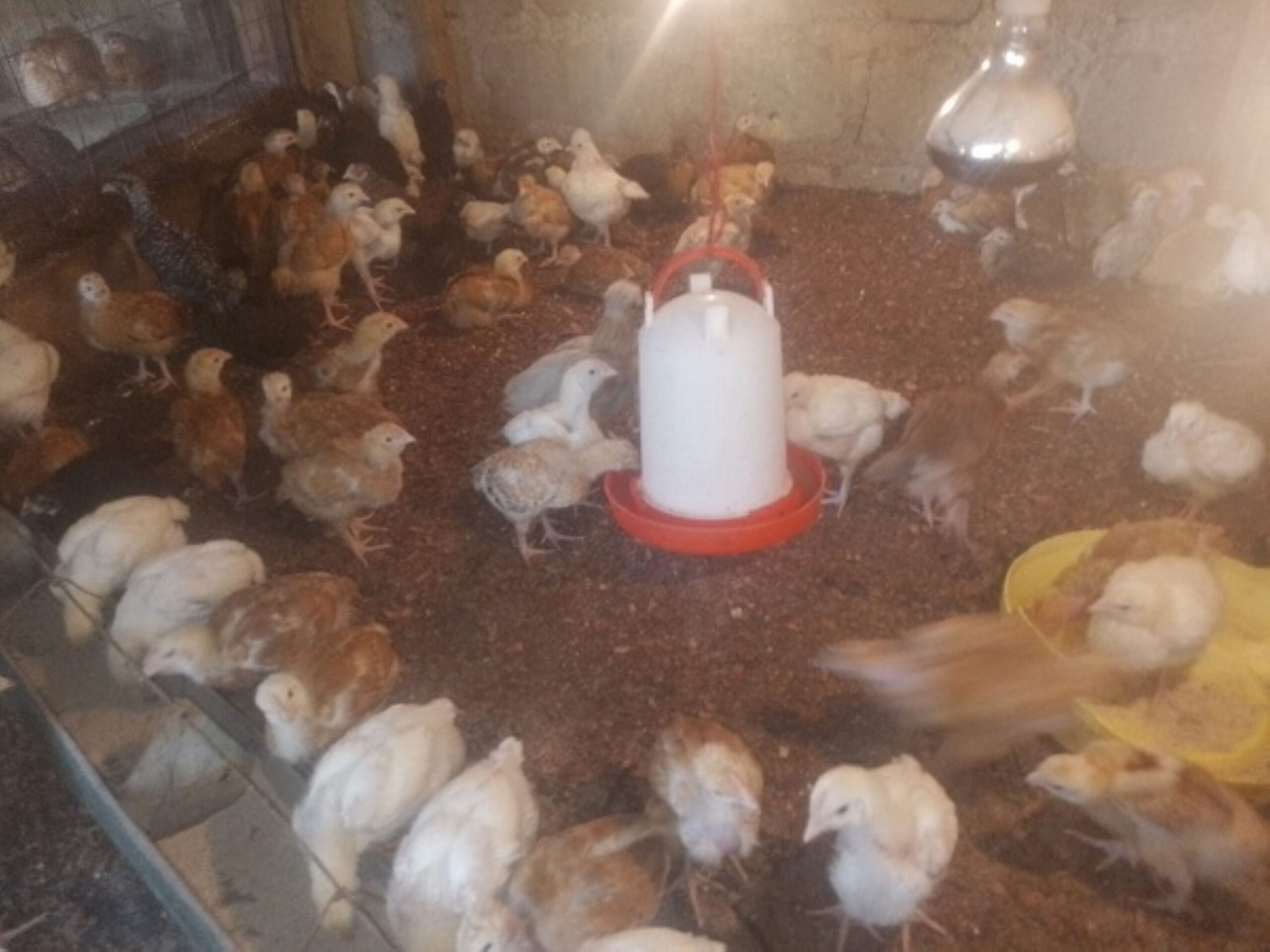
Best housing for 1 month old kienyeji chickens in Kenya is one of the most important factors that determines survival rate, growth speed, and overall poultry farm profitability. Proper housing protects growers from cold, disease, overcrowding stress, and predators while improving feed efficiency and performance.
Farmers who invest in good poultry housing achieve lower mortality rates and faster-growing kienyeji chickens.
If you are looking for healthy vaccinated growers, see our
1 Month Old Kienyeji Chickens for Sale in Kenya.
Why Proper Housing Is Important
Poor housing is one of the main causes of disease outbreaks and slow growth in poultry farming. Good housing creates a controlled environment for healthy development.
- Protects birds from predators
- Prevents disease spread
- Improves feed conversion efficiency
- Reduces stress and mortality
- Supports faster growth rate
Key Features of a Good Poultry House
- Proper ventilation system
- Dry and clean litter
- Adequate space per bird
- Protection from rain and wind
- Easy cleaning and maintenance
Recommended Space for 1 Month Old Chickens
At the grower stage, overcrowding is dangerous and leads to disease outbreaks and slow growth.
- Recommended space: 0.1–0.2 square meters per bird
- Always allow expansion space as birds grow
Types of Poultry Housing Systems
- Deep litter system – most common and affordable in Kenya
- Raised wooden floors – improves hygiene and airflow
- Wire mesh system – reduces disease risks but more expensive
Importance of Ventilation
Proper airflow is essential for removing harmful gases and maintaining healthy birds.
- Reduces respiratory diseases
- Keeps litter dry
- Improves air quality
Common Housing Mistakes Farmers Make
Many farmers lose chickens due to avoidable housing errors.
- Poor ventilation
- Wet litter
- Overcrowding
- Dirty poultry houses
- Poor lighting systems
Learn more poultry management mistakes here:
Common Chick Brooding Mistakes
Role of Proper Brooding in Housing Success
Strong housing success starts from proper brooding. Weak chicks from poor early care perform poorly even in good housing.
We also offer professional support through:
Chick Brooding Services
Best Feeding and Health Management
Housing alone is not enough — feeding and health management must also be correct for success.
Related guides:
- Best Feed for 1 Month Old Kienyeji Chickens
- Vaccination Schedule for Kienyeji Growers
- Common Diseases in Kienyeji Chickens
Signs of Properly Housed Chickens
- Active movement
- Even growth rate
- Clean feathers
- Low disease cases
- Strong appetite
Frequently Asked Questions
What is the best housing system for kienyeji chickens?
Deep litter system is the most common and effective in Kenya.
How much space do 1 month old chickens need?
About 0.1–0.2 square meters per bird is recommended.
Why is poultry housing important?
It prevents disease, reduces stress, and improves growth rate.
Can poor housing kill chickens?
Yes. Poor ventilation, wet litter, and overcrowding can cause disease outbreaks.
Buy Healthy 1 Month Old Kienyeji Chickens in Kenya
Looking for strong vaccinated growers with nationwide delivery?
Chick Bee Farming supplies healthy 1 month old kienyeji chickens across Kenya.
Call or WhatsApp 0119076723 for orders and delivery.