


Bee-keeper-starter-guide
🐝 How to Start Bee Farming in Kenya: The Complete Beginner’s Guide (2026)
ow to start bee keeping in Kenya and the things to consider before getting into the business are some of the biggest questions new farmers ask. Beekeeping is a highly profitable and low-maintenance agribusiness, but success depends on understanding the right steps and preparing well from the beginning. Before you set up your hives, you need to consider the location of your apiary, the type of hive to use, availability of water, the surrounding vegetation, start-up costs, and how you will manage the bee colonies throughout the year. With proper planning and knowledge, you can start bee keeping in Kenya easily and begin producing high-quality honey for both local and commercial markets.
below are points to show our starting farmers on the importance of starting bee farming in kenya
🌿 Why Start Bee Farming in Kenya?
Kenya’s climate and rich natural vegetation make it one of the best environments for honey production in Africa. Here’s why bee farming is a smart investment:
-
Low start-up cost — no need for large land size or constant feeding.
-
High-profit margins — honey prices range between KSh 800 – 1,500 per kg.
-
Low labor requirements — bees work independently.
-
High demand — supermarkets, hotels, cosmetic companies, and export markets rely on honey every day.
-
Environmentally friendly — bees help in pollination, increasing crop yields.
Bee farming gives you an opportunity to earn income while conserving nature.
below are illustrated points guide/kit on How to start modern bee keeping in kenya
🐝 Step-by-Step Guide: How to Start Bee Farming in Kenya
1️⃣ Choose the Best Location for Your Apiary
Location is everything. Bees need a safe, quiet, and productive environment.
✔ Perfect Place for Setting Up Bee Hives:
-
Near flowering plants, fruit trees, or natural vegetation
-
Away from busy roads, livestock, and children
-
Close to a clean water source
-
Shaded area with proper airflow
-
Minimum disturbance and noise
If possible, avoid placing hives in cold or very windy places.
2️⃣ Select the Right Hive Type
Kenya has three major hive types. Your choice will affect your honey yield and management style.
🔹 Langstroth Hive (Most Recommended)

-
Highest honey production
-
Modern and easy to manage
-
Made from pine wood
-
Ideal for commercial bee farmers
- check our 2026 update langstroth hive price,and start modern farming with langstroth hive
🔹 Kenya Top Bar Hive (KTBH)

- Affordable and beginner-friendly
-
Easy to harvest honey
-
Good for small-scale farmers
🔹 Traditional Log Hives
-
Cheapest option
-
Less productive
-
Higher risk of colony absconding
💡 Tip: If you want serious income, start with Langstroth hives.
3️⃣ Acquire Quality/best breed Bee Colonies
You can start with:
-
Capture traps (baiting bees naturally)
-
Buying established colonies from certified bee breeders
-
Transferring bees from traditional hives
A strong colony means better honey production. Ensure the colony has:
-
A healthy queen
-
Plenty of worker bees
-
Brood (developing young bees)
4️⃣ Install Your Hives & Prepare the Apiary
After selecting the site, prepare it for bees.
✔ What to do:
-
Clear bushes (but retain flowering plants)
-
Build hive stands 1–1.5 meters high
-
Space your hives 2–3 meters apart
-
Provide water in shallow containers
-
Apply wax or lemon grass to attract bees
Then install the hives securely to prevent wind damage or predators.
5️⃣ Attract Bees Into the Hives
There are two methods:
A. Baiting /flourish nice scents (Natural Colonization)
Use:
-
Beeswax
-
Propolis
-
Lemon grass
-
Meliponic traps
This is cheap but might take time.
B. Buying Colonies (Fast & Efficient)
You get an already established bee family. Colonies cost between KSh 3,500 – 5,000 depending on location.
6️⃣How to Manage Your Bee Colonies Effectively
Beekeeping is simple, but management is essential.
✔ Key management practices:
-
Regular inspections (every 2–4 weeks)
-
Avoid disturbing bees unnecessarily
-
Prevent pests like wax moths, ants & hive beetles
-
Add supers in Langstroth hives when colonies grow
-
Feed bees during long droughts
Use protective gear such as:
-
Bee suits
-
Gumboots
-
Gloves
-
Smokers
This ensures safe and stress-free inspections.
7️⃣ Harvesting Honey the Right Way
Honey harvesting should be clean, gentle, and professional.
✔ Best Time to Harvest:
When the honeycomb cells are capped (sealed with white wax). This shows the honey has reached the right moisture level.
✔ Harvesting Tools Needed:
-
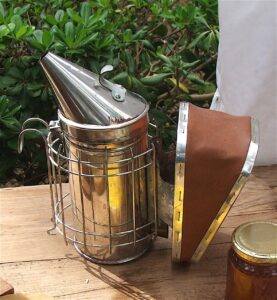
Smoker
-
Uncapping knife

-
Honey extractor

Food-grade buckets

- Sieve or strainer

Double sieve/strainers
✔ Steps:
-
Smoke the hive lightly
-
Remove the frames carefully
-
Uncap the cells
-
Extract honey using a centrifuge extractor
-
Filter and package
Proper harvesting ensures:
-
Pure honey
-
Return of bees to rebuild combs
-
Higher yield in the next season
8️⃣ Packaging & Marketing Your Honey
Honey must be packaged beautifully to attract buyers.
✔ Follow these tips:
-
Use food-grade bottles
-
Seal properly to avoid moisture contamination
-
Add a clear label with ingredients, location & expiry
-
Maintain consistency in color and thickness
✔ Where to sell your honey:
-
Supermarkets
-
Online shops
-
Pharmacies
-
Cosmetic companies
-
Restaurants & hotels
-
Local markets
-
Direct farm-gate sales
Kenya’s honey demand is far higher than supply, meaning there is always a market.
9️⃣ Cost of Starting Bee Farming in Kenya (2026)
Here’s a simple breakdown for beginners:
| Item | Estimated Cost (KSh) |
|---|---|
| Langstroth Hive | 4,000 – 6,500 |
| Kenya Top Bar Hive | 3,500 – 5,500 |
| Bee Colony | 3,500 – 5,000 |
| Protective Bee Suit | 3,000 – 6,000 |
| Smoker | 800 – 1,500 |
| Hive Tools | 500 – 1,000 |
| Training | 2,500 – 5,000 |
Overall Startup Cost:
👉 From KSh 12,000 – 25,000 per hive
hives+farming equipments+skills
🔟 How Much Can You Earn From Bee Farming?
A Langstroth hive produces 20–30 kg of honey per year.
If honey sells at KSh 1,000 per kg:
30 kg × KSh 1,000 = KSh 30,000 per hive yearly
With just 10 hives, you earn KSh 300,000 per year with minimal labor.
📝 Final Tips for Beginners
-
Start with 3–10 hives and expand slowly
-
Attend professional bee farming training
-
Use modern hives (Langstroth) for higher yield
-
Keep accurate production records
-
Maintain cleanliness in the apiary
-
Learn pest management early
-
Join beekeeping associations or cooperatives
Beekeeping is simple, profitable, and scalable — perfect for farmers, youth groups, and small agribusinesses.
📞 Need Bee Farming Training, Hives, or Colonies?
We provide:
-
Professional bee farming training
-
Langstroth & KTBH hives
-
Quality bee colonies
-
Harvesting equipment
-
Apiary setup guidance
Phone: 0119076723
Email: info@chickbeefarming.co.ke
Location: Ngong Town, Kenya
Start your bee farming journey today and build a sustainable, profitable agribusiness.
read more about our services about modern bee farming training in kenya today and be a skilled bee farmer who will venture in bee farming with easy,for he will be already aware of the terrain/skills given by us