


Poultry House Designs in Kenya: Construction Costs, Measurements and Best Plans
Choosing the right poultry house designs in Kenya is one of the most important decisions when starting a chicken farming business. A well-designed poultry house protects chickens from harsh weather, predators, excessive heat, cold conditions and diseases while providing enough space for feeding, drinking, resting and movement.
Whether you want to keep 50, 100, 200, 500 or 1,000 chickens, the poultry house should match your farming objectives, available land, budget and preferred chicken breed. Farmers keeping improved kienyeji chickens, commercial layers and broilers also need to consider their different housing and management requirements.
In Kenya, poultry housing must account for local weather conditions. Areas such as Kiambu, Limuru, Nairobi, Nakuru and other highland regions may experience cool nights and seasonal rainfall, while hotter regions require additional attention to shade, ventilation and heat management.
At Chickmasters Poultry and Hives Shop, we understand that successful poultry farming starts with proper preparation. Before purchasing chicks, farmers should establish a suitable poultry house, prepare feeding equipment and understand the cost of raising their chosen chicken type.
If you are planning to start poultry farming, you can also explore our one-day-old chicks in Nairobi page to enquire about chick purchasing options.
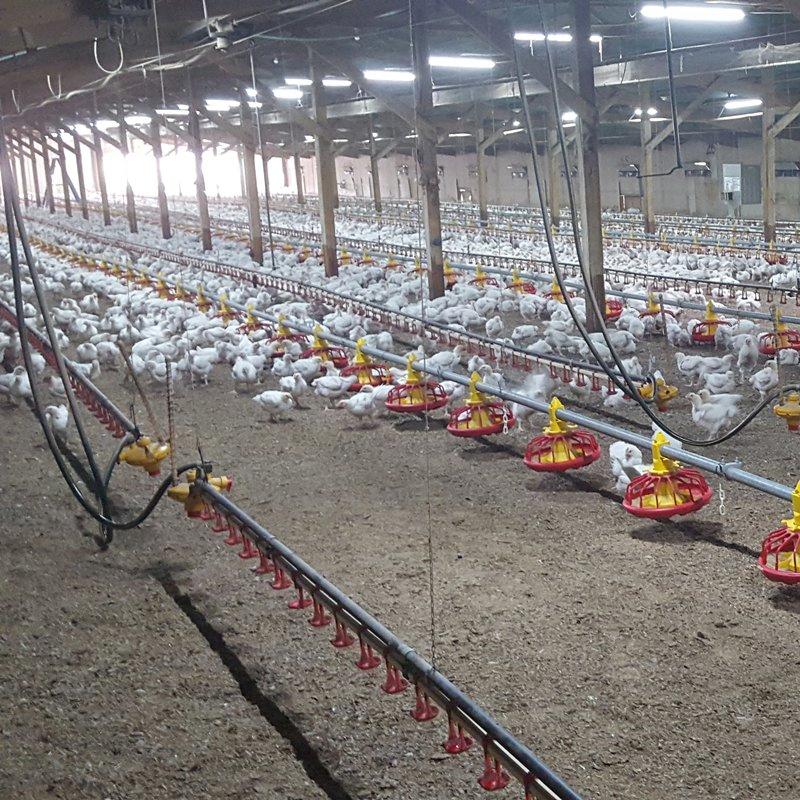
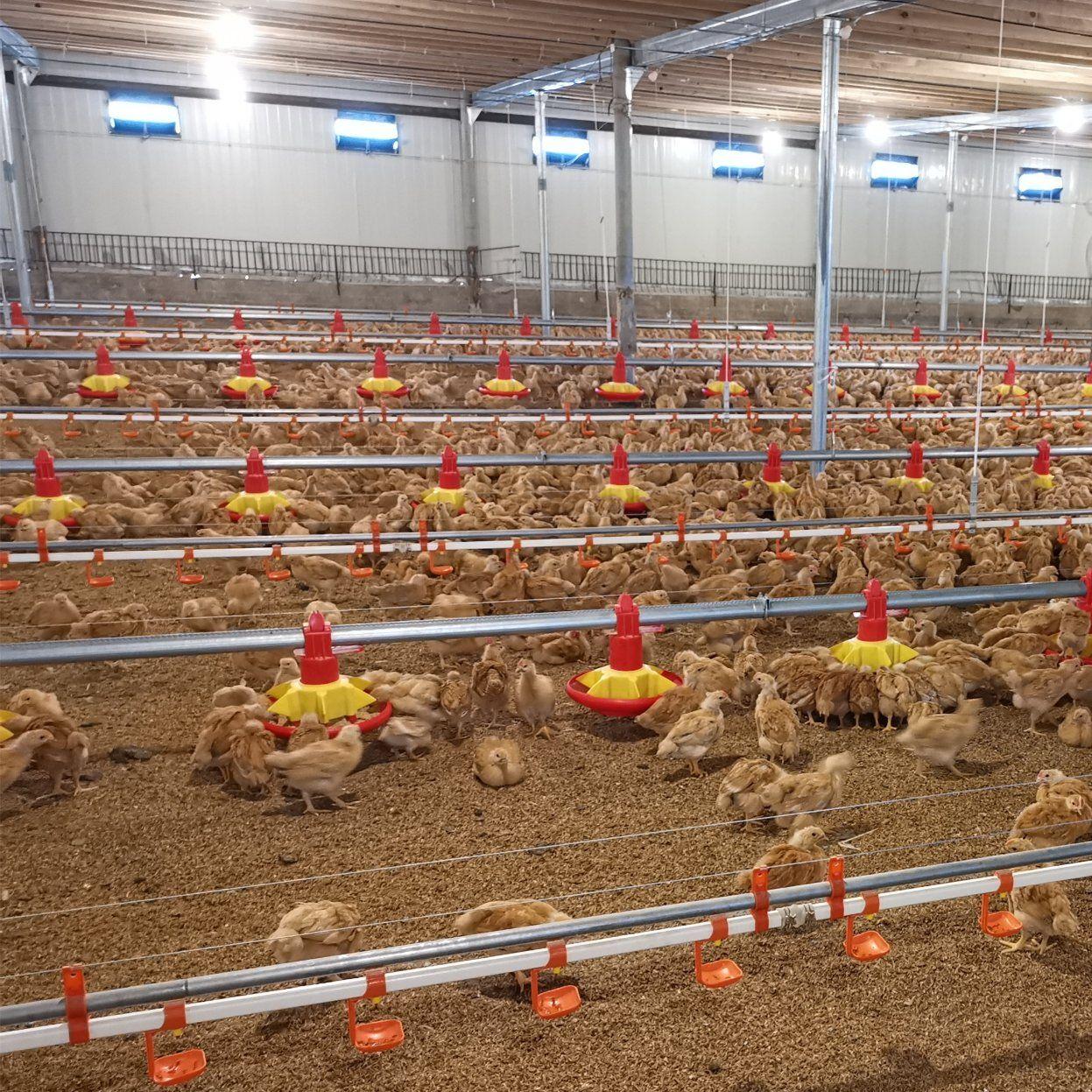
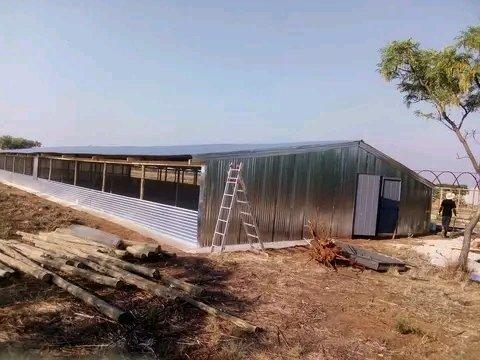
Types of Poultry House Designs in Kenya
There are different poultry housing designs suitable for Kenyan farmers. The best option depends on the number of chickens, production system, available resources and environmental conditions.
A. Deep Litter Poultry House Design
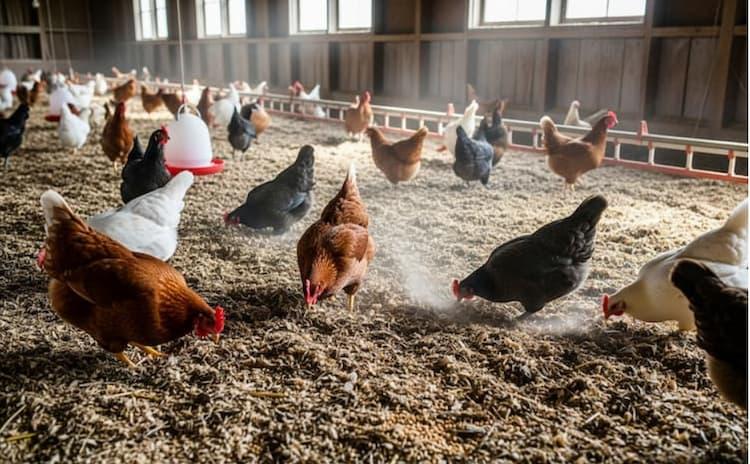
The deep litter system is one of the common poultry housing options for small-scale and commercial farmers.
In this system, chickens are kept inside a house with bedding material spread across the floor. Common bedding materials include wood shavings, chopped straw and other suitable absorbent materials.
The bedding absorbs moisture and provides a comfortable surface for chickens.
Advantages of deep litter poultry houses
-
Suitable for improved kienyeji chickens, broilers and many layer operations.
-
Can be constructed using locally available materials.
-
Allows chickens to move freely within the house.
-
Makes feeding and watering easier to organise.
-
Can accommodate different flock sizes.
Disadvantages
-
Requires regular litter management.
-
Poor ventilation can cause moisture and ammonia accumulation.
-
Overcrowding can increase disease and management problems.
-
Wet bedding needs prompt replacement.
For beginners starting with 50–200 improved kienyeji chickens, a properly constructed deep litter poultry house can be a practical option.
B. Free-Range Poultry House Design
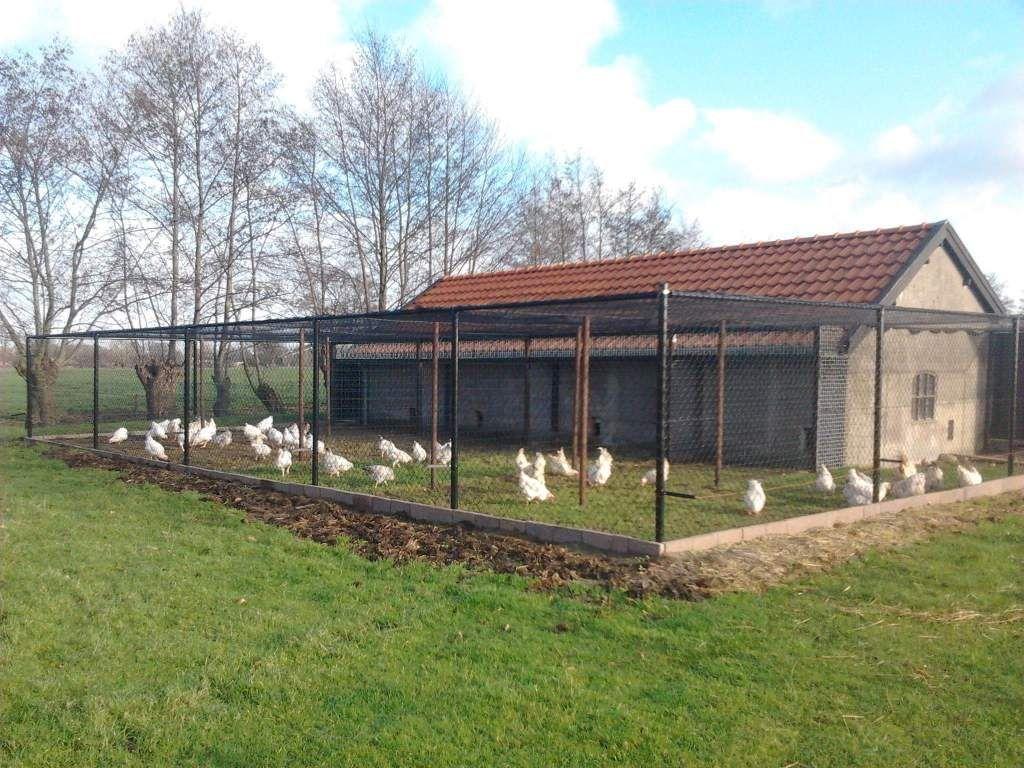
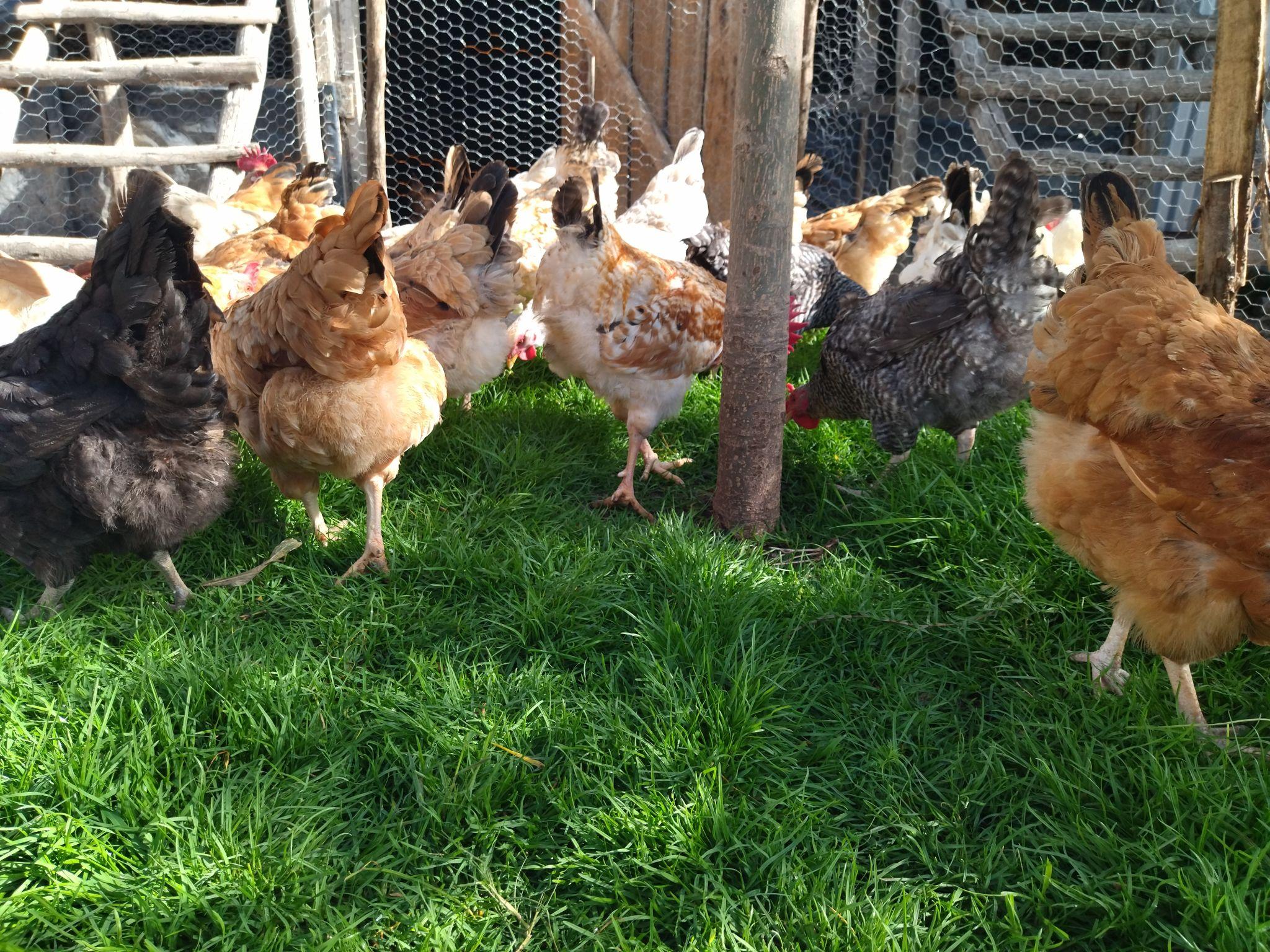
Free-range poultry housing combines a sheltered chicken house with an outdoor area where birds can move around and forage.
This system is popular among farmers raising kienyeji and improved kienyeji chickens.
The house provides protection during the night, while the outdoor area gives birds additional room for movement.
Advantages
-
Allows natural movement and foraging.
-
Can reduce reliance on a completely enclosed housing system.
-
Provides an option for farmers with sufficient land.
-
Suitable for certain kienyeji production systems.
Disadvantages
-
Requires secure fencing.
-
Chickens may be exposed to predators and wild birds.
-
Outdoor access can increase disease exposure.
-
Egg collection and flock monitoring may require more work.
Farmers using free-range systems should still provide balanced feed and clean water. Foraging alone may not meet the nutritional needs of growing or laying birds.
C. Semi-Intensive Poultry House Design
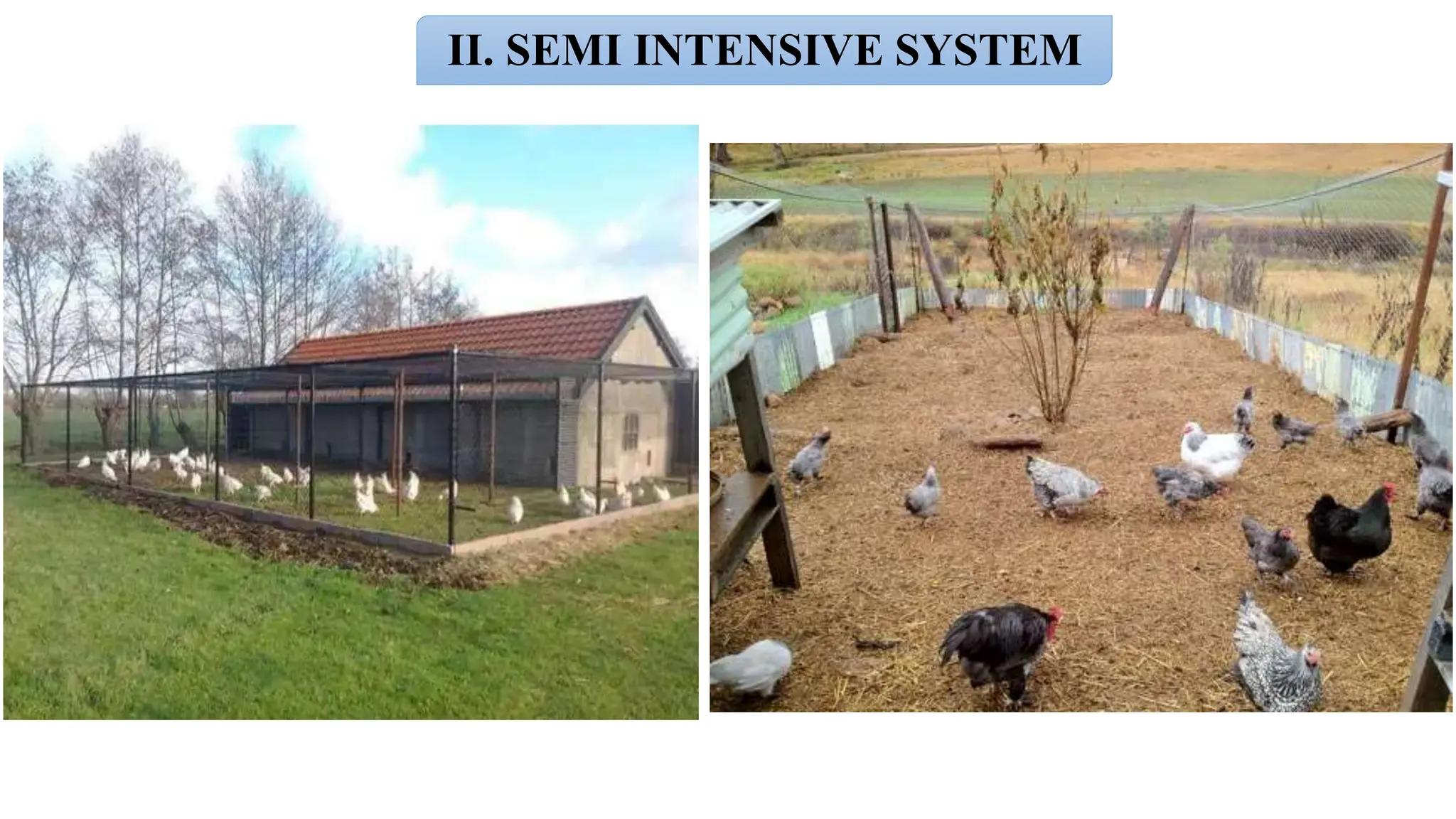
A semi-intensive poultry system combines an enclosed house with a designated outdoor run.
Chickens spend part of their time inside and may access the outdoor area under controlled conditions.
This design can suit farmers who want to keep improved kienyeji chickens while maintaining better control over their flock than in an unrestricted free-range system.
Important considerations include fencing, drainage, shade, water supply and protection against predators.
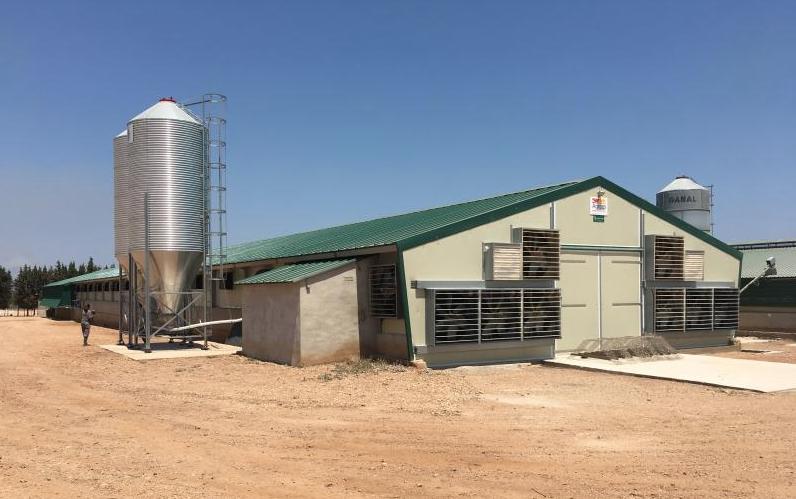
D. Intensive Commercial Poultry House Design
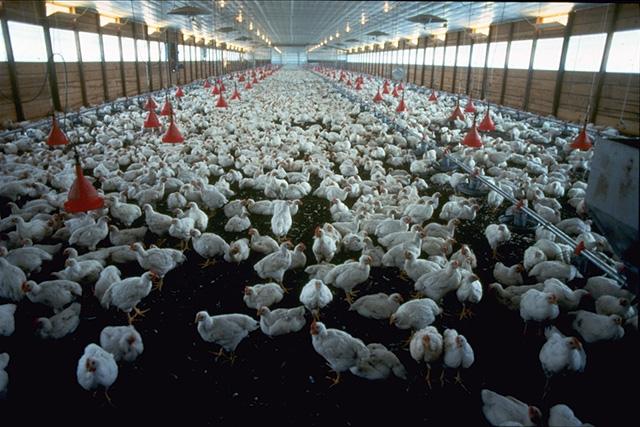
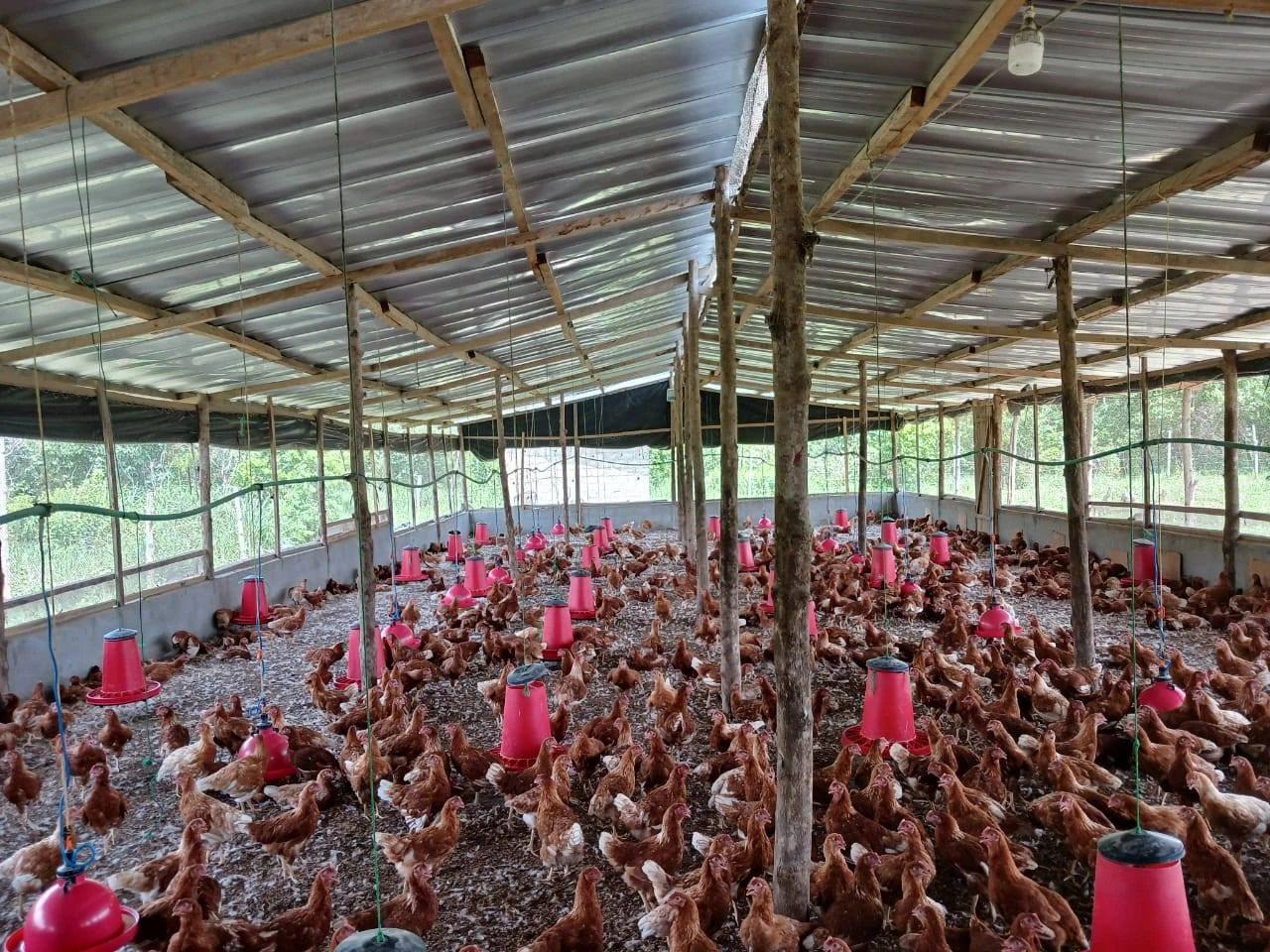
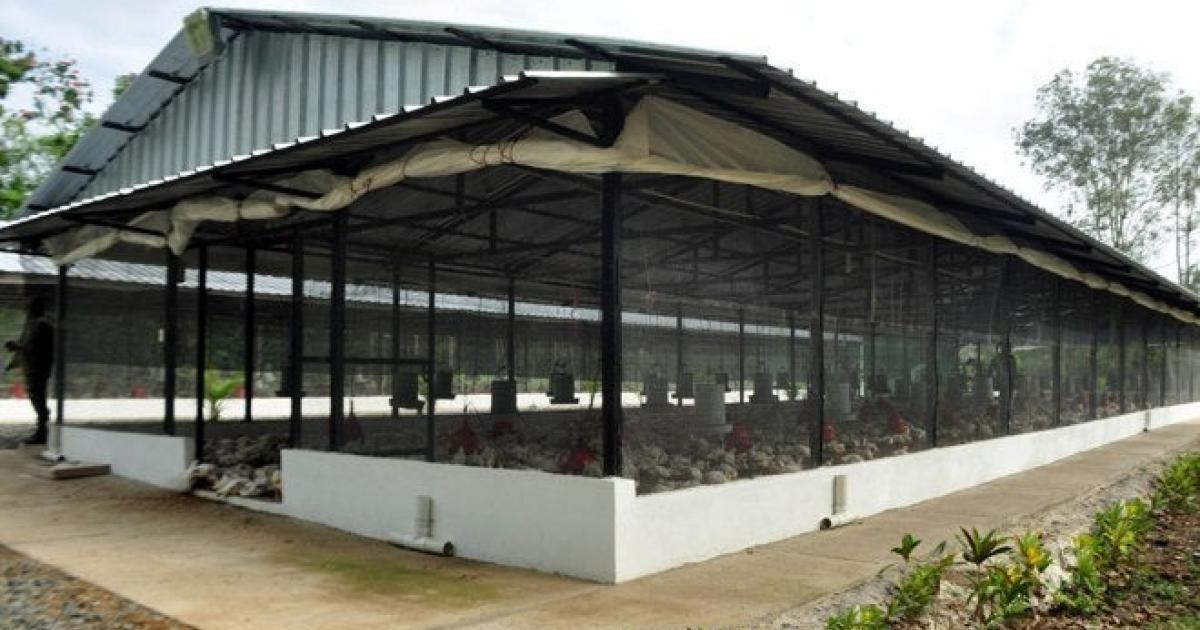
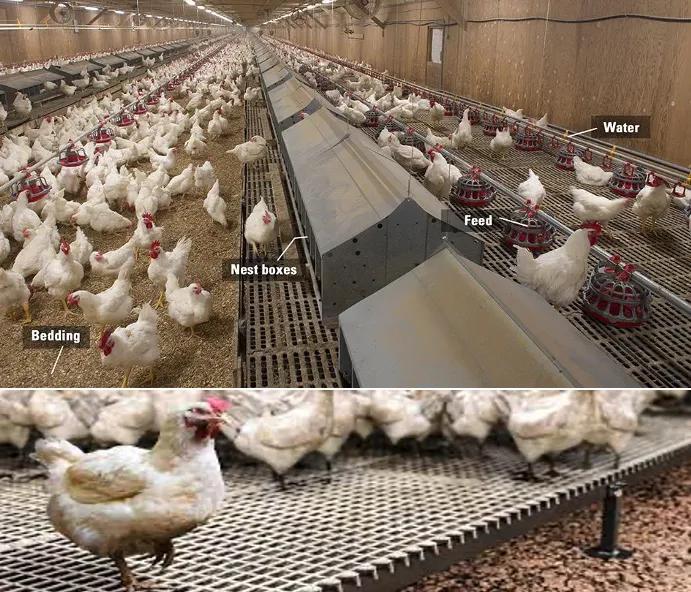
Intensive poultry farming keeps birds within a managed housing environment. It is commonly used in commercial broiler and layer production.
The design should allow farmers to control:
-
Ventilation and air quality.
-
Temperature and humidity.
-
Lighting where required.
-
Feed and water distribution.
-
Litter or manure management.
-
Biosecurity and disease prevention.
Large poultry houses require more careful planning, particularly regarding ventilation, stocking density, backup power and waste disposal.
2. Poultry House Measurements in Kenya
One of the most frequently asked questions by new poultry farmers is how big a chicken house should be.
The answer depends on the type of chicken, its age, body size, housing system and applicable welfare requirements.
For preliminary planning, the following indoor floor-space allowances are useful starting points for small-scale deep litter systems:
| Chicken type | Indicative indoor space per bird |
|---|---|
| Improved kienyeji | 2–3 sq ft |
| Commercial layers | 1.5–2 sq ft |
| Broilers | 1–1.2 sq ft |
These are planning estimates, not universal stocking-density standards. Confirm the appropriate allowance for your strain, bird weight, ventilation and management system. More space may be necessary in hot conditions or where birds are larger.
Poultry house measurements for 50 chickens
For 50 improved kienyeji chickens, using approximately 2.5 square feet per bird:
50 × 2.5 = 125 square feet.
A house measuring 10 feet by 13 feet provides 130 square feet, which is a practical starting size.
Poultry house measurements for 100 chickens
For 100 improved kienyeji chickens:
100 × 2.5 = 250 square feet.
A poultry house measuring 10 feet by 25 feet provides 250 square feet.
Poultry house measurements for 200 chickens
For 200 improved kienyeji chickens:
200 × 2.5 = 500 square feet.
A house measuring 20 feet by 25 feet provides 500 square feet.
Poultry house measurements for 500 chickens
For 500 improved kienyeji chickens:
500 × 2.5 = 1,250 square feet.
A house measuring 25 feet by 50 feet provides 1,250 square feet.
Poultry house measurements for 1,000 chickens
For 1,000 improved kienyeji chickens:
1,000 × 2.5 = 2,500 square feet.
A house measuring 50 feet by 50 feet provides 2,500 square feet.
Poultry house size calculator
Calculate an indicative indoor floor area for your planned flock.
100
250
Required floor area (sq ft)
25 × 10
Approximate dimensions (feet)
This calculator estimates indoor floor space only. It excludes feed storage, service areas and outdoor runs.
3. Best Materials for Constructing a Poultry House in Kenya
The materials you choose influence the construction cost, durability, ventilation and maintenance requirements of your poultry house.
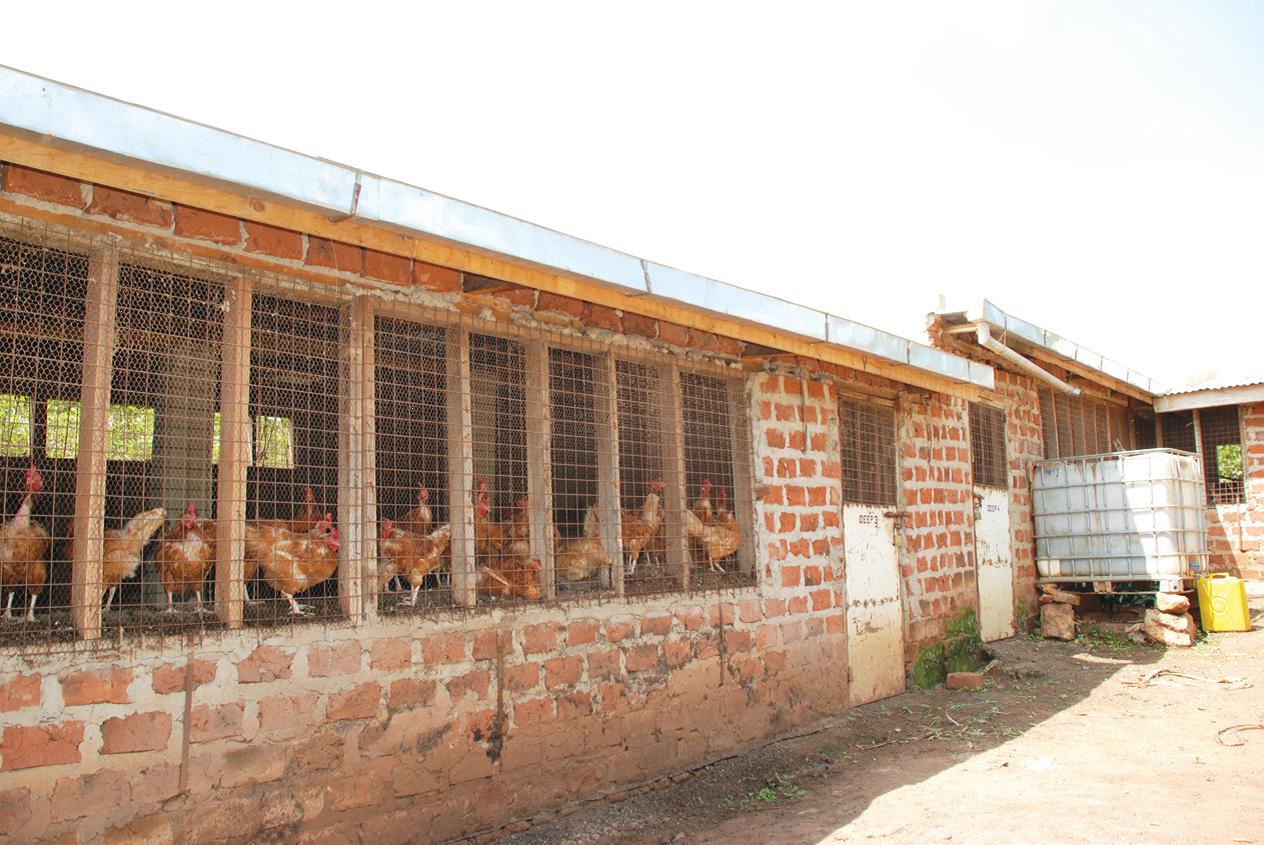
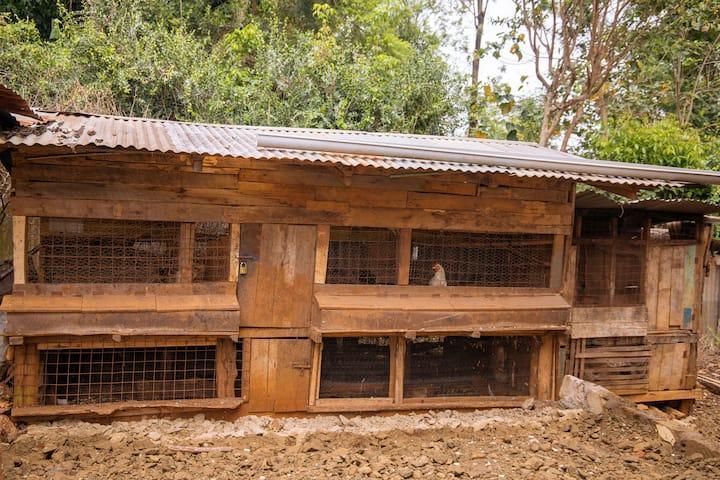
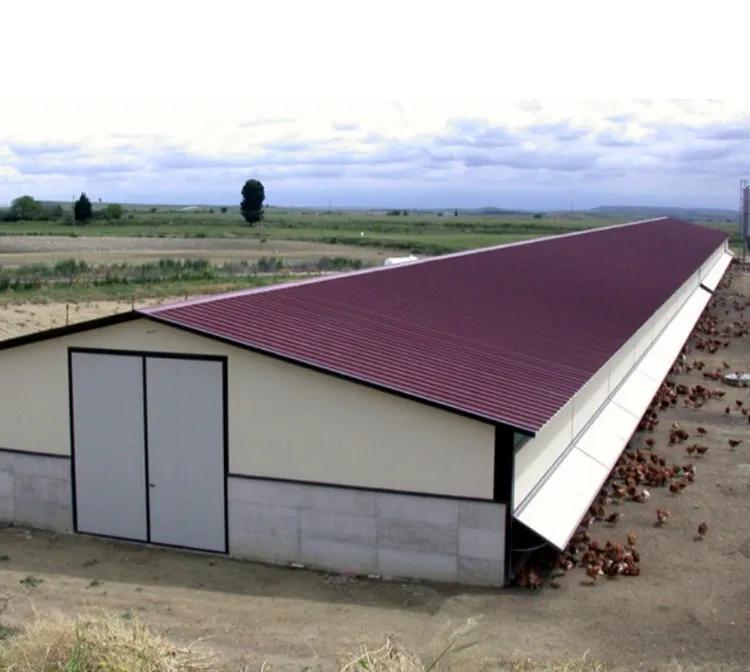
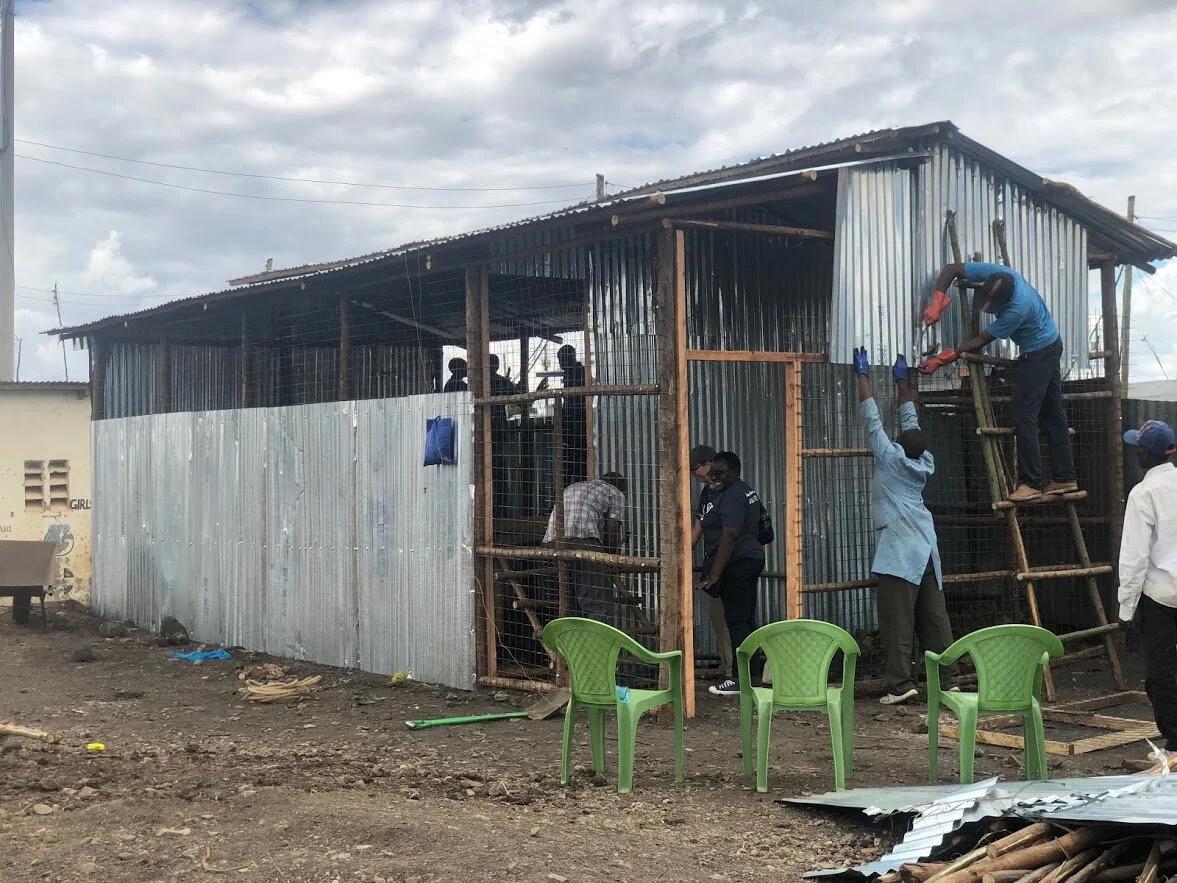
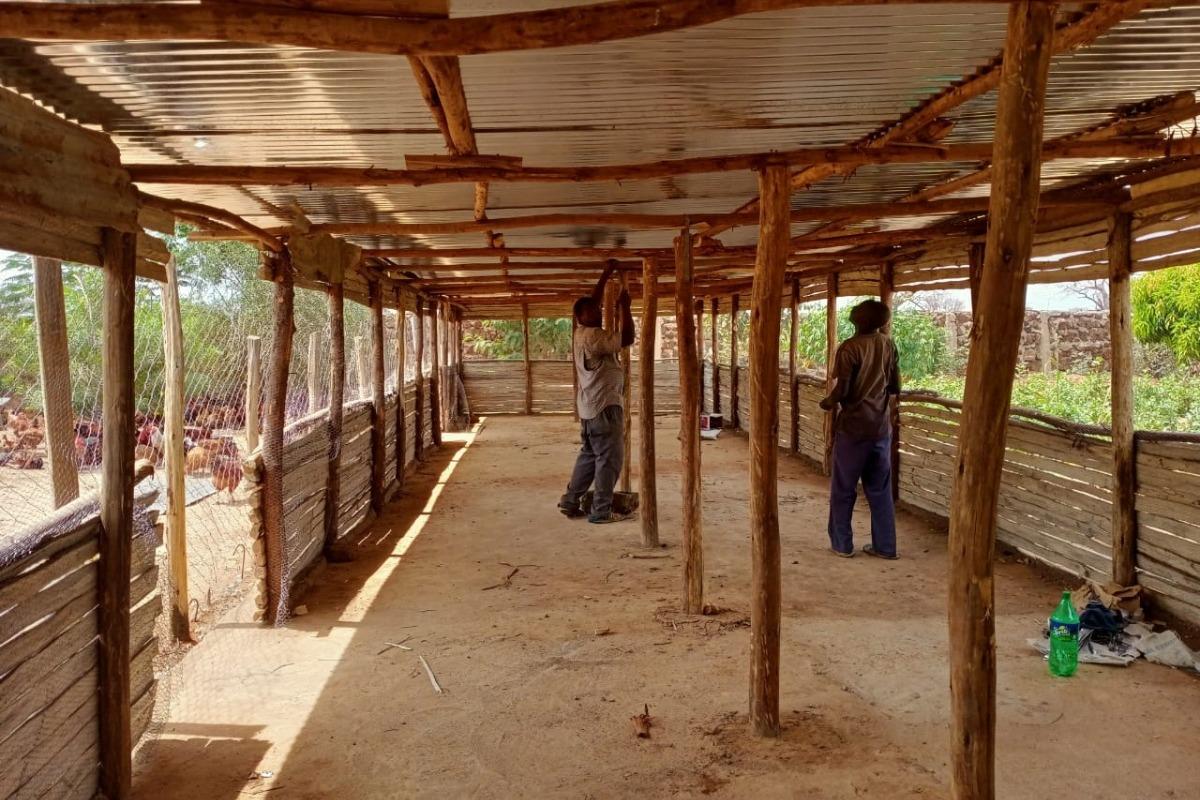
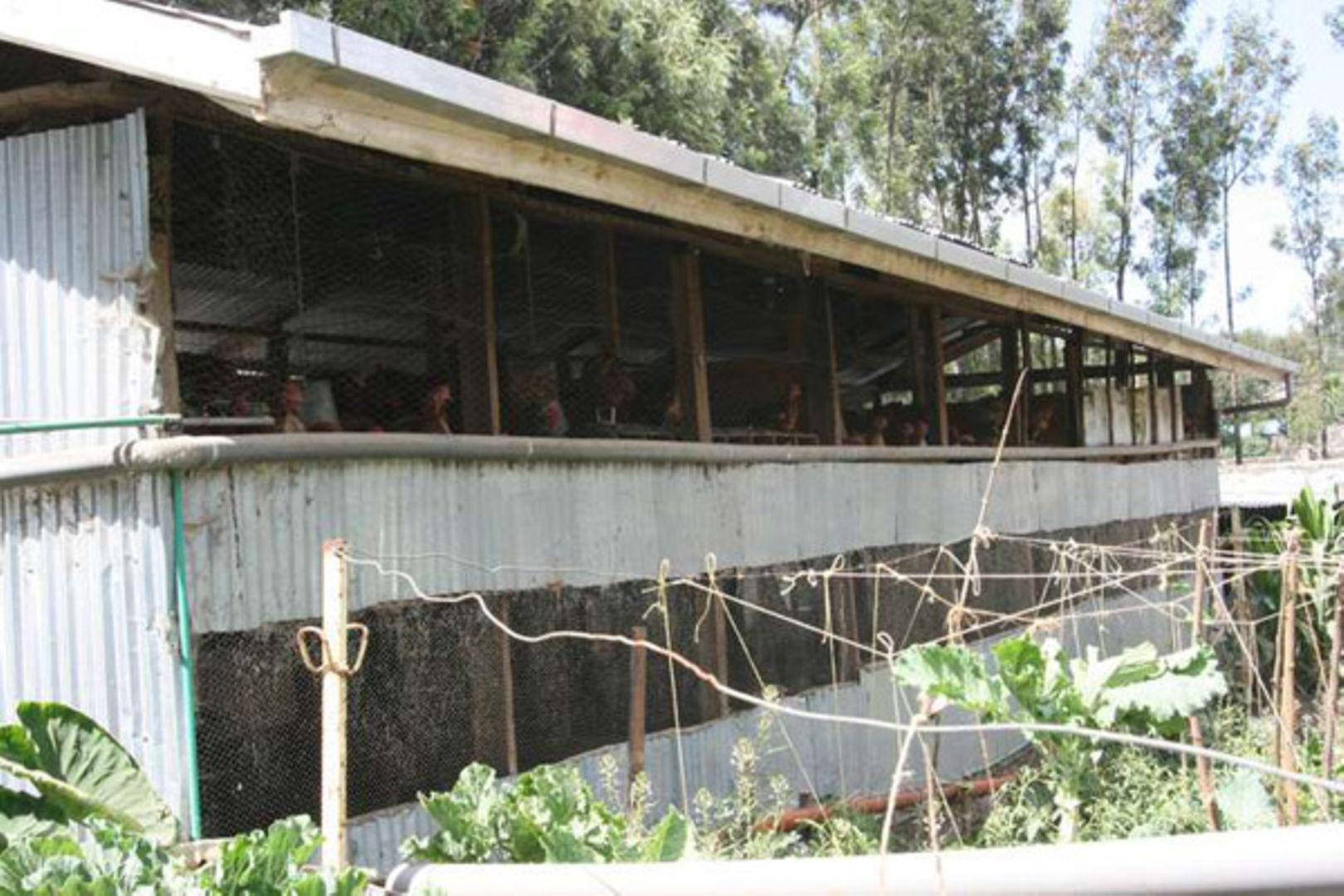
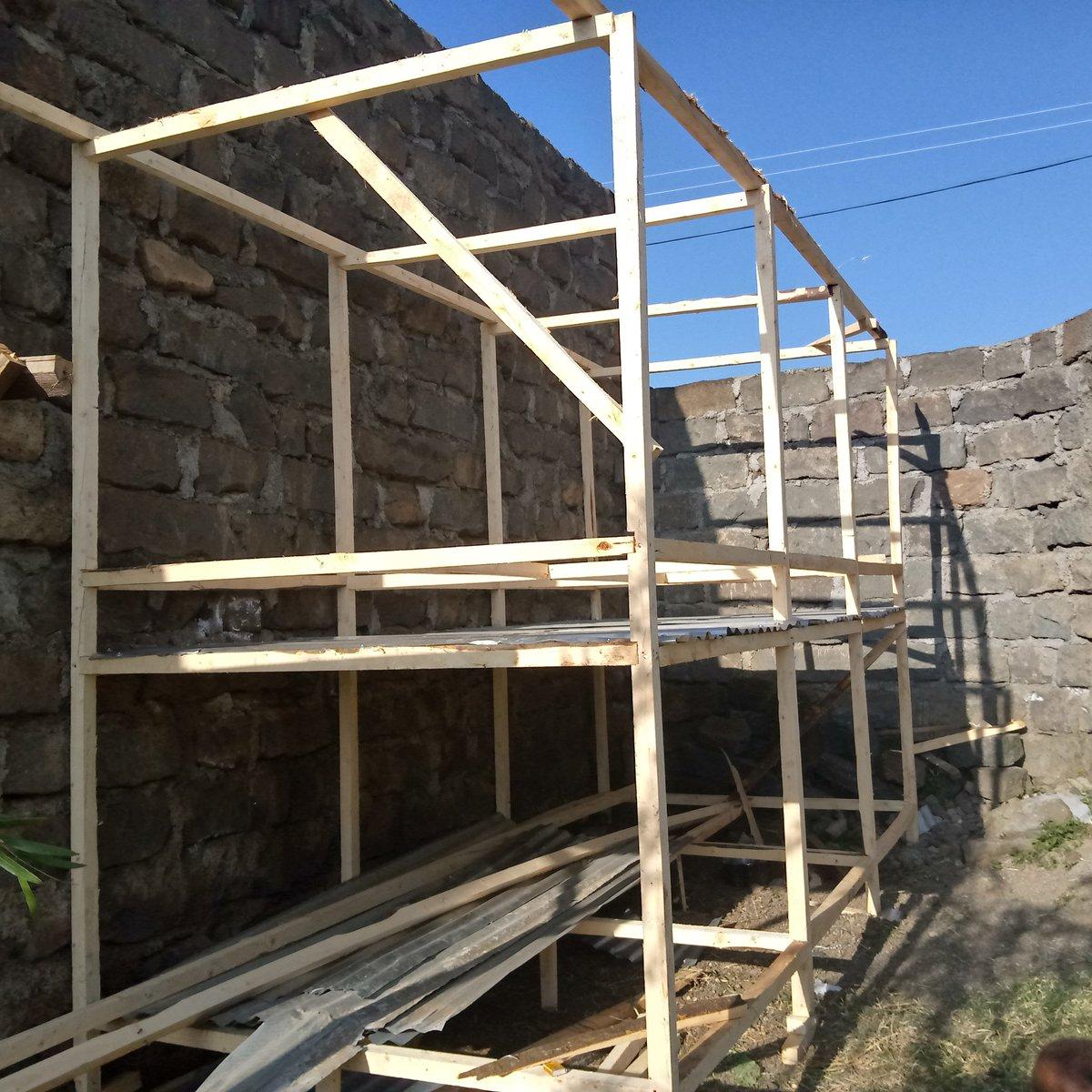
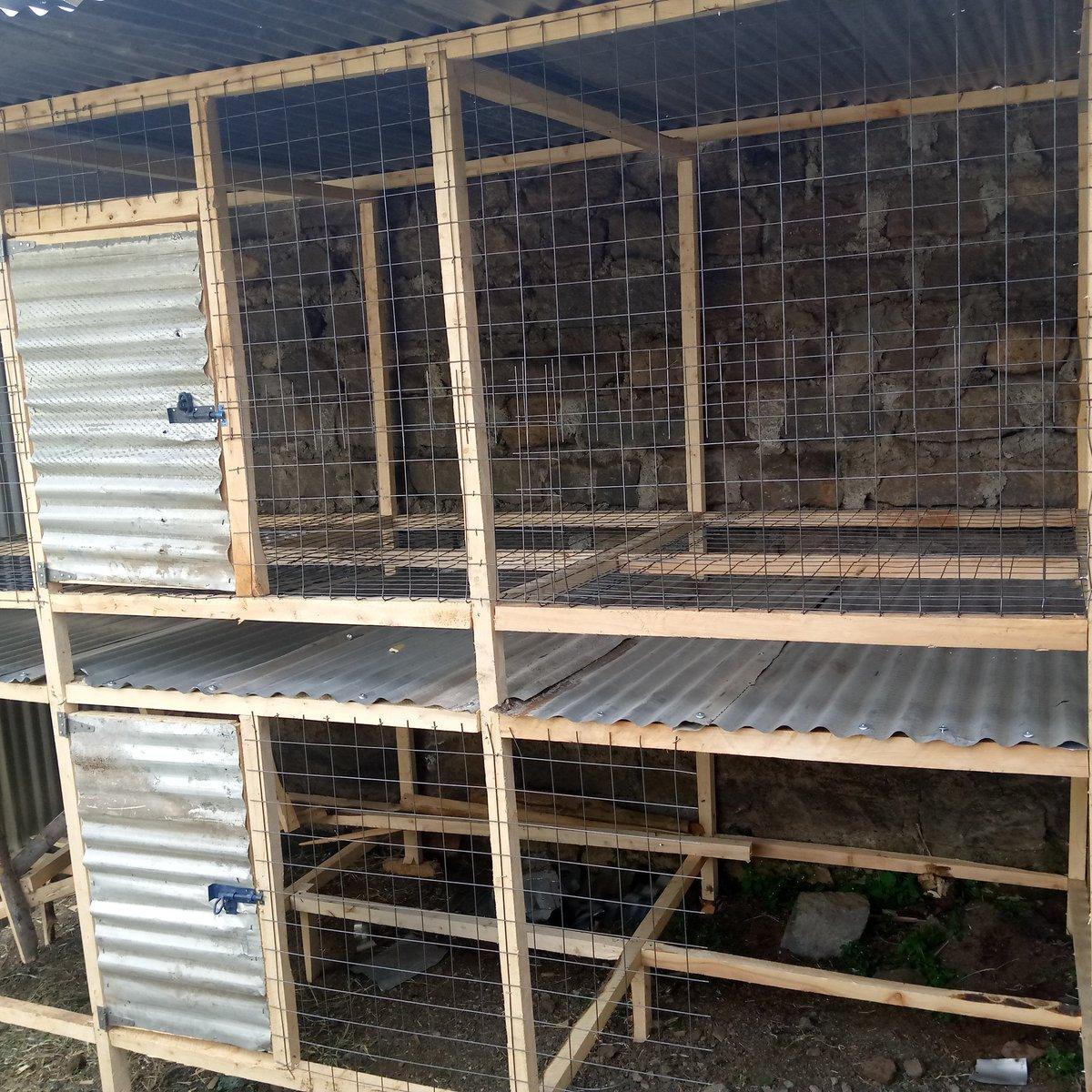
You can construct a poultry house using locally available materials, provided the structure is strong, safe, easy to clean and suitable for the local climate
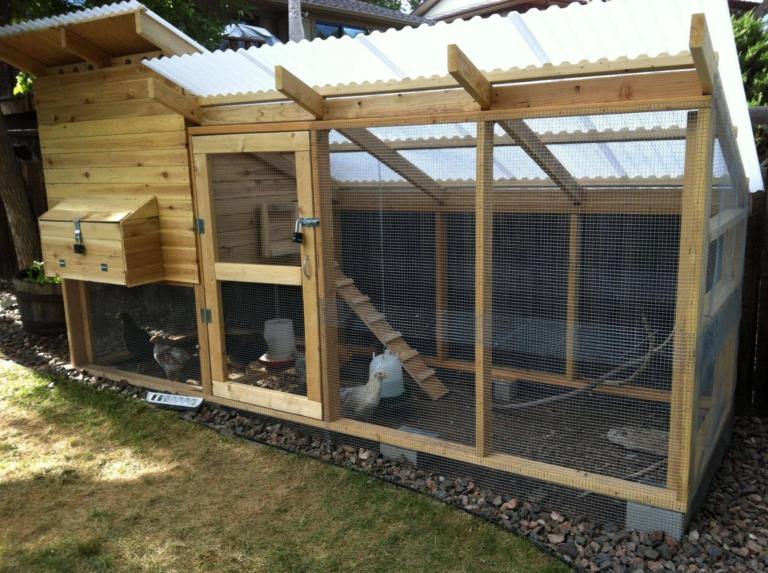
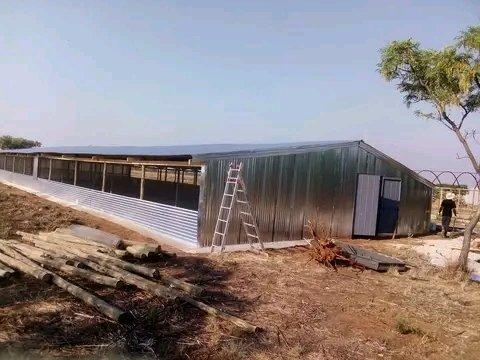
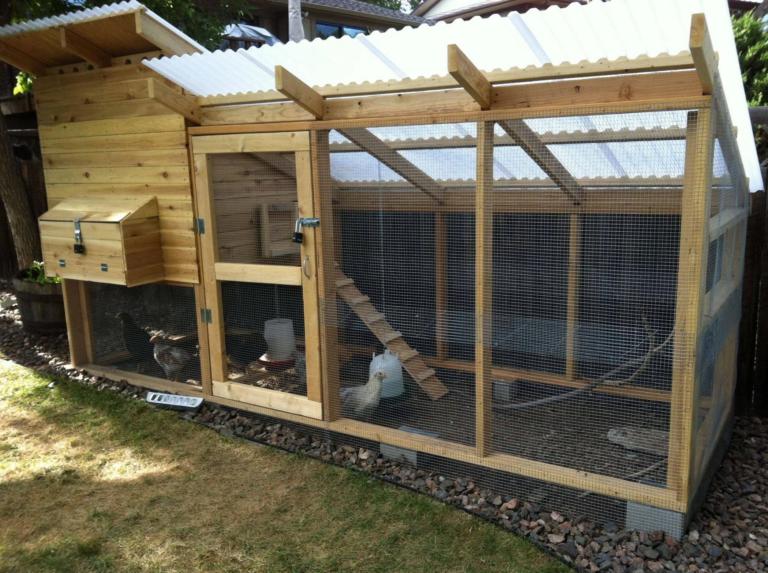
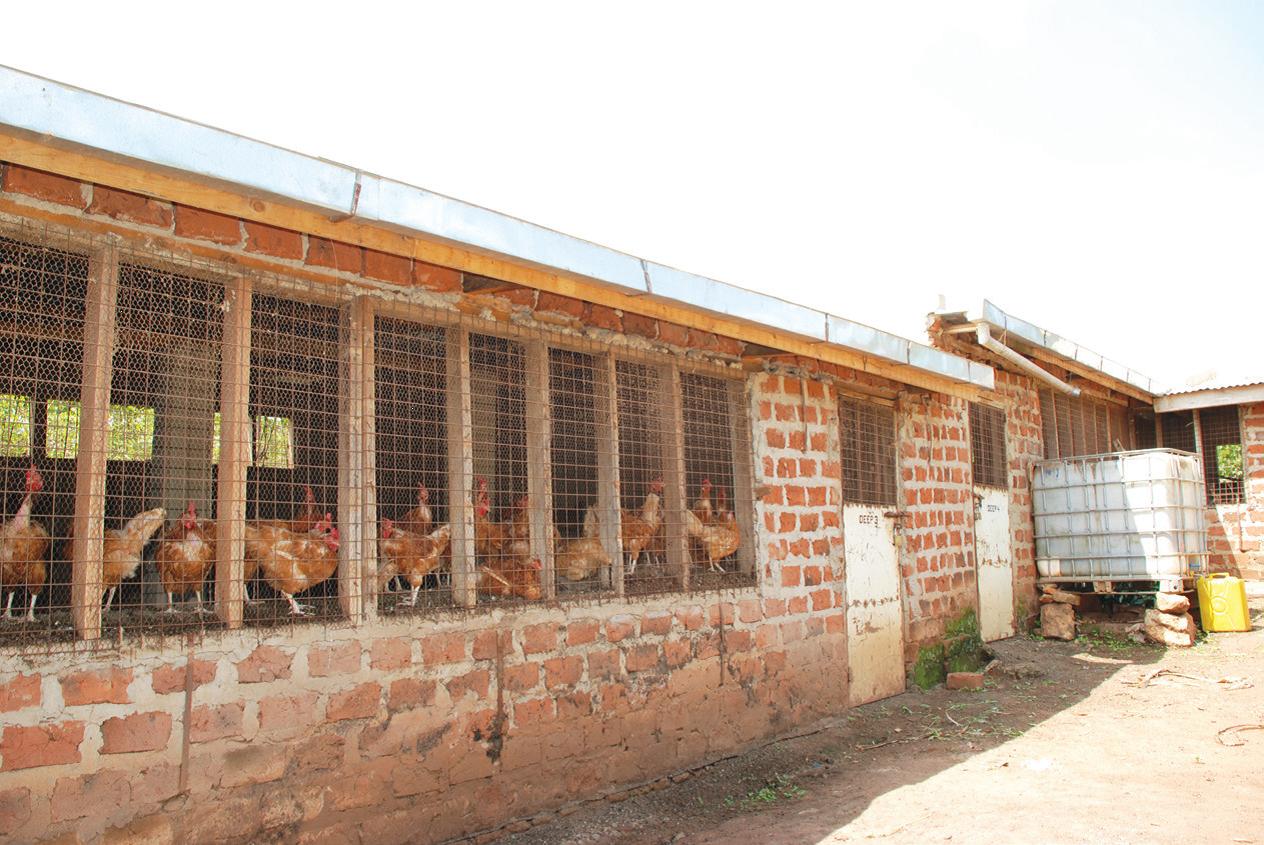
Timber
Timber is commonly used for poultry house frames and supporting structures.
Advantages include:
-
Easy to work with.
-
Available in different sizes.
-
Suitable for small and medium-sized poultry projects.
-
Can be combined with wire mesh and iron sheets.
Use treated, durable timber where appropriate and protect it from moisture and termites.
Concrete and cement
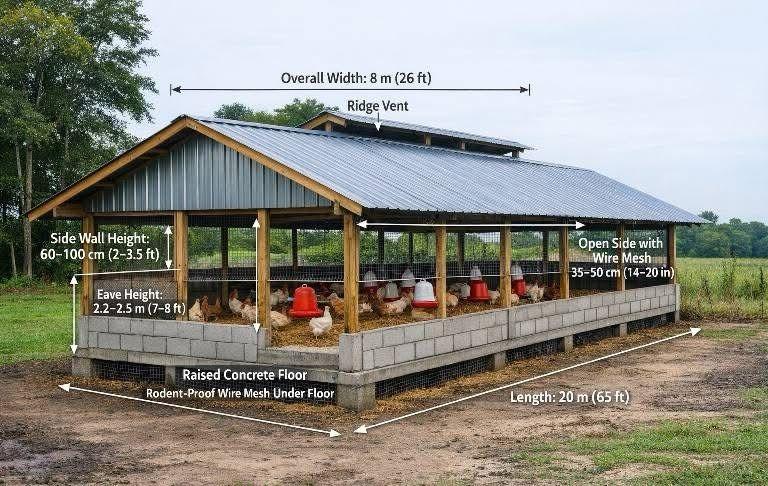
Concrete can be used for foundations, floor construction and low perimeter walls.
A properly constructed concrete floor makes cleaning easier and helps protect against rodents and predators.
The floor should be designed with suitable drainage and a surface that can be cleaned effectively.
Chicken wire mesh
Wire mesh is useful for ventilation openings and protection around poultry houses.
Choose durable mesh with openings appropriate for the age and size of birds. Smaller openings may be needed to prevent young chicks or predators from passing through.
Roofing materials
Common roofing materials include:
-
Corrugated iron sheets.
-
Roofing tiles.
-
Suitable insulated roofing systems.
The roof should protect birds from rain and direct sunlight. In hot areas, additional insulation or a suitable ceiling may help reduce heat stress.
Floor bedding materials
Suitable bedding materials include wood shavings, chopped straw and other clean absorbent materials.
Avoid damp, mouldy or dusty materials that could compromise bird health.
4. How to Design a Good Poultry House
A good poultry house should provide sufficient space, fresh air, protection and easy access to feed and water.
Choose the right location
Select a site that is well drained and accessible throughout the year.
Avoid low-lying areas where rainwater collects. A poultry house should also be located away from unnecessary disturbance and potential sources of contamination.
Consider the direction of the poultry house
In many parts of Kenya, an east-west orientation of the longer axis is a useful starting point for reducing direct sunlight entering the side walls during the hottest parts of the day.
However, the final orientation should account for prevailing winds, local topography, shade and seasonal weather.
Provide good ventilation
Ventilation removes moisture, heat, dust and harmful gases from the poultry house.
Open-sided houses often use wire mesh along the upper wall sections to allow fresh air circulation.
In colder areas such as Limuru and parts of Kiambu, provide adjustable curtains or suitable wind protection without sealing the house completely.
Construct a suitable roof
The roof should have sufficient overhang to prevent rain from entering through the sides.
A suitable roof pitch also helps rainwater drain away efficiently.
Install proper drainage
The ground around the house should slope away from the building.
Prevent water from entering the poultry house and avoid leaving wet areas around drinkers.
Make cleaning easy
Design the poultry house so that litter can be removed, equipment washed and the entire building disinfected between flocks.
5. Poultry House Designs for Different Chicken Numbers
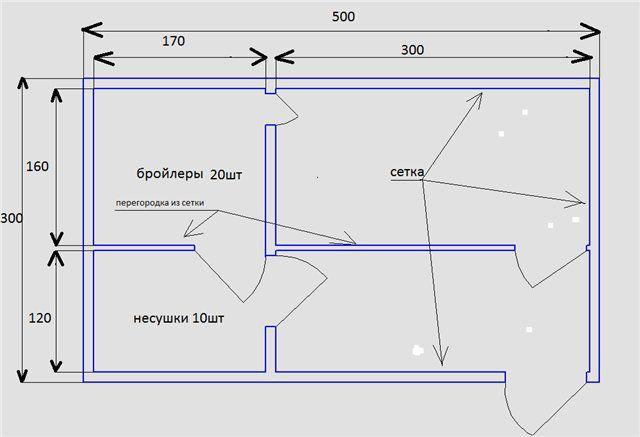
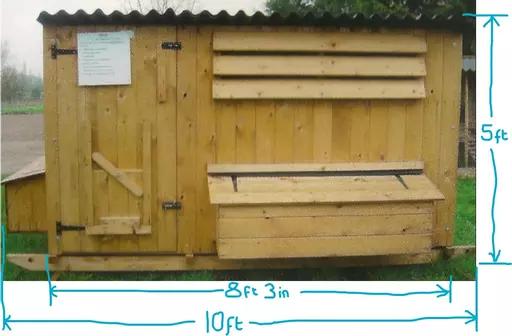
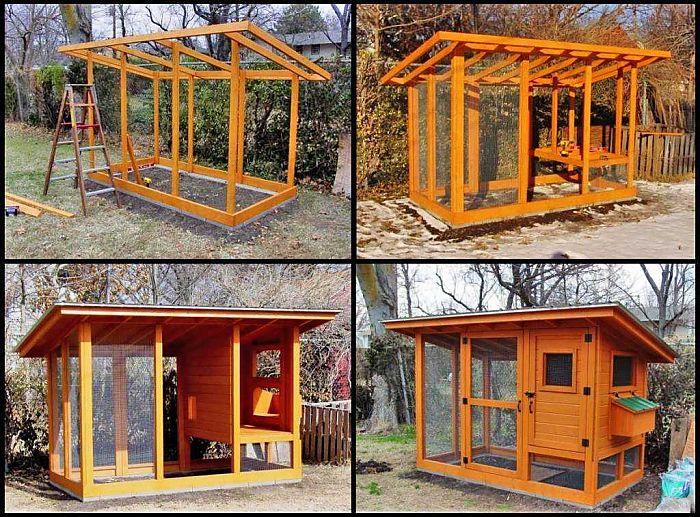
Your preferred flock size should determine the construction plan.

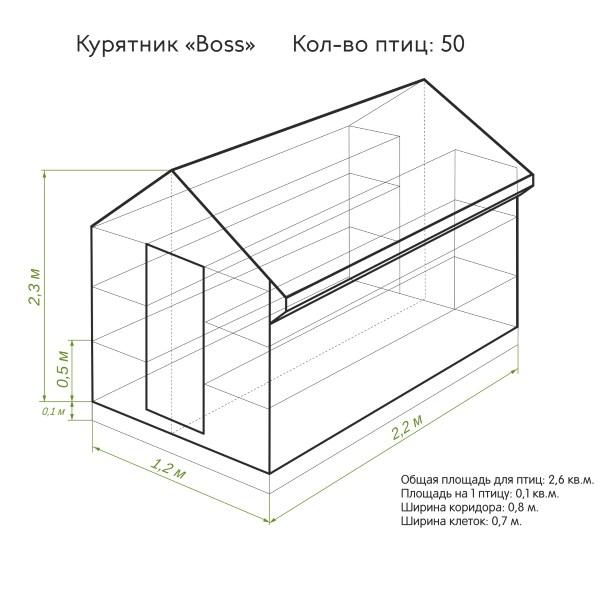
| Flock size | Example dimensions | Approximate floor area |
|---|---|---|
| 50 improved kienyeji | 10 × 13 ft | 130 sq ft |
| 100 improved kienyeji | 10 × 25 ft | 250 sq ft |
| 200 improved kienyeji | 20 × 25 ft | 500 sq ft |
| 500 improved kienyeji | 25 × 50 ft | 1,250 sq ft |
| 1,000 improved kienyeji | 50 × 50 ft | 2,500 sq ft |
These dimensions use approximately 2.5 square feet per bird. They are examples for preliminary planning, not certified building drawings. Allow additional room for service areas and adjust dimensions to the needs of your chosen production system.
For large projects, consult an experienced poultry housing designer or agricultural professional before construction.
for cages design reach us on
6. Poultry House Construction Costs in Kenya
The cost of constructing a poultry house in Kenya depends on the size, location, construction materials, labour and design.
A simple timber-and-wire-mesh structure may cost considerably less than a permanent building with concrete walls, a finished floor and a more sophisticated ventilation system.
The following items should be included in your budget:
| Construction item | What affects the cost |
|---|---|
| Site preparation | Land condition and clearing |
| Foundation | Soil condition and building size |
| Timber or steel frame | Material type and quantity |
| Walling | Timber, mesh, bricks or blocks |
| Roofing | Roofing material and roof size |
| Floor | Concrete, labour and finishing |
| Doors | Size, security and material |
| Ventilation | Mesh, curtains and openings |
| Labour | Local construction rates |
| Drainage | Ground slope and water management |
How to estimate your poultry house construction budget
Start by preparing a materials list based on your selected dimensions.
For example, when constructing a 10-by-25-foot house for approximately 100 improved kienyeji chickens, calculate:
-
The number and cost of timber or steel sections.
-
The quantity of wire mesh required.
-
The number of roofing sheets.
-
The cost of foundation and concrete flooring.
-
The number of doors and other fittings.
-
Labour and transport expenses.
-
Any additional ventilation and drainage work.
Add these expenses to establish your estimated construction budget.
Important: Construction prices change with location, material quality and market conditions. I recommend you read our article on cost for constructing poutry house, get to know rough estimates of diffrerent house design and measurement, before starting construction rather than relying on a fixed national price.
7. Poultry House Designs for Improved Kienyeji Chickens
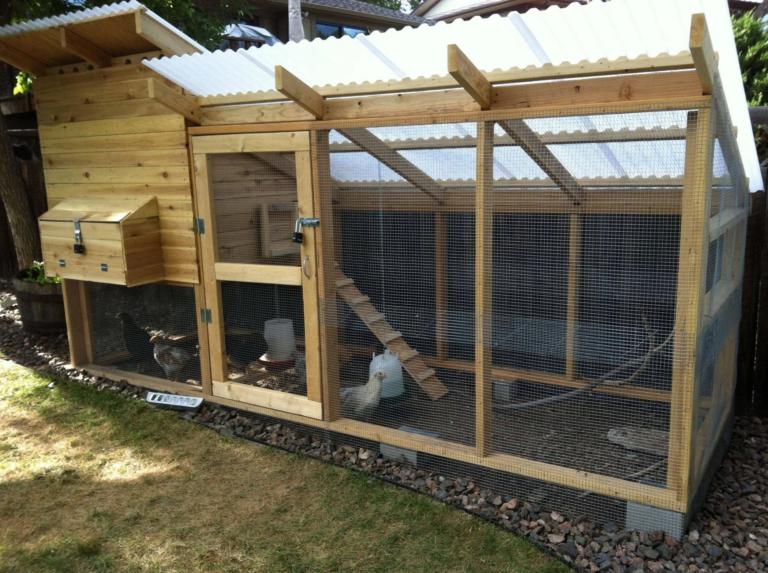
Improved kienyeji chickens require housing that protects them from predators, harsh weather and disease while allowing sufficient movement.
A good improved kienyeji poultry house should include:
-
A secure sleeping and resting area.
-
Adequate ventilation.
-
Suitable feeders and drinkers.
-
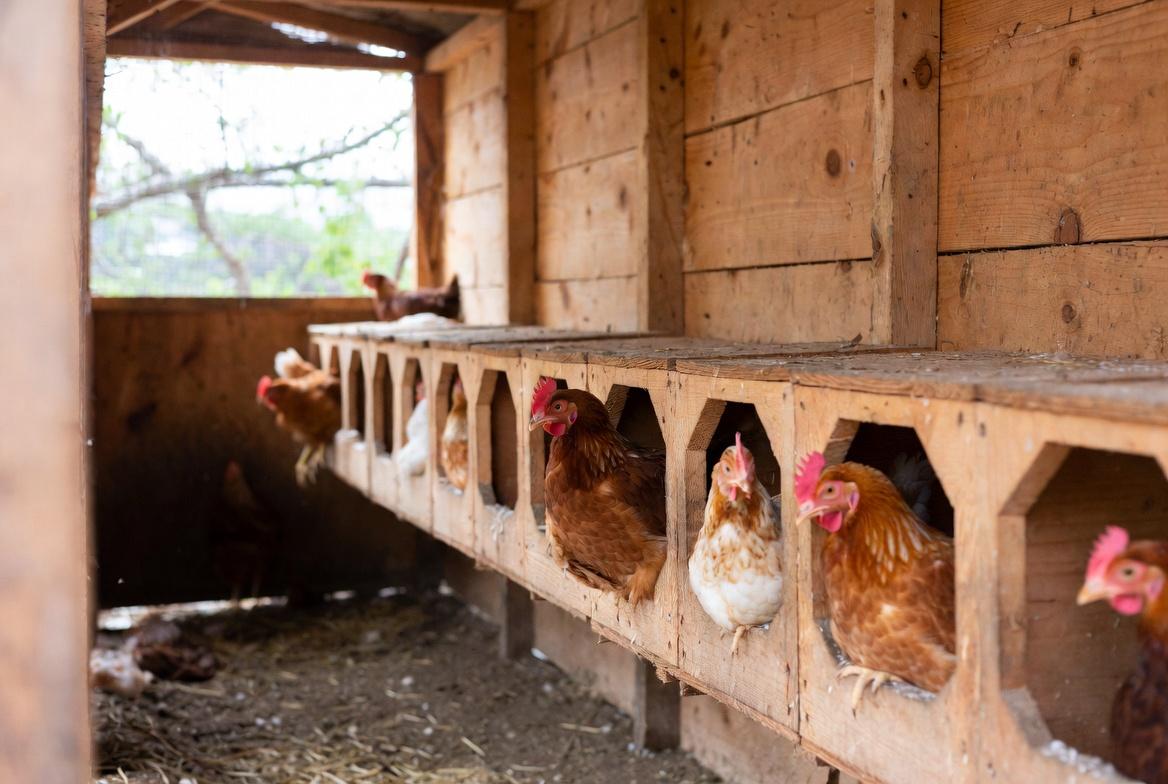
Nesting boxes for laying hens.
-
Perches where appropriate.
-
An outdoor run if using a semi-intensive system.
-
A suitable brooding area for young chicks.
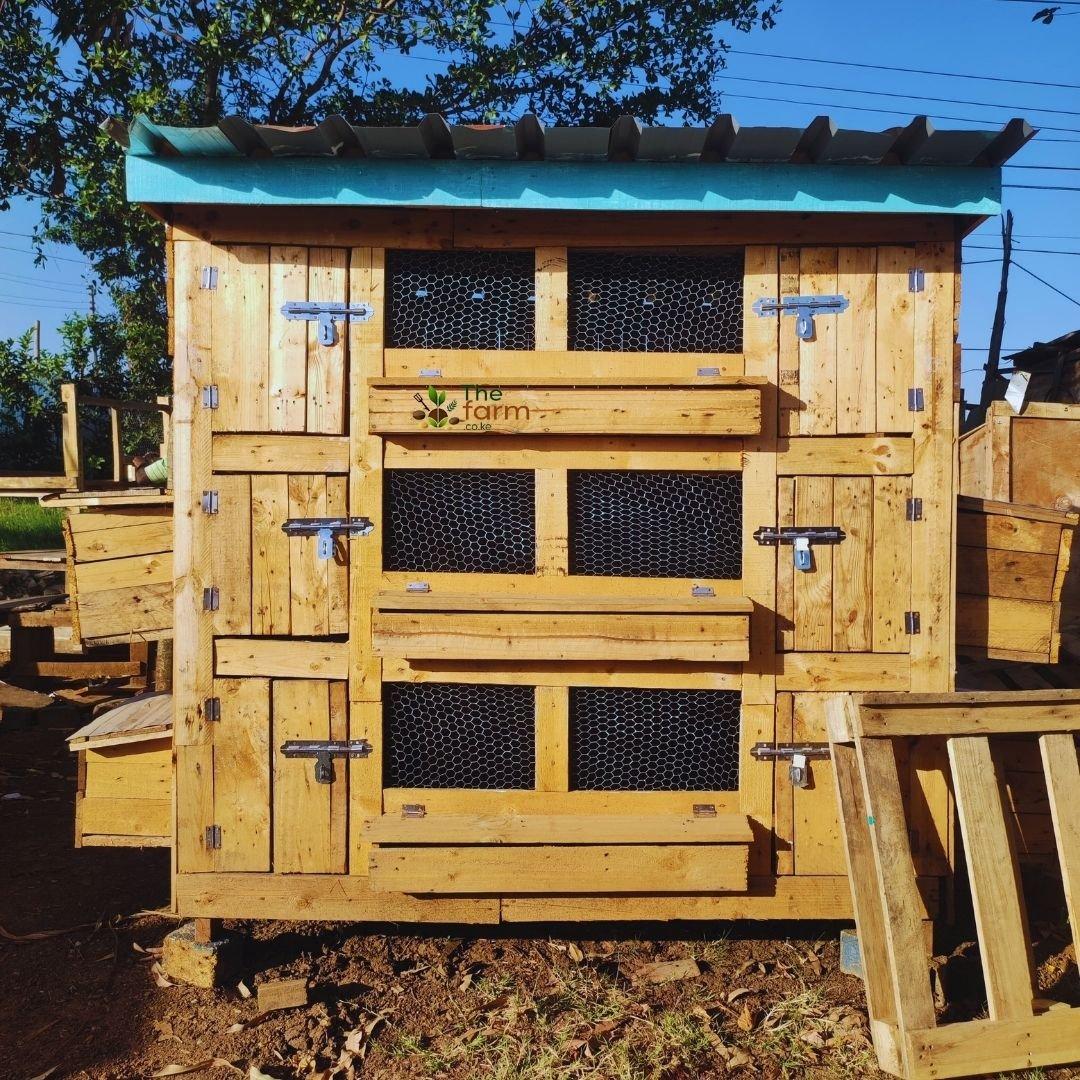
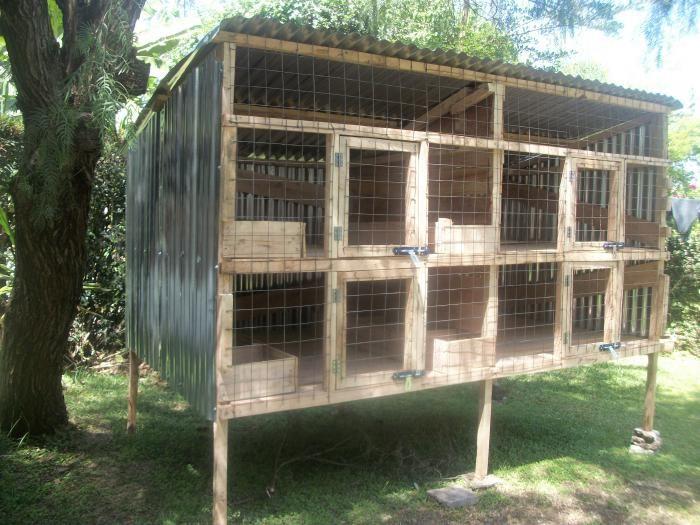
for cages consruction reach us on:
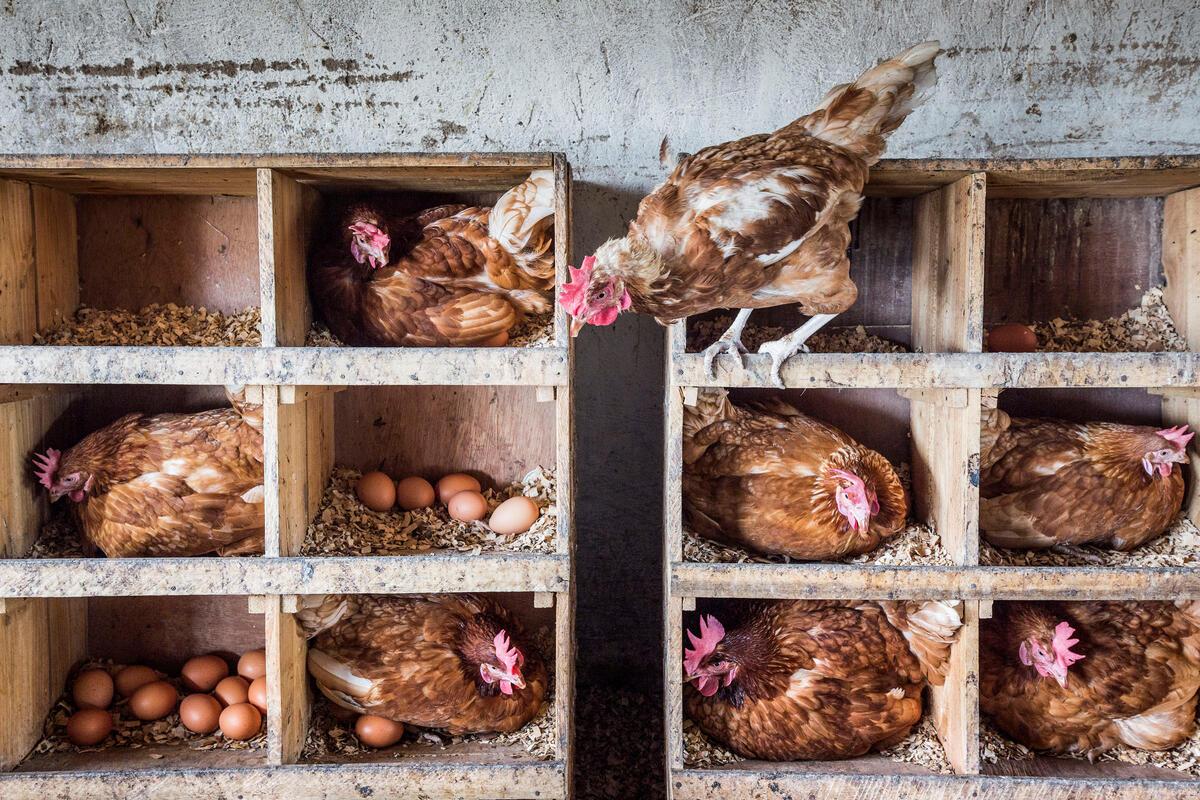
Farmers raising chickens for egg production should provide suitable nesting boxes.
Nesting boxes should be:
-
Located in a quiet part of the poultry house.
-
Easy to access and clean.
-
Filled with clean, dry nesting material.
-
Protected from excessive disturbance.
A common starting arrangement is one nesting box for every four to five laying hens, adjusted according to flock behaviour and management.
Perches
Perches allow chickens to rest above the floor. They should be strong, stable and designed to avoid overcrowding.
Provide sufficient perch space for the flock and ensure that the arrangement does not create excessive competition.
8. How to Prepare a Poultry House for Day-Old Chicks
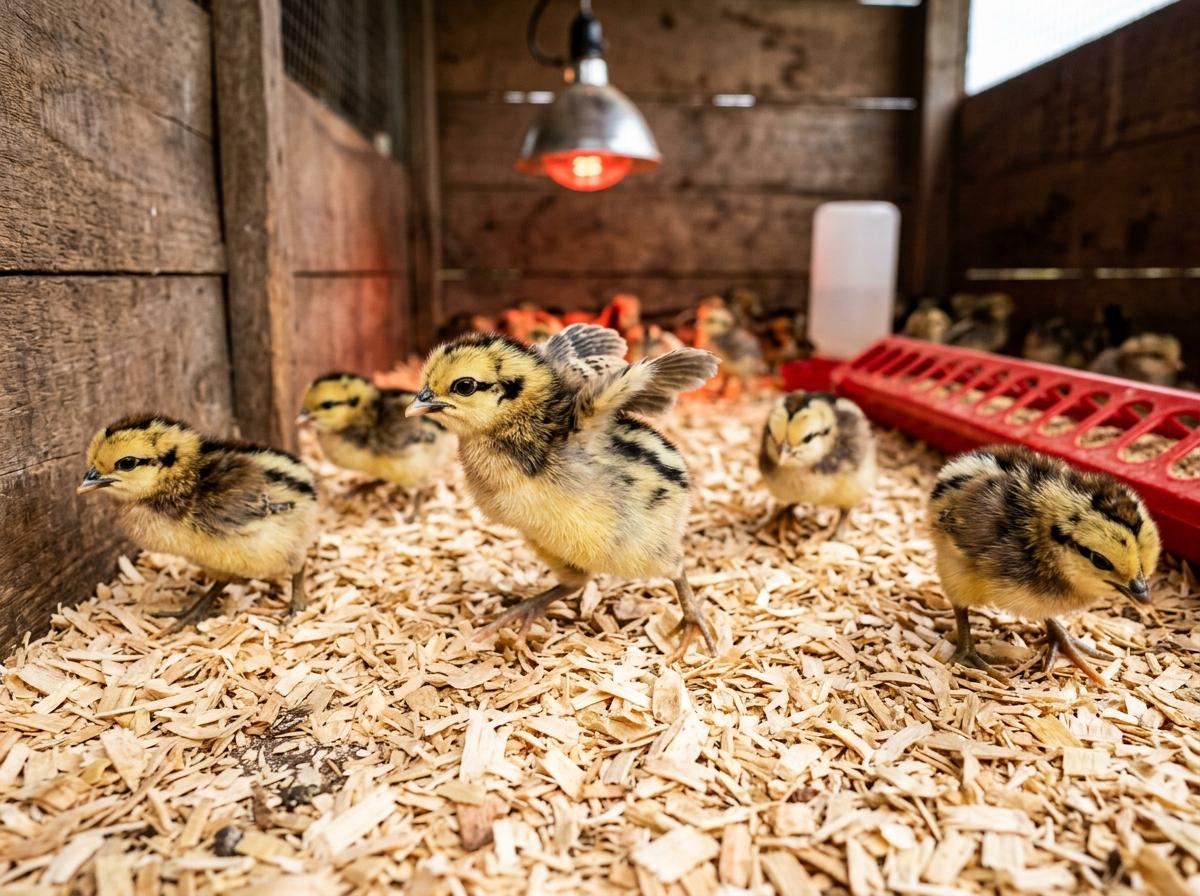
If you intend to purchase day-old chicks, you must prepare a brooding area before they arrive.
Newly hatched chicks require additional warmth because they cannot regulate their body temperature effectively.
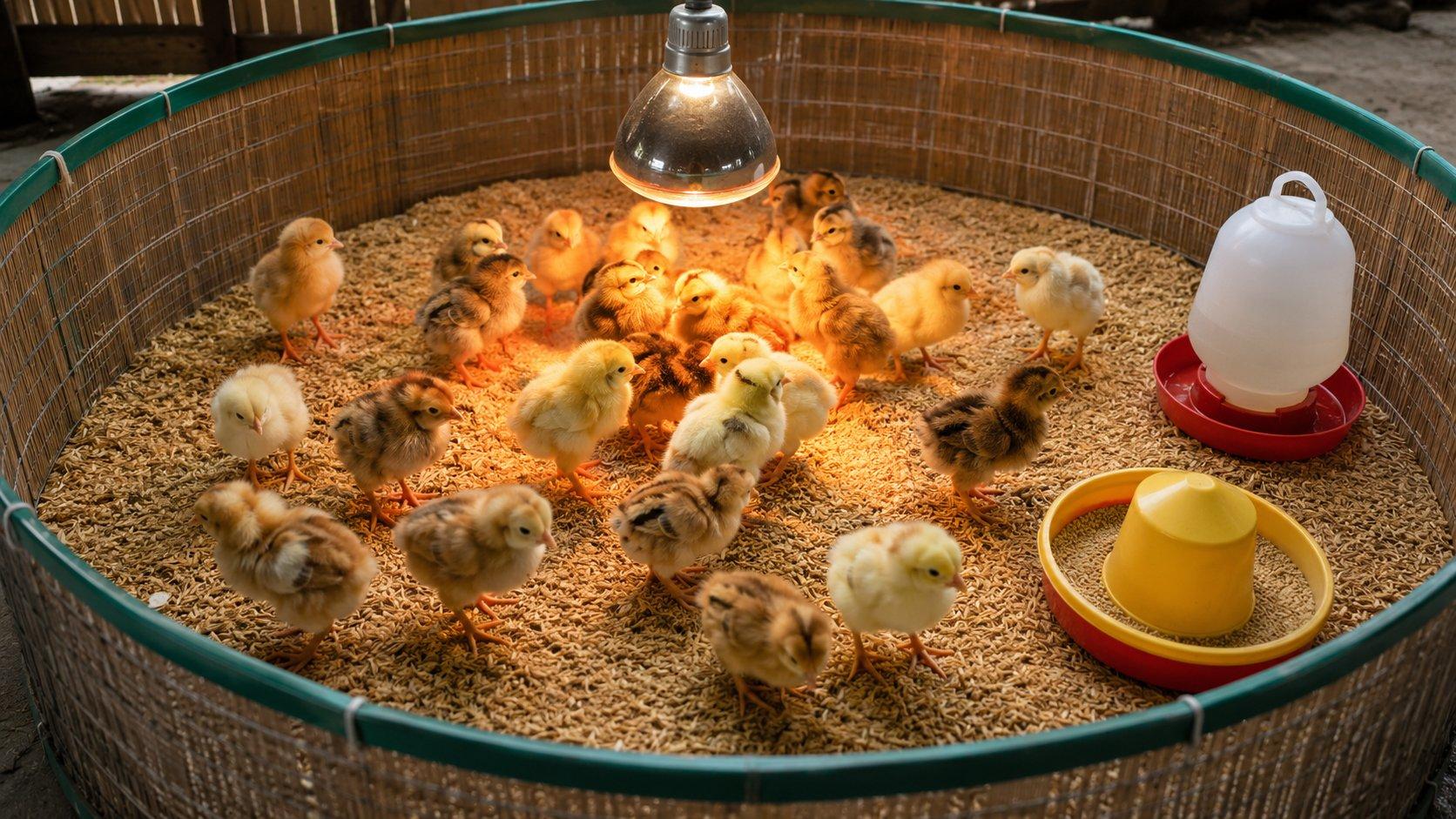
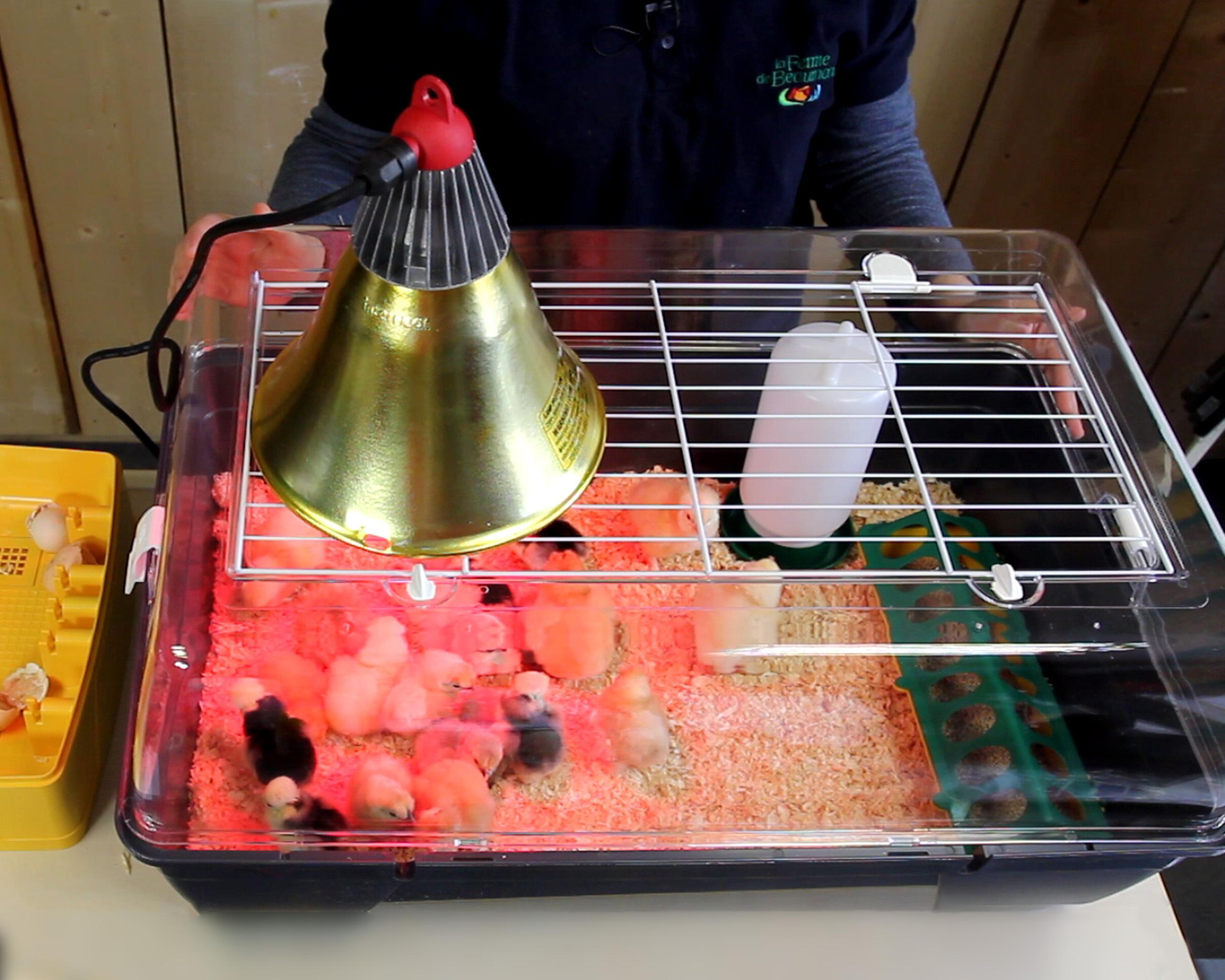
Important brooding preparations include:
-
Clean and disinfect the brooder.
-
Install a suitable heating source.
-
Place a thermometer at chick level.
-
Provide clean, dry bedding.
-
Arrange chick feeders and drinkers.
-
Prepare suitable chick starter feed.
-
Check that the brooder maintains appropriate temperatures.
For many brooding systems, the starting temperature is approximately 32–35°C in the warm area at chick level, but follow the requirements of the particular strain and monitor chick behaviour.
If you are looking for young chickens, visit our one-day-old chicks in Nairobi page to enquire about ordering.
9. Common Poultry House Construction Mistakes to Avoid
A poorly designed poultry house can create problems that affect chicken growth, health and production.
Avoid these mistakes when constructing your poultry house:
1. Poor ventilation
Insufficient ventilation causes moisture, heat and harmful gases to accumulate. Provide enough openings for fresh air circulation.
2. Overcrowding
Keeping too many chickens in a small space increases competition for feed and water and makes litter management difficult.
3. Poor drainage
Rainwater entering the poultry house can make bedding wet and create an unhealthy environment.
4. Using unsuitable roofing materials
A poorly designed roof may expose chickens to excessive heat, rain and cold.
5. Failing to protect the poultry house
Predators and rodents can attack chickens, contaminate feed and spread diseases. Install appropriate fencing and secure openings.
6. Constructing without a budget
Starting construction without calculating the required materials and labour can result in unfinished buildings and unexpected expenses.
7. Ignoring future expansion
If you intend to increase your flock, consider how additional housing could be constructed without compromising ventilation, hygiene and biosecurity.
10. Which Poultry House Design Is Best for Beginners in Kenya?
The best design depends on your available budget, land, chicken type and production objectives.
Here is a simple comparison:
| Housing design | Suitable farming situation |
|---|---|
| Deep litter | Small and medium-scale poultry farms |
| Free range | Farms with sufficient outdoor land |
| Semi-intensive | Controlled outdoor access |
| Intensive | Commercial poultry production |
For someone starting with 50–200 improved kienyeji chickens, I would generally recommend a properly ventilated deep litter house with a secure outdoor run if land is available.
It is relatively straightforward to manage, can be built using locally available materials and can be expanded as the business grows.
However, the final decision should consider local climate, bird welfare, available labour and the production system.
11. Poultry Farming Equipment You Need After Constructing the House
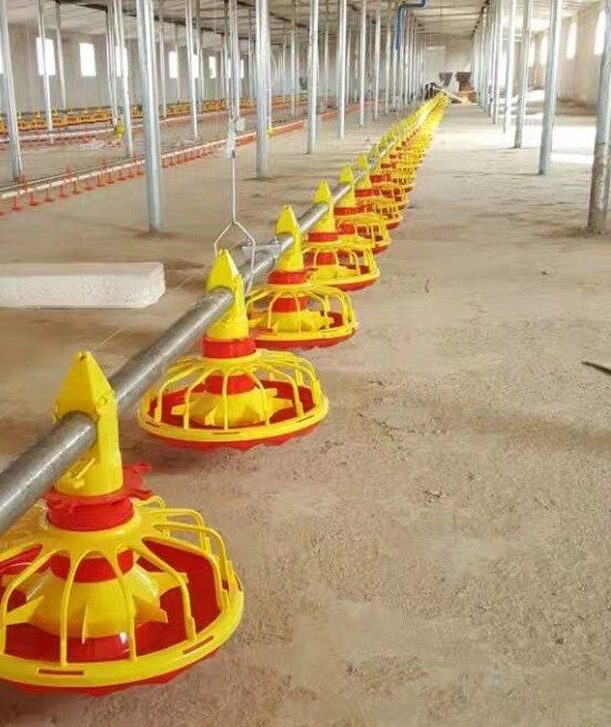
Building a poultry house is only the first step. You also need appropriate equipment to manage the chickens
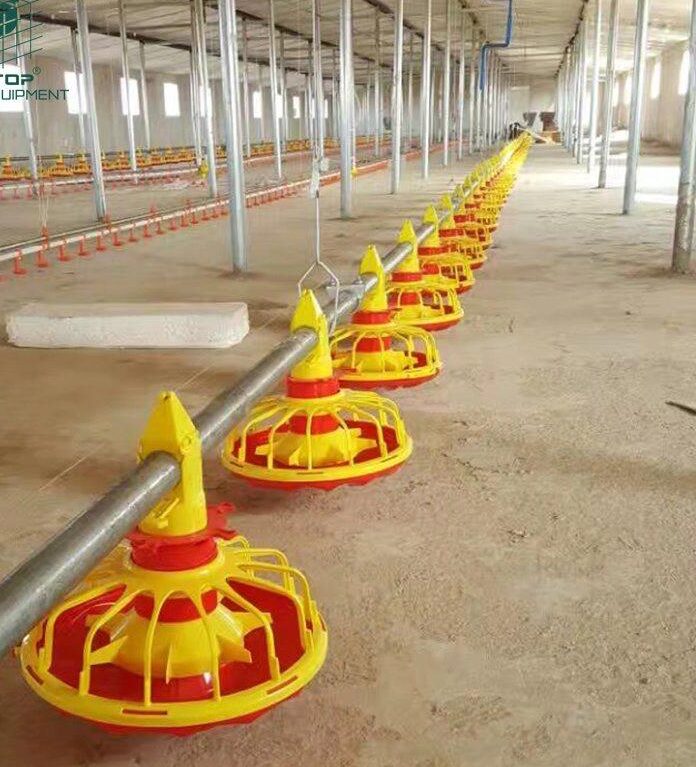

Essential poultry equipment includes:
| Equipment | Purpose |
|---|---|
| Feeders | Providing balanced chicken feed |
| Drinkers | Supplying clean drinking water |
| Brooder | Providing warmth for young chicks |
| Thermometer | Monitoring brooder temperature |
| Nesting boxes | Providing egg-laying spaces |
| Litter material | Maintaining a suitable floor environment |
| Cleaning equipment | Maintaining hygiene |
| Storage containers | Protecting poultry feed |
Buy equipment according to the size and age of your flock. Ensure that the number of feeders and drinkers is sufficient to prevent competition.
order here
12. How to Start a Poultry Farming Business After Building Your House
Once construction is complete, the next step is preparing to introduce your chickens.
Follow these steps:
Step 1: Identify your market.
Decide whether you want to sell eggs, mature chickens, meat birds or young chicks.
Step 2: Select your chicken breed.
Choose between improved kienyeji, broilers and layers according to your market and budget.
Step 3: Purchase healthy chicks.
Buy from a supplier who can explain the chicks’ age, strain and health history.
Step 4: Prepare feed and water.
Ensure that appropriate feed and clean water are available before introducing the birds.
Step 5: Establish a health management programme.
Work with a qualified poultry professional to establish vaccination, biosecurity and disease-monitoring practices.
Step 6: Maintain farm records.
Record purchases, feed consumption, mortality, treatments and sales.
Step 7: Monitor production and profitability.
Regularly evaluate your costs and sales to determine whether your poultry business is performing as expected.
For additional guidance, read our article on best poultry farming tips in Nairobi.
Frequently Asked Questions About Poultry House Designs in Kenya
1. What is the best poultry house design in Kenya?
A properly ventilated deep litter poultry house is a practical choice for many small and medium-scale farmers. The best design depends on chicken type, flock size, climate and available resources.
2. How big should a poultry house be for 100 chickens?
For 100 improved kienyeji chickens, approximately 250 square feet is a useful preliminary planning area using 2.5 square feet per bird. A 10-by-25-foot house provides this space.
3. How much does it cost to build a poultry house in Kenya?
Construction costs depend on size, materials, labour, location and design. Prepare a materials list and request local quotations before deciding on your budget.
4. Which roofing material is best for poultry houses?
Corrugated iron sheets are commonly used because they are widely available. However, appropriate roof insulation, ventilation and overhangs are important to control heat and prevent rain from entering.
5. Should a poultry house have windows?
Yes. Poultry houses need adequate ventilation. Openings covered with suitable wire mesh can allow fresh air while helping prevent predators from entering.
6. Which direction should a poultry house face in Kenya?
An east-west orientation of the longer axis is often a useful starting point for open-sided poultry houses. However, prevailing winds, rainfall, shade and local conditions should also guide the design.
7. How many chickens can fit in a 10-by-20-foot poultry house?
The house provides 200 square feet. At 2.5 square feet per improved kienyeji chicken, it can accommodate approximately 80 birds as a preliminary planning estimate.
8. Can I construct a poultry house using timber?
Yes. Timber can be used for the frame, doors and other structural components. Use durable treated timber and combine it with suitable flooring, roofing and protective mesh.
9. Is free-range poultry farming better than intensive farming?
Neither system is universally better. Free-range farming offers outdoor access, while intensive farming provides more control over the housing environment. Your decision should depend on land, management capacity, market and production objectives.
10. Can I keep improved kienyeji chickens in a deep litter system?
Yes. Improved kienyeji chickens can be raised in a deep litter system when the house provides adequate space, suitable ventilation, clean bedding, feeders and drinkers.
Get Healthy Chicks for Your New Poultry House
Have you completed your poultry house and are now looking for chickens to stock it?
Chickmasters Poultry and Hives Shop supplies poultry customers in Kiambu County and other areas. Contact us to enquire about improved kienyeji chicks, available ages, current prices and ordering arrangements.
Whether you want to start with 50, 100, 200 or more chickens, we encourage you to prepare your poultry house and feeding budget before placing your order.
Chickmasters Poultry and Hives Shop
Your poultry project starts with proper preparation and suitable chicks.
Order or enquire on WhatsApp Send SMSVisit chickbeefarming.co.ke
Conclusion
Choosing the right poultry house design in Kenya is essential for building a successful poultry farming business. A suitable house protects chickens, supports good ventilation, simplifies feeding and cleaning, and provides enough space for birds to grow.
Before constructing your poultry house, calculate the required measurements, compare building materials, establish your budget and select a housing system that matches your production goals.
Whether you are starting with 50 improved kienyeji chickens or planning a commercial poultry farm with 1,000 birds, proper planning can help reduce unnecessary expenses and improve flock management.
Contact Chickmasters Poultry and Hives Shop on 0119076723 to enquire about improved kienyeji chicks for your poultry project.