


How Many Eggs Do Improved Kienyeji Chickens Lay
How Many Eggs Do Improved Kienyeji Chickens Lay?
One of the most frequently asked questions by poultry farmers in Kenya is “How many eggs do improved kienyeji chickens lay?” Whether you are starting a small backyard flock or investing in commercial poultry farming, understanding the egg production potential of improved kienyeji chickens helps you estimate profitability, plan your breeding programme, and manage your flock more effectively.
Improved kienyeji chickens have become one of the most popular poultry breeds in Kenya because they combine the hardiness of indigenous chickens with significantly better egg production. Unlike ordinary local chickens that lay relatively few eggs each year, improved kienyeji hens have been selectively bred to produce more eggs while maintaining the excellent meat quality and adaptability that Kenyan consumers value.
Under proper management, a healthy improved kienyeji hen can produce between 180 and 280 eggs per year, depending on genetics, nutrition, housing, health management, and environmental conditions. While actual production varies from one flock to another, farmers who invest in quality chicks and good management consistently achieve better laying performance.
If you are planning to keep improved kienyeji chickens for egg production, starting with healthy birds is essential. Our KARI Improved Kienyeji Chickens for Sale in Kenya page explains the different chick ages available, pricing, and how to choose strong, vaccinated chicks. Farmers comparing breeds can also explore our Kuroiler Chicks for Sale in Kenya, which are known for excellent egg production, or our Sasso Chicks for Sale in Kenya if their primary goal is fast meat production.
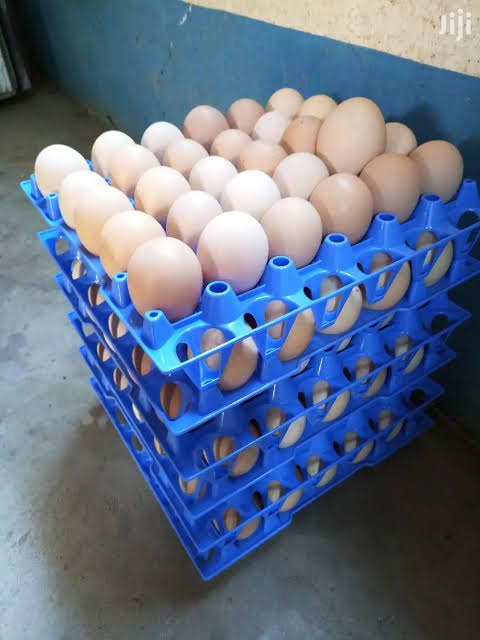
Average Egg Production of Improved Kienyeji Chickens
Egg production depends on many factors, but the table below provides a realistic guide for healthy hens raised under good management.
| Type of Chicken | Average Eggs Per Year |
|---|---|
| Ordinary Indigenous Chicken | 40–80 Eggs |
| Improved Kienyeji Chicken | 180–280 Eggs |
| Commercial Layer | 280–320+ Eggs |
Although commercial layers produce more eggs, improved kienyeji chickens remain highly profitable because their eggs often command higher market prices due to strong consumer preference for indigenous-type poultry products.
When Do Improved Kienyeji Chickens Start Laying Eggs?
Most improved kienyeji hens begin laying eggs between 20 and 24 weeks of age (approximately 5 to 6 months), provided they receive:
- Balanced nutrition.
- Clean drinking water.
- Proper housing.
- Correct vaccination.
- Good flock management.
- Adequate lighting.
Some birds may begin laying slightly earlier or later depending on genetics and environmental conditions.
Factors That Affect Egg Production
Not every flock produces the same number of eggs. Several factors influence how many eggs an improved kienyeji hen lays.
1. Genetics
The quality of your breeding stock has a direct impact on egg production. Purchasing healthy chicks from a reputable supplier improves your chances of raising productive laying hens.
2. Nutrition
A hen cannot produce eggs consistently without proper nutrition.
Important nutrients include:
- Protein.
- Calcium.
- Phosphorus.
- Vitamins.
- Minerals.
- Clean drinking water.
Poor feeding is one of the leading causes of reduced egg production.
3. Housing
A clean, well-ventilated poultry house reduces stress and disease while encouraging hens to lay consistently.
Good housing should provide:
- Adequate nesting space.
- Proper ventilation.
- Dry litter.
- Predator protection.
- Enough feeding and drinking space.
4. Health Management
Healthy birds produce more eggs.
Farmers should follow recommended vaccination programmes and maintain strict biosecurity to reduce disease outbreaks that can interrupt laying.
5. Stress
Stress significantly reduces egg production.
Common causes include:
- Overcrowding.
- Sudden feed changes.
- Predator attacks.
- Poor ventilation.
- Frequent handling.
- Lack of clean water.
Reducing stress helps maintain consistent laying throughout the production cycle.
Feeding for Maximum Egg Production
Nutrition plays the biggest role in determining laying performance.
Recommended Feeding Programme
| Bird Age | Feed |
|---|---|
| Day Old – 8 Weeks | Chick Mash |
| 9–18 Weeks | Growers Mash |
| 18 Weeks and Above | Layers Mash |
Good quality layers mash supplies the nutrients required for:
- Egg formation.
- Strong eggshells.
- Continuous laying.
- Healthy body condition.
Fresh water should always be available because even short periods without water can reduce egg production.
Signs That Your Improved Kienyeji Hens Are Ready to Lay
Farmers can identify hens approaching laying age by observing several physical and behavioural changes.
Common signs include:
- Bright red combs and wattles.
- Increased body size.
- Frequent visits to nesting areas.
- Squatting behaviour.
- Increased feed and water intake.
- Active and healthy appearance.
Recognizing these signs helps farmers prepare nesting boxes and transition birds fully onto layers feed.
Why Improved Kienyeji Eggs Are Popular in Kenya
Improved kienyeji eggs continue to attract strong demand because many consumers believe they offer superior taste and quality compared to ordinary commercial eggs.
These eggs are widely preferred by:
- Households.
- Hotels.
- Restaurants.
- Organic food markets.
- Local grocery shops.
- Farmers purchasing fertile eggs for breeding.
Their premium market value makes improved kienyeji chickens an excellent investment for farmers targeting both egg and meat production.
How to Increase Egg Production in Improved Kienyeji Chickens
Every poultry farmer wants hens that lay consistently throughout the year. While genetics determine the bird’s potential, proper management is what allows that potential to be achieved.
The following practices can significantly improve egg production.
1. Feed a Balanced Layers Diet
Once hens reach laying age, they should be switched to a high-quality layers mash that contains adequate protein, calcium, phosphorus, vitamins, and minerals.
A good laying diet helps:
- Increase egg numbers.
- Improve egg size.
- Produce stronger eggshells.
- Maintain healthy hens.
- Extend the laying period.
Avoid changing feeds frequently because sudden dietary changes may reduce production.
2. Provide Clean Water at All Times
Water is just as important as feed.
Since an egg contains a high percentage of water, hens that do not have constant access to clean drinking water will quickly reduce or stop laying.
Always:
- Wash drinkers daily.
- Replace dirty water.
- Keep water cool during hot weather.
- Ensure every bird has easy access.
3. Reduce Stress
Stress is one of the biggest causes of declining egg production.
Common stress factors include:
- Overcrowding.
- Predator attacks.
- Poor ventilation.
- Sudden feed changes.
- Rough handling.
- Loud noises.
- Poor lighting.
- Transportation.
Maintaining a calm environment allows hens to focus their energy on egg production rather than coping with stress.
4. Maintain Good Biosecurity
Healthy hens produce more eggs.
Strong biosecurity helps prevent diseases that reduce laying performance.
Good biosecurity practices include:
- Restricting unnecessary visitors.
- Cleaning poultry houses regularly.
- Disinfecting equipment.
- Isolating sick birds.
- Controlling rodents and wild birds.
- Following vaccination schedules.
Disease prevention is always more affordable than treatment.
5. Provide Comfortable Nesting Boxes
Hens prefer clean, quiet, and secure nesting areas.
Well-designed nesting boxes help:
- Reduce broken eggs.
- Keep eggs clean.
- Encourage regular laying.
- Make egg collection easier.
Provide enough nesting space to prevent competition among hens.
Egg Production Timeline
Understanding the laying cycle helps farmers plan feeding, breeding, and marketing.
| Bird Age | Expected Stage |
|---|---|
| Day Old – 8 Weeks | Chick development |
| 9–18 Weeks | Growing stage |
| 20–24 Weeks | First eggs begin |
| 6–18 Months | Peak egg production |
| After 18 Months | Gradual decline in laying |
Most hens achieve their highest production during the first year of laying before output gradually decreases with age.
How Long Do Improved Kienyeji Chickens Continue Laying?
Improved kienyeji hens can continue laying eggs for several years, although production naturally declines as they age.
Most farmers keep laying hens during their most productive period before replacing them with younger birds to maintain consistent egg output.
Good nutrition, disease control, and proper management can help extend the productive life of your flock.
Common Reasons Egg Production Drops
If your hens suddenly stop laying, investigate the possible causes.
The most common reasons include:
Poor Nutrition
Insufficient protein, calcium, or energy reduces egg production.
Disease
Illness often causes hens to stop laying until they recover.
Parasites
Internal worms and external parasites weaken birds and reduce productivity.
Heat Stress
High temperatures reduce feed intake, leading to lower egg production.
Molting
During feather replacement, hens naturally lay fewer eggs.
Old Age
Older hens gradually produce fewer eggs than younger birds.
Identifying and correcting these issues quickly helps restore production.
Is Improved Kienyeji Egg Farming Profitable?
Yes. Improved kienyeji egg production is one of the most profitable poultry enterprises in Kenya.
Farmers benefit from:
- Premium egg prices.
- Strong market demand.
- Good meat value after laying.
- Lower management costs than commercial layers.
- Adaptability to different production systems.
Many consumers willingly pay more for improved kienyeji eggs because they associate them with better taste and natural production systems.
Frequently Asked Questions
How many eggs does an improved kienyeji chicken lay each year?
Under good management, a healthy improved kienyeji hen can produce approximately 180–280 eggs per year, although actual production depends on genetics, feeding, health, and management.
At what age do improved kienyeji chickens start laying?
Most hens begin laying between 20 and 24 weeks of age when provided with balanced nutrition and proper care.
Which feed is best for egg production?
A quality layers mash formulated with adequate protein, calcium, and essential nutrients supports strong egg production and good shell quality.
Are improved kienyeji chickens better than ordinary local chickens for eggs?
Yes. Improved kienyeji chickens generally produce significantly more eggs while retaining the hardiness and meat quality of indigenous birds.
Which breed lays more eggs: Improved Kienyeji, Kuroiler, or Sasso?
Each breed serves different farming goals:
- Improved Kienyeji offers excellent egg production together with premium meat quality.
- Kuroiler is a high-performing dual-purpose breed known for both meat and egg production.
- Sasso is primarily bred for fast growth and meat production, although hens also produce a good number of eggs.
Choose the breed that best matches your production objectives and target market.
Why Buy Improved Kienyeji Chicks from Chickbee Farming?
At Chickbee Farming, we supply healthy, vaccinated improved kienyeji chicks that are carefully selected to help farmers achieve strong growth and excellent egg production.
Our customers enjoy:
- Healthy vaccinated chicks.
- Competitive prices.
- Nationwide delivery.
- Professional poultry farming advice.
- After-sales technical support.
- Reliable customer service.
We also supply Sasso chicks and Kuroiler chicks, giving farmers a range of quality poultry breeds for meat and egg production.
Order Healthy Improved Kienyeji Chicks Today
If you’re ready to build a profitable egg production business, start with healthy chicks from a trusted supplier.
Final Thoughts
Knowing how many eggs improved kienyeji chickens lay helps farmers make informed decisions about breed selection, feeding programmes, and long-term farm profitability. Under proper management, these birds offer an excellent balance of egg production, meat quality, and adaptability, making them one of the best choices for poultry farming in Kenya.
By investing in healthy chicks, providing balanced nutrition, maintaining good biosecurity, and following a proper vaccination programme, you can maximize egg production and increase your return on investment.
At Chickbee Farming, we are committed to helping farmers succeed by supplying quality improved kienyeji chicks, practical technical support, and reliable poultry farming solutions across Kenya.