


How Long Do Improved Kienyeji Chickens Take to Mature?
How Long Do Improved Kienyeji Chickens Take to Mature?
One of the most common questions asked by poultry farmers is, “How long do improved kienyeji chickens take to mature?” The answer depends on several factors, including the breed’s genetics, feeding programme, housing, health management, and overall farm practices. Under proper management, most improved kienyeji chickens reach market maturity between 16 and 24 weeks (4 to 6 months), although some birds kept for breeding or egg production continue developing beyond this period.
Improved kienyeji chickens are popular in Kenya because they combine the hardiness of indigenous chickens with better growth rates and improved egg production. They are ideal for farmers who want birds that perform well under free-range, semi-intensive, or intensive systems while producing high-quality meat and eggs.
If you are planning to start an improved kienyeji poultry business, choosing healthy chicks is the first step. Our KARI Improved Kienyeji Chickens for Sale in Kenya page explains the different chick ages available, current prices, and how to select healthy birds. Farmers looking for faster meat production can also compare these birds with our Sasso Chicks for Sale in Kenya, while those interested in a hardy dual-purpose breed may find our Kuroiler Chicks for Sale in Kenya useful for comparison.
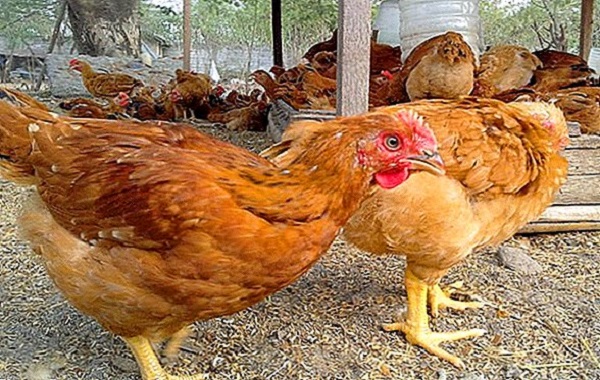
What Does Maturity Mean in Poultry Farming?
In poultry farming, maturity can refer to different stages depending on your production goal.
Market Maturity
This is the stage when birds have reached a desirable weight for sale as meat chickens. For improved kienyeji chickens, this generally occurs between 4 and 6 months, depending on nutrition and management.
Sexual Maturity
Sexual maturity is when hens begin laying eggs and cockerels become ready for breeding. Improved kienyeji hens usually start laying at around 20 to 24 weeks, although this varies with nutrition, lighting, and genetics.
Breeding Maturity
Birds intended for breeding should be allowed additional time to develop fully before being selected as breeding stock. Healthy, well-grown birds produce stronger offspring and better fertility.
Understanding these stages helps farmers make informed decisions about marketing, breeding, and flock management.
Growth Stages of Improved Kienyeji Chickens
Improved kienyeji chickens grow steadily from hatch to adulthood. Each stage requires specific care, housing, and nutrition.
Day-Old to 4 Weeks
The brooding period is the most sensitive stage in a chick’s life.
During this time:
- Chicks require a warm, clean brooder.
- High-quality chick mash is essential.
- Fresh, clean water must always be available.
- Vaccinations should begin according to schedule.
- Proper temperature management reduces stress and mortality.
Healthy chicks are active, alert, and eat frequently. Good management during the first month lays the foundation for strong growth later.
5 to 8 Weeks
At this stage, chicks begin developing stronger muscles, feathers, and bones.
Farmers should:
- Continue feeding balanced rations.
- Increase floor space as birds grow.
- Maintain strict hygiene.
- Monitor birds for signs of disease.
- Provide adequate ventilation.
Birds become more active and start adapting well to free-range or semi-intensive systems if introduced gradually.
9 to 16 Weeks
This is the rapid growth stage.
During this period:
- Birds gain weight steadily.
- Muscle development accelerates.
- Feed efficiency remains important.
- Good nutrition has a major impact on final market weight.
Many farmers begin identifying birds intended for meat production and those that will remain as breeding stock.
16 to 24 Weeks
By this stage, most improved kienyeji chickens have reached market maturity.
Hens begin approaching egg production, while cockerels develop fully and become suitable for breeding.
Birds raised under proper management generally have:
- Good body condition.
- Strong immunity.
- Well-developed muscles.
- Healthy plumage.
This is also the period when many farmers begin selling mature birds to hotels, restaurants, supermarkets, and individual customers.
Factors That Affect Growth Rate
Although improved kienyeji chickens generally mature within the same age range, several factors influence how quickly they grow.
Genetics
Healthy chicks from reputable breeders usually grow more uniformly and achieve better performance.
Feeding Programme
Balanced nutrition is one of the biggest factors affecting maturity. Birds receiving adequate protein, energy, vitamins, and minerals grow faster and remain healthier.
Housing
Proper ventilation, dry litter, and enough space reduce stress and encourage healthy growth.
Disease Prevention
Vaccination, clean drinking water, and good biosecurity protect birds from illnesses that can slow growth or increase mortality.
Farm Management
Daily observation, record keeping, and prompt treatment of health issues all contribute to better flock performance.
Expected Weight at Different Ages
The following table provides a general guide to the expected growth of healthy improved kienyeji chickens under good management.
| Age | Expected Growth |
|---|---|
| Day-Old | Active, healthy chick |
| 4 Weeks | Well-feathered juvenile |
| 8 Weeks | Rapid body development |
| 12 Weeks | Noticeable muscle growth |
| 16 Weeks | Approaching market size |
| 20–24 Weeks | Mature bird ready for breeding, laying, or sale |
Actual weights vary depending on genetics, feeding, management, and environmental conditions. Consistency in nutrition and health care is more important than trying to reach a specific weight at a specific age.
Feeding Improved Kienyeji Chickens for Faster Growth
One of the biggest factors that determines how long improved kienyeji chickens take to mature is nutrition. Even birds with excellent genetics cannot reach their full growth potential without a balanced feeding programme.
Improved kienyeji chickens require different feeds at different stages of development. Each stage supports healthy muscle growth, strong bones, feather development, immunity, and, eventually, egg production.
Recommended Feeding Programme
| Bird Age | Recommended Feed | Purpose |
|---|---|---|
| Day Old – 8 Weeks | Chick Mash | Supports rapid growth, feather development, and immunity |
| 9–18 Weeks | Growers Mash | Builds muscle, bones, and body frame |
| 18 Weeks and Above | Layers Mash (for hens) | Supports egg production and shell quality |
| Breeding Cocks | Growers/Breeder Feed | Maintains body condition and fertility |
For the best results:
- Feed birds at the same time every day.
- Always provide clean, fresh drinking water.
- Store feed in a cool, dry place.
- Remove spoiled or mouldy feed immediately.
- Avoid sudden changes in feed brands or formulations.
Poor nutrition delays maturity, increases disease risk, and reduces both meat and egg production.
Housing Requirements for Healthy Growth
Good housing plays a major role in helping improved kienyeji chickens mature on time.
A well-designed poultry house should provide:
- Adequate ventilation.
- Protection from rain and direct sunlight.
- Dry litter.
- Sufficient floor space.
- Easy access to feeders and drinkers.
- Security from predators.
- Good drainage around the poultry house.
Overcrowding causes stress, encourages disease outbreaks, and slows growth. Farmers should regularly clean poultry houses and replace wet litter to maintain a healthy environment.
Common Mistakes That Delay Maturity
Many farmers unknowingly slow the growth of their improved kienyeji chickens through poor management practices.
Some of the most common mistakes include:
Buying Poor-Quality Chicks
Healthy growth starts with healthy chicks. Always buy from reputable suppliers that provide strong, vaccinated birds.
Poor Feeding Practices
Underfeeding, using low-quality feed, or failing to adjust feed according to the birds’ age can significantly delay maturity.
Overcrowding
Too many birds in a small space increase competition for feed and water while encouraging disease transmission.
Poor Biosecurity
Allowing diseases onto your farm through poor hygiene or inadequate vaccination can reduce growth and increase mortality.
Lack of Clean Water
Water is essential for digestion, nutrient absorption, and overall health. Birds without constant access to clean water will not grow efficiently.
Signs Your Improved Kienyeji Chickens Are Maturing Well
Healthy birds show consistent growth throughout their development.
Signs of proper growth include:
- Active and alert behaviour.
- Bright eyes.
- Smooth, well-developed feathers.
- Strong legs.
- Uniform body size.
- Good appetite.
- Steady weight gain.
- Healthy droppings.
Farmers should inspect their birds daily to identify any health issues before they become serious.
Tips to Help Improved Kienyeji Chickens Mature Faster
If your goal is to achieve good market weights within the expected timeframe, follow these best practices:
- Purchase healthy vaccinated chicks from trusted suppliers.
- Feed birds according to their age.
- Maintain a clean and dry poultry house.
- Vaccinate on schedule.
- Provide unlimited access to clean water.
- Practice strong poultry farm biosecurity.
- Avoid overcrowding.
- Control internal and external parasites.
- Keep accurate farm records.
- Consult poultry experts whenever necessary.
Good management not only speeds up growth but also improves meat quality, egg production, and overall farm profitability.
Frequently Asked Questions
Can improved kienyeji chickens mature in four months?
Yes. Under excellent management, balanced feeding, and proper health care, some improved kienyeji chickens can reach market maturity at around 16 weeks (4 months). However, many farmers allow birds to grow until 20–24 weeks for better body size and market value.
Which feed helps improved kienyeji chickens grow faster?
A balanced feeding programme using quality chick mash, growers mash, and layers mash (for hens) provides the nutrients needed for healthy growth and timely maturity.
Are improved kienyeji chickens faster than local indigenous chickens?
Yes. Improved kienyeji chickens generally grow faster, produce more eggs, and have better feed conversion than ordinary indigenous village chickens while still retaining the hardiness that makes them well suited to Kenyan farming conditions.
Which grows faster: Improved Kienyeji, Sasso, or Kuroiler?
Each breed has its strengths:
- Sasso chickens are bred for rapid meat production and typically reach market weight faster.
- Kuroiler chickens offer excellent growth together with high egg production, making them a popular dual-purpose breed.
- Improved kienyeji chickens grow more steadily but are highly valued for their traditional taste, adaptability, and premium market prices.
The best breed depends on your production goals and target market.
Is improved kienyeji farming profitable?
Yes. Improved kienyeji farming remains one of the most profitable poultry enterprises in Kenya due to strong consumer demand for indigenous-style chicken meat and eggs. Farmers who invest in healthy chicks, proper feeding, and good management often achieve attractive returns.
Why Buy Improved Kienyeji Chicks from Chickbee Farming?
At Chickbee Farming, we are committed to helping Kenyan farmers succeed by supplying healthy, high-quality poultry and practical technical support.
When you buy from us, you benefit from:
- Healthy, active chicks.
- Proper vaccination according to age.
- Competitive prices.
- Nationwide delivery arrangements.
- Poultry farming guidance.
- After-sales technical support.
- Reliable customer service.
We also supply Sasso chicks and Kuroiler chicks, making it easy for farmers to compare breeds and choose the one that best suits their production objectives.
Order Healthy Improved Kienyeji Chicks Today
Whether you’re starting a backyard flock or expanding a commercial poultry farm, Chickbee Farming can supply healthy, vaccinated improved kienyeji chicks to support your success.
Final Thoughts
Understanding how long improved kienyeji chickens take to mature helps farmers plan feeding programmes, estimate production costs, and choose the best time to market or breed their birds. While most improved kienyeji chickens reach maturity between 4 and 6 months, achieving the best results depends on quality chicks, balanced nutrition, proper housing, timely vaccination, and good daily management.
If you’re looking for healthy, vaccinated improved kienyeji chicks backed by expert advice, Chickbee Farming is ready to help you build a productive and profitable poultry enterprise.