


How Much Space Do 3 Weeks Old Chicks Need?
🐥 How Much Space Do 3 Weeks Old Chicks Need?
Proper housing is one of the most important factors in raising healthy and profitable poultry. When dealing with 3 weeks old chicks in Kenya, space management directly affects growth rate, disease control, stress levels, and overall flock performance.
At this stage, chicks are no longer fully dependent on heat like day-old birds, but they are still vulnerable to overcrowding, poor ventilation, and stress-related diseases. Understanding the correct space requirement helps farmers reduce losses and improve productivity.
If you are planning to start with strong birds that have already passed the fragile stage, you can explore our supply of 3 weeks old chicks in Nairobi which are carefully raised, vaccinated, and ready for farm adaptation.
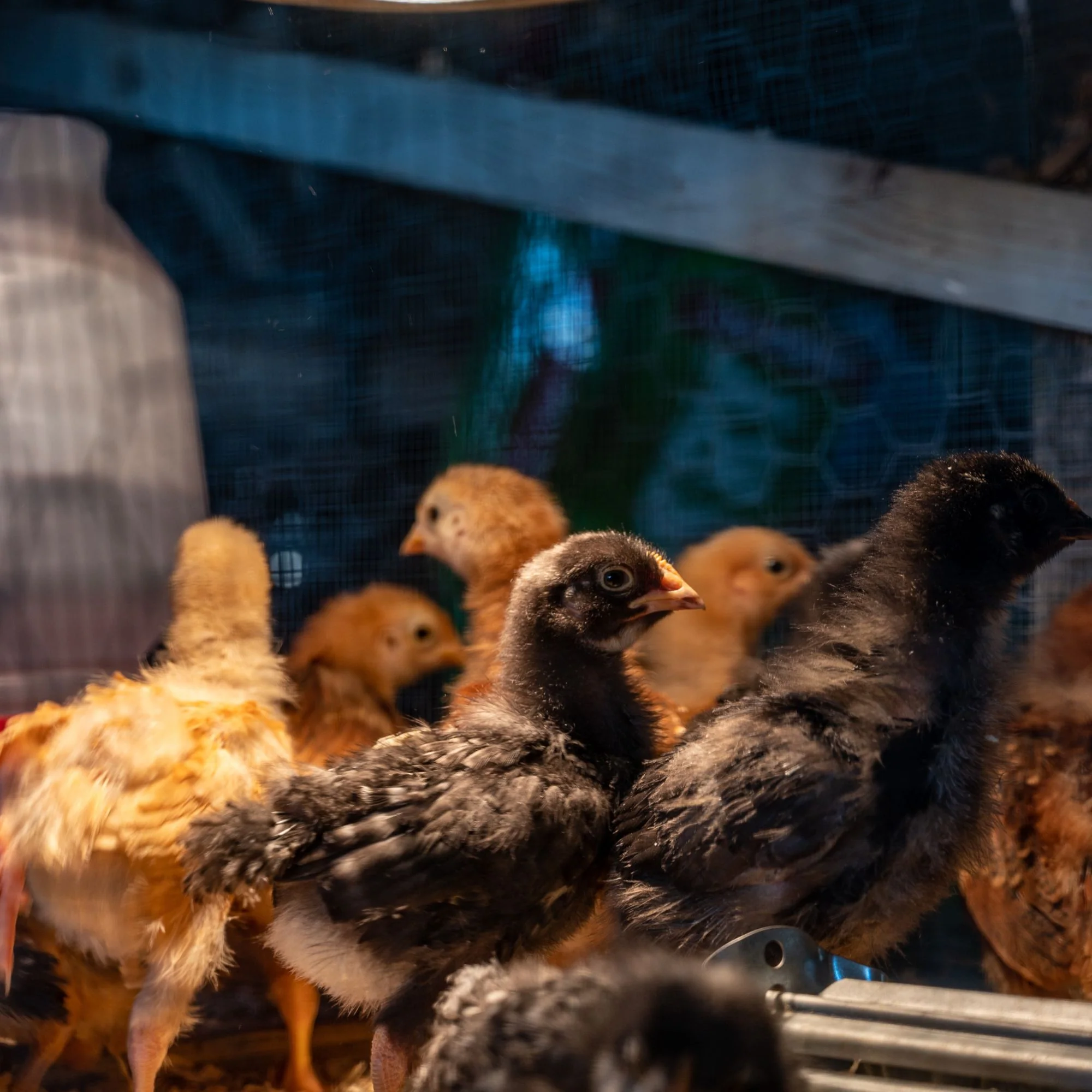
📏 Why Space Matters in Poultry Farming
Many poultry farmers in Kenya lose birds not because of disease alone, but because of poor housing conditions. Overcrowding is one of the biggest hidden causes of:
- Slow growth
- Feather pecking
- Stress and aggression
- Disease spread
- High mortality rates
Proper spacing ensures chicks have enough room to move, feed, drink, and rest comfortably, which directly improves performance.
🐣 Recommended Space for 3 Weeks Old Chicks
At three weeks of age, chicks require more space than in the brooding stage.
General Guideline:
- 1 chick per 0.15 – 0.2 square meters
This means:
- 50 chicks = at least 7.5 – 10 square meters
- 100 chicks = at least 15 – 20 square meters
This spacing ensures proper airflow and reduces competition for food and water.
🌬️ Ventilation and Comfort
Good ventilation is just as important as space. Without proper airflow, ammonia builds up, leading to respiratory diseases.
A good poultry house should:
- Allow fresh air circulation
- Avoid direct wind exposure
- Maintain dry litter
- Prevent dampness
Farmers who follow proper management practices see better results, especially when raising Improved Kienyeji chicks, which require clean and stress-free environments.
You can also learn more about proper chick management in our guide on raising 3 weeks old chicks in Kenya.
🚫 Effects of Overcrowding
Overcrowding is one of the most expensive mistakes in poultry farming.
When chicks are kept in tight spaces, you may experience:
- Faster spread of diseases
- Reduced feed intake
- Increased mortality
- Poor weight gain
- Weak immune system
This is why proper spacing is a key part of successful poultry farming in Kenya.
Farmers who buy quality birds such as vaccinated Improved Kienyeji chicks for sale often achieve better results because strong genetics must be supported by proper management.
🏠 Best Housing Setup for 3 Weeks Old Chicks
A good poultry house should support growth and prevent disease.
Key requirements:
- Dry litter (wood shavings recommended)
- Elevated or well-drained floor
- Clean feeders and drinkers
- Protection from predators
- Proper spacing between birds
- Moderate lighting
Farmers who combine good housing with proper feeding achieve faster growth and higher profitability.
If you are still comparing chick ages before setting up your farm, read our guide on day-old vs 2–3 weeks old Improved Kienyeji chicks to choose the right starting point.
🍽️ Feeding Space is Also Important
Space is not only about floor area—it also includes feeding and drinking space.
Recommended ratios:
- 1 feeder per 25–30 chicks
- 1 drinker per 25 chicks
Poor feeder distribution leads to:
- Uneven growth
- Fighting
- Feed wastage
- Weak birds dominating strong ones
Proper feed management improves uniform growth across the flock.
🐥 Space Management for Growth Performance
Good spacing directly improves:
- Weight gain
- Feed conversion ratio
- Egg production (future layers)
- Disease resistance
Healthy chicks grow faster when stress is minimized and movement is unrestricted.
If you are looking for stronger birds that are easier to manage at this stage, consider our one month old chicks in Nairobi for reduced early-stage management challenges.
💡 Key Tip for Kenyan Farmers
If you are raising Improved Kienyeji chickens in Kenya, always remember:
More space = better growth = higher profits
Proper housing is just as important as vaccination and feeding when it comes to poultry success.
To protect your flock further, follow correct health practices outlined in our guide on how to vaccinate Improved Kienyeji chicks.
📞 Contact Chick Bee Farming Kenya
If you are looking for healthy 3 weeks old chicks in Kenya, expert poultry advice, or reliable farm support, we are ready to assist you.
We supply vaccinated Improved Kienyeji chicks and offer professional guidance to help you succeed in poultry farming.
💬 WhatsApp Order (Fast Response)
Get instant support, prices, and delivery details:
📞 Call Us Directly
Speak to our poultry expert for quick assistance:
📧 Email Support
For inquiries, orders, and consultation: