


Common Diseases in 1 Month Old Kienyeji Chickens in Kenya
Common Diseases in 1 Month Old Kienyeji Chickens in Kenya (Symptoms & Prevention Guide 2026)
Common diseases in 1 month old kienyeji chickens in Kenya can cause slow growth, high mortality, poor immunity, and major losses for poultry farmers if not prevented early. At the grower stage, kienyeji chickens require proper vaccination, feeding, hygiene, and management to remain healthy and productive.
Healthy vaccinated growers grow faster, resist diseases better, and perform well in meat and egg production.
If you are looking for strong vaccinated growers, see our
1 Month Old Kienyeji Chickens for Sale in Kenya.
Why Diseases Affect Kienyeji Growers
1 month old chickens are still developing immunity and can easily become sick if exposed to poor hygiene, contaminated water, overcrowding, or poor feeding.
Common causes of poultry diseases include:
- Poor sanitation
- Dirty drinking water
- Skipping vaccinations
- Overcrowding birds
- Poor ventilation
- Stress and sudden feed changes
1. Newcastle Disease
Newcastle disease is one of the most dangerous poultry diseases in Kenya and spreads very fast among birds.
Symptoms include:
- Coughing and sneezing
- Greenish diarrhea
- Twisted necks
- Loss of appetite
- Sudden death
Vaccination is the best protection against Newcastle disease.

2. Gumboro Disease
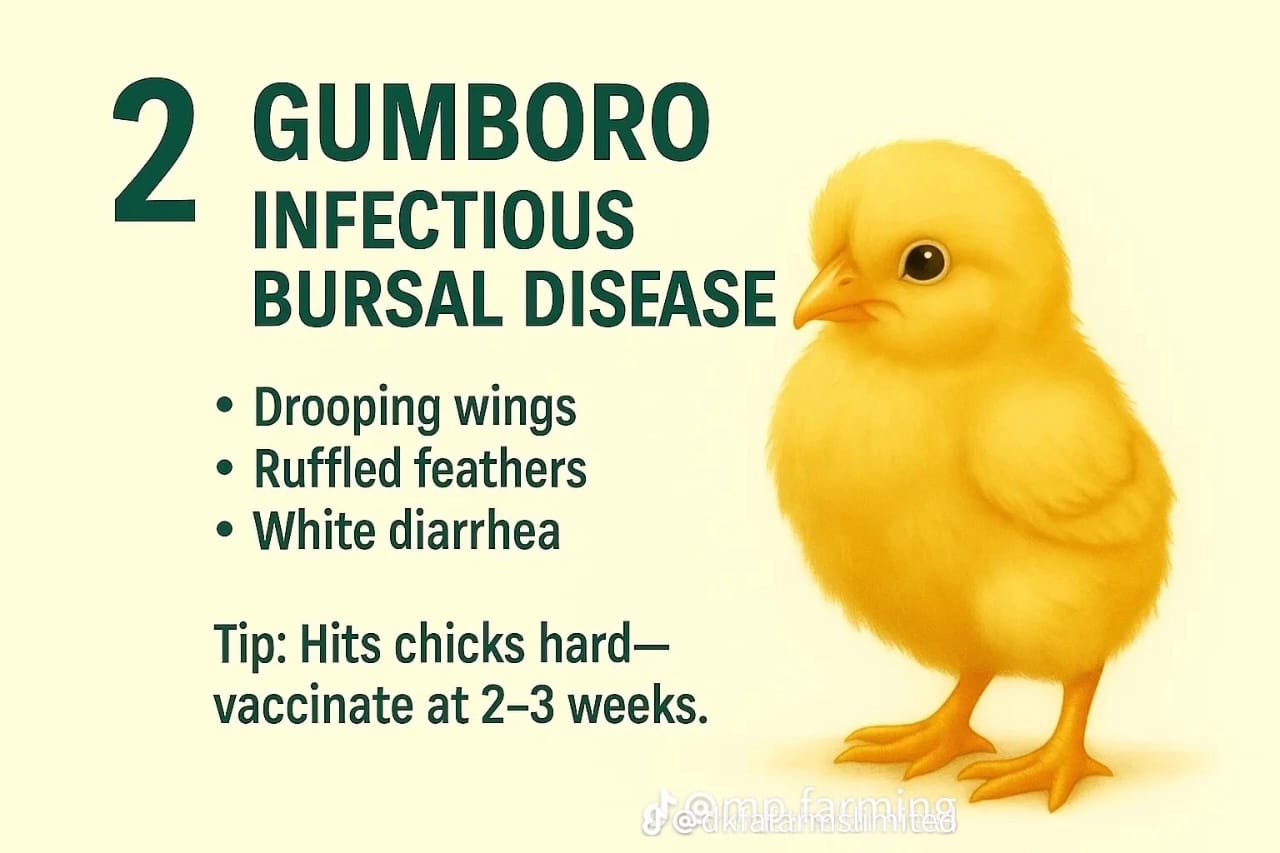
Gumboro mainly affects young chickens and weakens their immunity.
Signs include:
- Weakness
- Ruffled feathers
- Watery diarrhea
- Loss of appetite
Proper vaccination and hygiene reduce infection risk.
3. Coccidiosis
Coccidiosis is caused by parasites and commonly affects growers kept in dirty or wet conditions.
Symptoms include:
- Bloody diarrhea
- Weakness
- Weight loss
- Poor growth rate
Keeping poultry houses dry and clean helps prevent coccidiosis.

4. Fowl Typhoid
Fowl typhoid is a bacterial disease that spreads through contaminated feed, water, and equipment.
Signs include:
- Yellow diarrhea
- Weakness
- Reduced feeding
- Sudden deaths
-

common-diseases-in-1-month-old-kienyeji-chickens-kenya guide by chickmasters
How to Prevent Poultry Diseases
Poultry farmers can reduce disease outbreaks by following proper management practices.
- Vaccinate birds on schedule
- Provide clean drinking water
- Maintain proper ventilation
- Use quality poultry feeds
- Clean feeders and drinkers regularly
- Avoid overcrowding birds
Learn more here:
Vaccination Schedule for 1 Month Old Kienyeji Chickens
Importance of Proper Feeding
Healthy feeding improves immunity and helps growers resist diseases naturally.
Balanced growers feed supports:
- Faster growth
- Strong immunity
- Better body development
- Lower mortality rates
Read more here:
Best Feed for 1 Month Old Kienyeji Chickens
Role of Proper Brooding in Disease Prevention
Many poultry diseases start due to poor brooding management during early chick stages.
Common brooding mistakes include:
- Cold temperatures
- Wet litter
- Poor ventilation
- Dirty brooding equipment
Learn more here:
Common Chick Brooding Mistakes
Farmers can also get professional support through our:
Chick Brooding Services
Signs of Healthy Kienyeji Growers
- Active movement
- Bright eyes
- Smooth feathers
- Good appetite
- Consistent growth
Frequently Asked Questions
What is the most common disease in kienyeji chickens?
Newcastle disease is among the most common and dangerous poultry diseases in Kenya.
How can I reduce mortality in growers?
Use proper feeding, vaccination, hygiene, and avoid overcrowding.
Can vaccination completely prevent diseases?
Vaccination greatly reduces risk but proper management is also important.
Why are my chickens weak and not growing?
Disease, poor feeding, dirty water, and poor management are common causes.
Buy Healthy Vaccinated Kienyeji Chickens in Kenya
Looking for strong vaccinated growers with nationwide delivery?
Chick Bee Farming supplies healthy 1 month old kienyeji chickens across Kenya.
Call or WhatsApp 0119076723 for orders and delivery.