


Best Brooder Setup for Day-Old Chicks in Kenya (Complete Guide)
Setting up the best brooder for day-old chicks in Kenya is the most critical step in poultry success. A proper brooding system ensures high chick survival, fast growth, strong immunity, and long-term productivity. Farmers who master brooding from day one experience fewer losses and better returns, whether raising chicks for meat or future egg production.
This guide explains the ideal brooder setup, temperature control, equipment, costs, and common mistakes, based on proven chick brooding practices in Kenya.
What Is a Chick Brooder?
A chick brooder is a warm, protected environment that replaces the mother hen during the first weeks of life. In Kenya’s changing weather conditions, a good brooder protects chicks from cold stress, overcrowding, and early diseases.
For a deeper understanding of proven systems, read this detailed guide on professional chick brooding in Kenya used by successful farmers.
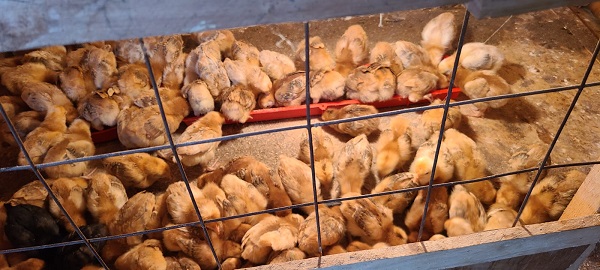
Ideal Brooding Temperature for Day-Old Chicks
Temperature is the number one factor affecting chick survival.
Recommended Brooding Temperatures
-
Week 1: 32–35°C
-
Week 2: 29–32°C
-
Week 3: 26–29°C
-
Week 4: Gradually reduce heat
Chicks should be evenly spread. Crowding means it’s cold; moving away from heat means overheating.
Correct temperature control is the foundation of successful chick brooding in Kenya, especially during cold nights and rainy seasons.
Best Brooder Equipment for Kenyan Farmers
Using the right equipment improves growth and reduces losses.
Essential Brooder Equipment
-
Heat source (electric bulb, charcoal jiko, or gas brooder)
-
Chick guard to prevent piling
-
Feeders that reduce wastage
-
Clean drinkers for constant water supply
-
Dry wood shavings for bedding
Strong brooding management directly affects future productivity, including egg quality. Farmers targeting premium markets later benefit greatly when brooding is done correctly from day one, especially those planning to sell fresh kienyeji eggs.
Cost of Setting Up a Chick Brooder in Kenya
Brooder costs depend on chick numbers and heat source.
Estimated Costs
-
50–100 chicks: KSh 2,500 – 4,000
-
200–500 chicks: KSh 6,000 – 10,000
-
Large commercial brooders: KSh 15,000+
A well-planned brooder reduces medication costs and chick mortality, increasing overall profit.
Common Chick Brooding Mistakes to Avoid
Many farmers lose chicks due to preventable errors:
-
Poor temperature regulation
-
Wet or dirty litter
-
Overcrowding
-
Poor ventilation
-
Delayed access to feed and water
Avoiding these mistakes is a key principle taught in professional chick brooding systems used across Kenya.
Signs Your Brooder Setup Is Working Well
-
Chicks are active and evenly distributed
-
Quiet, comfortable behavior
-
Dry litter and clean vents
Healthy chicks grow into productive birds that later produce high-quality kienyeji eggs with better market value.
Frequently Asked Questions (FAQ)
What is the best brooder for day-old chicks in Kenya?
Electric bulb brooders work best where power is available, while charcoal brooders are reliable in rural areas.
How long should chicks stay in the brooder?
Typically 3–4 weeks, depending on weather and feather development.
Can I brood chicks without electricity?
Yes. Charcoal and gas brooders are effective alternatives.
Why is brooding important for egg production?
Good brooding builds strong immunity, leading to better laying performance and higher-quality eggs later.
Why Proper Brooder Setup Guarantees Profit
Farmers who invest in proper brooding enjoy:
-
Lower mortality rates
-
Faster growth
-
Reduced disease outbreaks
-
Better egg and meat performance
📞 Need expert chick brooding advice?