


How to Sell Improved Kienyeji Chickens in Kenya
How to Sell Improved Kienyeji Chickens in Kenya
Introduction
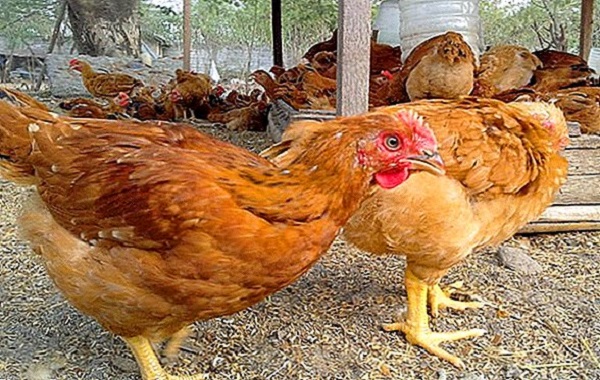
Knowing how to sell improved kienyeji chickens in Kenya is an important part of building a sustainable poultry business. Farmers may invest money in chicks, feed, housing and daily care, but without a reliable market, they can struggle to turn their investment into income.
Improved kienyeji chickens can be marketed to households, hotels, restaurants, butcheries, traders, retailers and other poultry buyers. However, successful selling requires more than simply finding someone willing to purchase a bird. Farmers need to understand their target customers, production costs, preferred bird sizes, delivery arrangements and the best time to approach potential buyers.
Whether you are keeping 50 birds in your compound or managing a larger poultry unit, developing your market before your chickens are ready for sale can help you plan production more effectively.
This guide explains practical ways to find buyers, promote your birds, negotiate prices, attract repeat customers and develop a poultry business in Kenya.
1. Identify Your Target Market Before Your Chickens Mature
The first step in learning how to sell improved kienyeji chickens in Kenya is deciding who is most likely to buy your birds.
Different customers have different requirements. Some prefer live chickens, while others want dressed birds. Some purchase occasionally for family use, whereas hotels, traders and retailers may need regular supplies.
Potential customers include:
| Target customer | What they may need | How to approach them |
|---|---|---|
| Households | Individual birds for meals and family occasions | Local referrals, WhatsApp and community groups |
| Hotels and restaurants | Consistent supply of birds meeting their specifications | Direct visits, calls and sample quotations |
| Butcheries | Birds of suitable size and quality | Discuss purchasing requirements and delivery |
| Market traders | Multiple birds for resale | Agree on quantities, prices and collection |
| Event caterers | Larger quantities for planned functions | Contact them before their events |
| Poultry retailers | Regular access to suitable birds | Offer clear availability and ordering arrangements |
| Other farmers | Breeding stock or birds for flock expansion | Clarify the birds’ age, type and intended purpose |
Do not assume every buyer wants the same bird. Ask whether the customer wants a live chicken, a dressed chicken, a particular size or a regular supply.
Practical tip: Start with buyers within your local area before expanding your delivery distance. This makes it easier to understand demand and estimate transport costs.
2. Find Buyers of Improved Kienyeji Chickens in Kenya
Finding customers becomes easier when you use several channels rather than depending on one market.
Approach hotels and restaurants directly
Hotels and restaurants may be potential buyers when their menus include kienyeji chicken. Visit establishments in your target area and ask to speak with the person responsible for purchasing food supplies.
Prepare a short introduction explaining:
-
The type of chickens you raise or supply.
-
The approximate number available.
-
The expected size or age of the birds.
-
Whether you sell live or dressed chickens.
-
Your location and delivery options.
-
How buyers can contact you for a quotation.
Do not promise a supply quantity you cannot consistently deliver. If you are still building your flock, explain your expected availability honestly.
Contact butcheries and chicken traders
Butcheries and traders may be useful channels for selling several birds at once. Ask about their preferred size, purchasing schedule and whether they collect from the farm or expect delivery.
Before agreeing to a price, calculate your production and transport costs. A large order is not necessarily profitable if the selling price is too low.
Use referrals from existing customers
Satisfied customers can introduce your business to neighbours, friends and other buyers.
After a successful sale, ask whether the customer would like to order again or recommend your poultry business to someone who buys kienyeji chickens.
Keep a simple record of customer names, quantities purchased and follow-up dates. This can help you identify repeat buyers and plan your next sales.
3. Market Your Kienyeji Chickens Through WhatsApp
WhatsApp can be a practical way for small and medium-sized poultry farmers to communicate with customers and receive enquiries.
Create a clear message containing:
-
The type of chicken available.
-
The number of birds available.
-
The selling price and what it includes.
-
The collection location.
-
Delivery availability and any additional charges.
-
Your phone number and ordering instructions.
Use recent, genuine photographs of your own birds whenever possible. Avoid using pictures that misrepresent the size, condition or quantity of the chickens you have available.
Example WhatsApp sales message
Improved Kienyeji Chickens Available
Looking for improved kienyeji chickens? Contact us to enquire about current availability, bird sizes, prices and collection or delivery arrangements.
Chickmasters Poultry and Hives Shop
Location: Kiambu, Kenya
Call or WhatsApp: 💬 WhatsApp
Confirm the current stock and price before placing an order.
Copy WhatsApp advert
You can share your message with relevant contacts and groups where business promotions are permitted. Avoid sending repeated unsolicited messages to people who have not expressed interest.
4. Use Social Media to Promote Your Poultry Business
Social media can help potential buyers discover your poultry business before they are ready to purchase.
You can use Facebook, TikTok and Instagram to share genuine updates about your birds, farm activities and available stock.
Content ideas include:
-
Short videos showing your chickens.
-
Updates when a new batch becomes available.
-
Clear information about bird sizes and prices.
-
Customer testimonials shared with permission.
-
Videos showing how orders are prepared.
-
Answers to common questions about ordering and collection.
Always include a clear way to contact your business. A post that receives many views but gives no ordering information may generate attention without producing enquiries.
For Chickmasters, maintain consistent business details across your social profiles and website. This helps customers recognise your brand and find your contact information.
5. Set a Selling Price That Protects Your Profit
One of the biggest mistakes in poultry marketing is choosing a selling price simply because another farmer is selling at that amount.
Your price should reflect your actual costs, the size and condition of your birds, local demand and the customer’s purchasing quantity.
Calculate the following before setting your price:
-
The cost of buying or producing each bird.
-
Feed consumed during the rearing period.
-
Housing and equipment costs allocated to the flock.
-
Labour and routine management expenses.
-
Health-related costs.
-
Transport, packaging or processing costs, where applicable.
-
Expected losses and other relevant expenses.
Example of a simple selling-price calculation
The following figures are illustrative only, not current market quotations or a guaranteed profit forecast.
| Item | Example amount per bird |
|---|---|
| Allocated production cost | KSh 850 |
| Transport and selling expenses | KSh 50 |
| Total cost | KSh 900 |
| Selling price | KSh 1,100 |
| Difference before other uncounted expenses | KSh 200 |
In this example, the difference is KSh 200 per bird before any costs not already included in the calculation.
Use your own farm records to determine the real figure. Actual expenses and selling prices vary by location, breed, feed prices, age, weight and market conditions.
When selling in bulk, calculate whether a discount still leaves you with a reasonable margin.
6. Build Relationships With Repeat Buyers
Repeat customers can make sales more predictable because you do not have to find an entirely new buyer for every batch.
To encourage repeat business:
-
Provide accurate information about your birds.
-
Agree on the price, quantity and collection date before the sale.
-
Communicate promptly if availability changes.
-
Deliver what you promised.
-
Keep records of customer preferences.
-
Follow up politely after the transaction.
-
Notify interested buyers when another batch becomes available.
For larger orders, confirm payment terms and collection arrangements in advance. Avoid relying on verbal promises without a clear agreement, especially when you are supplying customers for the first time.
Trust is built through consistency, honest communication and reliable service.
7. Plan Production Around Customer Demand
Marketing should begin before the chickens reach their intended selling stage.
If your main customers are households, you may sell birds individually over time. If you are targeting traders or food businesses, you may need to coordinate a batch of birds that meets their quantity and size requirements.
Ask potential buyers about their preferred purchasing schedule and the characteristics they require.
Then plan your flock accordingly.
Keep in mind that actual growth and readiness for sale depend on the breed, feeding programme, health and management. Do not promise a particular size or maturity date without considering the birds’ actual development.
A simple sales record can include:
| Record | Why it matters |
|---|---|
| Customer name and contact | Helps with follow-up |
| Enquiry date | Shows when buyers are active |
| Quantity requested | Helps estimate demand |
| Required bird size or type | Helps plan suitable stock |
| Agreed price | Prevents misunderstandings |
| Collection or delivery date | Supports scheduling |
| Payment status | Helps manage cash flow |
Review these records regularly to identify the customer groups that provide the most dependable business.
8. Offer Clear Collection and Delivery Arrangements
Convenience can influence whether a customer chooses your poultry business.
Some customers may prefer collecting their birds from your farm, while others may request delivery. Decide which options you can support and explain any extra charges before confirming an order.
When arranging delivery, consider:
-
Distance and transport expenses.
-
The quantity being transported.
-
Safe and appropriate handling.
-
The buyer’s availability.
-
Applicable requirements for transporting or processing poultry.
For live birds, use suitable transport arrangements that minimise stress, overcrowding and injury. For dressed birds, follow appropriate food-safety, hygiene and temperature-control requirements.
Never advertise free delivery unless you can cover the associated costs.
9. Common Marketing Mistakes to Avoid
Farmers can lose potential customers through avoidable business practices.
| Mistake | Better approach |
|---|---|
| Advertising birds that are unavailable | Update your stock information regularly |
| Using misleading photographs | Share genuine pictures of your birds |
| Setting prices without calculating costs | Maintain a simple flock budget |
| Depending on only one buyer | Develop several customer channels |
| Ignoring customer enquiries | Respond promptly and professionally |
| Accepting large orders without planning | Confirm stock, payment and delivery arrangements |
| Offering discounts without calculating margins | Check your profit before agreeing |
| Making unsupported claims about bird health | Keep accurate records and communicate honestly |
A professional poultry business is built on realistic promises and dependable customer service—not just low prices.
10. Where Chickmasters Fits Into Your Poultry Business
If you are still planning your poultry project, choosing a suitable source of chicks is one of the early decisions you will need to make.
Chickmasters Poultry and Hives Shop serves customers interested in poultry and beekeeping products. If you are looking for chicks to raise for your own business, you can explore our relevant pages below.
-
Browse improved kienyeji chicks for sale in Thika for local availability enquiries.
-
Visit our improved kienyeji chicks in Kiambu page.
-
Read the improved kienyeji chicks feeding guide to understand feeding needs at different growth stages.
-
Learn about how to start improved kienyeji chicken farming before expanding your flock.
These resources help you plan the production side of your business alongside your sales and marketing strategy.
Frequently Asked Questions
Where can I sell improved kienyeji chickens in Kenya?
Potential sales channels include households, hotels, restaurants, butcheries, traders, retailers and local markets. The best channel depends on your location, flock size, customer requirements and ability to deliver.
How do I find bulk buyers for kienyeji chickens?
Approach restaurants, traders, butcheries and other businesses directly. Prepare a clear quotation, state the quantity available and confirm the buyer’s preferred size, price and delivery arrangements.
How can I market kienyeji chickens on WhatsApp?
Share a concise advert with genuine photographs, available quantities, prices or a price-enquiry option, your location and a clear contact method. Keep the information accurate and update it when stock changes.
How should I price my improved kienyeji chickens?
Calculate the full production and selling costs, then compare your price with local demand and the buyer’s requirements. Do not assume a competitor’s price will cover your costs.
Should I find customers before the chickens are ready for sale?
Yes. Early conversations help you understand what customers want and estimate likely demand. However, confirm orders based on realistic availability and the birds’ actual development.
Conclusion
Learning how to sell improved kienyeji chickens in Kenya involves finding the right customers, communicating clearly, pricing your birds carefully and building reliable relationships with buyers.
Start by identifying potential customers in your area. Use direct outreach, referrals, WhatsApp and social media to generate enquiries. Keep accurate records of expenses, customer preferences and sales so that you can make better decisions as your poultry business grows.
Most importantly, plan your market alongside your production. A clear understanding of who will buy your birds, what they require and when they need them can help you manage your flock with greater confidence.
Contact Chickmasters Poultry and Hives Shop
Enquire about improved kienyeji chicks
Planning to raise chickens for your poultry business? Contact Chickmasters to enquire about current chick availability, prices and ordering arrangements.
Kiambu, Kenya
0119076723
Website: chickbeefarming.co.ke