


Commercial Poultry Feeders and Drinkers in Kenya
Improve Poultry Performance with High-Quality Feeders and Drinkers
Healthy chickens begin with proper feeding and access to clean water. Whether you are raising broilers, layers, kienyeji chickens, improved indigenous breeds, or breeder stock, investing in quality commercial poultry feeders and drinkers is one of the most effective ways to improve flock performance, reduce production costs, and maximize profits.
At Chick Bee Farming, we supply durable commercial poultry feeders and drinkers suitable for small, medium, and large-scale poultry farms across Kenya. Our products are designed to minimize feed wastage, maintain clean drinking water, improve bird health, and make daily farm management easier.
From chick feeders for newly hatched birds to heavy-duty hanging feeders, bell drinkers, nipple drinking systems, and automatic watering solutions, we provide reliable poultry equipment that helps farmers achieve consistent results throughout every production cycle.
Whether you are starting your first poultry project or expanding an established commercial farm, our experienced team can help you select the right feeding and watering equipment based on your flock size, housing system, bird age, and production goals.
Why This Guide Matters
Many poultry farmers focus on buying quality chicks and feed but overlook the importance of feeding and watering equipment. Poor-quality feeders and drinkers often lead to:
- Excessive feed wastage
- Contaminated feed
- Dirty drinking water
- Wet litter
- Increased disease outbreaks
- Uneven bird growth
- Higher labour costs
- Reduced profits
Choosing the right equipment can significantly improve feed conversion, bird welfare, and overall farm efficiency.
This guide explains everything you need to know about commercial poultry feeders and drinkers, including the different types available, their advantages, how to choose the right equipment for your flock, and practical tips to get the best value from your investment.
Why Quality Poultry Feeders and Drinkers Matter
Commercial poultry farming is a business where small improvements can make a significant difference in profitability. Every kilogram of feed saved, every litre of clean water supplied, and every healthy bird contributes to better returns.
Modern poultry feeders and drinkers are designed to solve common challenges faced by farmers, including feed spillage, water contamination, overcrowding at feeding points, and unnecessary labour.
Using properly designed equipment provides several advantages:
Reduce Feed Wastage
Feed represents one of the largest costs in poultry production. Inferior or poorly designed feeders allow birds to scratch feed onto the floor, where it becomes contaminated and unusable.
Commercial feeders are designed to reduce spillage, ensuring more of the feed you purchase is consumed by your birds instead of being wasted.
Improve Bird Health
Clean water is essential for healthy poultry. High-quality drinkers help prevent contamination from litter, droppings, and dust, reducing the risk of bacterial infections and waterborne diseases.
Maintaining hygienic feeding and watering systems also contributes to stronger immunity and lower mortality rates.
Promote Uniform Growth
When birds have equal access to feed and water, competition is reduced, allowing the flock to grow more evenly. Uniform growth is particularly important for commercial broiler and layer operations where consistency directly affects profitability.
Save Time and Labour
Modern feeding and watering equipment reduces the amount of time spent refilling containers, cleaning equipment, and managing feed losses. This allows farmers to focus on other important aspects of flock management.
Maintain Dry Litter
Water spillage is one of the leading causes of wet litter, which creates favourable conditions for disease, ammonia build-up, and footpad problems.
Quality drinkers minimise leaks and spills, helping maintain a clean, dry poultry house.
Improve Feed Conversion Efficiency
Birds that eat clean feed and drink fresh water consistently perform better. Efficient feeding systems contribute to improved feed conversion ratios, faster growth in broilers, and better egg production in layers.
Who Should Use Commercial Poultry Feeders and Drinkers?
Our feeding and watering equipment is suitable for:
- Commercial broiler farms
- Layer poultry farms
- Kienyeji chicken farmers
- Improved indigenous chicken projects
- Breeder farms
- Hatcheries
- Chick brooding units
- Farmer groups and cooperatives
- Agricultural training institutions
- Poultry demonstration farms
Whether you keep 50 birds or 50,000 birds, choosing the correct feeders and drinkers will improve efficiency, reduce operating costs, and support healthier, more productive flocks.
Why Buy from Chick Bee Farming?
When you purchase poultry equipment from Chick Bee Farming, you benefit from more than just quality products.
We provide:
- Durable commercial-grade poultry equipment
- Competitive prices
- Expert advice on selecting the correct feeder and drinker sizes
- Support for both new and experienced poultry farmers
- Nationwide delivery across Kenya
- Reliable customer service before and after purchase
Our goal is to help every poultry farmer build a productive, profitable, and sustainable farming enterprise with equipment that performs reliably season after season.
Call or WhatsApp: 💬 WhatsApp
Email: info@chickbeefarming.co.ke
Types of Commercial Poultry Feeders
Selecting the right poultry feeder is just as important as choosing quality feed. A well-designed feeder reduces feed wastage, keeps feed clean, minimizes labour, and ensures every bird has equal access to nutrition. The best feeder for your farm depends on the age of your birds, the production system, flock size, and the type of poultry you are rearing.
At Chick Bee Farming, we supply a range of durable commercial poultry feeders suitable for broilers, layers, kienyeji chickens, breeder birds, and chicks. Whether you are managing a small backyard flock or a large commercial poultry operation, we can help you choose the right feeding equipment to maximize efficiency and reduce operating costs.
Hanging Poultry Feeders
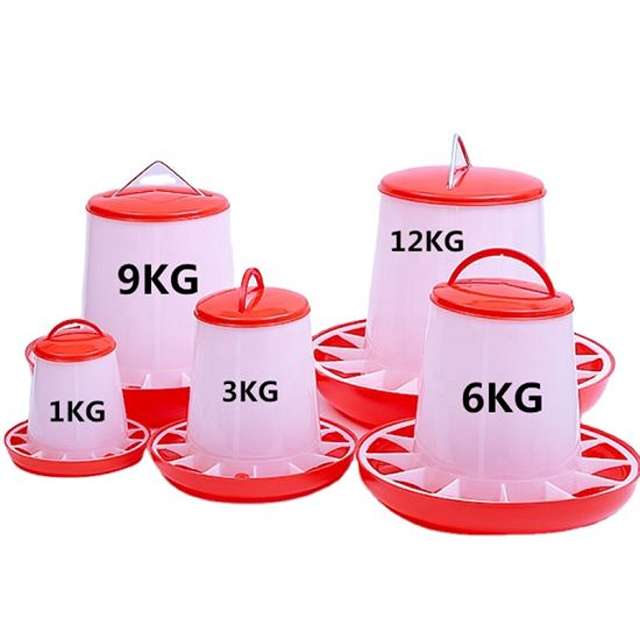
The Preferred Choice for Commercial Poultry Farms
Hanging poultry feeders are among the most popular feeding systems used in commercial poultry farming. Suspended above the floor, they allow birds to feed comfortably while keeping feed away from dirt, litter, and droppings.
Because the feeder height can be adjusted as birds grow, hanging feeders help reduce feed wastage and improve flock hygiene.
Key Benefits
- Significantly reduces feed spillage.
- Prevents feed contamination from litter.
- Adjustable height for different bird ages.
- Suitable for deep litter poultry houses.
- Easy to refill and clean.
- Durable construction for long-term use.
- Promotes even feeding across the flock.
Best For
- Broiler chickens
- Layer chickens
- Improved kienyeji chickens
- Breeder birds
- Medium to large commercial farms
Why Farmers Prefer Hanging Feeders
One of the biggest expenses in poultry farming is feed. Birds naturally scratch while feeding, and ordinary trays often result in large amounts of wasted feed. Hanging feeders reduce this problem by keeping feed contained within the feeding tray.
Less feed on the floor also means cleaner poultry houses and lower risks of disease caused by contaminated feed.
Tube Feeders
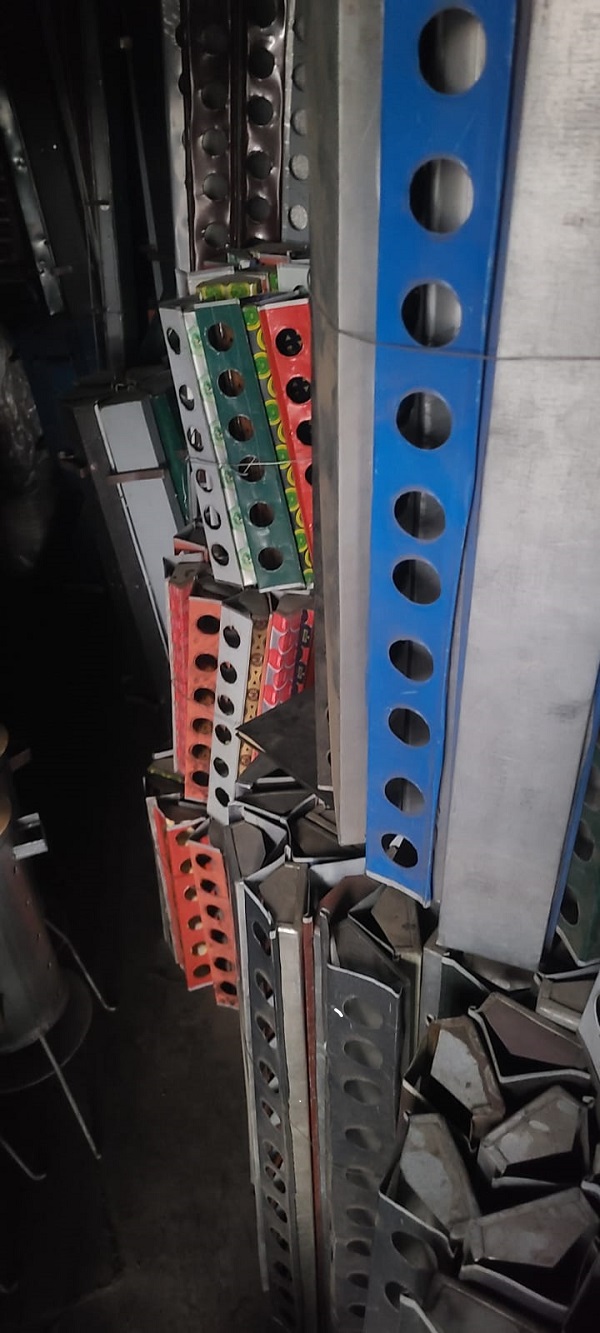
Reliable Gravity-Feed Systems for Poultry
Tube feeders use gravity to continuously dispense feed into the feeding pan as birds consume it. They are simple, reliable, and suitable for farms of all sizes.
Tube feeders are particularly popular because they require minimal supervision and provide a consistent supply of feed throughout the day.
Advantages
- Continuous feed availability.
- Reduced labour requirements.
- Easy to refill.
- Helps reduce feed shortages.
- Durable and easy to transport.
- Suitable for indoor poultry houses.
Ideal For
- Broilers
- Layers
- Growers
- Kienyeji chickens
Chick Feeders
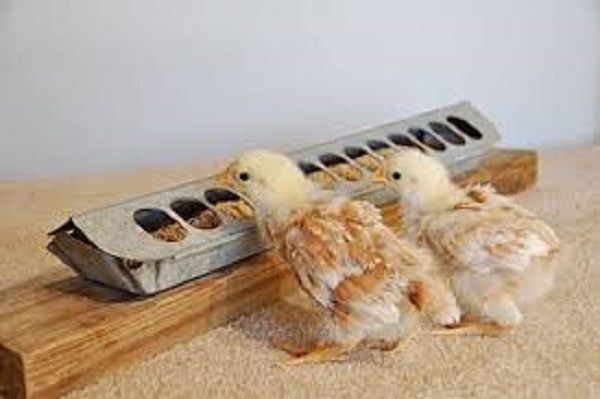
Designed for Day-Old and Young Chicks
Young chicks require special feeding equipment that allows them to eat comfortably while preventing contamination.
Chick feeders are shallow, lightweight, and designed to encourage early feed consumption during the critical brooding stage.
Proper nutrition during the first few weeks has a major impact on growth, immunity, and future productivity.
Benefits
- Easy access for small chicks.
- Reduces feed contamination.
- Lightweight and portable.
- Easy to sanitize.
- Encourages uniform growth.
Recommended Use
Day-old chicks up to approximately three weeks of age.
After this stage, birds should transition to larger commercial feeders that match their increasing feed requirements.
Linear Feed Troughs
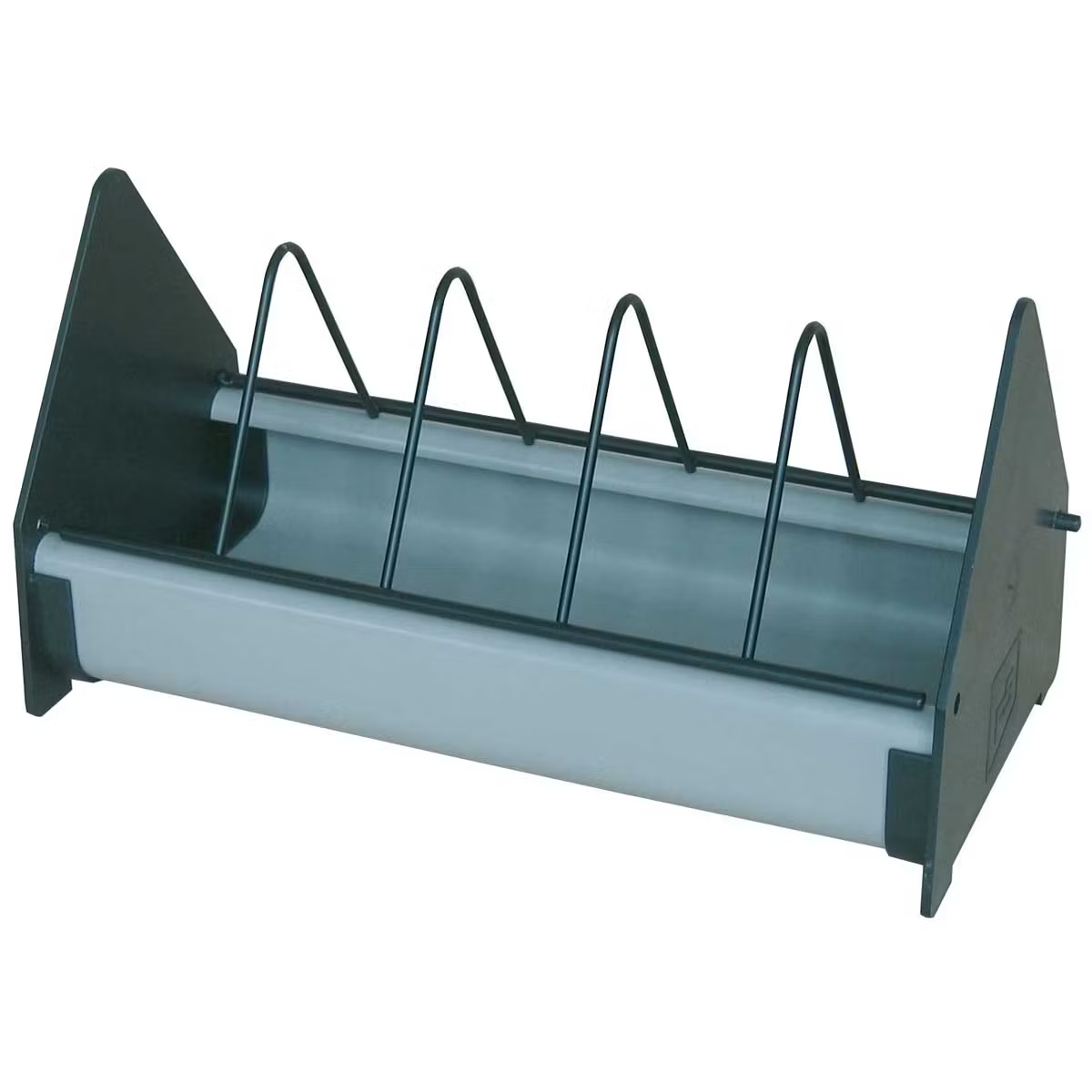
Practical Feeding Solution for Small and Medium Farms
Feed troughs remain a practical option for many poultry farmers, especially those keeping smaller flocks or using partitioned housing systems.
Although more labour-intensive than hanging feeders, they offer excellent visibility during feeding and allow farmers to monitor flock behaviour closely.
Advantages
- Simple construction.
- Affordable.
- Easy to inspect feed intake.
- Suitable for small flocks.
- Easy to move between pens.
Best Applications
- Small poultry farms
- Brooding units
- Kienyeji chicken projects
- Training farms
Automatic Feeding Systems
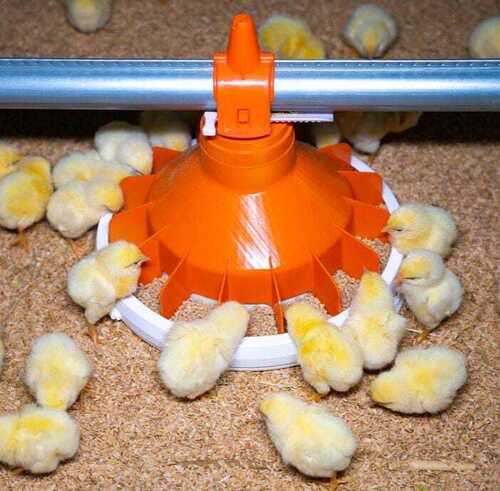
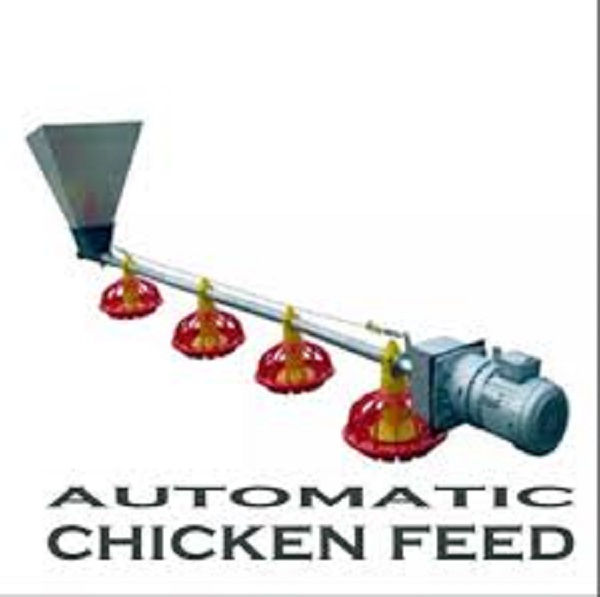
High-Efficiency Feeding for Modern Poultry Farms
Large-scale poultry farms increasingly use automated feeding systems to improve efficiency and reduce labour costs.
Automatic feeders deliver feed through a controlled distribution system, ensuring birds receive consistent access to fresh feed throughout the day.
Benefits
- Lower labour requirements.
- Uniform feed distribution.
- Minimal feed wastage.
- Improved flock performance.
- Better feed conversion.
- Ideal for intensive poultry production.
Suitable For
- Large broiler farms
- Commercial layer operations
- Breeder farms
- High-capacity poultry houses
Choosing the Right Feeder Size
Choosing the correct feeder size depends on several factors:
Number of Birds
Larger flocks require more feeding space to reduce competition and ensure all birds can eat comfortably.
Bird Age
Small chicks need shallow feeders, while mature birds require larger-capacity feeders with stronger construction.
Poultry Type
Broilers consume feed differently from layers and indigenous chickens. Selecting feeders designed for your production system improves efficiency.
Housing System
Deep litter houses typically use hanging feeders, while cage systems may require specialized feeding equipment.
Expansion Plans
If you intend to increase your flock size, investing in durable commercial feeders now can reduce replacement costs in the future.
Poultry Feeder Comparison Table
| Feeder Type | Best For | Main Benefits | Recommended Farm Size |
|---|---|---|---|
| Hanging Feeder | Broilers & Layers | Reduces feed wastage and contamination | Medium to Large |
| Tube Feeder | All poultry types | Continuous gravity feeding | Small to Large |
| Chick Feeder | Day-old chicks | Easy access and improved chick growth | All farm sizes |
| Feed Trough | Small flocks | Affordable and simple | Small to Medium |
| Automatic Feeder | Commercial operations | Labour saving and maximum efficiency | Large Commercial Farms |
Tips for Getting the Best Results from Poultry Feeders
To maximize the lifespan and effectiveness of your feeding equipment:
- Clean feeders regularly to prevent mould and bacterial growth.
- Adjust hanging feeder height as birds grow.
- Avoid overfilling feeders to minimize wastage.
- Replace cracked or damaged feeders promptly.
- Position feeders evenly throughout the poultry house to reduce overcrowding.
- Inspect feeders daily for cleanliness and proper function.
With proper management, quality poultry feeders can provide years of reliable service while helping improve flock performance and farm profitability.
Types of Commercial Poultry Drinkers
Providing poultry with a constant supply of clean, fresh water is just as important as providing quality feed. Water supports digestion, nutrient absorption, body temperature regulation, egg production, and healthy growth. Even a short interruption in water supply can reduce feed intake, slow growth, lower egg production, and increase stress within the flock.
Commercial poultry drinkers are designed to keep water clean, reduce wastage, and make daily farm management easier. At Chick Bee Farming, we supply a variety of high-quality drinkers suitable for broilers, layers, kienyeji chickens, breeders, and chicks.
Whether you are raising a small flock or operating a large commercial poultry farm, choosing the right drinking system will improve flock health, reduce labour, and increase overall productivity.
Bell Drinkers
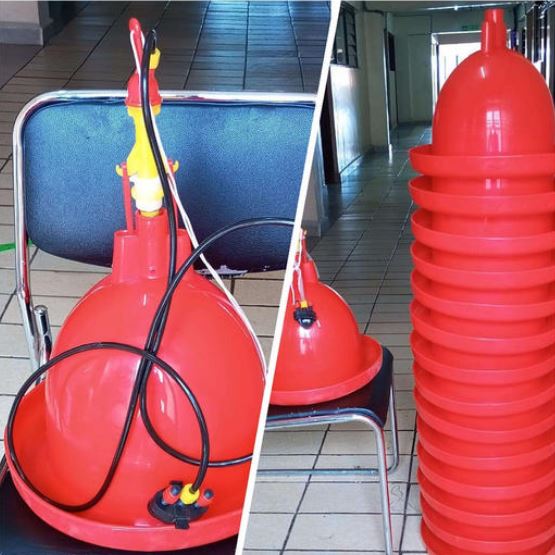
The Most Popular Commercial Poultry Drinker
Bell drinkers are one of the most widely used watering systems on commercial poultry farms in Kenya. They are designed to maintain a constant water level, ensuring birds always have access to clean drinking water.
Bell drinkers are easy to install, simple to clean, and suitable for both broiler and layer production systems. Their durable design makes them a reliable choice for farmers looking for long-term performance.
Benefits of Bell Drinkers
- Continuous supply of fresh drinking water.
- Helps maintain clean and hygienic water.
- Reduces water wastage compared to open containers.
- Easy to clean and disinfect.
- Durable and suitable for daily commercial use.
- Supports healthier birds and improved performance.
Best For
- Broiler farms
- Layer farms
- Kienyeji chicken projects
- Medium and large poultry operations
Why Bell Drinkers Are a Smart Investment
Unlike ordinary bowls or buckets, bell drinkers help prevent water contamination from litter and droppings. By keeping water cleaner for longer, they reduce the risk of disease outbreaks and improve flock health.
Chick Drinkers
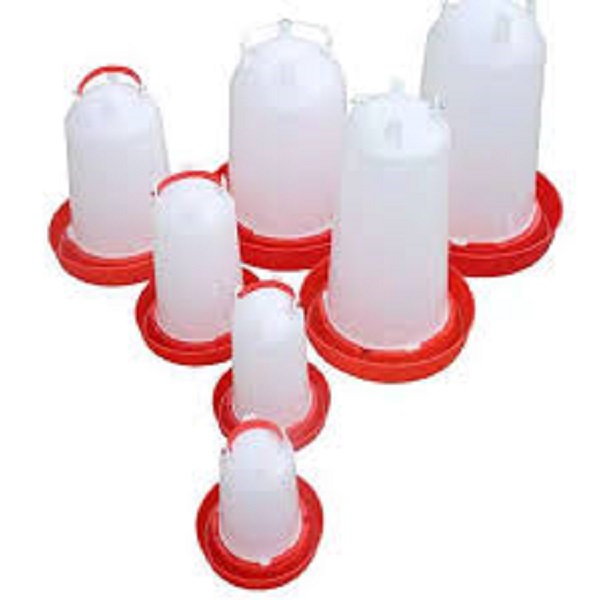
Safe Watering Equipment for Young Chicks
Day-old chicks require specially designed drinkers that provide easy access to water while preventing drowning and excessive spillage.
Chick drinkers are shallow, lightweight, and easy to refill, making them ideal during the brooding period when chicks are most vulnerable.
For Day old chicks reach our sale page day old chicks,buy vaccinated healty improved kienyenji chicks from a trusted supllier chick bee farming (chickmaster)
Benefits
- Safe for newly hatched chicks.
- Prevents drowning.
- Easy to clean and sanitize.
- Encourages early water intake.
- Reduces water contamination.
Recommended Use
From day-old chicks up to approximately three weeks of age, after which birds can transition to larger commercial drinkers.
Proper hydration during the first weeks of life supports healthy growth, stronger immunity, and improved survival rates.
Nipple Drinker Systems
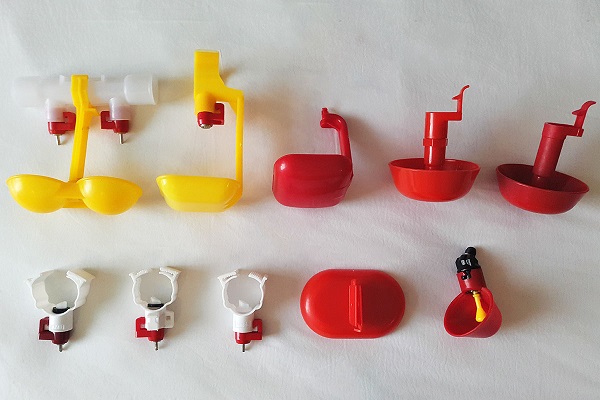
Modern Watering Solution for Commercial Poultry Farms
Nipple drinkers are becoming increasingly popular because they provide water only when birds peck the drinking nipple. This significantly reduces water wastage while keeping litter dry.
The system consists of a water line fitted with multiple drinking nipples, allowing birds to access fresh water whenever needed.
Advantages
- Extremely hygienic.
- Minimal water spillage.
- Keeps litter dry.
- Reduces bacterial contamination.
- Low maintenance.
- Supports improved feed conversion.
Ideal For
- Commercial broiler farms
- Large layer operations
- Automated poultry houses
- Intensive poultry production systems
Why Farmers Choose Nipple Drinkers
Wet litter is one of the leading causes of ammonia build-up, respiratory problems, and footpad lesions in poultry. Because nipple systems release water only when birds drink, they help maintain a cleaner, healthier poultry house.
Automatic Poultry Drinking Systems
Maximum Efficiency for Large Poultry Farms
Automatic drinking systems are designed for farms with large flocks where manual watering would be time-consuming and labour-intensive.
These systems continuously supply clean water through connected pipelines, ensuring every bird has reliable access throughout the day.
Benefits
- Saves labour.
- Ensures uninterrupted water supply.
- Improves flock uniformity.
- Reduces water wastage.
- Easy to monitor.
- Suitable for modern poultry production.
Best Applications
- Commercial broiler farms.
- Large-scale layer farms.
- Poultry breeding operations.
- Intensive poultry production.
Bucket and Gravity Drinkers
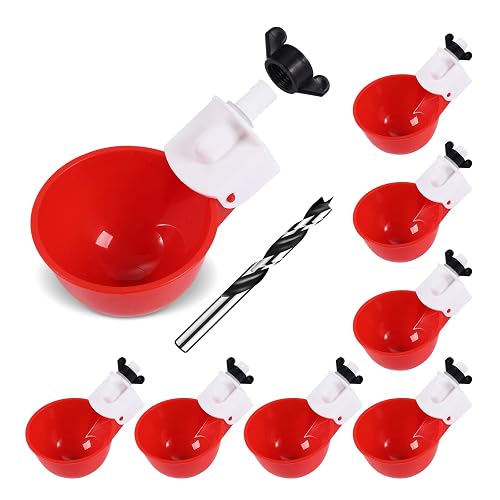
Affordable Option for Small Poultry Farms
Gravity drinkers remain a popular choice for farmers with smaller flocks due to their simplicity and affordability. Water flows naturally into the drinking tray as birds consume it, making them easy to use without requiring plumbing or automated systems.
Benefits
- Affordable.
- Easy to use.
- Portable.
- Suitable for small poultry houses.
- Simple maintenance.
Ideal For
- Backyard poultry.
- Small commercial farms.
- Brooding units.
- Farmer training centres.
How to Choose the Right Poultry Drinker
Selecting the correct drinker depends on several important factors.
Age of the Birds
Young chicks require shallow drinkers designed to prevent drowning, while older birds benefit from larger-capacity drinkers that can supply enough water throughout the day.
Number of Birds
Larger flocks require more drinkers to ensure every bird has easy access to water without overcrowding.
Housing System
Deep litter systems often use bell drinkers, while cage and environmentally controlled poultry houses commonly use nipple drinking systems.
Water Source
If your farm has a reliable piped water supply, automatic or nipple drinking systems may offer the best long-term value.
Labour Availability
Automatic systems reduce the time spent refilling drinkers and help improve overall farm efficiency.
Poultry Drinker Comparison Table
| Drinker Type | Best For | Main Advantages | Recommended Farm Size |
|---|---|---|---|
| Bell Drinker | Broilers & Layers | Clean water with reduced contamination | Medium to Large |
| Chick Drinker | Day-old Chicks | Safe and easy access to water | All Farm Sizes |
| Nipple Drinker | Commercial Farms | Maximum hygiene and dry litter | Large Farms |
| Automatic Drinking System | Intensive Poultry Production | Labour saving and continuous water supply | Large Commercial Farms |
| Gravity Drinker | Small Poultry Farms | Affordable and portable | Small to Medium Farms |
Best Practices for Poultry Drinkers
Maintaining clean drinking equipment is essential for flock health.
Follow these simple practices:
- Wash drinkers every day using clean water.
- Disinfect drinkers regularly to reduce disease risk.
- Replace cracked or leaking drinkers promptly.
- Position drinkers evenly throughout the poultry house.
- Raise hanging drinkers as birds grow to reduce contamination.
- Check water availability several times each day, especially during hot weather.
Clean water improves feed intake, supports healthy digestion, and contributes to better growth rates and egg production.
Common Mistakes to Avoid
Many poultry farmers unknowingly reduce flock performance by making simple mistakes with watering equipment.
Avoid:
- Using too few drinkers for the flock size.
- Allowing drinkers to become dirty.
- Placing drinkers directly on wet litter.
- Failing to adjust drinker height as birds grow.
- Ignoring leaks that create wet litter and increase ammonia levels.
- Waiting too long to replace damaged equipment.
Correcting these issues can improve bird welfare, reduce disease, and increase farm profitability.
Looking for Reliable Poultry Drinkers in Kenya?
At Chick Bee Farming, we stock durable commercial poultry drinkers suitable for farms of every size. Our team can help you choose the right watering system based on your flock, housing design, and production goals.
Whether you need chick drinkers, bell drinkers, nipple drinking systems, or automatic watering equipment, we are ready to help you build a more efficient and productive poultry farm.
Call or WhatsApp: 💬 WhatsApp
Email: info@chickbeefarming.co.ke
How to Choose the Right Commercial Poultry Feeders and Drinkers
Investing in the right poultry feeding and watering equipment is essential for maintaining a healthy flock and maximizing farm profitability. While price is an important consideration, it should never be the only factor. The best feeders and drinkers are those that match your flock size, bird age, housing system, and long-term production goals.
At Chick Bee Farming, we help farmers across Kenya choose equipment that improves efficiency, reduces feed and water wastage, and supports healthier birds. Whether you are keeping 100 chickens or managing a commercial farm with thousands of birds, selecting the right equipment will save money and improve productivity for years to come.
Factors to Consider Before Buying Poultry Feeders and Drinkers
1. Flock Size
The number of birds on your farm determines how many feeders and drinkers you need.
Using too few feeding or watering points causes overcrowding, stress, uneven growth, and increased competition. Birds that cannot easily access feed or water may become weak, resulting in poor weight gain or reduced egg production.
As your flock grows, increase the number of feeders and drinkers to ensure every bird has adequate access.
2. Age of the Birds
Different stages of growth require different equipment.
Day-Old to Three Weeks
Young chicks require:
- Chick feeders
- Chick drinkers
- Low feeding height
- Shallow drinking containers
These provide easy access while preventing feed contamination and accidental drowning.
Growers
Growing birds require larger feeders with greater capacity and drinkers that can supply more water throughout the day.
Adult Birds
Fully grown broilers, layers, and breeders require heavy-duty commercial feeders and drinkers designed for continuous use.
3. Type of Poultry
Different poultry enterprises have different requirements.
Broiler Chickens
Broilers consume large quantities of feed in a short period. Feeders should minimize wastage and allow multiple birds to feed comfortably.
Layer Chickens
Layers require uninterrupted access to feed and clean water to maintain high egg production. Reliable drinkers are particularly important during hot weather.
Kienyeji Chickens
Improved indigenous chickens often use free-range or semi-intensive systems, making portable feeders and drinkers an excellent choice.
Breeding Stock
Breeder birds require consistent feeding schedules and hygienic watering systems to support fertility and hatchability.
4. Housing System
The design of your poultry house influences the type of equipment required.
Deep Litter Houses
Recommended equipment:
- Hanging feeders
- Bell drinkers
- Nipple drinkers
These systems help maintain cleaner litter and reduce contamination.
Cage Systems
Automatic feeding and watering systems provide better efficiency and reduce labour.
5. Material Quality
Commercial poultry equipment should be manufactured from durable, food-grade materials that can withstand daily use and repeated cleaning.
Quality equipment offers:
- Longer lifespan
- Better hygiene
- Reduced maintenance costs
- Improved durability under Kenyan weather conditions
Cheap equipment often cracks easily, leaks water, and increases long-term operating costs.
Recommended Feeder and Drinker Capacity
The following guide can help farmers estimate the equipment needed for different flock sizes.
| Number of Birds | Feeders Required | Drinkers Required |
|---|---|---|
| 50 Chickens | 2–3 Feeders | 2 Drinkers |
| 100 Chickens | 4–5 Feeders | 4 Drinkers |
| 250 Chickens | 8–10 Feeders | 8 Drinkers |
| 500 Chickens | 15–20 Feeders | 15 Drinkers |
| 1,000 Chickens | 30–40 Feeders | 30 Drinkers |
Actual requirements may vary depending on feeder size, drinker capacity, and housing design. Our team can recommend the ideal setup based on your poultry project.
Benefits of Investing in Quality Poultry Equipment
Reduce Feed Costs
Feed accounts for the largest share of poultry production expenses. Commercial feeders reduce wastage by preventing birds from scattering feed onto the floor.
Saving even a small percentage of feed each day can significantly increase annual profits.
Improve Water Hygiene
Dirty drinking water is a common source of bacterial infections.
Quality drinkers help keep water clean, encouraging birds to drink more and remain healthy.
Faster Growth Rates
Healthy birds consume feed more efficiently.
Proper feeders and drinkers contribute to:
- Better feed conversion.
- Higher broiler weights.
- Improved egg production.
- Uniform flock growth.
Lower Labour Costs
Commercial feeding and watering systems reduce the amount of time spent refilling equipment and cleaning poultry houses.
Large farms particularly benefit from automated systems that save hours of labour every day.
Better Animal Welfare
Easy access to clean feed and water reduces stress, prevents overcrowding, and promotes healthier birds.
Good welfare also contributes to improved production performance.
Common Mistakes Poultry Farmers Make
Avoid these common errors when selecting or using poultry feeders and drinkers.
Buying the Cheapest Equipment
Low-cost products often wear out quickly, leak water, or break after a short period.
Investing in durable commercial equipment saves money over time.
Using Too Few Feeders
Overcrowding at feeding points causes competition and uneven growth.
Ensure there are enough feeding stations for your flock.
Ignoring Regular Cleaning
Feeders and drinkers should be cleaned frequently to prevent disease outbreaks.
Dirty equipment encourages bacteria, mould, and algae growth.
Incorrect Feeder Height
Feeders placed too low become contaminated with litter.
Feeders placed too high reduce feed intake.
Adjust equipment height regularly as birds grow.
Delaying Equipment Replacement
Cracked feeders and leaking drinkers increase feed wastage, create wet litter, and reduce farm efficiency.
Replace damaged equipment immediately.
Maintenance Tips for Long-Lasting Equipment
Proper maintenance extends the life of your feeders and drinkers while improving flock health.
Follow these recommendations:
- Wash feeding equipment every day.
- Clean drinkers using safe disinfectants.
- Inspect equipment weekly for cracks or leaks.
- Store spare equipment in a dry location.
- Replace worn components promptly.
- Keep feeding and watering areas clean.
- Remove old feed before adding fresh feed.
- Protect plastic equipment from prolonged direct sunlight when not in use.
Routine maintenance not only extends equipment life but also supports better flock performance.
Why Farmers Across Kenya Choose Chick Bee Farming Poutry feeders and drinkers
Farmers trust Chick Bee Farming because we understand the practical challenges of poultry production.
When you buy from us, you receive:
✔ High-quality commercial poultry equipment.
✔ Expert advice before purchase.
✔ Affordable prices.
✔ Durable products built for Kenyan farming conditions.
✔ Reliable nationwide delivery.
✔ Friendly customer support.
Whether you are starting with 100 birds or expanding to thousands, we are committed to helping you build a successful poultry enterprise.
Need Help Choosing the Right Equipment?
Not sure which feeders or drinkers are suitable for your poultry farm?
Our experienced team is ready to help you select equipment based on:
- Number of birds.
- Poultry breed.
- Production system.
- Housing design.
- Budget.
- Future expansion plans.
Contact us today for personalized advice and quality poultry equipment delivered anywhere in Kenya.
Frequently Asked Questions (FAQs)
These are the most common questions poultry farmers in Kenya ask about commercial poultry feeders and drinkers.
1. What are the best poultry feeders and drinkers for commercial farms?
The best options for commercial farms are hanging feeders, tube feeders, bell drinkers, and nipple drinking systems. These reduce feed wastage, maintain hygiene, and support large-scale production efficiently.
2. How many feeders do I need for 100 chickens?
For 100 chickens, you typically need 3 to 5 feeders and 3 to 4 drinkers, depending on feeder size and bird age. Overcrowding should be avoided to ensure uniform growth.
3. What is the best drinker for broiler chickens?
For broilers, the best options are bell drinkers and nipple drinking systems. Bell drinkers are affordable and easy to manage, while nipple systems offer higher hygiene and less water wastage.
4. What is the best feeder for chicks?
The best feeder for chicks is a shallow chick feeder designed for easy access and minimal feed contamination. It supports early feeding and healthy growth during the brooding stage.
5. How often should poultry drinkers be cleaned?
Poultry drinkers should be cleaned daily or at least every 2 days. Regular cleaning prevents bacteria buildup, algae growth, and disease outbreaks.
6. Do nipple drinkers reduce disease in poultry?
Yes. Nipple drinker systems reduce disease because they prevent water contamination from droppings, litter, and dust. This keeps water clean and improves flock health.
7. Can I use the same feeders for broilers and layers?
Yes, but it is recommended to adjust feeder size and height depending on bird type. Broilers require larger feeders due to rapid growth, while layers require consistent access over a longer period.
8. What causes feed wastage in poultry farming?
Feed wastage is mainly caused by:
- Poor feeder design
- Overfilled feeders
- Birds scratching feed onto the ground
- Low-quality or broken equipment
Commercial feeders are designed to minimize these losses.
9. What is the difference between bell drinkers and nipple drinkers?
- Bell drinkers: Open system with constant water level, easier to manage
- Nipple drinkers: Closed system, more hygienic, minimal water wastage
Nipple systems are better for large-scale automated farms.
10. How do I prevent wet litter in poultry houses?
Wet litter can be prevented by:
- Using nipple drinkers
- Fixing leaking drinkers
- Raising drinker height properly
- Ensuring good ventilation
- Avoiding water spillage
11. How long do poultry feeders and drinkers last?
High-quality commercial feeders and drinkers can last 2 to 5 years or more, depending on usage, cleaning practices, and material quality.
12. Can I use automatic drinkers in a small poultry farm?
Yes. However, automatic systems are more cost-effective for medium to large farms. Small farms can still benefit if expansion is planned.
13. How many drinkers do I need for 500 chickens?
For 500 chickens, you generally need 10 to 15 drinkers, depending on type and capacity. This ensures all birds can access clean water without competition.
14. What is the most hygienic poultry drinking system?
The most hygienic system is the nipple drinking system, as it prevents contamination from external sources and keeps water inside a closed pipeline.
15. Why is clean water important in poultry farming?
Clean water is essential because it affects:
- Digestion
- Feed intake
- Growth rate
- Egg production
- Immunity
Poor water quality can quickly lead to disease outbreaks.
16. What is the biggest mistake poultry farmers make with feeders?
The most common mistake is using too few feeders, which causes overcrowding, competition, and uneven growth across the flock.
17. Where can I buy quality poultry feeders and drinkers in Kenya?
You can buy durable commercial poultry feeders and drinkers directly from:
Chick Bee Farming
📞 WhatsApp/Call: 0119076723 💬 WhatsApp
📧 info@chickbeefarming.co.ke 📞 Call